
Best Things to Do in Prague, Czech Republic (2026)
This article contains affiliate links. If you make a purchase through these links, we may earn a small commission at no extra cost to you. This helps us keep creating free content for you!
Prague's astronomical clock has been keeping time since 1410, and somehow the city around it has kept its medieval magic intact too. Walk five minutes in any direction from Old Town Square and you cross seven centuries of architecture: Gothic spires, baroque palaces, art nouveau cafés, and cubist landmarks all elbowing each other for space along cobblestone lanes. We came to Prague expecting a pretty European weekend break. We left convinced it punches well above its weight as one of the most rewarding city breaks in Europe, and one of the most affordable.
The best things to do in Prague include touring Prague Castle (the largest ancient castle complex in the world), watching the hourly show on the Astronomical Clock in Old Town Square, crossing Charles Bridge at sunrise, drinking world-class beer in a 500-year-old brewery, exploring the Jewish Quarter's six historic synagogues, attending a Mozart concert in a baroque mirror chapel, taking a Vltava river cruise, and day-tripping to Český Krumlov or the Sedlec Bone Church in Kutná Hora.
We spent four days in Prague and kept finding reasons to stay longer. This guide rounds up everything worth your time in 2026, from the headline attractions and skip-the-line strategies to the neighborhoods most first-time visitors miss entirely. Planning a longer trip? See our complete 10-day Prague itinerary with day-by-day plans and four day trips. If you are building a wider Central Europe trip, check out our 10-day Vienna, Budapest, and Prague itinerary.
🕰️ Old Town Square and the Astronomical Clock
Old Town Square (Staroměstské náměstí) is the beating heart of Prague and where every first-time visit should start. Surrounded by Gothic spires, baroque palaces, and pastel townhouses, the square has been the city's main public space since the 10th century. It is also where the Astronomical Clock has put on the same hourly show since 1410, making it the oldest still-operating astronomical clock in the world.
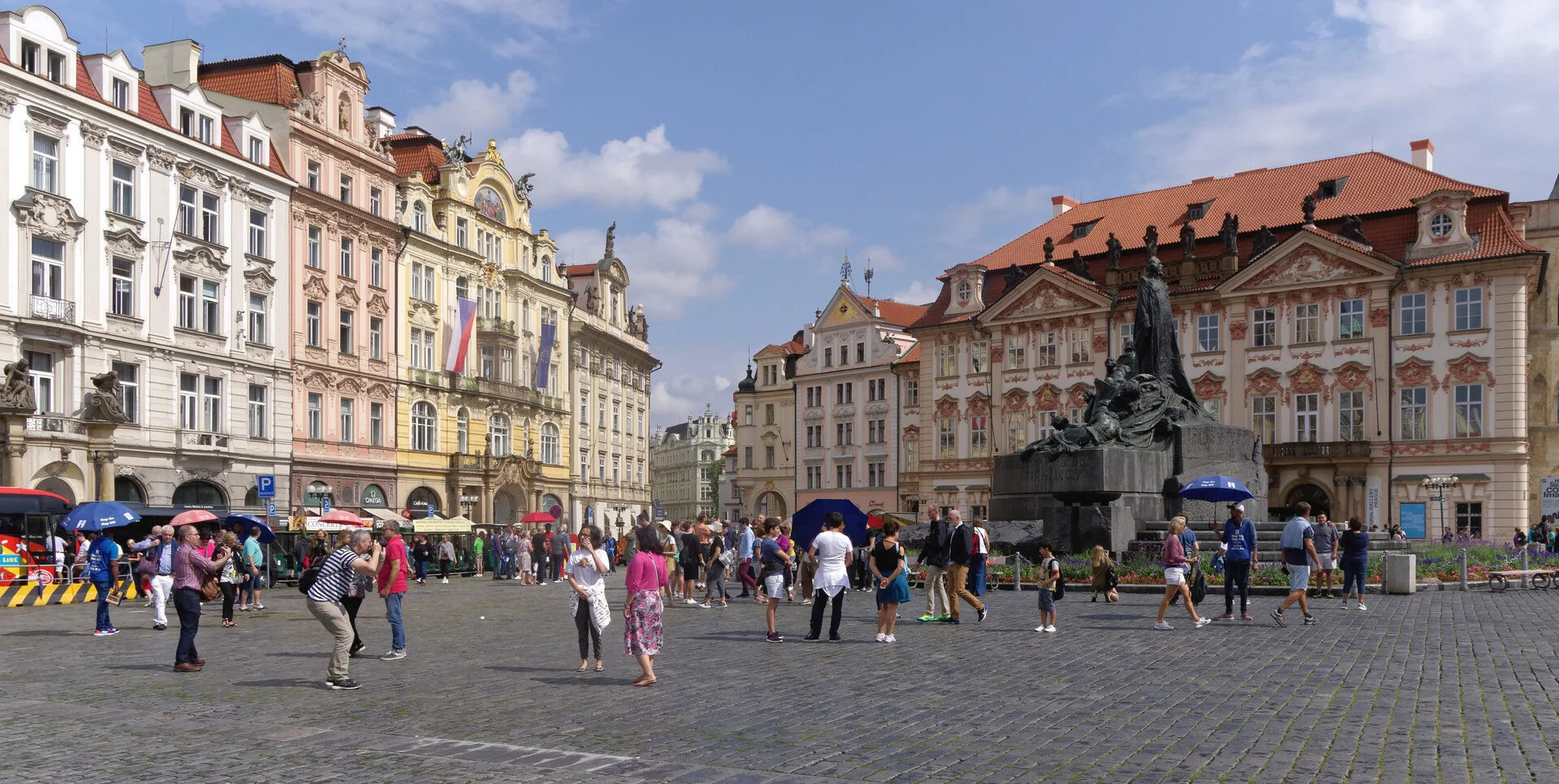
Old Town Square has been the heart of Prague since the 10th century, with the Astronomical Clock and Týn Church both visible from the center.
The Astronomical Clock (Orloj) puts on its "Walk of the Apostles" show every hour on the hour between 9am and 11pm. Twelve carved wooden apostles parade past two small windows above the clock face, a golden cockerel crows, and a skeleton tolls a bell to remind onlookers that time is finite. The show itself lasts about 45 seconds. The medieval mechanism below is the real masterpiece, simultaneously tracking the position of the sun and moon, the zodiac, Old Czech time, and the lunar calendar. Arrive 10 minutes before the hour to grab a viewing spot near the railing.
The best way to understand the layers of history packed into the square is on a guided walk. We recommend a guided Old Town walking tour with the Astronomical Clock, which covers the square, the Týn Church, the Powder Tower, and the Estates Theatre where Mozart conducted the premiere of Don Giovanni in 1787. Most last 2 to 2.5 hours and run multiple times per day.
For one of the best views in Prague, climb the Old Town Hall Tower. The 70-meter Gothic tower lets you look directly down on the square and across the orange-tiled rooftops to Prague Castle. A skip-the-line Old Town Hall Tower ticket lets you avoid the lift queue, which can stretch 30 minutes during peak hours. Tickets typically include access to the Astronomical Clock's medieval interior workings, which is genuinely fascinating if you have any interest in how the mechanism works.
The twin Gothic spires of Týn Church dominate the eastern side of the square, and the church interior is free to enter outside of mass times. Across the square, St. Nicholas Church (Old Town) hosts excellent classical concerts most evenings. For something more lighthearted in the evening, a Prague legends and ghost stories walking tour covers the same streets after dark with stories of alchemists, executions, and the Old Town's resident ghosts. The guides are usually local actors and the atmosphere is genuinely fun.
🏰 Prague Castle: The World's Largest Ancient Castle
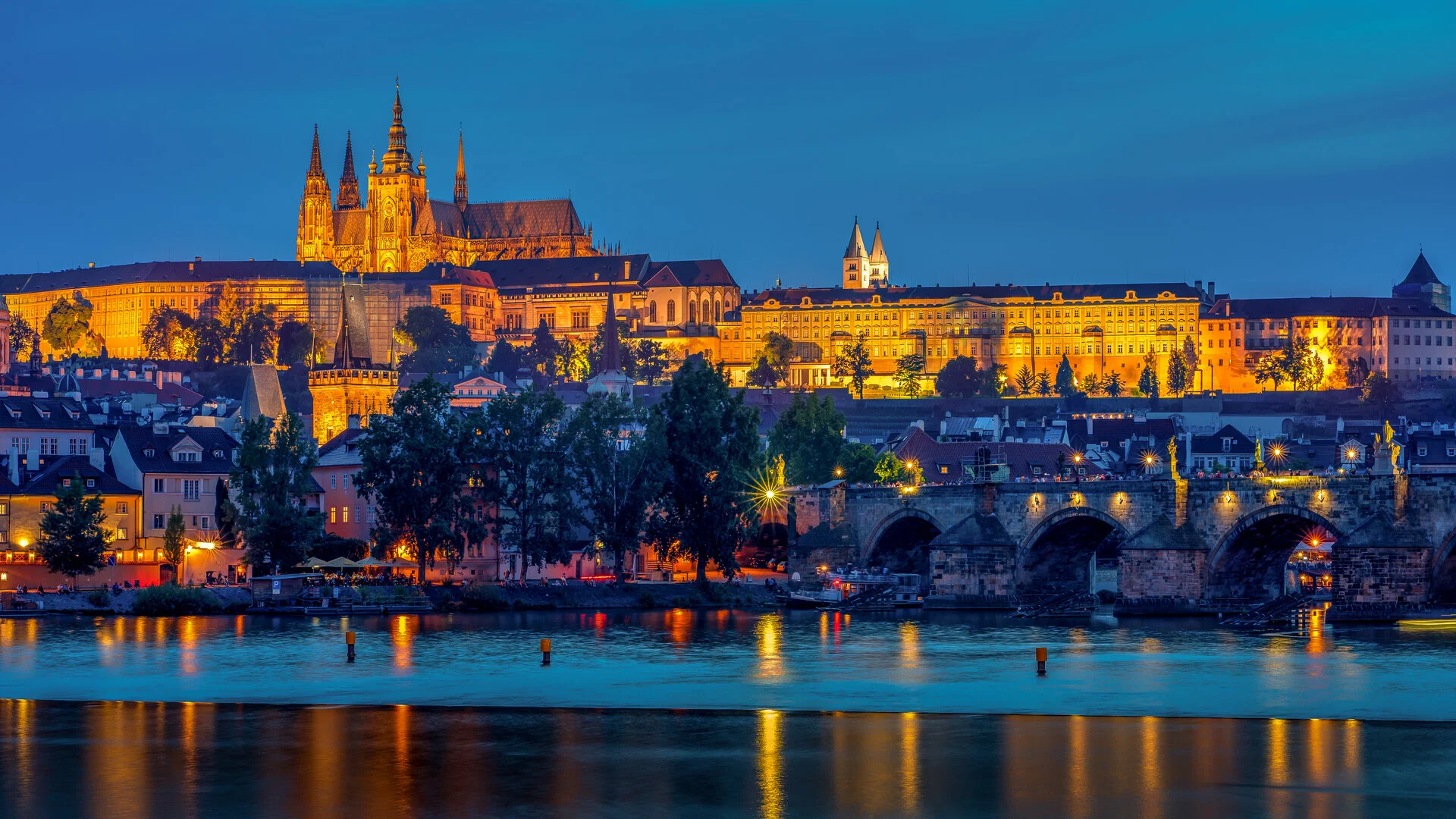
Prague Castle (Pražský hrad) is the largest ancient castle complex in the world by area, covering over 70,000 square meters across the hill above the Vltava. Founded in the 9th century, it has been the seat of Czech kings, Holy Roman Emperors, and presidents for more than 1,100 years. It is also the single most important attraction in Prague and the one you should plan a full day around.
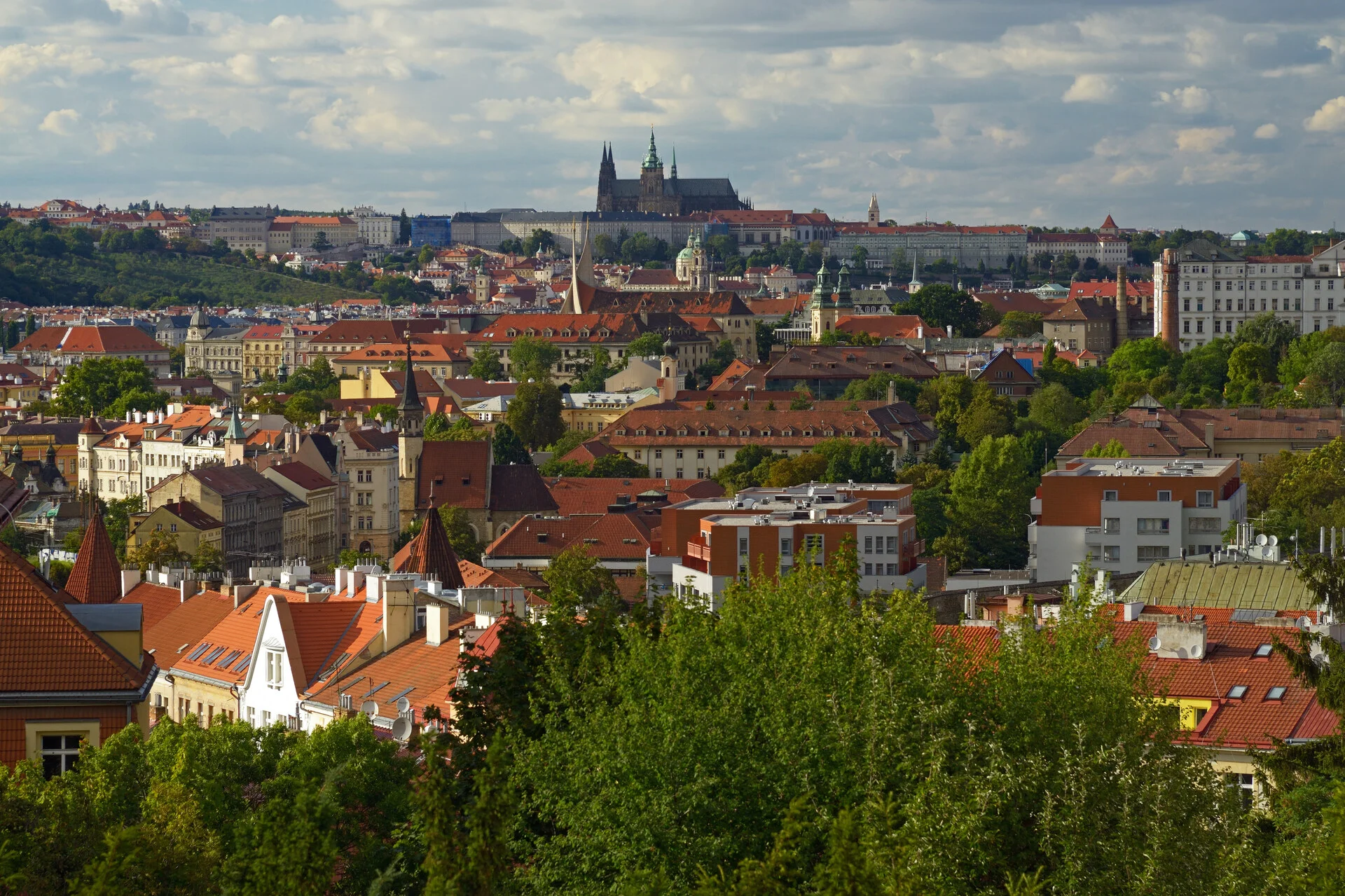
Prague Castle covers more than 70,000 square meters and has been the seat of power in Bohemia for over 1,100 years.
The four buildings to prioritize inside the complex are St. Vitus Cathedral (Gothic stained glass and royal tombs including Wenceslas IV), the Old Royal Palace with its enormous Vladislav Hall, St. George's Basilica (the oldest surviving church in the castle, founded in 920), and Golden Lane, a colorful row of tiny medieval houses where Franz Kafka briefly lived at number 22. The basic Circuit B ticket (around 250 CZK, roughly 10 euros) covers all four. A Prague Castle skip-the-line ticket with guided tour is the move during peak season, since same-day security lines can hit 90 minutes and the castle's interpretation signs are notoriously sparse, so a guide adds enormous context.
The changing of the guard happens hourly between 7am and 8pm at the main entrance on Hradčanské náměstí, but the noon ceremony is the only one with the full band and flag procession. Arrive 15 minutes early to claim a spot. If you want to combine the castle with the rest of the city in a single guided day, a Prague Castle, Old Town, and Jewish Quarter combo walking tour packs the three most important areas into about 6 hours with one guide and one ticket.
There are two best approach routes. From the Malostranská metro station, climb the Old Castle Stairs for the classic uphill arrival through Hradčany. The easier route is tram 22 to the Pražský hrad stop, which drops you at the top of the hill so you can walk down through the complex. We recommend going up via the stairs in the morning when the light is best, and walking down through Lesser Town in the afternoon. For visitors who prefer to set their own pace, a Prague Castle ticket with audio guide covers all four major buildings with multilingual narration you can pause and resume.
St. Vitus Cathedral deserves a separate paragraph. The nave is free to enter, but the south side with the Alphonse Mucha stained glass window is worth a ticket on its own. Mucha designed the window in 1931 and it is the most luminous piece of glass in the cathedral, depicting Saints Cyril and Methodius bringing Christianity to the Slavs. Climb the Great South Tower (287 steps) for the highest viewpoint in central Prague, looking down on the orange roofs of Lesser Town and across the Vltava to Old Town.
Top-Rated Activities in Prague
🌉 Charles Bridge and Lesser Town (Malá Strana)
Charles Bridge (Karlův most) is the most photographed structure in Prague and the symbolic link between the two halves of the city. Construction began in 1357 under Charles IV, who set the cornerstone at 5:31am on July 9 of that year, a sequence of ascending odd numbers (1357 9 7 5 31) the king's astrologers chose for maximum auspiciousness. The 30 baroque statues that line the bridge today were added between 1683 and 1928, and the most famous (Saint John of Nepomuk, the eighth statue on the right when walking from Old Town) has a polished bronze plaque that locals touch for good luck.
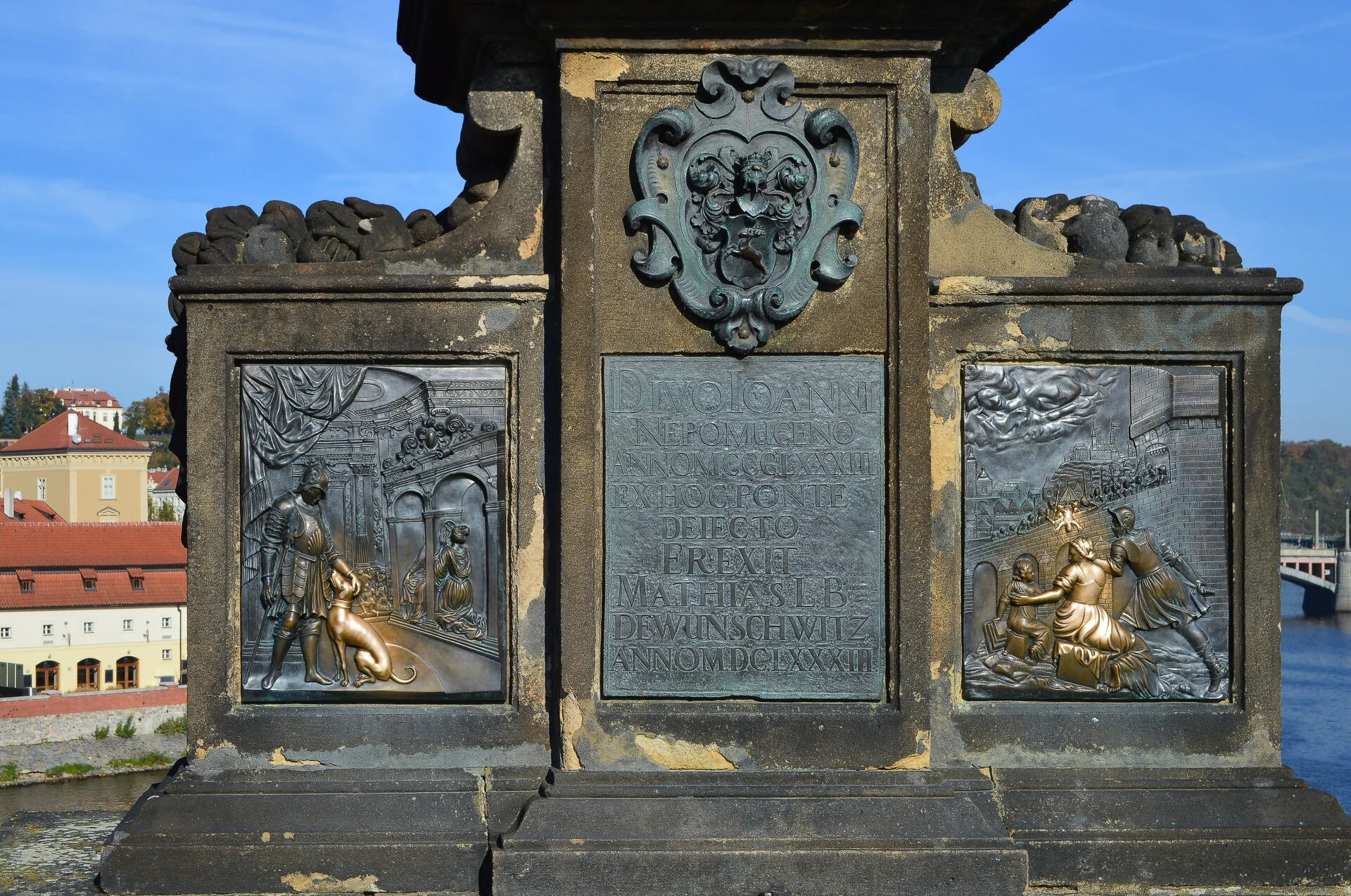
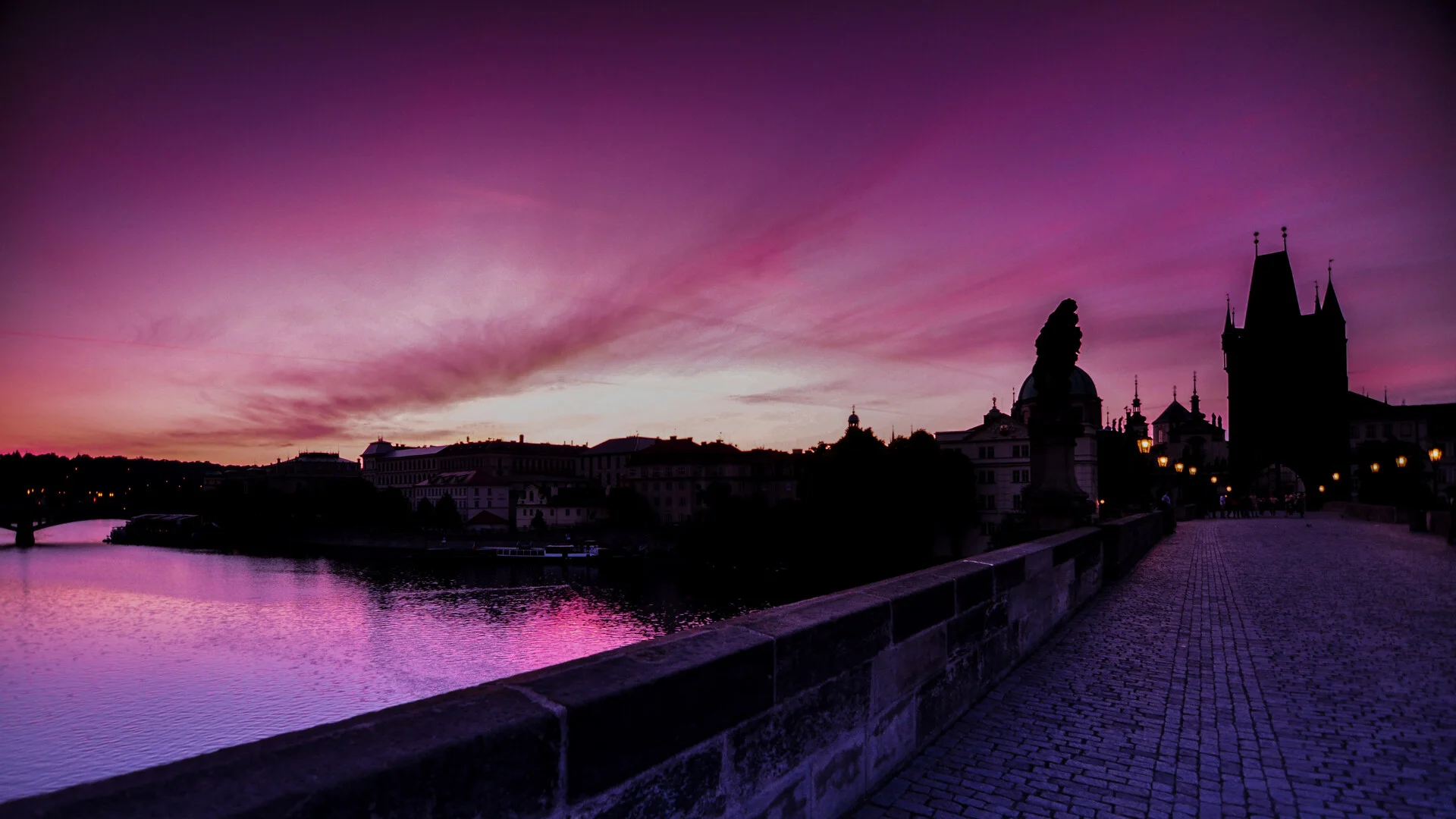
Charles Bridge was built starting in 1357 under Charles IV and is lined with 30 baroque statues added between 1683 and 1928.
Visit Charles Bridge twice. Once at sunrise, when the bridge is nearly empty and the light over Prague Castle is at its softest, and once at sunset, when the silhouettes of the towers and statues turn gold. Avoid the middle of the day between 11am and 4pm, when the crowds make the experience feel like a queue. A Charles Bridge and Lesser Town guided walking tour is the easiest way to absorb the bridge's history without trying to make sense of the statues on your own.
Lesser Town (Malá Strana) sits at the western end of the bridge and is the most atmospheric district in Prague. Baroque palaces, hidden courtyards, narrow lanes, and quiet wine bars define the area, and it is where many ambassadors and politicians live today. Do not miss Wallenstein Garden (open April to October, free), a 17th-century baroque garden behind the Czech Senate where live peacocks wander between fountains and a grotto wall studded with stalactite-like sculptures. The John Lennon Wall on Velkopřevorské náměstí is the most famous photo spot in the neighborhood, painted over continuously since 1980 as a peaceful protest against the communist regime.
Above Lesser Town rises Petřín Hill, the green lung of central Prague. Take the Petřín funicular (included on the city transport pass) from Újezd street up the steep hillside to the gardens, mirror maze, and the Petřín Lookout Tower, a 63-meter mini Eiffel Tower built in 1891 for the Prague Jubilee Exhibition. Climb the 299 steps to the top for what is arguably the best panorama in the city. A Petřín Tower skip-the-line ticket is worth booking in summer when the lift queue can take 30 minutes.
For a different angle on the bridge and Prague Castle, take to the water. A Vltava river boat tour passing under Charles Bridge shows the bridge from below, with the castle, Kampa Island, and the National Theatre all visible from a perspective most tourists never see. We did the 1-hour boat in late afternoon and it was the best 14 euros of the trip.
✡️ The Jewish Quarter (Josefov)
Prague's Jewish Quarter (Josefov) is one of the best-preserved Jewish quarters in Europe, with six historic synagogues, a haunting old cemetery, and centuries of Jewish history packed into a few small streets between Old Town Square and the Vltava. It survived World War II not because the Nazi regime spared it, but because Hitler intended Josefov as the site of a planned "Museum of an Extinct Race," which is why its synagogues, ritual objects, and records were preserved with chilling thoroughness.
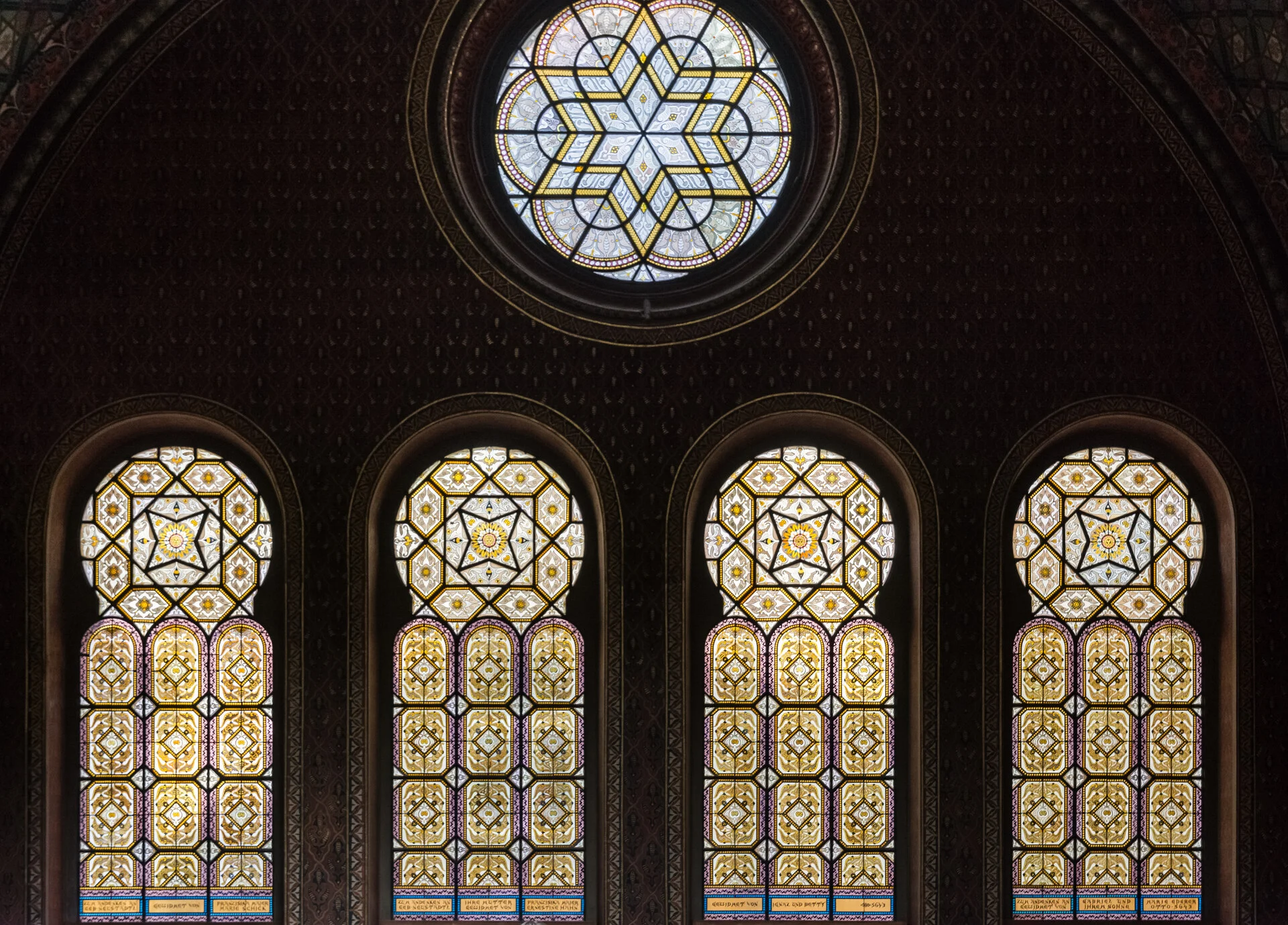
The Spanish Synagogue, with its Moorish Revival interior, is considered the most beautiful synagogue in Prague.
The Old Jewish Cemetery is the most striking single sight in the quarter. Roughly 12,000 visible gravestones lean against each other in dense rows across a small walled garden, but archaeologists estimate up to 100,000 people are buried below, stacked in up to 12 layers because the community was not permitted to expand the cemetery beyond its walls. The oldest known grave dates to 1439, the most recent to 1787. The cemetery is included in the combined Jewish Museum ticket.
The six historic synagogues each have a distinct character. The Spanish Synagogue, built in 1868 in Moorish Revival style, is considered the most beautiful synagogue interior in Prague, with elaborate gilded geometric patterns covering every surface. The Old-New Synagogue (Staronová synagoga) was built around 1270 and is the oldest still-active synagogue in Europe, supposedly home to the legendary Golem of Prague. The Pinkas Synagogue serves as a memorial, with the names of 77,297 Czech and Moravian Holocaust victims hand-painted on its interior walls. A Jewish Quarter guided tour with synagogue entries is the most efficient way to see all six synagogues plus the cemetery in a single half-day with proper historical context.
For visitors who want to explore on their own pace, the Jewish Museum combined ticket covers the four museum synagogues, the Old Jewish Cemetery, and the Ceremonial Hall for around 550 CZK. The Old-New Synagogue (still an active place of worship) requires a separate ticket. Allow at least 3 hours to see everything properly.
Franz Kafka was born on the edge of the Jewish Quarter on July 3, 1883, and his ghost still lingers in the neighborhood. The Franz Kafka Museum on the other side of the river (in Lesser Town) is hit or miss, but a Franz Kafka walking tour through Old Town and the Jewish Quarter is the better way to engage with his Prague: his birthplace, schools, cafés, the family business locations, and the streets he walked obsessively while writing The Trial.
Where to Stay in Prague
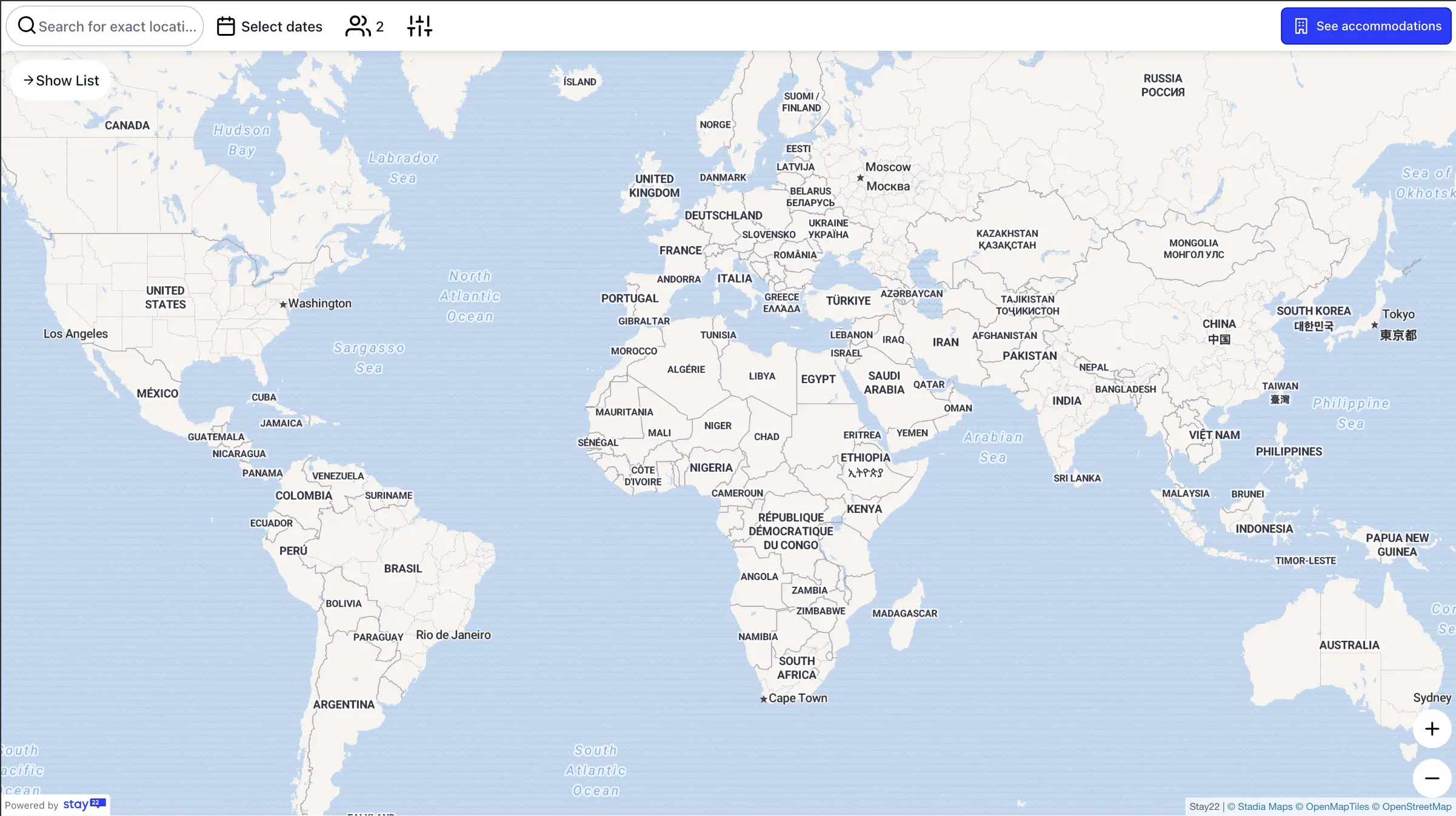
Book through this map and you help support our travels, at no extra cost to you. We earn a small commission, and it means a lot.
🍺 Czech Beer Culture and Food Experiences
Czechs drink roughly 140 liters of beer per person every year, the highest per-capita consumption in the world, and they have been at it longer than almost anyone. Pilsner Urquell, brewed 90 minutes west of Prague in Plzeň since 1842, is the original pale lager and the template for almost every mass-market lager produced worldwide today. Czech beer is also one of the few places where the local drink is actively cheaper than bottled water: a half-liter at a local pub typically costs 50 to 80 CZK (2 to 3.50 euros), often less than a 0.5L bottle of water.
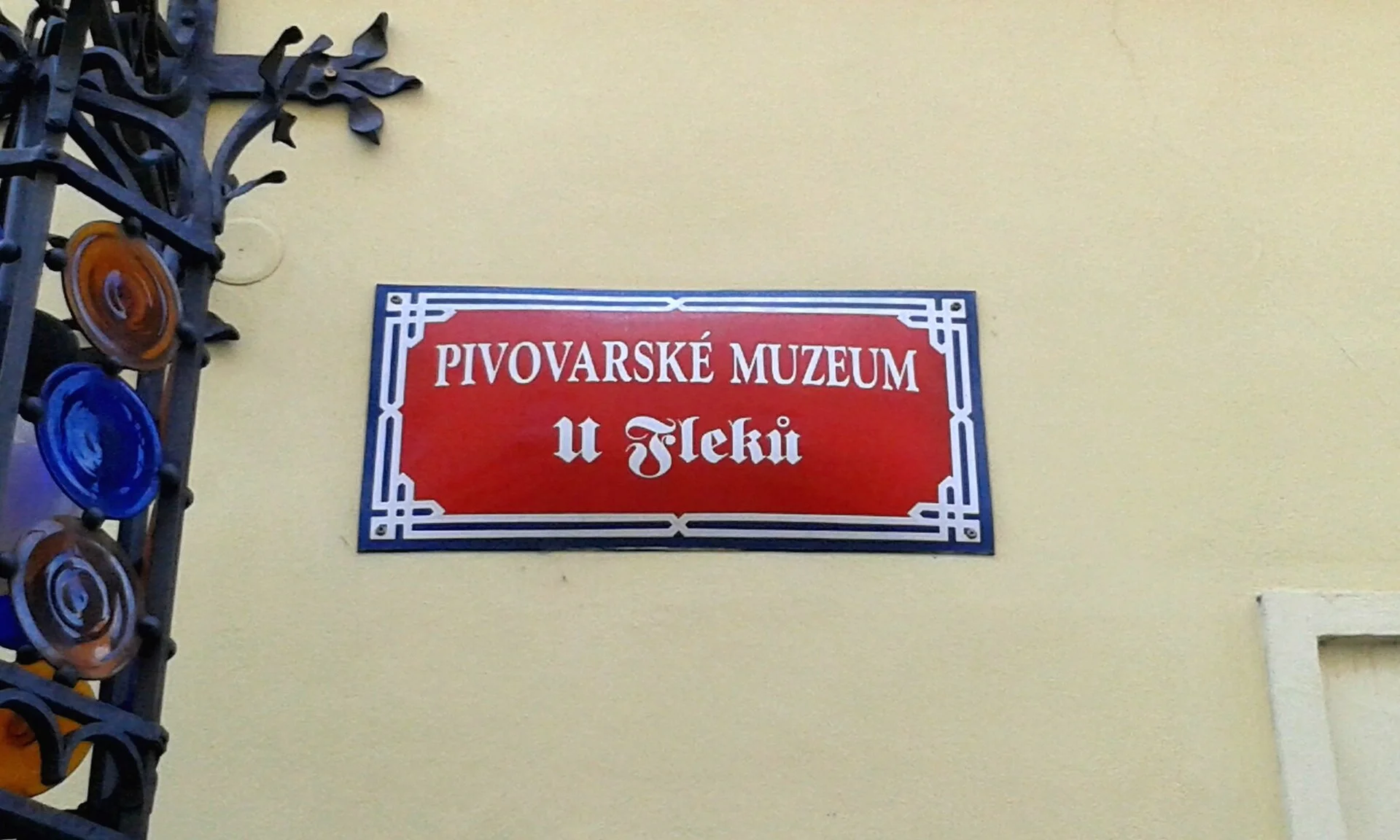
U Fleků has been brewing its own dark lager on the same site since 1499, making it one of the oldest brewpubs in Europe.
For the historic atmosphere, drink at U Fleků, which has been brewing on the same site since 1499 and serves only one beer, a dark 13-degree lager you cannot get anywhere else in the world. U Medvídků (in the cellar) claims to be the oldest beer pub in Prague, while Lokál is a modern Czech-cuisine chain with multiple branches that pours tank-fresh Pilsner Urquell unpasteurized, a noticeable improvement over the bottled or kegged version. For a guided introduction, a Czech beer and food evening tour typically hits four to five pubs with traditional snacks at each stop, all for around 60 to 80 euros.
The must-try Czech foods are svíčková (marinated beef sirloin in a creamy root vegetable sauce served with bread dumplings), guláš (Czech-style beef stew with paprika and onions, traditionally served with dumplings or potatoes), smažený sýr (deep-fried cheese, the national hangover food), and trdelník (the spiral chimney cake sold by every stall in Old Town). One honest note on trdelník: it is not actually Czech, it is a Slovak or Hungarian recipe imported and aggressively marketed to tourists. The real Czech sweet treat is medovník, a Russian-style honey cake.
For a serious deep dive into Czech brewing, take a Pilsner Urquell brewery day trip from Prague. The original brewery in Plzeň offers a tour through the historic 19th-century brewhouse and the kilometer-long underground cellars where you taste unfiltered, unpasteurized Pilsner straight from the oak barrels. It is the best beer we have ever drunk, and the only place you can drink it that way.
For a more unusual experience, Prague has fully leaned into the beer spa trend. A Prague beer spa with unlimited beer typically combines a 30-minute soak in a wooden tub filled with hops, yeast, and beer-based water with unlimited beer on tap next to your bath. It is silly, it is genuinely relaxing, and it is one of the most-photographed experiences in the city.
If you want a single evening that combines food, beer, and culture, a traditional Czech dinner with folklore show covers a multi-course meal with unlimited beer and wine alongside live folk music and dance. It is touristy but well-executed, and the dancing eventually pulls everyone up.
🚢 Vltava River Cruises and Boat Tours
The Vltava is the longest river in the Czech Republic and the spine of Prague's most beautiful views. From a boat you see Charles Bridge from below, Prague Castle stretching along the western hillside, Kampa Island, the National Theatre, and the colorful stretch of townhouses on the Smetana Embankment, all in one continuous frame. It is the most underrated way to see the city, and the cheapest cruises start at 12 to 16 euros.
The 1-hour basic sightseeing cruise is the most popular option for first-time visitors. A 1-hour Vltava sightseeing cruise covers the city center loop with a multilingual audio guide and a drink included. We did it in late afternoon and the late golden light made the castle absolutely glow.
For an evening with more substance, a Vltava dinner cruise with buffet and live music typically runs 2.5 to 3 hours, includes a full Czech buffet (sometimes with welcome drink and unlimited beer/wine), and features a small jazz or folk band. Prices range from 50 to 90 euros depending on the menu and operator. It is one of the most romantic things to do in the city, and the boats run year-round.
For a cheaper alternative that still includes a hot meal, a Vltava lunch buffet cruise offers most of the same scenic loop at roughly half the dinner cruise price. The midday light hits the castle differently and the boats are usually less crowded than the evening departures.
For something more active, the Náplavka embankment on the eastern bank below Vyšehrad rents pedal boats and stand-up paddleboards by the hour during summer. It is a local favorite and you will see almost no other tourists.
🚄 Best Day Trips from Prague
Prague is one of the best bases in Central Europe for day trips, with five world-class destinations within 1 to 3 hours by train, bus, or organized tour. If you have 4 days in the city, dedicating one or two of them to a day trip is one of the best decisions you can make. Each of the five below offers something genuinely different from the city itself.
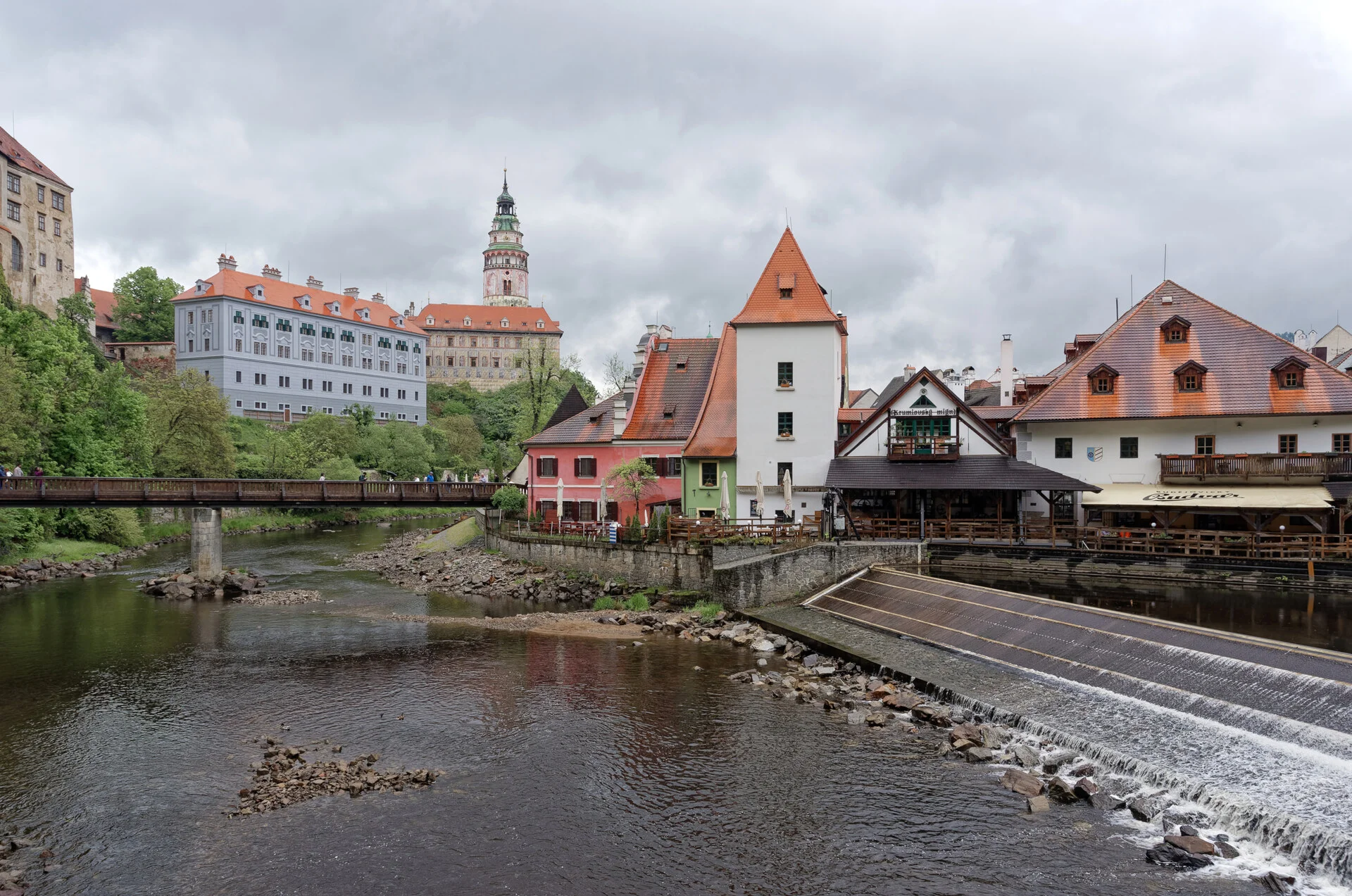
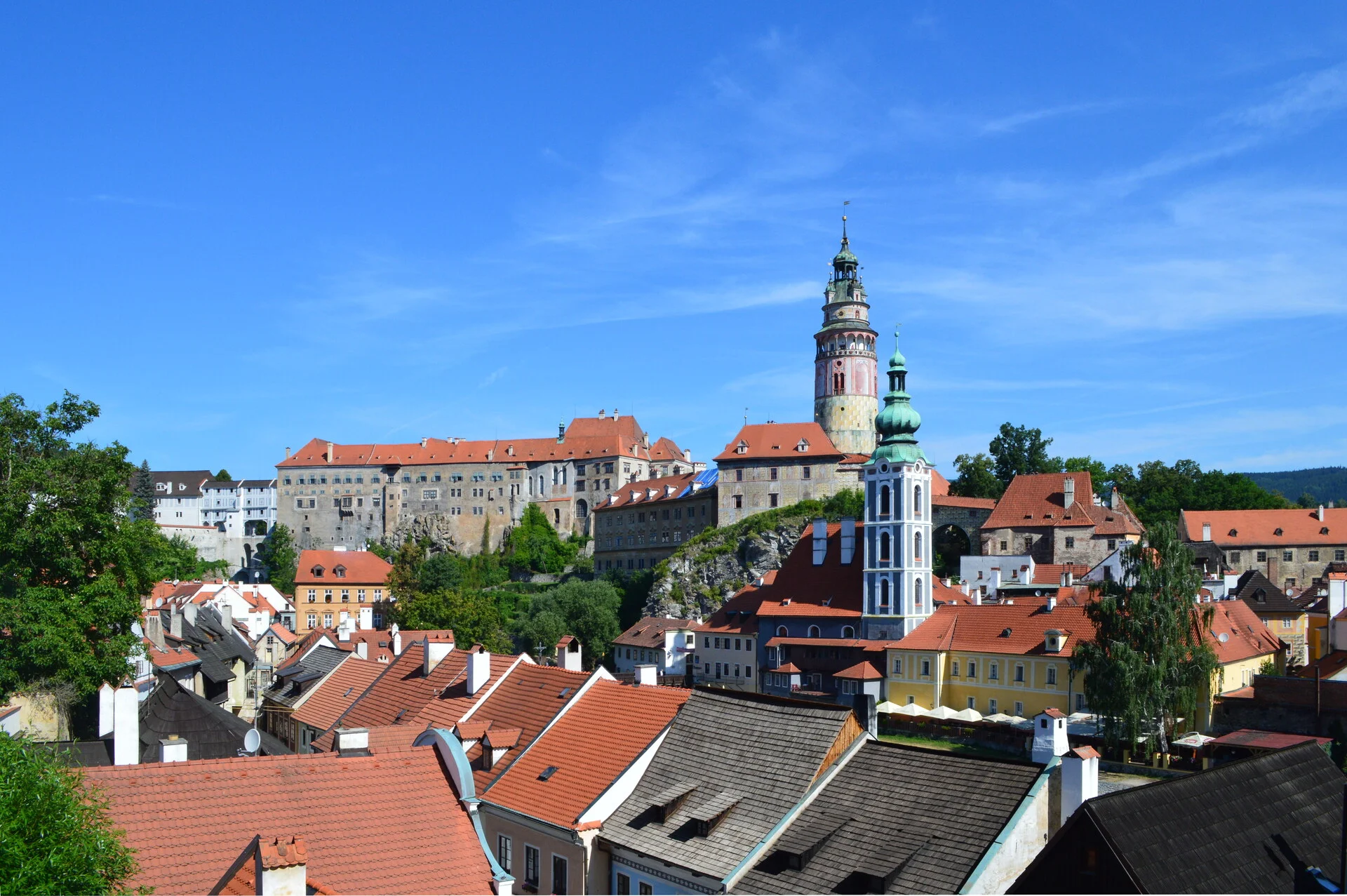
Český Krumlov is a UNESCO medieval town about 3 hours south of Prague, with a fairytale castle and the Vltava curling around it.
Český Krumlov (3 hours each way) is the most popular day trip from Prague and one of the most photogenic small towns in Europe. The UNESCO-listed medieval town wraps around a tight bend in the Vltava, with a vast painted castle rising on the cliff above. The whole center can be walked end to end in 30 minutes, but you will want a full day to climb the castle tower, drink Eggenberg beer at the local brewery, and float through town on a wooden raft. A Český Krumlov full-day tour from Prague with transport handles the long return drive and usually includes a guided walk through the old town.
Kutná Hora and the Sedlec Ossuary (1 hour each way) is the closest day trip and home to one of the most macabre sights in Europe. The Sedlec Ossuary (Bone Church) contains the rearranged bones of around 40,000 people, organized into a massive central chandelier, garlands across the ceiling, and a coat of arms made entirely from human skeletons. Add a visit to St. Barbara's Cathedral, a Gothic masterpiece built between 1388 and 1905 in honor of the patron saint of miners, since Kutná Hora was once the silver-mining capital of Bohemia. A Kutná Hora and Bone Church half-day tour typically runs 5 to 6 hours including transport.
Karlovy Vary (2 hours each way) is the most relaxing day trip, a 14th-century spa town famous for its 13 hot mineral springs that range from 30 to 73 degrees Celsius. The town's beauty comes from its layered architecture along a narrow river valley: pastel colonnades, ornate hotel facades, and forested hills above. Drink the warm sulfuric water from a traditional ceramic sipping cup (lázeňský pohárek), buy a bottle of Becherovka (the city's signature herbal liqueur, distilled here since 1807), and take the funicular to the Diana Tower for panoramic views. A Karlovy Vary day trip from Prague is the easiest way to do it without driving.
Terezín (1 hour each way) is the most sobering day trip from Prague. The former Theresienstadt concentration camp served as a Nazi ghetto and transit station, holding 140,000 Jewish prisoners from 1941 to 1945, of whom around 33,000 died at Terezín and 88,000 were deported to Auschwitz and other extermination camps. The Small Fortress, the Magdeburg Barracks, the crematorium, and the ghetto museum form one of the most powerful Holocaust memorial sites in Europe. A Terezín concentration camp memorial tour typically takes 6 hours and provides essential historical context with an expert local guide.
Dresden (2 hours each way, in Germany) is the most surprising day trip across the border. The baroque capital of Saxony was firebombed almost to dust in February 1945 and has been painstakingly rebuilt, with the Frauenkirche, the Zwinger Palace, and the Semperoper opera house all looking as if they were never destroyed. A Dresden day trip from Prague combines the cross-border drive with a guided walk through the Altstadt and free time for the Old Masters Picture Gallery.
| Day trip | Travel time | Best for | Avg GYG tour price |
|---|---|---|---|
| Český Krumlov | 3 hrs each way | Fairytale medieval town | €55–€95 |
| Kutná Hora | 1 hr each way | Bone Church + Gothic cathedral | €45–€75 |
| Karlovy Vary | 2 hrs each way | Spa town, hot springs | €55–€90 |
| Terezín | 1 hr each way | WWII memorial, deep history | €45–€70 |
| Dresden (Germany) | 2 hrs each way | Baroque cross-border break | €55–€90 |
Day trips from Prague compared by travel time, theme, and average tour price
Day trips from Prague compared by travel time, theme, and average tour price
For a deeper look at each destination, see our dedicated guide to the best day trips from Prague, with travel times, GetYourGuide tour comparisons, and recommendations on which to book first in peak season.
🎻 Classical Concerts and Nighttime Experiences
Prague has more classical concerts per capita than any other European city we have visited. Most evenings, between 7pm and 9pm, you can choose from 10 to 15 different baroque churches, mirror chapels, and concert halls hosting Mozart, Vivaldi, Dvořák, and Smetana programs at prices that would be unthinkable in Vienna or Salzburg. Tickets typically run 25 to 35 euros and the venues are often as memorable as the music.
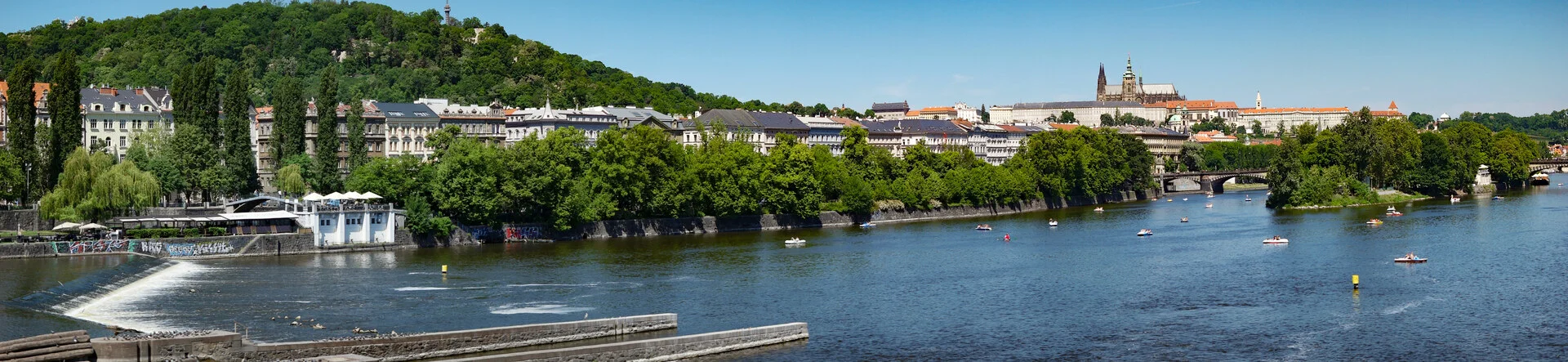
Prague's most atmospheric concert venues line the Vltava and the alleys around Old Town, with most performances starting at 7pm or 8pm.
The most atmospheric venue in the city is the Mirror Chapel inside the Klementinum, a baroque library complex next to Charles Bridge. The chapel is small (about 200 seats), the ceiling and walls are covered in carefully placed gilded mirrors, and the acoustic for a string quartet is intimate in a way you cannot replicate in a larger hall. A Mozart concert at the Mirror Chapel of the Klementinum is the single best classical music experience in Prague at the price point.
For something more orchestral, St. Salvator Church near the Old Town side of Charles Bridge regularly programs Vivaldi's Four Seasons paired with Pachelbel's Canon and selected Mozart and Bach pieces, all performed by chamber ensembles. A Vivaldi Four Seasons concert at St. Salvator Church usually runs 60 to 75 minutes and is family-friendly. The Municipal House's Smetana Hall is the most lavish large-scale concert option, art nouveau interior and 1,200 seats, where the Prague Symphony Orchestra performs throughout the year.
Beyond classical, Prague has a few uniquely Czech evening options. Black Light Theatre is a Prague invention combining UV lighting, mime, and luminescent costumes against a black backdrop. It is hard to describe and easier to watch. A Black Light Theatre performance ticket is one of the most family-friendly evening activities in the city.
For a genuinely different evening, a Prague ghost and legends evening walking tour covers the medieval lanes around Old Town and Lesser Town after dark with stories of alchemists, executions, and the Old-New Synagogue's Golem. Guides are usually local actors and the atmosphere lives up to the premise. For history nerds, several operators run underground tours through the medieval cellars, baroque crypts, and abandoned air-raid tunnels beneath Old Town, which are otherwise inaccessible.
🏙️ Where to Stay in Prague
Prague's compact center means almost any central neighborhood puts you within a 25-minute walk of the major sights, so the choice mostly comes down to atmosphere and price. Below are the four neighborhoods we recommend, ranked from most central to most local.
| Neighborhood | Best for | Price range (3-star double) | Walk to Old Town Square |
|---|---|---|---|
| Old Town (Staré Město) | First-timers, walkability | €110–€180 | On it |
| Lesser Town (Malá Strana) | Quieter, baroque atmosphere | €100–€170 | 10–15 min |
| New Town (Nové Město) | Budget travelers, Wenceslas Square | €70–€120 | 10–20 min |
| Vinohrady | Local feel, cafés, bars | €60–€110 | 20–30 min by metro |
Prague neighborhoods compared by vibe, price, and walking distance to Old Town Square
Prague neighborhoods compared by vibe, price, and walking distance to Old Town Square
Old Town (Staré Město) is where most first-time visitors should stay. You wake up walking distance from the Astronomical Clock, Charles Bridge, and the Jewish Quarter, and you can stumble back to your hotel after a late dinner without thinking about transport. The trade-off is noise (Old Town's bars stay loud well past midnight) and price (the highest in the city).
Lesser Town (Malá Strana) is our personal favorite. The neighborhood goes quiet at night, the baroque palaces and cobbled lanes are at their best after the daytime crowds leave, and you are 15 minutes from both Prague Castle (uphill) and Old Town (across Charles Bridge). Prices are slightly lower than Old Town and the atmosphere is dramatically better.
New Town (Nové Město), despite the name, was founded in 1348 and is where the budget-friendly hotels cluster. You are 10 to 20 minutes from Old Town Square on foot, near the main train station and the airport bus, and within sight of Wenceslas Square (the long boulevard where the Velvet Revolution played out in 1989). It is a smart base for anyone watching their euros.
Vinohrady is the local move. The 19th-century residential neighborhood east of the center is full of art nouveau apartments, leafy parks (Riegrovy sady is the local favorite), excellent cafés, and the city's best concentration of natural wine bars and craft beer pubs. Prices are 30 to 40 percent lower than Old Town and the metro gets you to the center in 6 minutes. For comparing rates and reading recent reviews, browse Prague hotels on Booking.com and filter by neighborhood and rating.
🎒 Practical Tips for Visiting Prague
Getting in from the airport: Václav Havel Airport sits 17 km west of the center and has no metro connection. The fastest budget option is the Airport Express (AE) bus from Terminal 1 to Hlavní nádraží (Prague's main train station), which takes 35 minutes and costs 100 CZK (about 4 euros). Bolt and Uber both operate and typically cost 350 to 500 CZK (14 to 20 euros) for the same trip. Official airport taxis are notoriously overpriced (often 700+ CZK). For door-to-door convenience, a private Prague airport transfer can be pre-booked for around 25 to 35 euros and is the safest option for late-night arrivals.
Getting around the city: Prague's metro (3 lines), tram (25+ lines), and bus network is excellent, runs from 4:30am to midnight, and uses a single combined ticket. A 30-minute ticket costs 30 CZK, a 90-minute ticket 40 CZK, a 24-hour pass 120 CZK (about 4.50 euros), and a 72-hour pass 330 CZK (about 13 euros). Buy passes at any metro station or via the PID Lítačka app. Children under 15 ride free. Most central sights are also walkable, with Old Town to Prague Castle taking about 25 minutes on foot.
Currency: The Czech koruna (CZK) is the only currency you should use. Avoid Euronet ATMs (the blue ones with the orange logo on every tourist corner), which apply rigged exchange rates with 8 to 12 percent markups. Use Czech bank ATMs instead (ČSOB, Komerční banka, Raiffeisenbank, and UniCredit are all reliable). Skip street currency exchange booths advertising "0 percent commission" entirely. Most restaurants, shops, and pubs accept cards.
Best time to visit: April to June and September to October bring mild weather (15 to 22 degrees Celsius), green parks, and lighter crowds. The Christmas markets at Old Town Square, Wenceslas Square, and Náměstí Republiky run from mid-November to early January and are some of the most atmospheric in Europe, though temperatures often drop to 0 to 5 degrees Celsius. July and August are warm but packed.
Tipping: Round up to the nearest 10 CZK at cafés and pubs, or add 5 to 10 percent at proper restaurants. Tell the server the total you want to pay when handing over your card or cash. Language: Czech is the official language. English is widely spoken in tourist areas, less so in residential neighborhoods. "Dobrý den" (hello), "děkuji" (thank you), and "prosím" (please/you're welcome) go a long way. For more pan-European savings, see our guide to skip-the-line tickets across Europe.
For a hassle-free overview of the city on your first morning, a Prague hop-on hop-off bus ticket is a useful orientation tool, though Prague's walkable center means most travelers will get more value from a single guided walking tour plus the public transport pass.
Frequently Asked Questions About Prague
How many days do you need in Prague?
We recommend 3 to 4 days for a first visit to Prague. Day 1 covers the Old Town, Charles Bridge, and the Jewish Quarter. Day 2 is for Prague Castle and Lesser Town (Malá Strana). Day 3 is best spent on a day trip, with Český Krumlov or Kutná Hora being the most popular choices. An optional day 4 lets you slow down for museums, a Mozart concert, and the Vyšehrad fortress. With only 2 days, prioritize Prague Castle, the Old Town Square, and Charles Bridge at sunset.
Is the Prague Castle ticket worth it?
Yes. The basic Circuit B ticket costs around 250 CZK (about €10) and gives access to St. Vitus Cathedral, the Old Royal Palace, St. George's Basilica, and Golden Lane, the four most important buildings in the complex. Skip-the-line guided tours cost €35 to €55 and save up to 90 minutes during peak season. Walking the castle grounds and entering the cathedral's main nave is free year-round.
What is the best time to visit Prague?
April to June and September to October offer mild weather (15 to 22°C), green parks, and lighter crowds. December is magical for the Christmas markets, which run from mid-November to early January, but cold (0 to 5°C). July and August are warm but packed with tourists. Avoid early November and February when the weather is grey and most outdoor attractions feel flat.
Is Prague cheap?
Prague is one of the most affordable capitals in Europe. A mid-range daily budget for a couple is €130 to €180, covering a 3-star hotel at €70 to €100, food and drinks at €30 to €50 (a half-liter of beer is often €1.50 to €3), attractions at €15 to €25 per person, and public transport at €5. The local currency is the Czech koruna (CZK). Never exchange money at tourist booths advertising "0% commission," and avoid Euronet ATMs, which charge inflated rates.
What is the best day trip from Prague?
Český Krumlov is the most popular day trip for first-time visitors, a UNESCO medieval town with a fairytale castle and a meandering river, about 3 hours each way. Kutná Hora is closer at 1 hour and famous for the Sedlec Ossuary (Bone Church), decorated with around 40,000 human skeletons. Karlovy Vary is the most relaxing option, a spa town with 13 thermal springs. All three are easy to book as guided day trips with transport included for €50 to €100 on GetYourGuide.
Do I need to book Prague Castle tickets in advance?
In peak season (May to September and December) yes. Same-day entry lines at the security checkpoint can hit 60 to 90 minutes. Skip-the-line tickets booked online let you walk straight to the buildings. Off-season the basic Circuit B ticket can usually be bought on arrival without much wait. A guided tour is the best option for first-time visitors because the castle complex has very limited signage and the historical context is otherwise easy to miss.
Is Prague safe for tourists?
Prague is very safe, with one of the lowest violent crime rates in Europe. The main risks are pickpockets in Old Town Square, on Charles Bridge, and on tram 22 to Prague Castle. Tourist scams to avoid include rigged ATM rates at Euronet machines (always use a bank ATM such as ČSOB, Komerční banka, or Raiffeisenbank), overpriced taxis from the airport (use Bolt, Uber, or a pre-booked transfer), and street currency exchanges with hidden fees.
Can you walk everywhere in Prague?
Yes. The historic center is walkable end to end in 30 to 40 minutes. Most attractions in the Old Town, Lesser Town, Jewish Quarter, and Prague Castle complex are within a 25-minute walk of each other. The cobblestones are uneven and many lanes climb steeply, so wear flat, grippy shoes. For longer distances (Vyšehrad, Vinohrady, the airport), the metro and tram system is fast and a 24-hour transport pass costs about €4.50.
Start Planning Your Prague Trip
Prague is one of the rare European capitals where the bucket-list highlights all live within a 20-minute walk of each other, and where a memorable dinner with beer still costs under 25 euros for two. The compactness is the secret. Three or four days is enough to feel like you have genuinely seen the city, not just photographed it. If you only have time to book three things in advance, make them a Prague Castle skip-the-line tour, a Český Krumlov or Kutná Hora day trip, and an evening Mozart concert at the Klementinum. Those three reservations elevate a Prague trip from good to unforgettable.
For the rest, leave room to wander. Some of our best Prague memories happened in the gaps between plans: a baroque courtyard we ducked into to dodge rain, a beer hall whose name we never caught, the sun catching the river just right from a bridge we hadn't intended to cross. Book the must-do tours, then go get lost on purpose. Browse all available Prague tours and activities on GetYourGuide to lock in the essentials before you arrive.
If you are building a longer Central European trip, do not miss our guides to the best things to do in Vienna and the best things to do in Budapest, the two most natural pairings with Prague for a 10-to-14-day trip.