
Best Things to Do in Budapest, Hungary (2026)
This article contains affiliate links. If you make a purchase through these links, we may earn a small commission at no extra cost to you. This helps us keep creating free content for you!
Budapest is a city of contradictions that somehow all work together. Ottoman-era thermal baths sit next to communist-era monuments, ruin bars built in abandoned buildings fill with crowds every night, and a Gothic Parliament building that rivals Westminster lines one of Europe's great rivers. It is beautiful, affordable, and one of the most underrated capitals on the continent.
The best things to do in Budapest include soaking in the Széchenyi or Gellért thermal baths, touring the Hungarian Parliament building, cruising the Danube at sunset, exploring the Buda Castle District and Fisherman's Bastion, bar-hopping through the ruin bars of the Jewish Quarter, visiting the Great Market Hall, and taking a day trip to the Danube Bend. Budapest combines history, culture, nightlife, and incredible food at prices that make Western European capitals look overpriced.
We spent five days in Budapest and still felt like we barely scratched the surface. This guide covers every experience worth your time, from the thermal baths you absolutely cannot skip to the river cruises and day trips that make Budapest one of our favorite cities in Europe. Planning a longer stay? See our complete 10-day Budapest itinerary with day-by-day plans and four day trips. If you are building a broader Central Europe trip, check out our 10-day Central Europe itinerary and our guide to the best things to do in Vienna.
♨️ Thermal Baths: Budapest's Unmissable Experience
Budapest sits on over 120 natural hot springs, making it the only capital city in the world with such extensive thermal water resources. The thermal bath culture here is not a tourist gimmick. Hungarians have been bathing in these springs since the Roman era, the Ottomans built elaborate bathhouses in the 16th century, and today locals still visit daily for relaxation, health, and socializing. If you do only one thing in Budapest, make it a thermal bath.
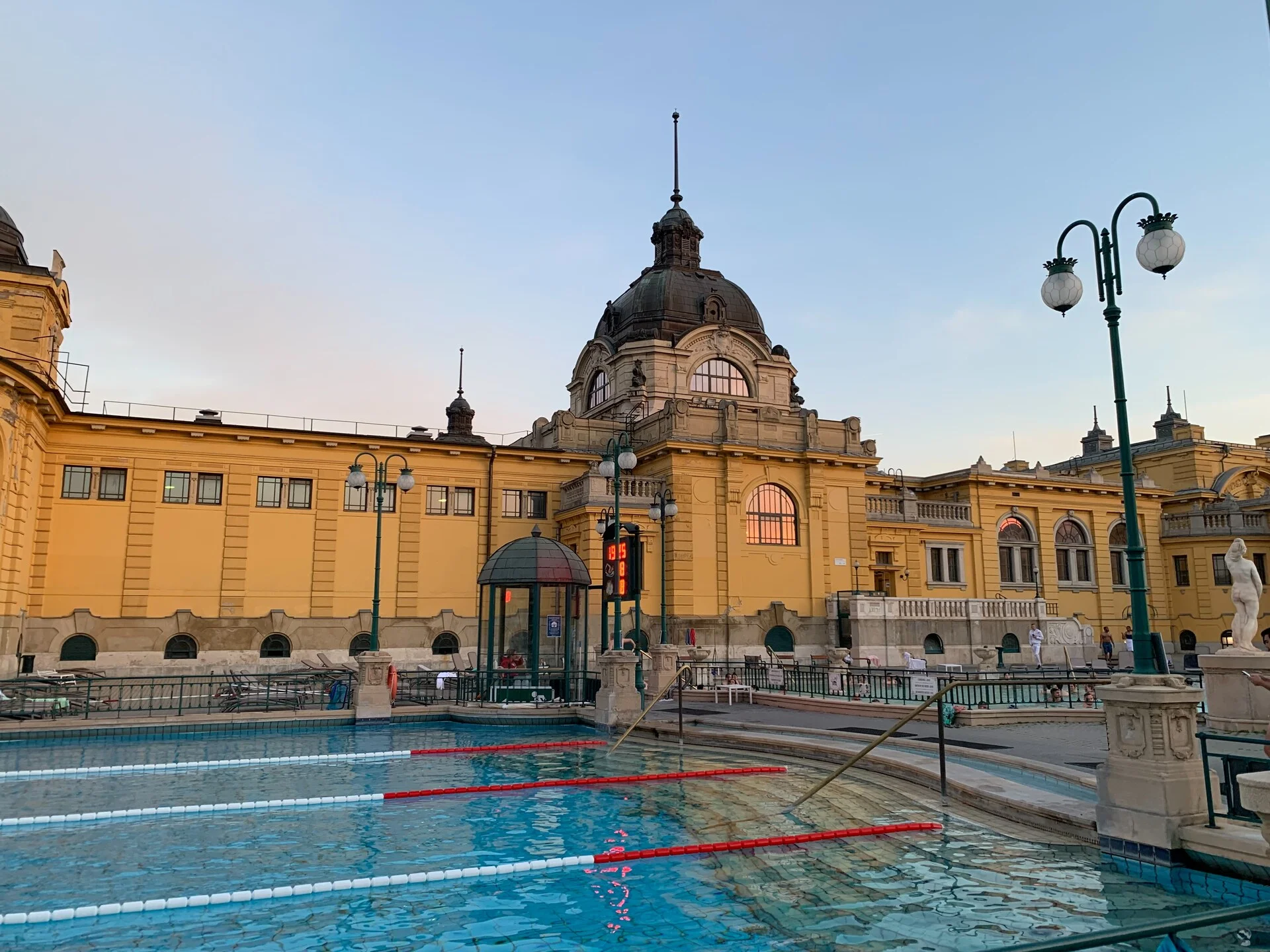
Széchenyi is the largest medicinal bath in Europe with 18 pools, including three iconic outdoor pools.
The Széchenyi Thermal Bath is the largest medicinal bath in Europe, with 18 pools (3 outdoor, 15 indoor) housed in a stunning yellow neo-baroque building in City Park. The outdoor pools are the iconic image of Budapest bathing: locals playing chess on floating boards while steam rises from the 38°C water, even in the middle of winter. Entry costs approximately 7,500 HUF (about €19) for a full day. We recommend booking Széchenyi Thermal Bath skip-the-line tickets to avoid the queues, which can be long on weekends and in summer.
The Gellért Thermal Bath is an Art Nouveau masterpiece at the foot of Gellért Hill. The interior is breathtaking, with mosaic tiles, marble columns, and a wave pool. The atmosphere is more intimate and elegant than Széchenyi, and entry costs around 9,000 HUF (€23). Book your Gellért Thermal Bath full-day entry ticket in advance, especially on weekends.
For something completely different, the Rudas Baths date from the Ottoman era (built in 1550) and still have the original octagonal pool under a domed ceiling pierced by star-shaped openings. The rooftop pool, added in a modern renovation, offers panoramic views over the Danube. Rudas has mixed-gender days Friday through Sunday, and offers nighttime bathing on weekends.
Practical tips: bring flip-flops and a towel (or rent them for a few hundred forints), weekday mornings before 10am are the least crowded, and 2 to 3 hours is the ideal visit length. Drink water throughout, as the hot water dehydrates you faster than you realize.
🏛️ Hungarian Parliament & the Danube Riverfront
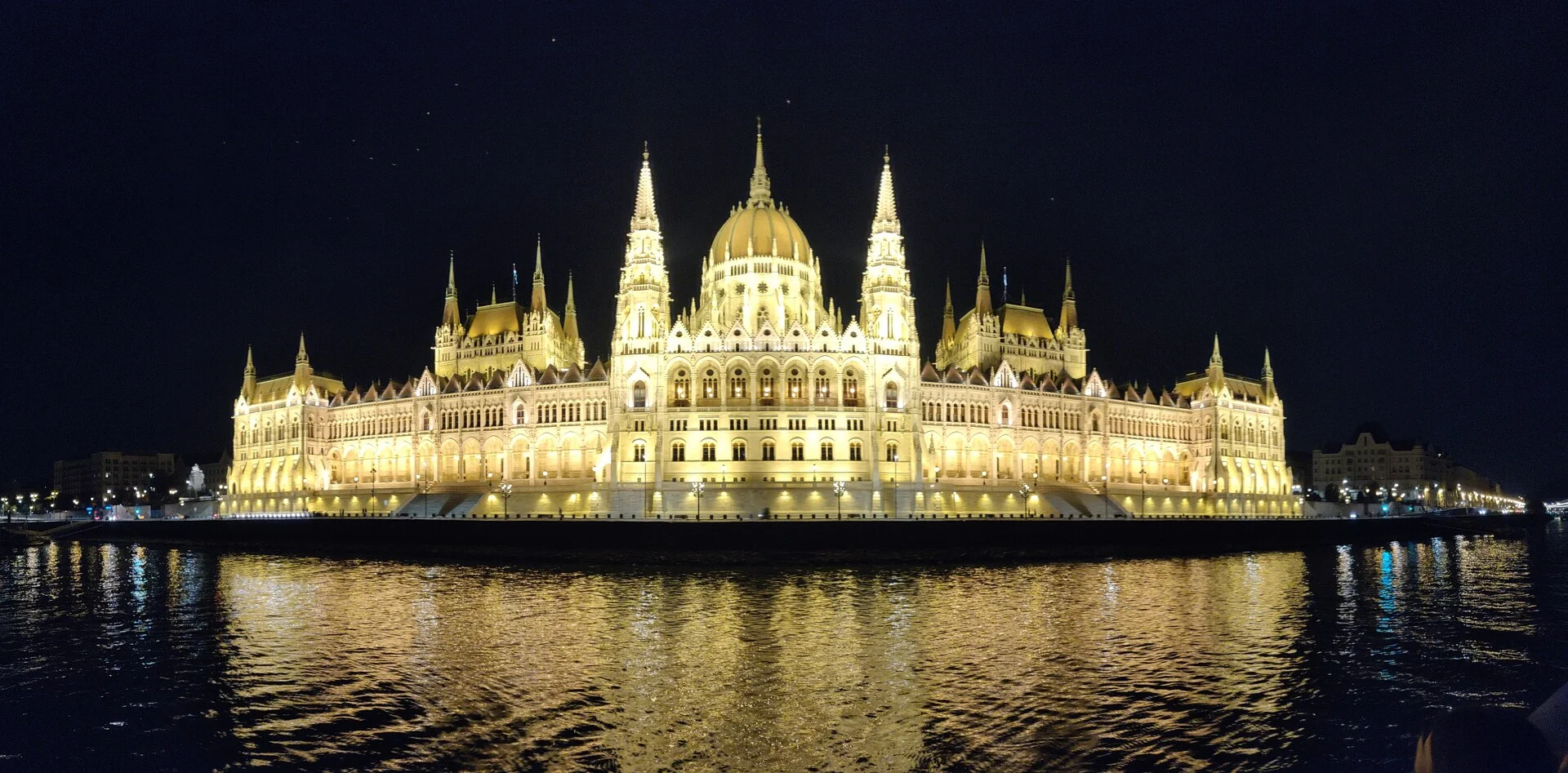
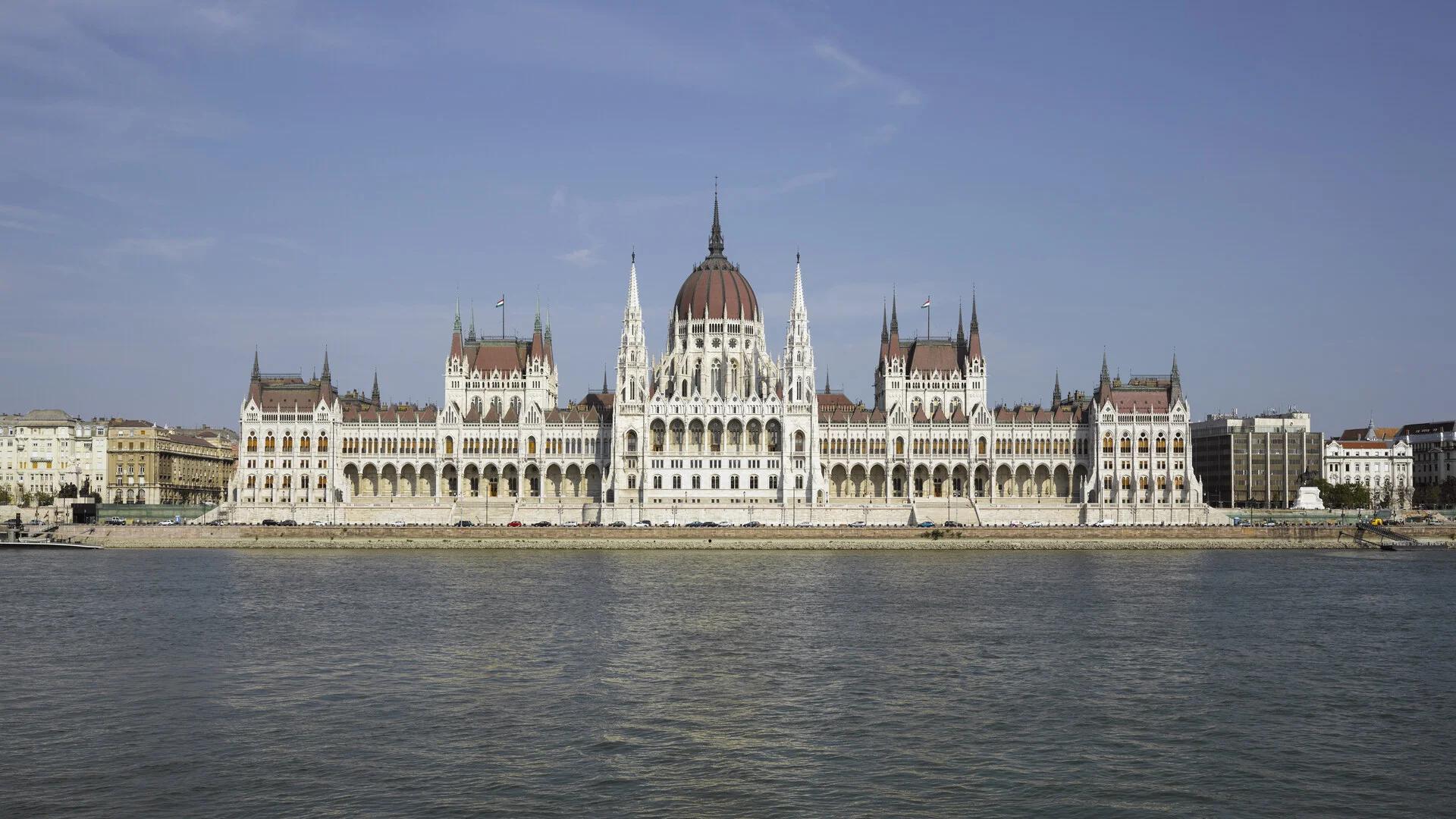
The Hungarian Parliament building is the third-largest parliament in the world, a Gothic Revival masterpiece completed in 1904 with 691 rooms and 40 kilograms of gold used in the interior decoration. It dominates the Pest riverfront and is, along with the thermal baths, the defining image of Budapest. Seeing it illuminated at night from across the Danube is one of those travel moments that genuinely takes your breath away.
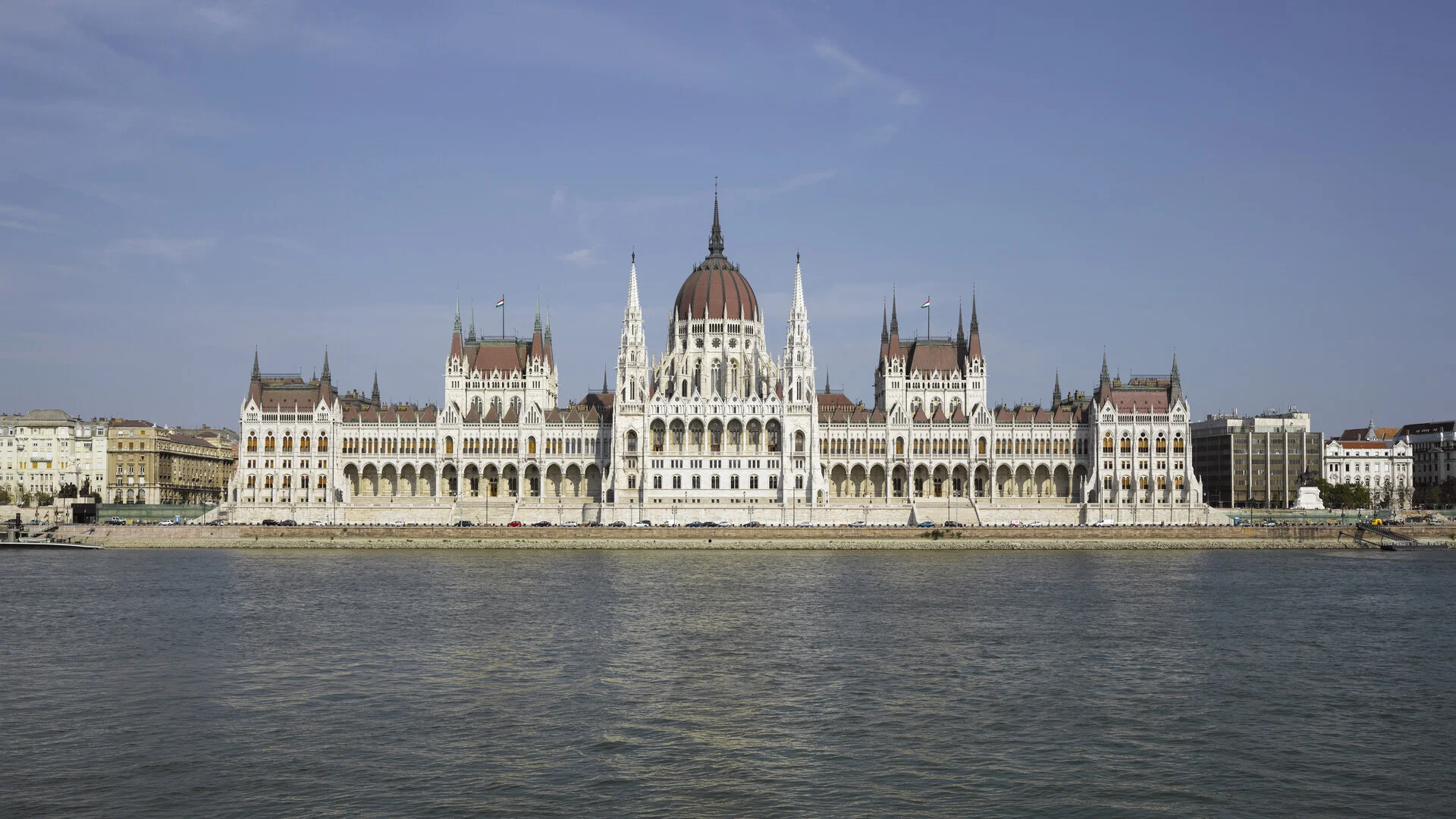
The Hungarian Parliament is the third-largest parliament building in the world, with 691 rooms and 40 kg of gold in the interior.
Guided tours run approximately 45 minutes and include the grand staircase, the hexagonal central hall beneath the 96-meter dome, and the Hungarian Crown Jewels (the Holy Crown of St. Stephen, over 1,000 years old). Tours cost approximately 6,000 HUF (€15) for EU citizens and 10,000 HUF (€26) for non-EU visitors. We highly recommend the Parliament tour with audio guide as they do sell out, especially in high season.
The Danube riverfront in Budapest is a UNESCO World Heritage Site, and walking along either bank is one of the best free things to do in the city. On the Pest side, do not miss the Shoes on the Danube Bank, a haunting Holocaust memorial of 60 iron shoes on the promenade, commemorating the Jews who were shot into the river in 1944-1945. It is one of the most powerful memorials we have ever encountered.
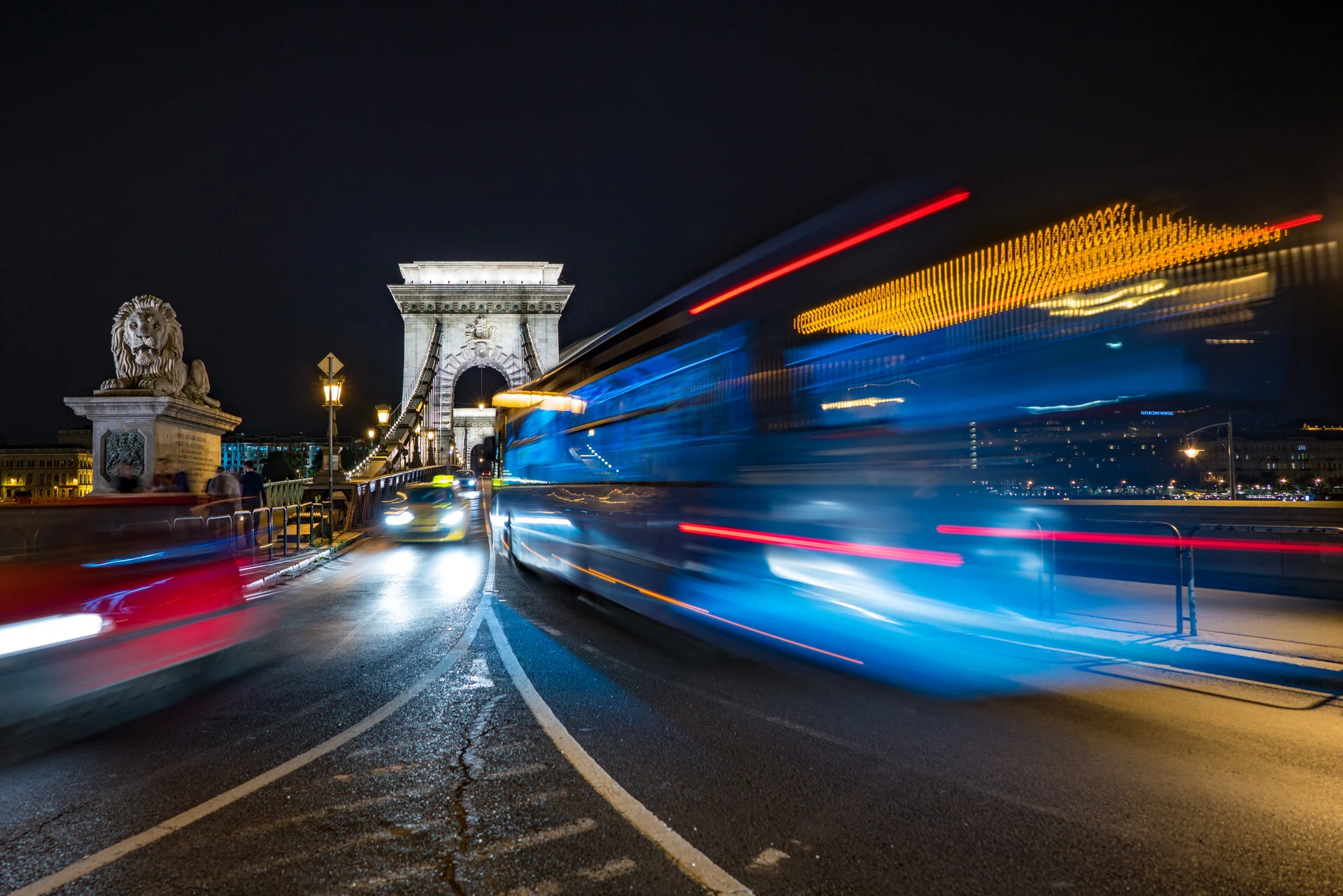
The Chain Bridge (Széchenyi Lánchíd), the iconic suspension bridge connecting Buda and Pest, was the first permanent bridge across the Danube in Hungary when it opened in 1849. Walking across at night, with Parliament glowing on one side and Buda Castle illuminated on the other, is magical. For the best Parliament photo, head to Batthyány Square on the Buda side.
Top-Rated Activities in Budapest
🏰 Buda Castle District & Fisherman's Bastion
The Buda Castle District is a UNESCO World Heritage Site perched on Castle Hill above the Danube. The castle itself, a former royal palace, now houses the Hungarian National Gallery and the Budapest History Museum. But the real draw is the neighborhood around it: cobblestone streets, colorful medieval houses, and two of Budapest's most iconic viewpoints.
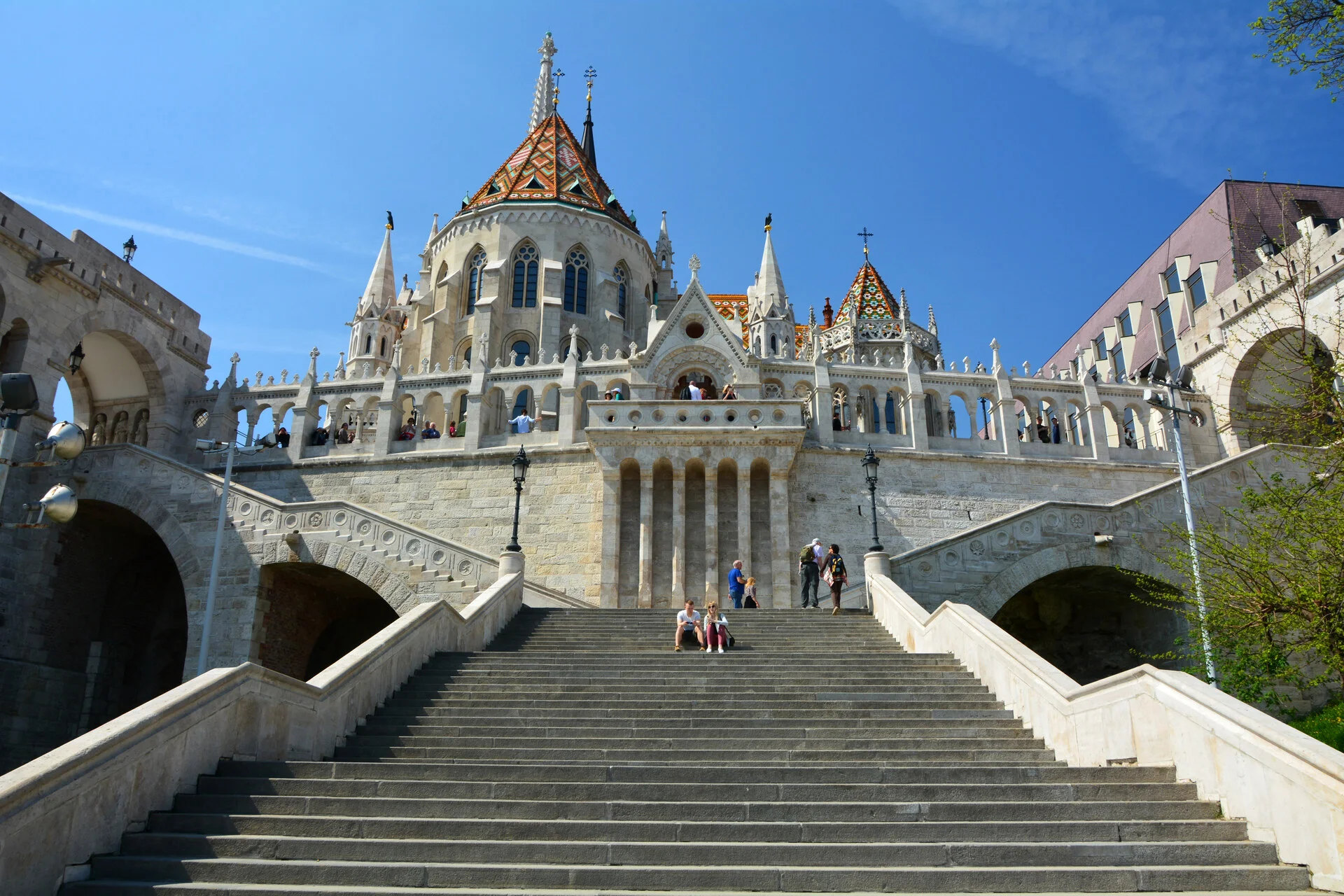
Fisherman's Bastion offers the best panoramic views in Budapest, looking directly across to Parliament.
Fisherman's Bastion (Halászbástya) is a neo-Romanesque terrace with seven fairytale-like turrets representing the seven Magyar tribes that founded Hungary. The views from here are the best in Budapest: a sweeping panorama of Parliament, the Danube, and all of Pest stretching to the horizon. The upper terrace charges a small fee (1,200 HUF / €3) during peak hours (March to October, 9am to 7pm), but the lower terrace is free and offers nearly identical views. We went at sunrise and had it almost entirely to ourselves.
Right next to Fisherman's Bastion, the Matthias Church (Mátyás-templom) is one of Budapest's most striking buildings. Its colorful Zsolnay ceramic roof tiles create a distinctive diamond pattern visible from across the river, and the Gothic interior is richly decorated with painted walls and stained glass. Hungarian kings were crowned here, including Emperor Franz Joseph I in 1867. A Buda Castle District walking tour covers the castle, Fisherman's Bastion, and Matthias Church with expert historical context.
Getting up to Castle Hill: you can walk up from the river (about 15 minutes from the Chain Bridge), take the Castle Hill Funicular (Budavári Sikló, fun but often crowded), or catch bus 16 from Deák Ferenc tér. We recommend walking up via the garden paths and taking the funicular down.
🍻 Ruin Bars & the Jewish Quarter
Budapest's ruin bars are the city's most original contribution to world nightlife. In the early 2000s, entrepreneurs began converting abandoned buildings, warehouses, and courtyards in the Jewish Quarter (District VII) into bars filled with mismatched furniture, street art, and a chaotic creative energy that has since become famous worldwide. No other city has anything quite like them.
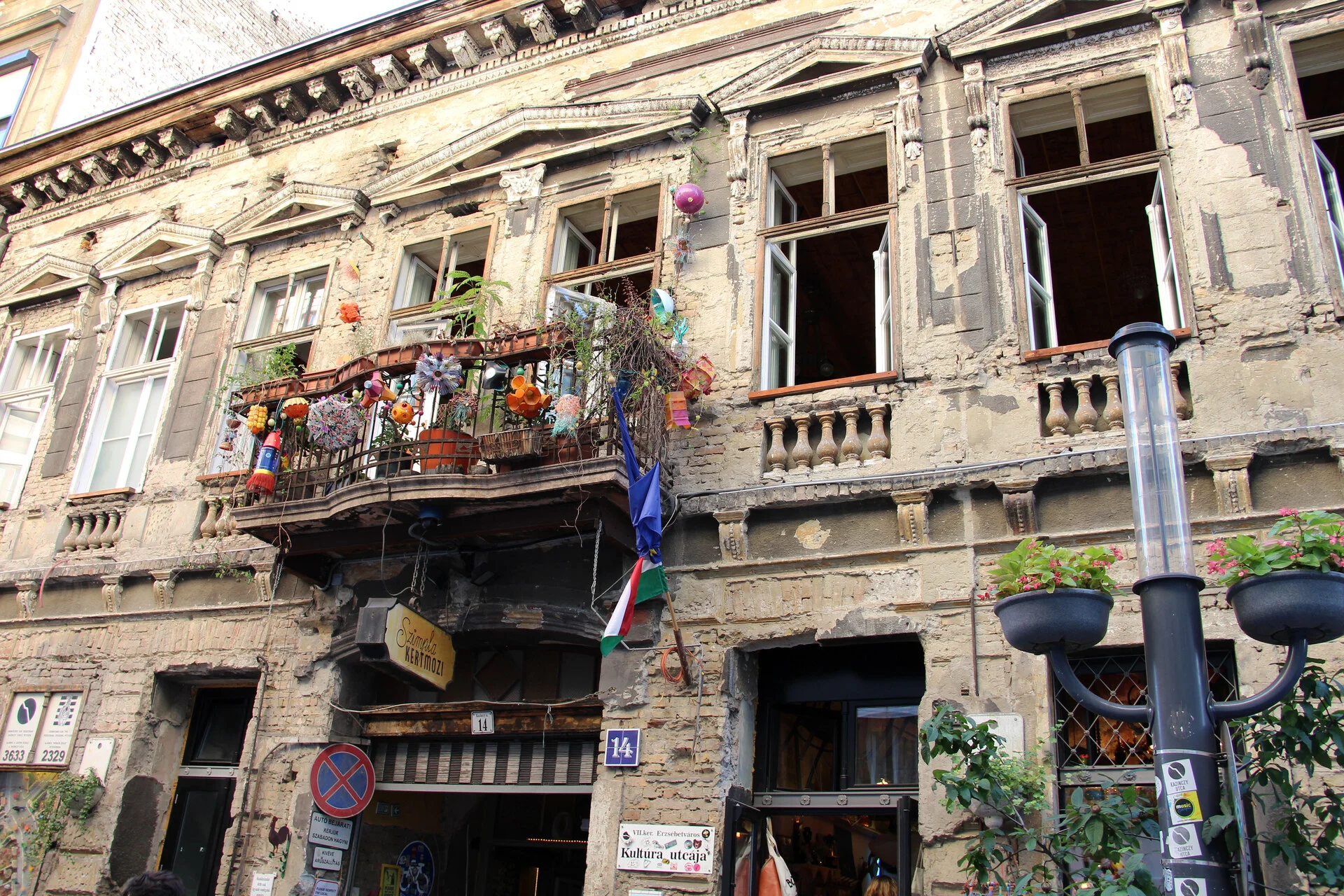
Szimpla Kert is the original Budapest ruin bar, a labyrinth of art, mismatched furniture, and multiple bars in a former factory.
Szimpla Kert is the original and most famous ruin bar (opened 2002 at Kazinczy utca 14). It is a labyrinth of rooms spread across multiple floors of a former factory, filled with bathtubs used as seating, a car cut in half and turned into a table, art installations on every wall, and several bars serving cheap drinks. On Sunday mornings it transforms into a farmers' market. Szimpla is open daily from 10am, but the real energy starts after 10pm on weekends.
Other excellent ruin bars include Instant (the largest, spanning a whole building), Mazel Tov (more restaurant than bar, with a stunning greenhouse interior and excellent Middle Eastern food), and Élesztő (focused on Hungarian craft beer with over 20 taps). A guided ruin bar pub crawl is the best way to discover bars beyond Szimpla, with a local guide who knows the doormen and the hidden spots.
The Jewish Quarter that surrounds the ruin bars is one of Budapest's most vibrant neighborhoods, with a rich and complex history. The Dohány Street Synagogue (the Great Synagogue) is the largest in Europe and the second-largest in the world, a magnificent Moorish Revival building that seats 3,000. The courtyard contains a Holocaust memorial tree and the Raoul Wallenberg Memorial Park. A Jewish heritage walking tour with synagogue entry provides essential historical context that you would miss visiting independently.
🍽️ Hungarian Food & the Great Market Hall
Hungarian cuisine is hearty, paprika-rich, and seriously underrated. The Great Market Hall (Nagyvásárcsarnok), Budapest's largest and oldest indoor market, is the best place to start. Built in 1897, the stunning neo-Gothic iron structure has a ground floor packed with fresh produce, meat, paprika, sausages, and local delicacies, while the upper floor serves traditional food at stalls with seating.
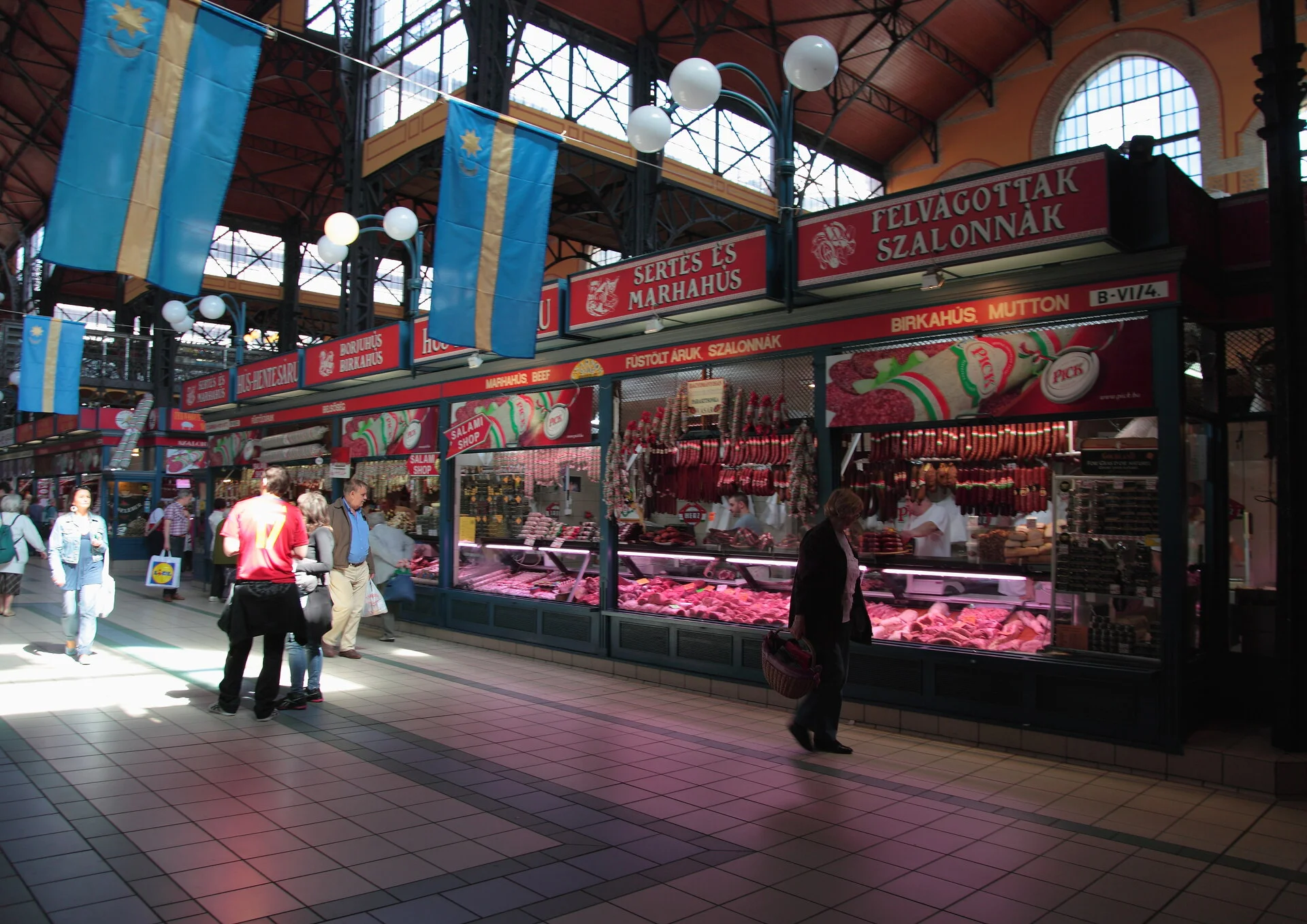
The Great Market Hall was built in 1897 and is Budapest's largest indoor market, with free entry Monday to Saturday.
The must-try Hungarian dishes are goulash (gulyás, a hearty beef and paprika soup that is Hungary's national dish), lángos (deep-fried flatbread topped with sour cream and cheese, best eaten fresh and hot at the market), chicken paprikash (csirke paprikás with nokedli egg dumplings), chimney cake (kürtőskalács, a spiral pastry coated in sugar and cinnamon), and töltött káposzta (stuffed cabbage rolls). Paprika is the defining spice of Hungarian cuisine, and you should buy bags of it at the market as souvenirs: sweet (édes), hot (erős), and smoked varieties.
A Great Market Hall food tour with lángos and local tastings is the best way to navigate the overwhelming number of stalls and taste the highlights with a local guide who explains the culture behind each dish.
For restaurants, Menza serves modern Hungarian classics in a retro-chic setting, Bors GasztroBar is a tiny gourmet soup bar (cash only, expect a queue, completely worth it), and Borkonyha is a Michelin-starred restaurant with a Hungarian wine list that will change your mind about Central European wine. Speaking of wine: Hungary produces excellent wines, especially Egri Bikavér (Bull's Blood, a rich red from Eger) and Tokaji Aszú (a legendary sweet wine). A Hungarian wine tasting class in Budapest is a perfect evening activity and a great way to discover wines you will not find outside Hungary.
Where to Stay in Budapest
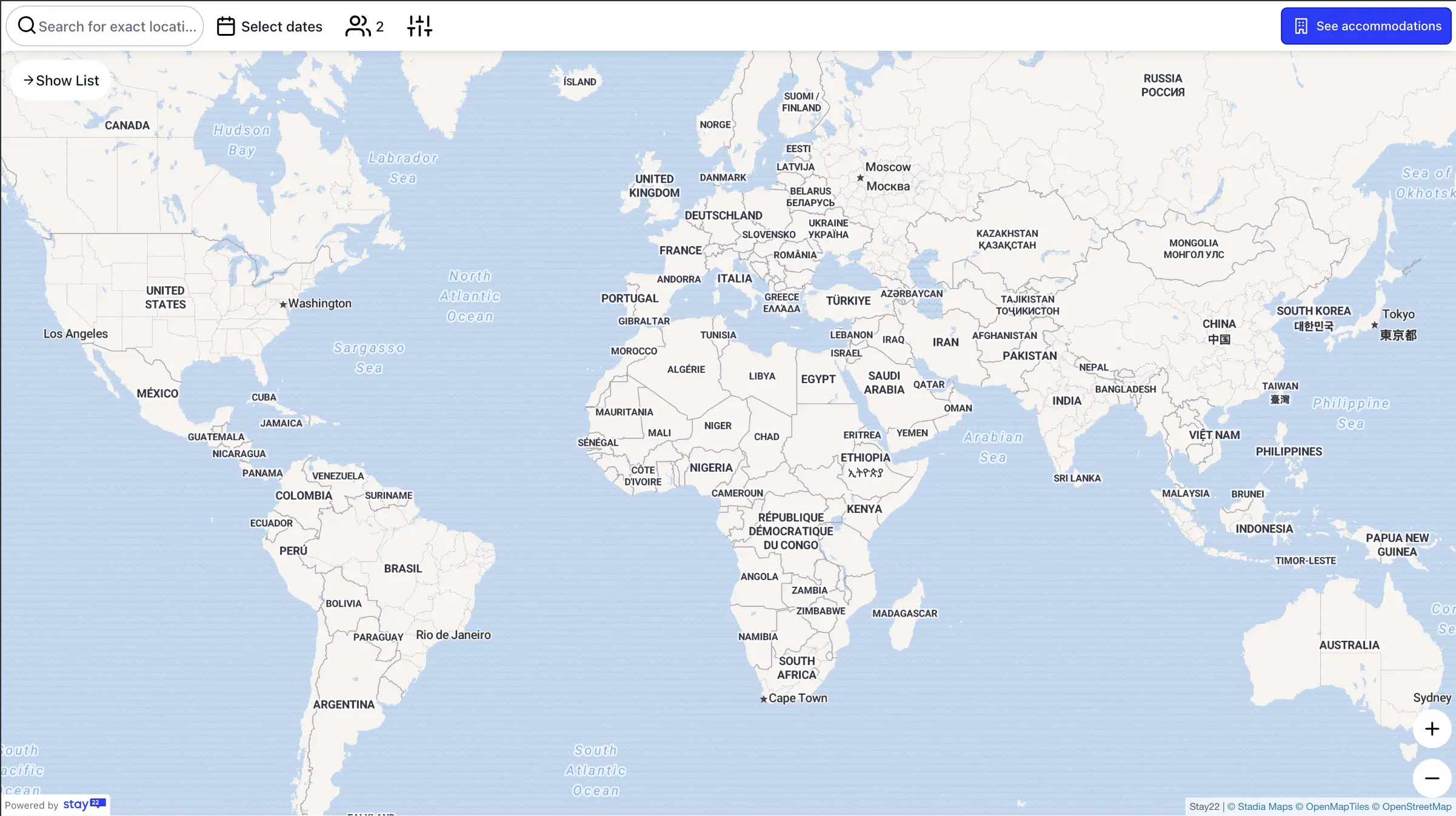
Book through this map and you help support our travels, at no extra cost to you. We earn a small commission, and it means a lot.
🚢 Danube River Cruises
A Danube cruise is the single best way to see Budapest's architectural highlights from both the Buda and Pest sides simultaneously. The entire Budapest Danube riverfront is a UNESCO World Heritage Site, and seeing Parliament, Buda Castle, the Chain Bridge, Fisherman's Bastion, and the Gellért Hotel all illuminated from the water is genuinely one of the most beautiful city views in Europe.
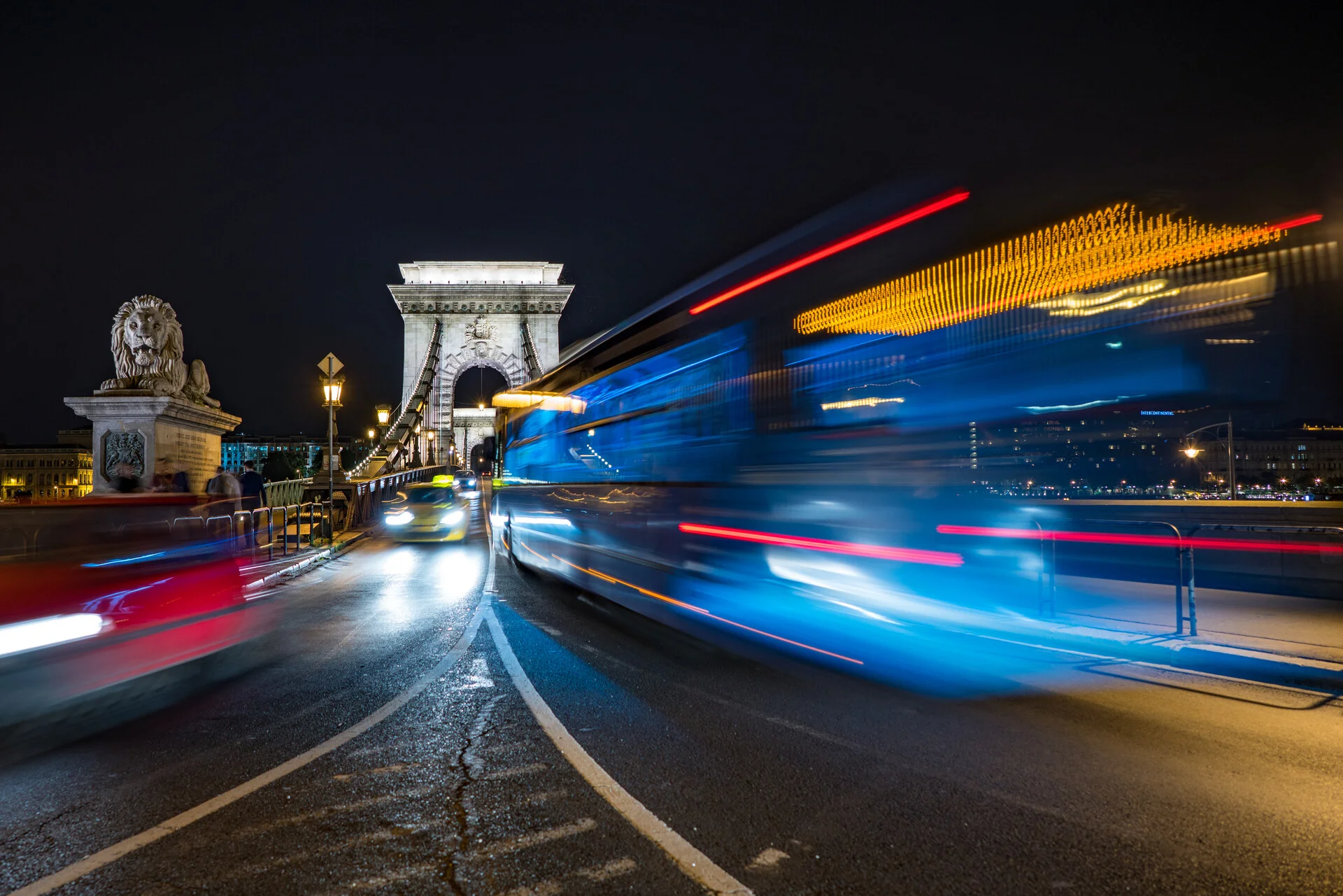
The Chain Bridge was the first permanent crossing of the Danube in Hungary, and is one of the most photographed landmarks in Budapest.
Options range from 1-hour sightseeing cruises (€15 to €20) to dinner cruises with live music (€60 to €80). A 1-hour evening sightseeing cruise with drink is our top recommendation: it offers the same illuminated views as the expensive dinner cruises at a fraction of the price, with a complimentary drink included. Book the latest departure time available for the best light.
If you want the full experience, the candlelit dinner cruise with live music and folk show is a special evening, with a multi-course Hungarian meal, live musicians, and traditional folk dance performances as the city glides by. We did the evening sightseeing cruise and it was the highlight of our time in Budapest.
For daytime sightseeing, a 1-hour daytime Danube sightseeing cruise gives you a different perspective on the architecture with clear views and good photo opportunities of both sides of the river.
🌄 Best Day Trips from Budapest
Budapest's surroundings offer some of Hungary's most rewarding experiences, from fairy-tale river bends to wine cellars carved into hillsides. Three day trips stand out.

The Danube Bend is the most scenic stretch of the river in Hungary, with medieval castles, basilicas, and charming artist towns.
Danube Bend (45 min to 1.5 hours from Budapest) is the most scenic stretch of the Danube in Hungary, where the river makes a dramatic turn between forested hills. Three towns make this a perfect day trip: Szentendre (a colorful artist town with galleries, cobblestone streets, and excellent marzipan), Visegrád (a medieval hilltop fortress with panoramic views over the bend), and Esztergom (home to Hungary's largest basilica and the seat of the country's Catholic Church). A Danube Bend full-day tour covering all three towns is the most efficient way to see everything with transport and a guide included.
Eger (2 hours from Budapest) is a beautiful baroque city famous for two things: its historic castle that resisted the Ottoman siege of 1552, and the Valley of the Beautiful Women (Szépasszony-völgy), a hillside lined with over 30 wine cellars where you can taste Egri Bikavér (Bull's Blood) and other local wines at incredibly low prices. A Eger day trip with wine tasting from Budapest combines the castle visit with cellar-hopping in the valley.
Szentendre on its own makes a perfect half-day trip if you do not have time for the full Danube Bend. It is just 45 minutes from Budapest by suburban train (HÉV), and the town's Serbian Orthodox churches, colorful baroque center, and art galleries can be explored in 3 to 4 hours. A Szentendre day trip with food tastings adds a culinary dimension with local specialties like lavender lemonade and Hungarian street food.
🎒 Practical Tips for Visiting Budapest
Best time to visit: March to May and September to November are ideal, with mild weather and manageable crowds. Summer (June to August) is hot (30 to 35°C) and crowded but the city is vibrant. Winter is cold but thermal baths are even more magical with steam rising from the outdoor pools, and the Christmas markets (November to December) are some of the best in Europe.
Getting around: Budapest has an excellent public transport system: 4 metro lines (the M1 is the second-oldest in continental Europe, opened in 1896), trams, and buses. A 24-hour travel card costs 2,500 HUF (€6.50), available at metro stations. Tram 2 along the Pest riverfront passes Parliament and is one of the most scenic public transport rides in Europe. Most central sights are also walkable.
| District | Best For | Vibe |
|---|---|---|
| V (Belváros) | Central location, walkable to everything | Tourist-friendly, premium prices |
| VII (Jewish Quarter) | Ruin bars, restaurants, nightlife | Vibrant, young, energetic |
| I (Buda Castle) | Views, quiet evenings, history | Residential, upscale, peaceful |
| VI (Andrássy Avenue) | Opera, elegant cafés, shopping | Sophisticated, well-connected |
Best neighborhoods to stay in Budapest
Best neighborhoods to stay in Budapest
Budget: Budapest is one of the most affordable capitals in Central Europe. Expect €80 to €120 per person per day for a mid-range trip covering accommodation (€60 to €100 for a 3-star hotel double room), food (€30 to €50 for meals and drinks), attractions (€20 to €40 per person), and transport (€6.50 for a 24-hour pass). A beer costs €2 to €3, a meal at a good restaurant €10 to €15, and a thermal bath entry €19 to €23. The Budapest Card (24h/48h/72h) includes free public transport, free entry to 30+ museums, and discounts on thermal baths and tours.
Currency: Hungarian Forint (HUF), not Euros. Cards are widely accepted, but carry some cash for markets and small vendors. ATMs (bankautomata) use favorable exchange rates. Avoid exchange offices that advertise "0% commission" as they often have terrible rates. Tipping: 10% at restaurants, but check if a service charge is already included on the bill. If you are continuing to Vienna, check out our guide on skip-the-line tickets across Europe for more planning tips.
Frequently Asked Questions About Budapest
How many days do you need in Budapest?
We recommend 3 to 4 days for a first visit to Budapest. That gives you time for two thermal bath visits (Széchenyi and Gellért or Rudas), a day exploring the Buda Castle District and Fisherman's Bastion, an evening Danube cruise, ruin bar exploration in the Jewish Quarter, and a food tour or visit to the Great Market Hall. With 5 days, add a day trip to the Danube Bend or Eger.
Are the Budapest thermal baths worth it?
Yes, the thermal baths are the single most unique and unmissable experience in Budapest. Széchenyi is the largest medicinal bath in Europe with 18 pools (entry around 7,500 HUF / €19) and is open year-round, including winter when steam rises from the outdoor pools. Gellért is an Art Nouveau masterpiece (entry around 9,000 HUF / €23). Even if you are not a spa person, the architecture and atmosphere are extraordinary.
Is Budapest safe for tourists?
Budapest is very safe for tourists and one of the safest capitals in Central Europe. Standard precautions apply: watch for pickpockets in crowded areas (metro, markets, ruin bars), avoid poorly lit streets late at night, and keep valuables secure. Taxis from the airport should only use Főtaxi or Bolt to avoid overcharging.
Is Budapest expensive?
Budapest is one of the most affordable capitals in Europe. A mid-range daily budget for a couple is approximately €160 to €240, covering accommodation (€60 to €100 for a 3-star hotel), food (€30 to €50 for meals and drinks), attractions (€20 to €40 per person), and transport (€6.50 for a 24-hour pass). Meals, drinks, and transport are significantly cheaper than Western European capitals like Paris, Amsterdam, or Vienna.
What is the best thermal bath in Budapest?
Széchenyi is the best overall for first-time visitors because of its size (18 pools), iconic outdoor pools, and accessibility. Gellért is the most beautiful architecturally with its Art Nouveau interior. Rudas is the best for a unique experience, with Ottoman-era architecture from 1550 and a rooftop pool overlooking the Danube. We recommend visiting at least two to compare.
What food should you try in Budapest?
The must-try foods in Budapest are goulash (gulyás, a hearty beef and paprika soup), lángos (deep-fried flatbread topped with sour cream and cheese), chicken paprikash (csirke paprikás with nokedli dumplings), chimney cake (kürtőskalács, a spiral pastry), and töltött káposzta (stuffed cabbage rolls). For drinks, try Egri Bikavér (Bull's Blood red wine from Eger) and pálinka (Hungarian fruit brandy).
How do you get from Budapest to Vienna?
The fastest way is by Railjet train, which takes approximately 2 hours and 40 minutes and costs €20 to €50 depending on when you book. Trains depart from Budapest Keleti station to Vienna Hauptbahnhof several times daily. Book early on mav-start.hu or oebb.at for the cheapest fares. FlixBus is a budget alternative at €10 to €20 but takes 3 to 3.5 hours.
Start Planning Your Budapest Trip
Budapest is one of those cities that completely exceeds expectations. The thermal baths alone are worth the trip. Add the Danube riverfront, the ruin bars, incredible food at half the price of Western Europe, and day trips to the wine cellars of Eger or the fairy-tale Danube Bend, and you have one of the best-value destinations on the continent. We left already planning our return.
Start planning by booking your Széchenyi Thermal Bath skip-the-line tickets and an evening Danube cruise on GetYourGuide. These two experiences are the essentials, and booking ahead guarantees you skip the queues at the baths and get a good spot on the boat for sunset. Add a ruin bar crawl, a food tour at the Great Market Hall, and a morning at Fisherman's Bastion, and you will understand why Budapest is climbing every "best cities in Europe" list.
If you are continuing through Central Europe, do not miss our guides to the best things to do in Vienna and the best things to do in Amsterdam.