
Prague Itinerary: 10 Perfect Days + Day Trips (2026)
This article contains affiliate links. If you make a purchase through these links, we may earn a small commission at no extra cost to you. This helps us keep creating free content for you!
Prague packs more architecture per square kilometer than almost any other European capital, and once you start digging, ten days barely scratches the surface. A weekend gives you the postcard checklist: Old Town Square, Charles Bridge, the Castle. Ten days lets you do all of that without rushing, plus the things that actually make Prague Prague: a slow afternoon in Vyšehrad, a chamber concert in a baroque church, a half-day in the Jewish Quarter that does justice to the weight of the place, and four genuinely incredible day trips that almost no first-timer fits in.
We spent ten days in Prague and the surrounding region, and this guide is the itinerary we wish we'd had walking in. It's structured as five days in the city and five days exploring outward, with explicit GetYourGuide tours and skip-the-line tickets at every step where they'll save you time. If ten days feels like too much, we've flagged which days you can drop without breaking the structure.
For more on the city itself, see our complete guide to the best things to do in Prague. For day-trip details, our best day trips from Prague guide covers each excursion in depth.
10 Days in Prague: Itinerary at a Glance
| Day | Focus | Travel | Highlight |
|---|---|---|---|
| 1 | Old Town orientation | In Prague | Astronomical Clock + Old Town Hall sunset |
| 2 | Charles Bridge + Lesser Town | In Prague | Charles Bridge at sunrise |
| 3 | Prague Castle complex | In Prague | St. Vitus Cathedral + Golden Lane |
| 4 | Jewish Quarter (Josefov) | In Prague | Spanish Synagogue + Old Cemetery |
| 5 | Vyšehrad + modern Prague | In Prague | Vltava sunset cruise |
| 6 | Český Krumlov | 3 hr each way | Castle + raft trip |
| 7 | Kutná Hora | 1 hr each way | Bone Church + St. Barbara |
| 8 | Free day or beer day | In Prague | Beer spa or jazz cruise |
| 9 | Karlovy Vary | 2.25 hr each way | Mill Colonnade + Becherovka |
| 10 | Final day + departure | In Prague | U Fleků brewery + souvenirs |
10-day Prague itinerary at a glance
10-day Prague itinerary at a glance
Best season: April to June and September to October are ideal. May and June give you long daylight, fewer crowds than August, and outdoor terrace weather. December is magical for Christmas markets but cold. Avoid late July and August if you can: peak crowds, peak prices, peak heat.
🏛️ Day 1: Old Town Square + Astronomical Clock + Welcome Beer
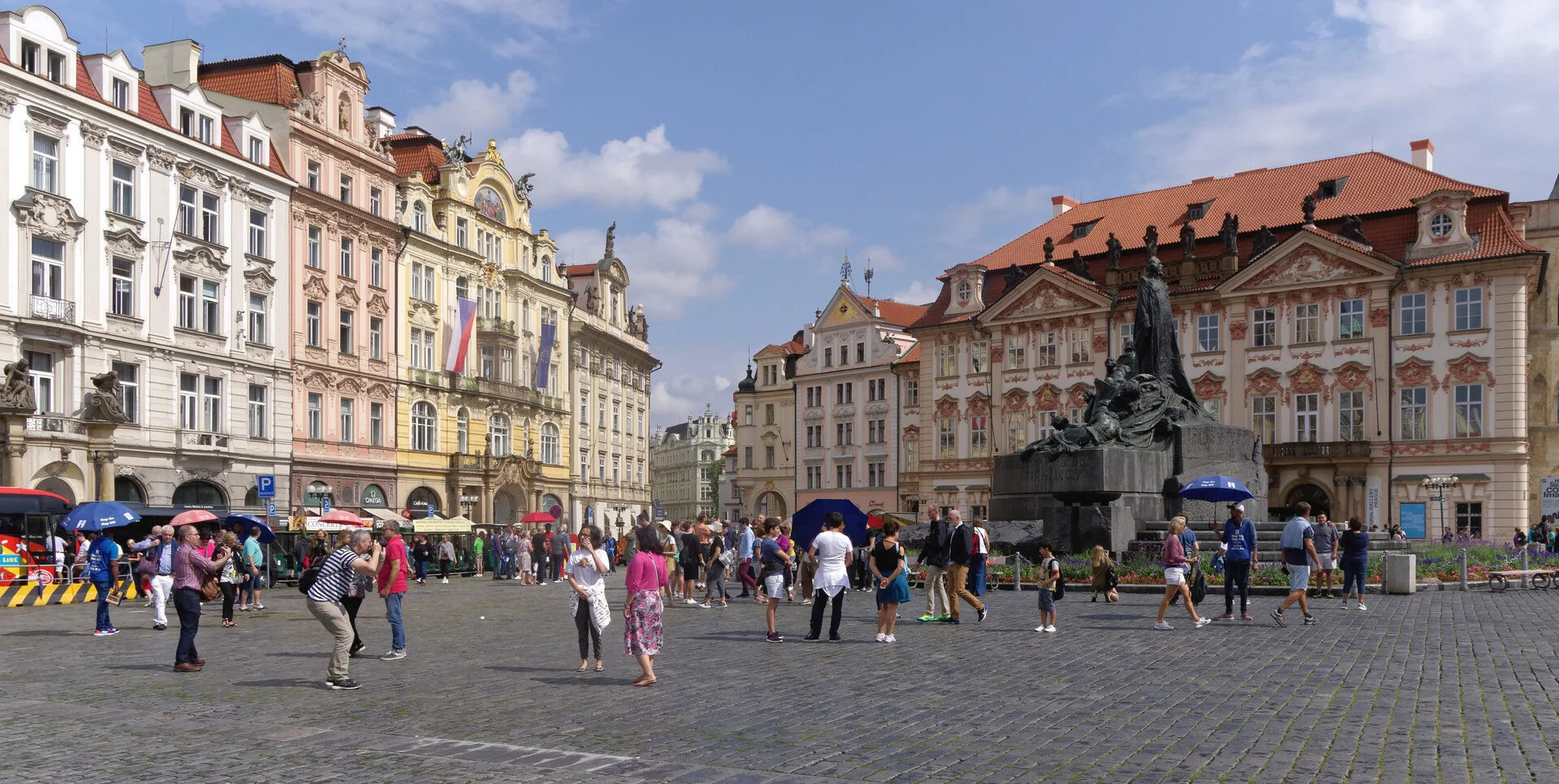
Old Town Square at sunset with the Týn Church spires
Most international flights into Václav Havel Airport land in the morning or early afternoon, which gives you a half-day to settle in. The cheapest airport transfer is the Airport Express bus (AE) to Prague's main train station for 100 CZK (about 4 USD). For door-to-door comfort after a long flight, a pre-booked private transfer is around 25 to 35 EUR.
- 🛬 Book a private Prague airport transfer for stress-free arrival
- 🏨 Drop bags at your Old Town hotel (we recommend staying in Old Town for a 10-day trip; see our where to stay section)
Once you've showered off the flight, head straight to Old Town Square. The famous Astronomical Clock chimes on the hour every hour from 9am to 11pm, with a 45-second mechanical procession of the Twelve Apostles in the upper windows. Get there 5 minutes before the hour to claim a spot. Then climb the Old Town Hall Tower for the best sunset view of the square below: terracotta rooftops, Týn Church spires, and Prague Castle on the horizon.
- 🕰️ Old Town Hall + Astronomical Clock skip-the-line ticket
- 🍺 End the day with an evening beer + tapas walking tour through Old Town's hidden pubs
For dinner, U Medvídků is one of the oldest beer halls in Prague (founded 1466) and serves their own X-Beer 33, a nutty unfiltered lager that's hard to find elsewhere. Mlejnice is the other classic Old Town option: Czech home cooking, no English menu shouting, no tourist markup.
🌉 Day 2: Charles Bridge at Sunrise + Lesser Town Walk
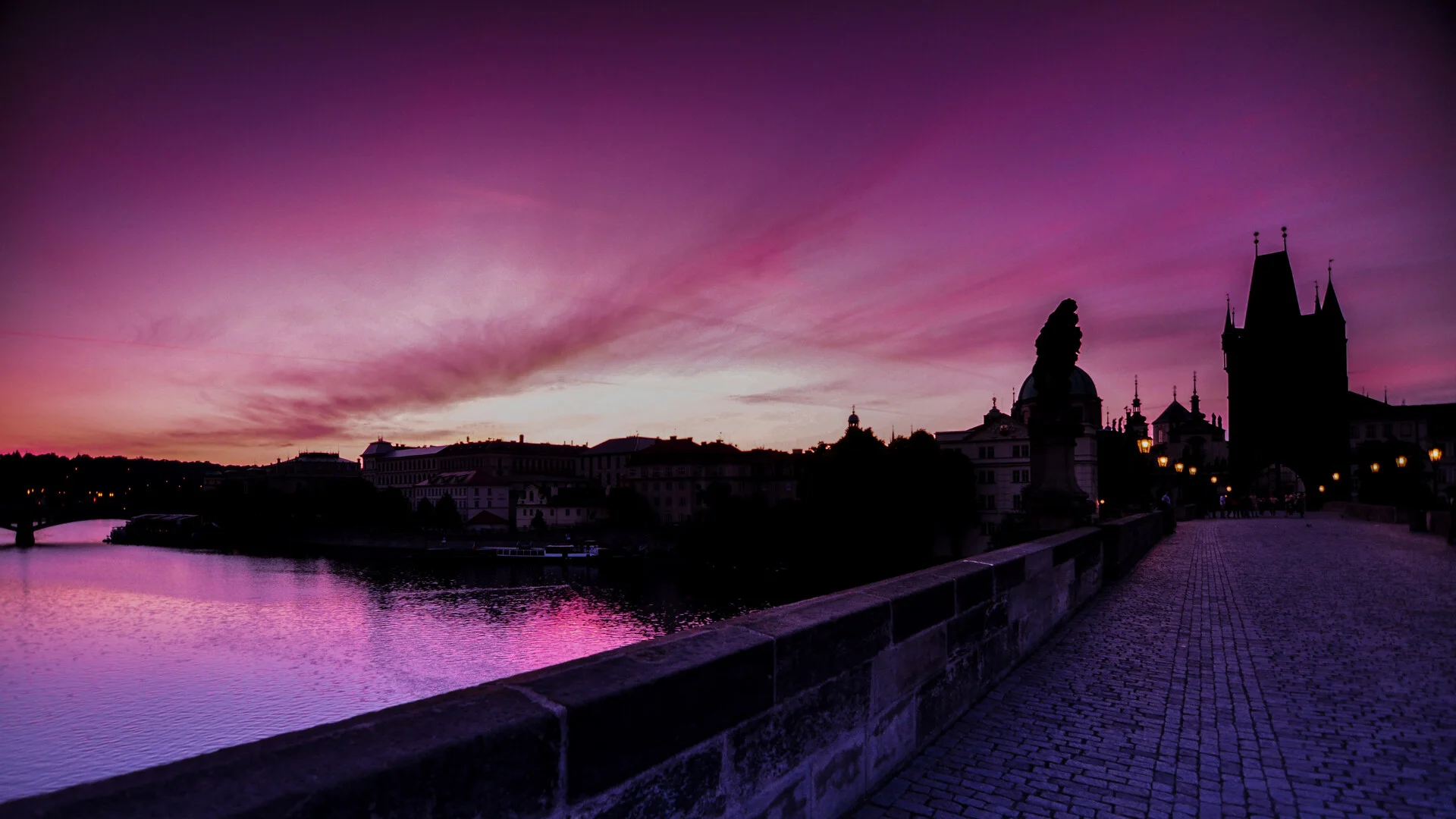
Charles Bridge at sunrise with Prague Castle in the distance
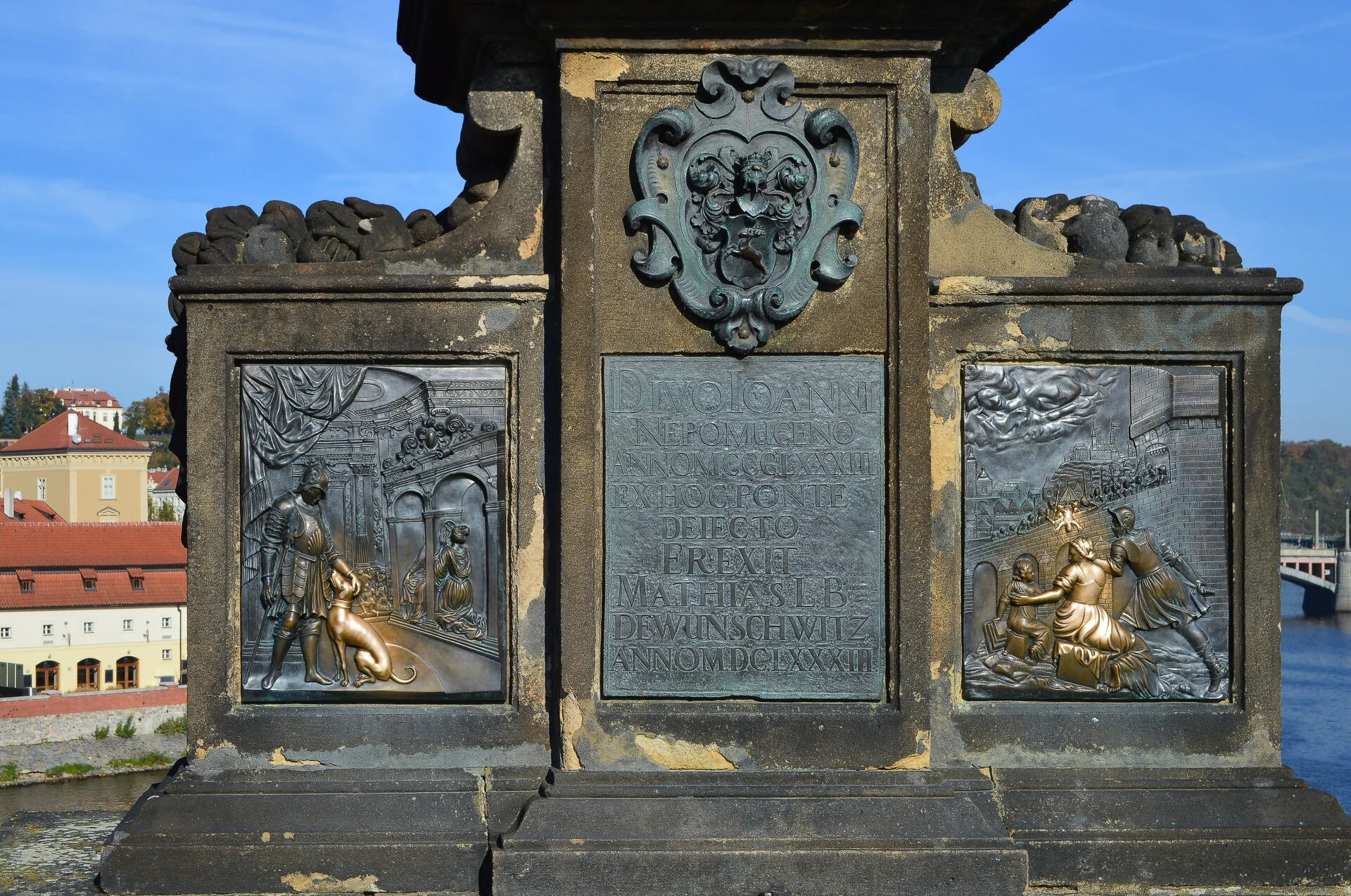
Set an alarm. Charles Bridge at sunrise is one of the things that ruins other European city breaks for you: zero crowds, golden light raking across the 30 baroque statues, the Vltava reflecting Prague Castle on the far bank. By 9am the bridge is shoulder-to-shoulder. By 6:30am it's empty.
Walk slowly across to the Lesser Town side and climb the Lesser Town Bridge Tower (open from 10am, but you'll want breakfast first anyway). From there, wander through Malá Strana's twisting cobblestone lanes to the Lennon Wall, a constantly-repainted graffiti shrine that started in 1980 as a protest against the communist regime.
- 🌉 Join a Charles Bridge + Lesser Town guided walking tour if you want context on the statues
- 👣 Wander Kampa Island for the David Černý Babies sculptures and the Vltava view back at the bridge
- 🍰 Lunch at Café Savoy: belle époque interior, perfect Czech veal schnitzel, take a window table
For the afternoon, take the Petřín funicular up to the wooded hill above Lesser Town. The Petřín Tower is a 60-meter steel mini-Eiffel built for the 1891 Jubilee Exhibition. The view from the top is the cleanest 360-degree panorama of the city you'll get.
- 🗼 Petřín Tower + funicular combo ticket
- 🪞 Bring kids? The Mirror Maze next door is unironically delightful
Walk down through the Strahov Monastery vineyards as the sun sets. Dinner at U Modré Kachničky (the Blue Duckling) for game and traditional Bohemian dishes if you want something special. Otherwise, head back to Lesser Town for dinner at Lokál U Bílé Kuželky and an early night.
Top-Rated Activities in Prague
🏰 Day 3: Prague Castle + St. Vitus Cathedral + Golden Lane
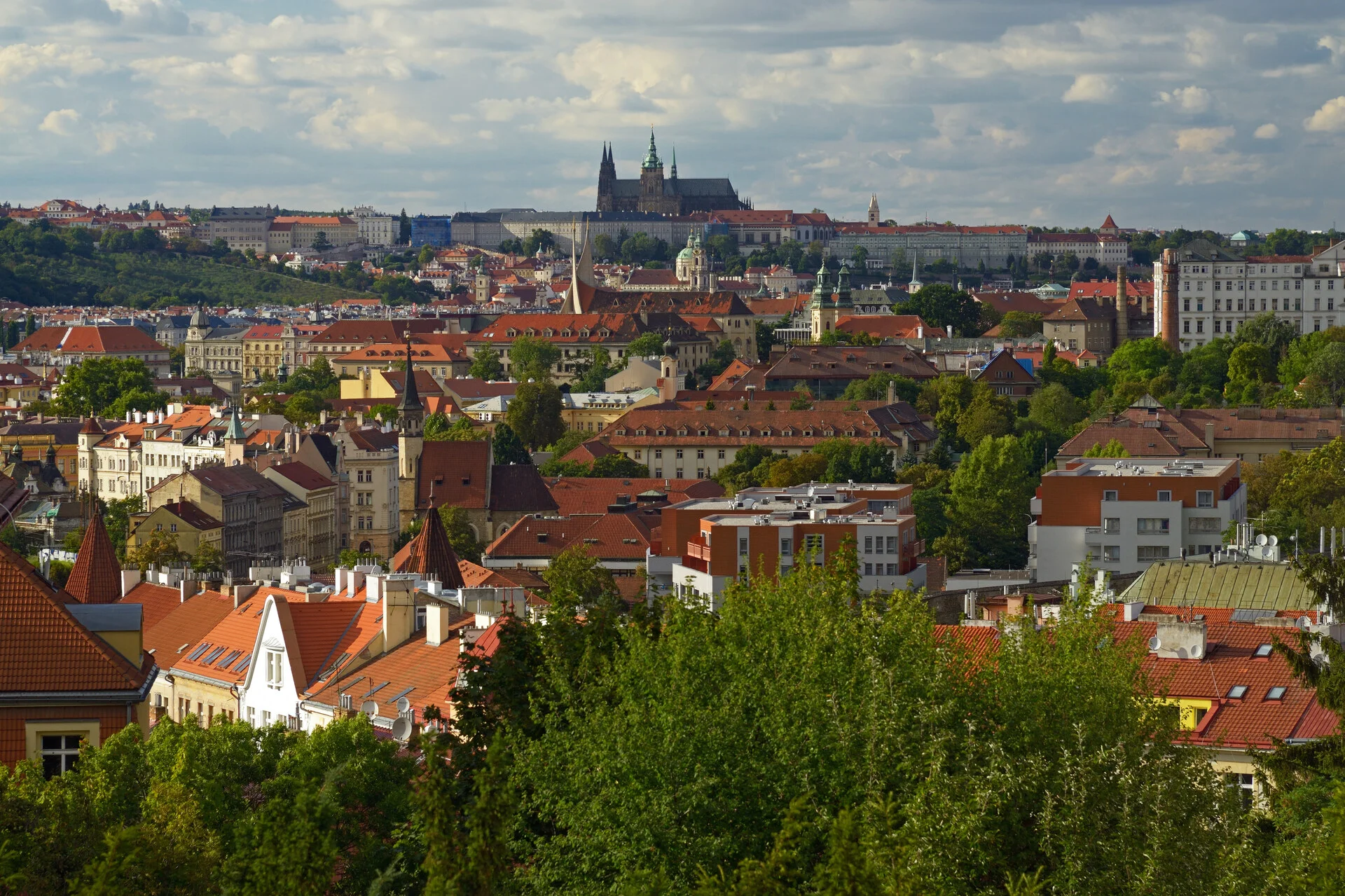
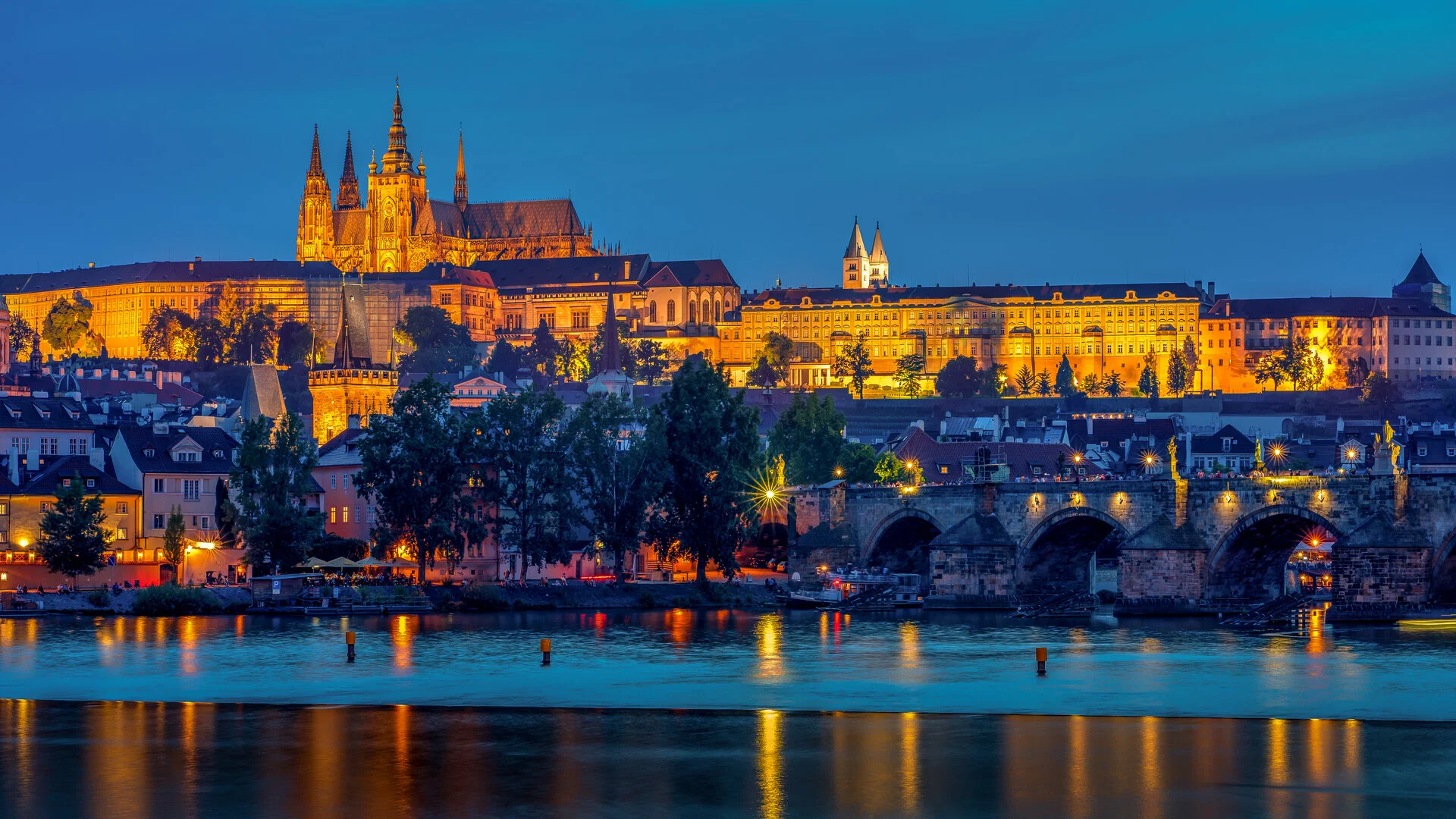
Prague Castle complex with St. Vitus Cathedral
Prague Castle is the largest ancient castle complex in the world (Guinness-confirmed) and you need a full day to do it justice. Plan to arrive at 9am when it opens. The single biggest practical decision is which ticket to buy:
- Circuit B (250 CZK): St. Vitus Cathedral + Old Royal Palace + Golden Lane + St. George's Basilica. This is the right choice for most visitors.
- Circuit A (450 CZK): Adds the Story of Prague Castle exhibition. Worth it if you have a deeper history interest.
- Skip-the-line + guided tour: our recommendation in summer when the cathedral entrance line wraps the courtyard.
- 🎟️ Prague Castle skip-the-line ticket
- 👥 Prague Castle small-group guided tour (highly recommended for context)
- 🏛️ Combined Castle + Old Town walking tour
Inside the complex, prioritize in this order: St. Vitus Cathedral (the south tower climb is 287 steps but the view is worth it), Old Royal Palace (Vladislav Hall is the largest medieval secular hall in Europe, big enough for jousting tournaments, and they actually held them here), St. George's Basilica (Romanesque, 920 AD, the oldest preserved church in the complex), and Golden Lane, the row of tiny colorful houses where Franz Kafka lived and wrote in 1916.
For lunch, the Lobkowicz Palace café sits inside the castle complex with one of the best terrace views in Prague. The Lobkowicz family's collection (Brueghel, Velázquez, Beethoven manuscripts) is also worth the separate ticket if you have art interest.
Late afternoon, walk down to the Strahov Monastery for the Theological and Philosophical Halls (two of the most photographed baroque libraries in the world) and end at Strahov Brewery for a glass of their amber lager. Dinner at Villa Richter (vineyard restaurant on the castle hillside) for one last sunset view over the city.
🕯️ Day 4: Jewish Quarter (Josefov) Deep Dive
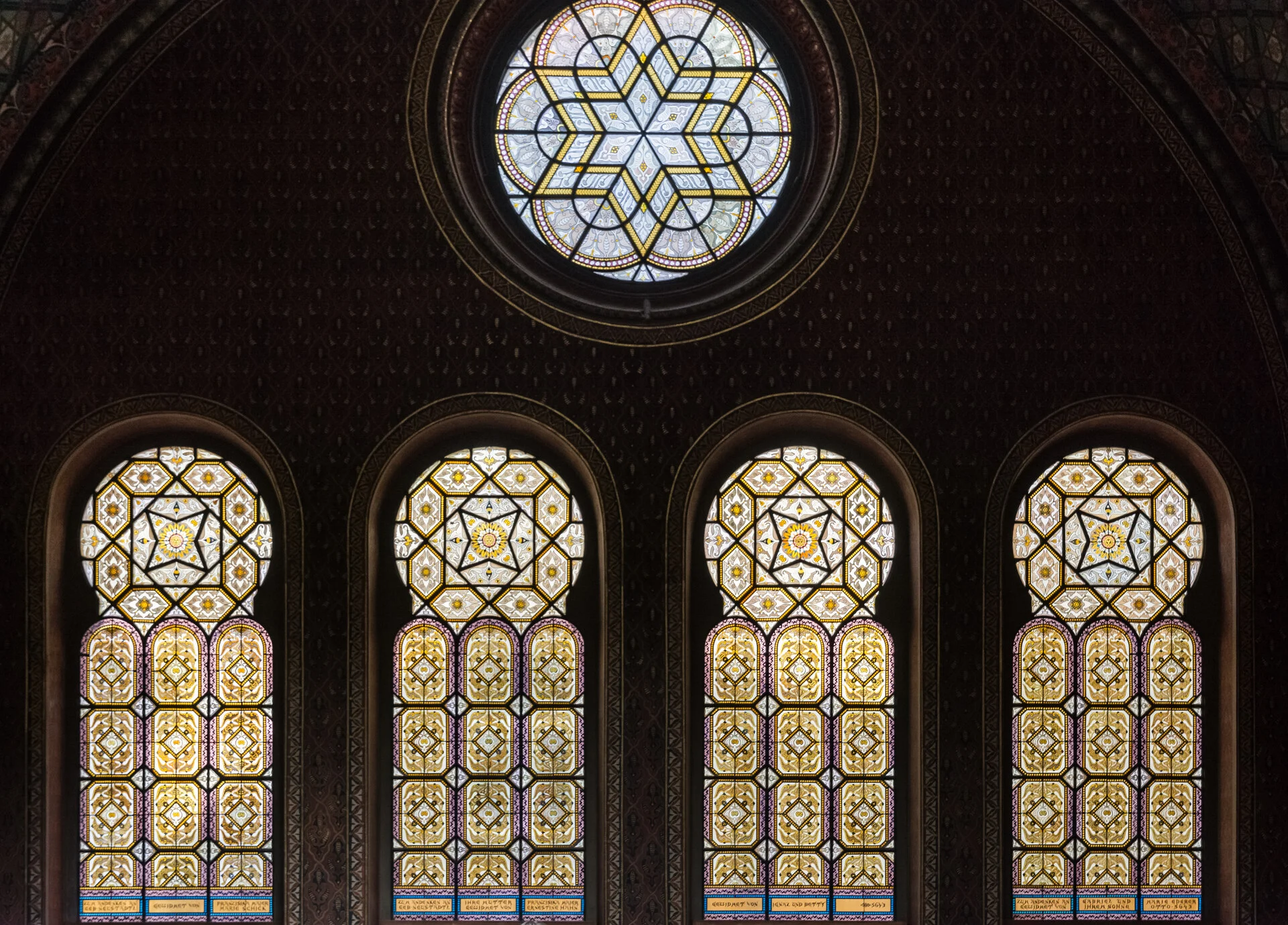
Old Jewish Cemetery in Prague's Josefov district
Most visitors give Josefov a quick hour. Give it a full day. The Jewish Quarter is one of the most historically dense square kilometers in Europe, and the weight of what happened here (and what was preserved despite it) deserves real attention.
The combined ticket covers six monuments. Walk them in this order to build emotionally rather than start at the heaviest:
- Maisel Synagogue: Renaissance interior, museum exhibitions on Jewish life in Bohemia from the 10th to 18th centuries
- Spanish Synagogue: Moorish revival, the most beautiful interior in the quarter (some say in Europe). Gilded everything.
- Klausen Synagogue: exhibitions on Jewish customs and traditions
- Old Jewish Cemetery: 12,000 visible tombstones layered up to 12 deep due to space restrictions, some dating to 1439
- Pinkas Synagogue: the Holocaust memorial. Around 80,000 names of Czech Jews killed in the Shoah are handwritten on the walls. There is no signage telling you to be quiet because nobody needs it.
- Old-New Synagogue: Europe's oldest active synagogue (1270), separate ticket but worth it
- 🎟️ Jewish Quarter combined ticket (covers the 6 main sites + cemetery)
- 👥 Jewish Quarter + Old Town guided walking tour (2 hours, gives essential context)
For lunch, Dinitz Kosher Restaurant is the most established kosher option in the quarter. After your visit, the rest of the afternoon is good for free time, a Kafka walking tour, or quiet cafés in the Old Town. Dinner at Lokál Dlouhááá for classic Czech: svíčková (marinated beef with cream sauce and bread dumplings), pork knuckle, draft Pilsner Urquell tank-fresh.
🌳 Day 5: Vyšehrad + Modern Prague + Náplavka River
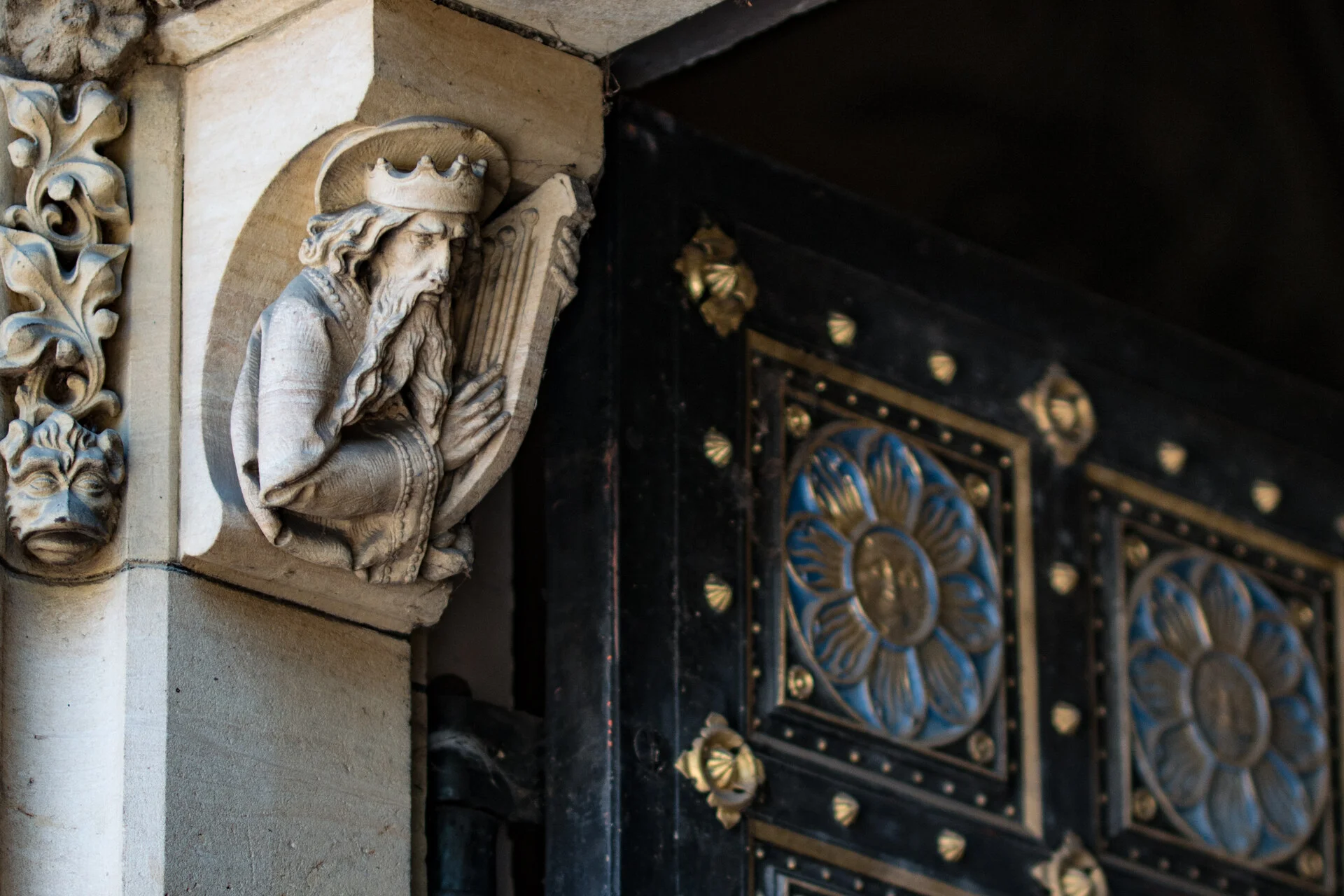
Vyšehrad fortress and the Basilica of St. Peter and Paul
Today is the day locals would tell you not to skip. Vyšehrad is the second castle, perched on a high cliff above the Vltava south of the center, and almost no first-time tourist makes it here. That's the appeal.
Take the metro to Vyšehrad station (red C line, 8 minutes from Old Town) and walk into the fortress complex. The Basilica of St. Peter and Paul is the visual headline: twin neo-Gothic spires, brilliant Art Nouveau interior. The Vyšehrad Cemetery next door is the resting place of Antonín Dvořák, Bedřich Smetana, and Alphonse Mucha. Walk the fortress walls for the best skyline view of Prague you'll get without paying.
Walk back toward the center via the Vinohrady neighborhood for lunch. Vinohrady is where Prague's young professionals live, and the café and brunch scene is excellent. Cafe Lounge, Coffee Source, and Loving Hut (vegan) are all solid.
The afternoon is for modern Prague: the Dancing House by Frank Gehry, Wenceslas Square for the National Museum (free entry to the historic building, separate tickets for exhibitions), and a long walk along Náplavka, the Vltava river embankment. If it's a Saturday, the Náplavka farmers market (8am to 2pm) is one of Prague's best food experiences.
- 🚢 Vltava river dinner cruise with live music for a magical sunset
- 🍺 Czech beer tasting tour with brewery visits
- 📸 Prague at night photography tour
End the day on a sunset Vltava cruise. The whole skyline lit up from the river, glass of Czech wine, ninety minutes that punctuate the city portion of your trip perfectly.
Where to Stay in Prague
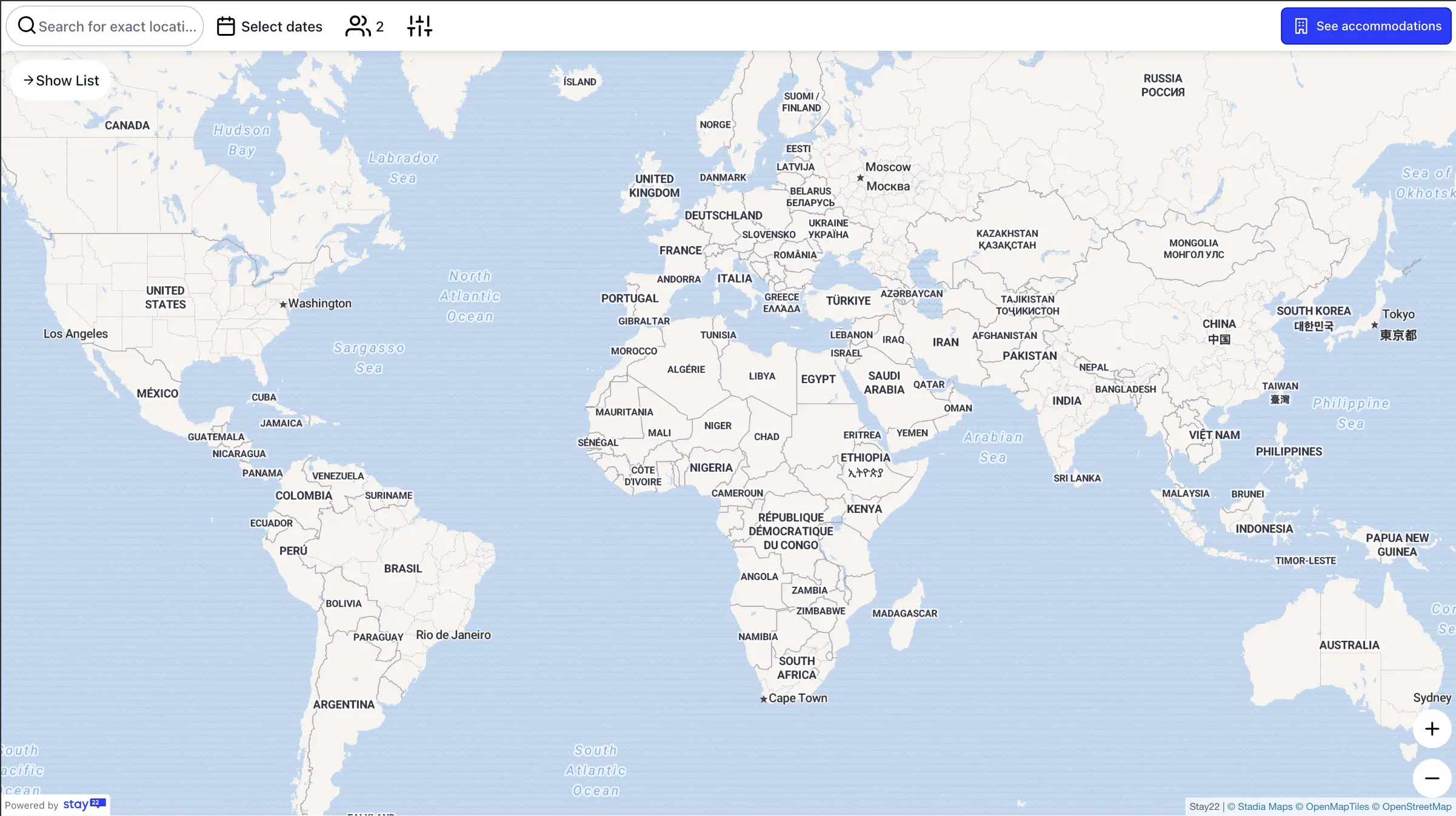
Book through this map and you help support our travels, at no extra cost to you. We earn a small commission, and it means a lot.
🏰 Day 6: Day Trip to Český Krumlov
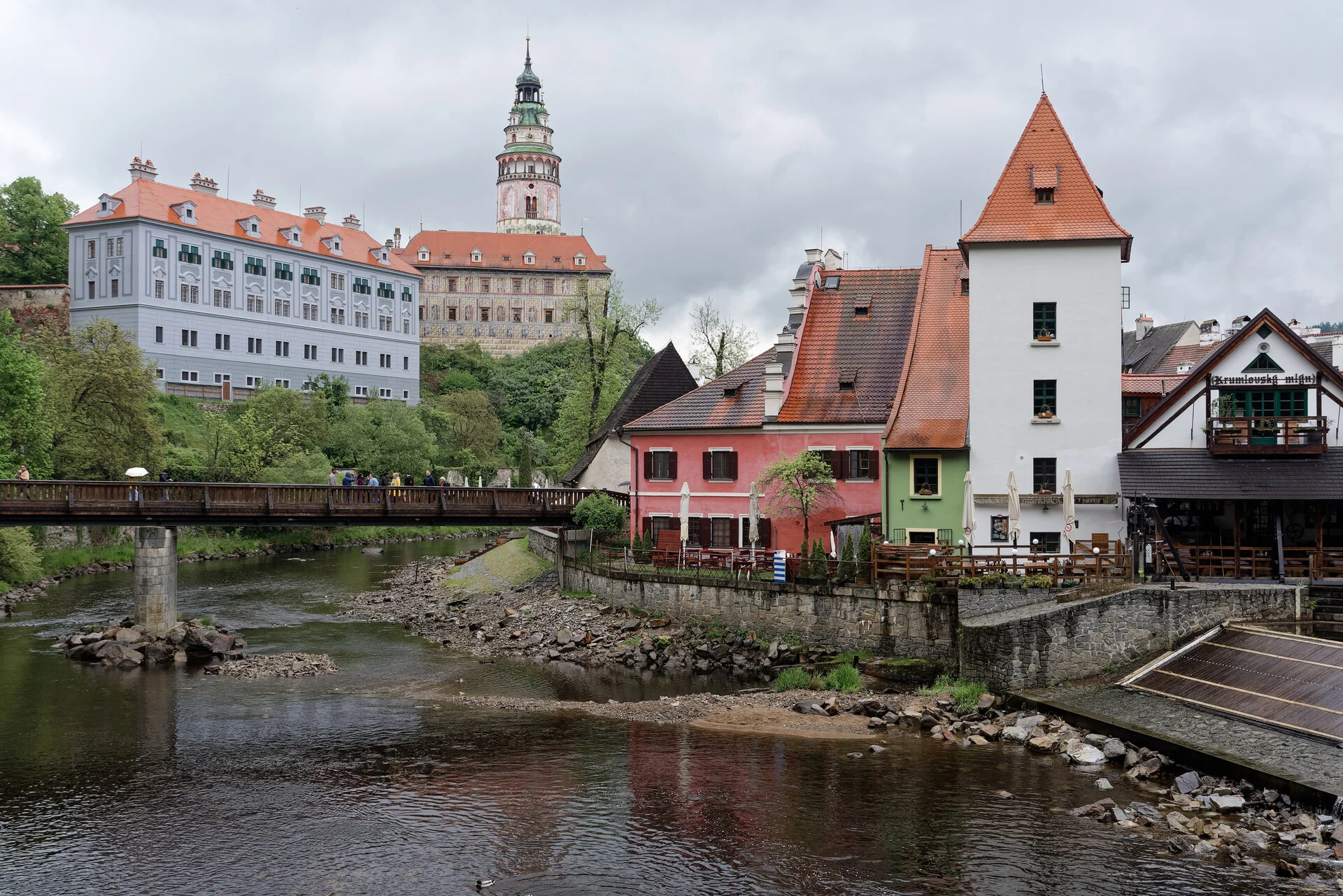
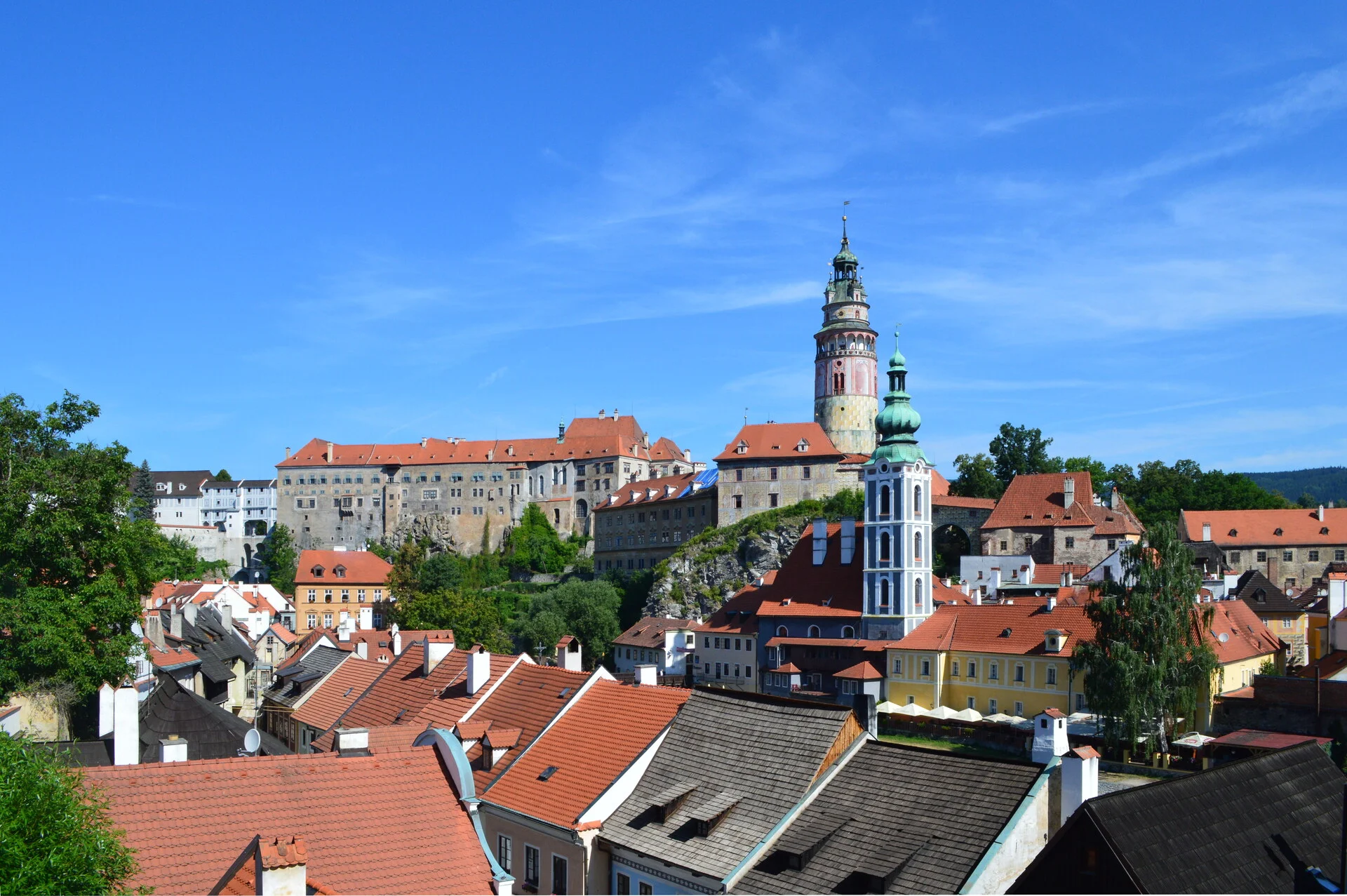
Český Krumlov from above: the famous Vltava bend
Český Krumlov is the most-visited day trip from Prague, and it absolutely deserves the reputation. A perfectly preserved medieval town wrapped around a tight loop of the Vltava river, with a vast painted castle rising on the cliff above. UNESCO World Heritage since 1992. The kind of place that looks photoshopped until you walk it.
Travel: RegioJet or FlixBus from Na Knížecí station, 3 hours each way, around 8 to 12 EUR. Book seats in advance in summer (sells out a week ahead). The train is slower (4 hours with a transfer in České Budějovice). For maximum efficiency, an organized tour handles transport, castle entry, and a guided walk.
On the ground, prioritize the castle tour (the painted facades are the second-largest castle complex in the country after Prague Castle), climb the Painted Tower for the iconic Vltava-bend photo, eat dinner at Krčma v Šatlavské (medieval tavern, open fire, no electric lights, the food is roasted meats served on wooden boards), and try a glass of dark Eggenberg beer at the local brewery.
Pro tip: If your schedule allows, stay overnight in Český Krumlov. The town empties after 5pm when day-trippers leave, and walking the cobblestones at dusk with no crowds is the version of this place you'll remember. Even one extra night turns the day trip into the highlight of your whole Czech experience. For more on the day trip itself, see our best day trips from Prague guide.
💀 Day 7: Day Trip to Kutná Hora (Bone Church)
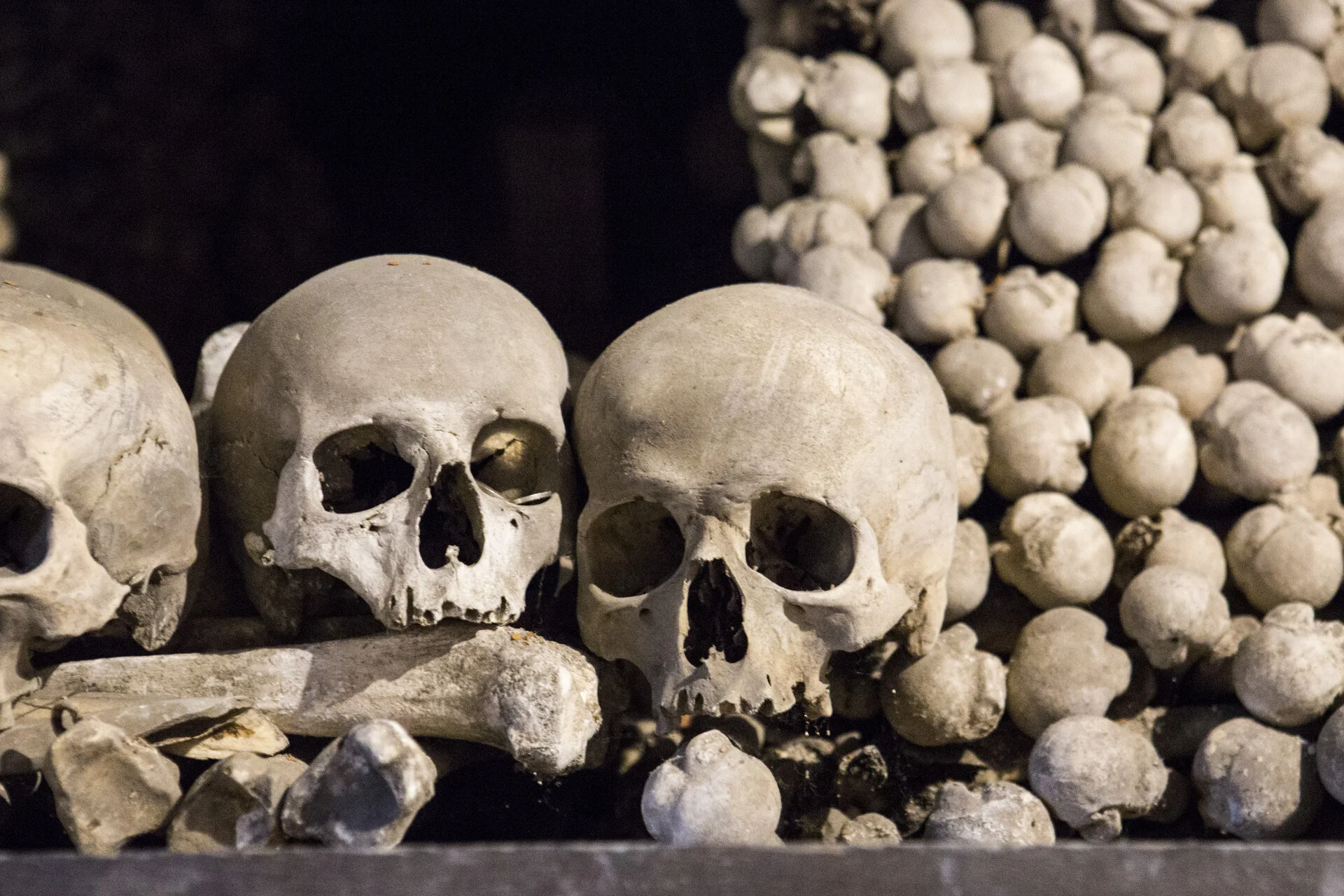
Sedlec Ossuary chandelier in Kutná Hora
The easiest day trip on the list. 1 hour each way by direct train from Prague hlavní nádraží, around 6 EUR. You can leave Prague at 9am and be back by 4pm, or stretch it into a full day if you want to see all four major sites.
The headliner is the Sedlec Ossuary, better known as the Bone Church. Around 40,000 human skeletons were arranged into chandeliers, coats of arms, and decorative pillars by the woodcarver František Rint between 1870 and 1871. The bones come from a 14th-century plague cemetery and the Hussite wars. There is nothing else like it in the world.
The Bone Church is in the Sedlec district, a 15-minute bus ride from Kutná Hora's old town, where the rest of the day's sites are clustered. From Sedlec, take the local bus to:
- St. Barbara's Cathedral: Gothic, built 1388 to 1905 on silver-mining wealth. The flying buttresses are the visual highlight. UNESCO listed.
- Italian Court: the medieval royal mint where the Prague groschen was struck. The vaulted halls and silver museum are excellent.
- Stone House Museum: 15th-century townhouse, now a museum of Kutná Hora's mining history.
- 🎟️ Kutná Hora day tour from Prague (includes Bone Church + St. Barbara's)
- 🎟️ Bone Church combined ticket
Lunch at Dačický, a 17th-century Czech tavern named after the local poet Mikuláš Dačický z Heslova. The dark beer and the venison goulash are the orders. Back to Prague mid-afternoon for one of the night views you've still got pending.
🍻 Day 8: Free Day OR Beer Day in Prague
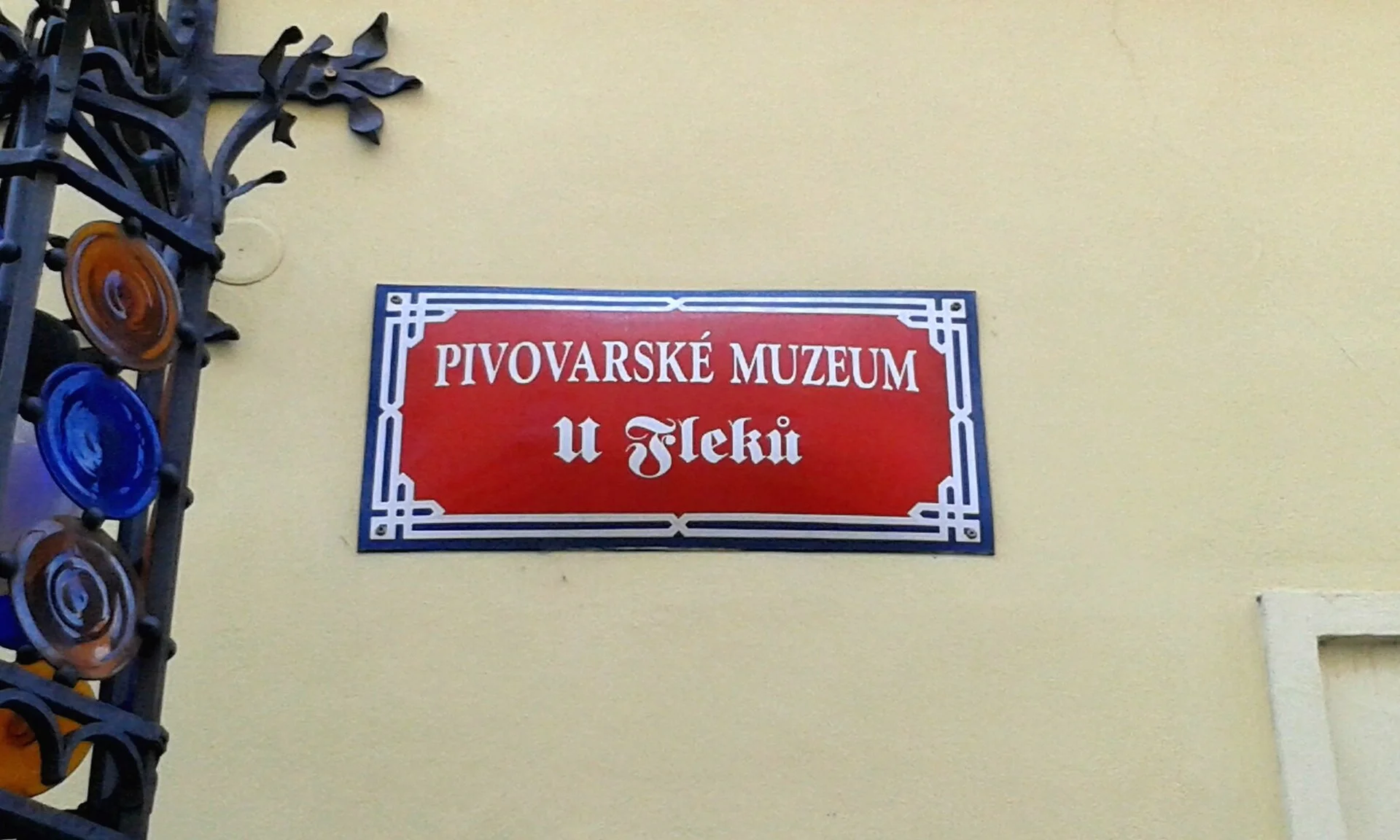
Inside a traditional Czech beer hall in Prague
Two paths today depending on your energy after six straight days. If you're on a 9-day version of this trip, this is the day you can drop.
Path A: Slow Day
Sleep in. Brunch at Cafe Lounge in Lesser Town. Café-hop through Vinohrady (try Café Imperial for the Art Nouveau interior). Shop at the Designer Block on Komunardů for Czech contemporary design. Evening jazz at Reduta (where Bill Clinton played sax with the band in 1994) or U Malého Glena.
Path B: Beer Day
Czech Republic invented Pilsner. Czechs drink more beer per capita than anyone else on earth (around 140 liters per person per year). Today is for diving into that culture properly.
- 🍺 Half-day Czech beer tasting tour with brewery visits: U Fleků, Strahov, Pivovarský Klub. Three styles, three centuries of brewing
- ♨️ Beer spa experience: bathe in a wooden tub of warm beer, hops, and yeast, drink unlimited beer from a tap next to the bath. It's a real thing and weirdly relaxing
- 🎷 Prague jazz cruise dinner on the Vltava
For dinner, U Pinkasu (founded 1843) is where Pilsner Urquell was first served in Prague. The taproom is wood-paneled, smoky in the historical sense, and the kitchen does the classic plates: roast pork knuckle, beef goulash, fried cheese with tartar sauce.
♨️ Day 9: Day Trip to Karlovy Vary
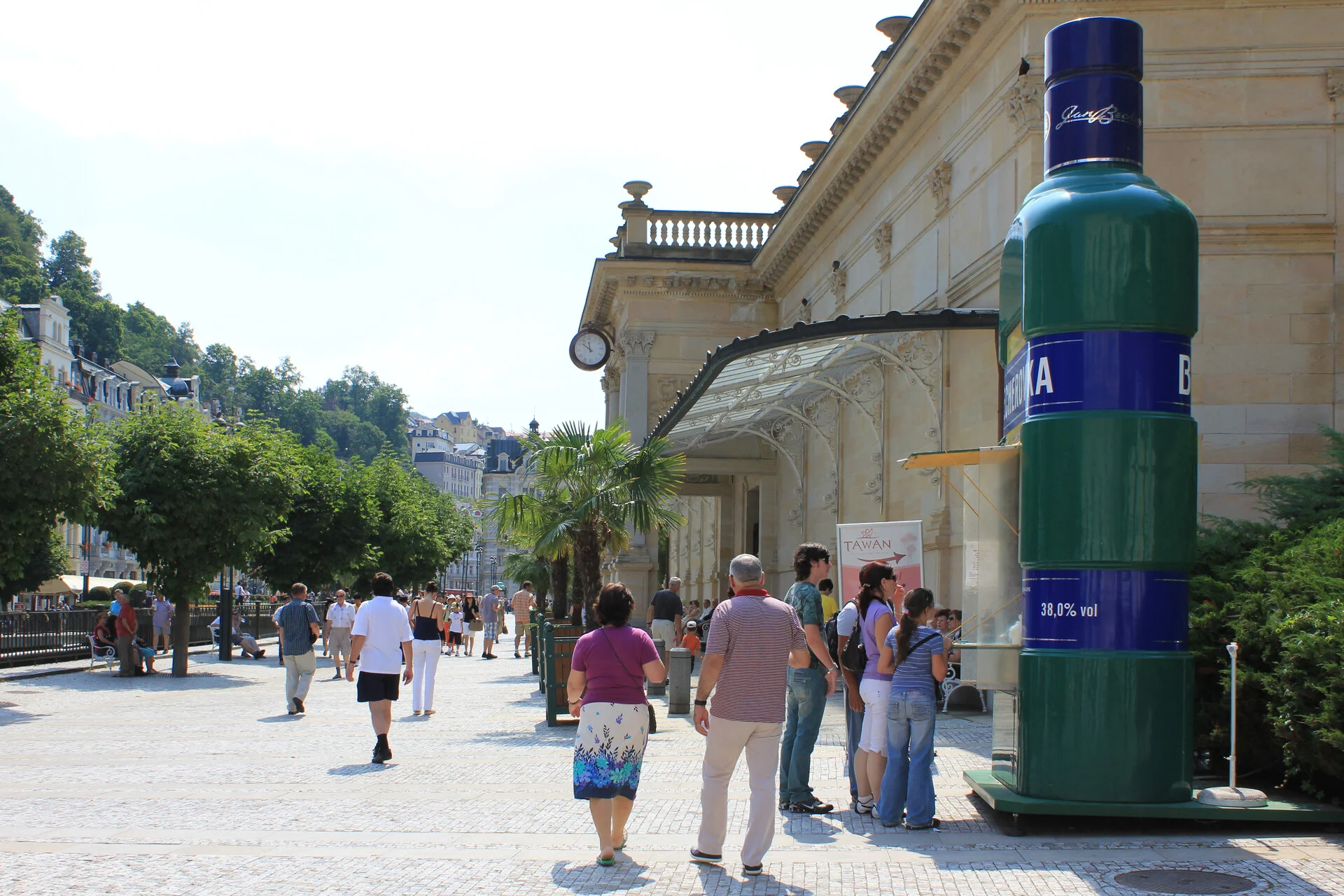
Karlovy Vary's Mill Colonnade and 19th-century spa architecture
Karlovy Vary is the slowest, most-relaxing day trip from Prague. A 19th-century spa town with 13 thermal springs ranging from 30°C to 73°C, recognized as a UNESCO World Heritage Site in 2021 as one of the Great Spas of Europe.
Travel: 2 hours 15 minutes by RegioJet bus from Florenc station, around 200 to 300 CZK. The train takes 3 hours and is more expensive, so the bus wins.
The traditional way to do Karlovy Vary is to buy a lázeňský pohárek, a curved ceramic sipping cup with a built-in straw, from any of the spa souvenir shops. Then walk the colonnades and sip warm sulfuric mineral water from each of the 12 public springs in turn. The waters taste, depending on the spring, like wet rocks, salty soup, and slight petrol. It is supposedly very good for you. We'll let you decide.
The architectural highlights:
- Mill Colonnade: 1881 neo-Renaissance, the most photographed building in town, covers 5 thermal springs
- Hot Spring Colonnade: the Vřídlo geyser shoots 73°C water 12 meters into the air every minute
- Diana Tower: take the funicular up the hillside for panoramic spa-town views
- Becherovka Museum: the herbal liqueur originated here in 1807. The tasting at the end is generous.
Lunch at Embassy Restaurant for game and Bohemian classics. Before the bus back, buy a stack of spa wafers (oplatky): thin sweet wafers with vanilla or hazelnut filling. They are by far the best souvenir from this trip.
✈️ Day 10: Final Day, Beer Hall, Souvenirs, Departure
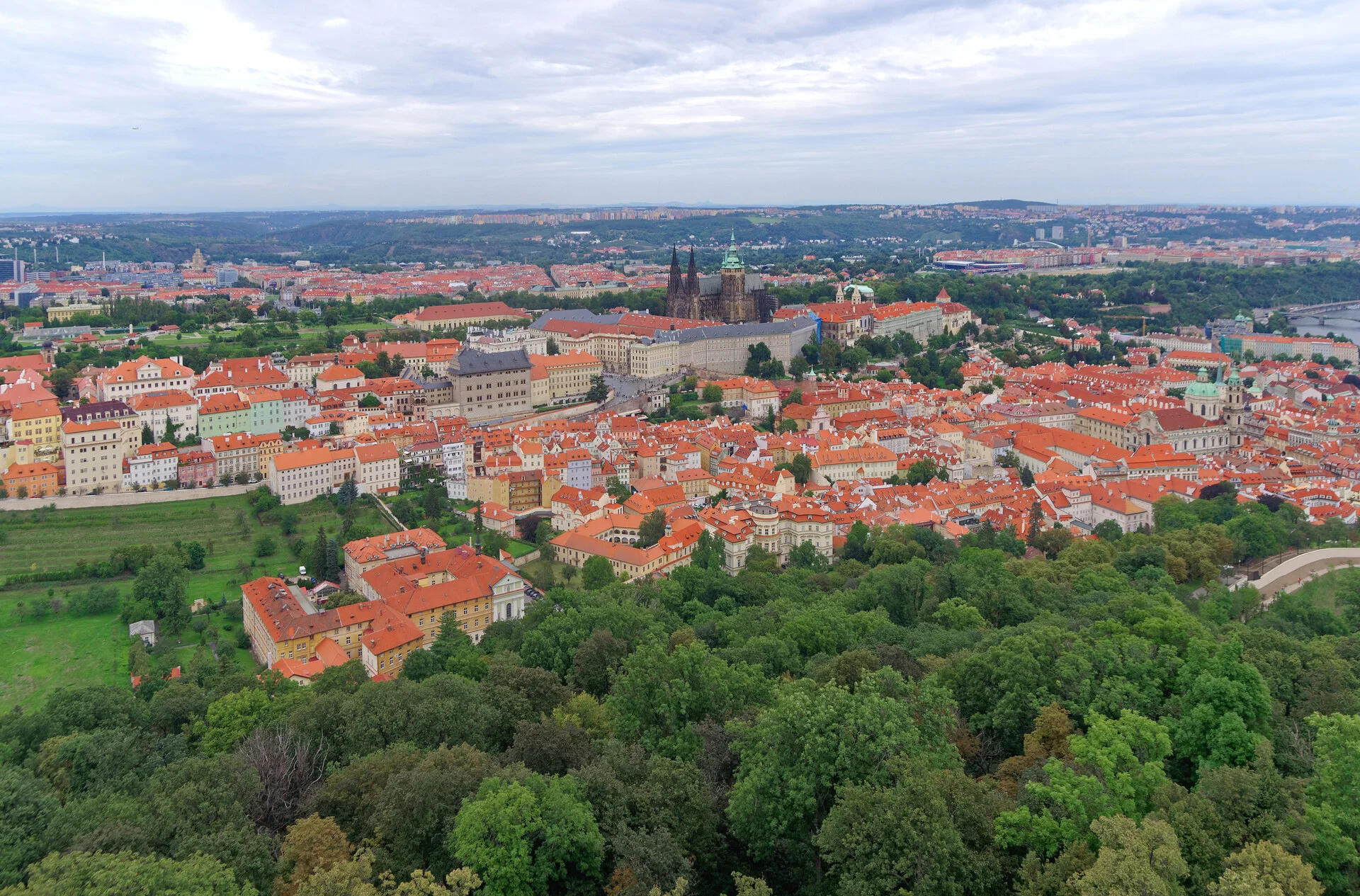
Final-day view of Prague rooftops from Petřín Hill
Save the morning for whatever you missed. Common ones at this point in the trip: Petřín Tower (if Day 2 didn't fit it), Letná Park for the giant metronome and the absolute best skyline view, or a return Castle visit at sunrise (free to enter the courtyards even without a ticket).
For the farewell beer, two options that anchor Czech beer culture:
- U Fleků: founded 1499. Brews their own dark lager (the only beer they serve). Tourist-heavy but the recipe and the courtyard are the real deal.
- U Zlatého Tygra: writer Bohumil Hrabal's local. Václav Havel and Bill Clinton drank here together in 1994. Pours one of the cleanest Pilsner Urquells in the city.
For your last lunch, classic svíčková at Mlejnice or Lokál. Then a final souvenir loop through Old Town: Czech garnet jewelry (the deep red is unique to Bohemia), wooden marionettes, Czech crystal (Moser is the historic name).
- 🚖 Prague airport private transfer back to Václav Havel for departure
Ten days, four day trips, the city's full architectural arc from Romanesque to Art Nouveau. Most travelers do Prague in 3 nights and miss everything past Old Town Square. You won't.
🛏️ Where to Stay in Prague: Best Neighborhoods
For a 10-day trip, location matters more than usual. You'll be walking a lot. Stay central and you save 30+ minutes a day in transit.
- Old Town (Staré Město): our top pick for first-timers. Walking distance to everything in Days 1 to 4. Most expensive but most efficient. Boutique hotel sweet spot: 100 to 200 EUR per night.
- Lesser Town (Malá Strana): romantic, near the Castle, cobblestone charm, fewer tourists at night. Slightly cheaper than Old Town. Best for couples.
- New Town (Nové Město): closer to nightlife and Wenceslas Square. Bigger hotel chains, more business-traveler feel. Often the best value.
- Vinohrady: where Prague's young professionals live. Outstanding café and brunch scene. 15 minutes by metro to the center. Best for travelers who want a "lived-in" Prague experience and are happy to commute slightly.
For booking, we use Booking.com for the cancellation flexibility. Look for places with at least 8.5+ reviews. Avoid anything advertised as "near Old Town Square" but actually a 20-minute walk; check the map carefully.
🛏️ Choosing a neighborhood? We break down every district by traveller type, price, and the best hotel in each in our full guide to where to stay in Prague.
🚆 Getting to Prague + Getting Around
Arriving at Václav Havel Airport
- Airport Express bus (AE): 100 CZK, runs every 30 minutes, terminates at Praha hlavní nádraží (main station). Cheapest option.
- Public bus 119 + metro: 40 CZK with a 90-minute transfer ticket. Slowest but cheapest.
- Private transfer: 25 to 35 EUR door-to-door. Best after a long flight.
- Avoid unmarked taxis at the airport. Use Bolt or Uber instead, both work in Prague.
Train Arrivals
Praha hlavní nádraží (main station) is a 15-minute walk to Old Town Square. International trains from Vienna, Berlin, Budapest, Munich, and Warsaw all terminate here.
Public Transport in Prague
Prague's tram + metro system is one of the best in Europe. Buy a 24-hour or 72-hour pass at any metro station ticket machine: 120 CZK for 24 hours, 330 CZK for 72 hours. Covers trams, metro, buses, and the Petřín funicular.
That said, most of central Prague is walkable. We mostly used trams for the cross-river commute (especially to Vyšehrad and Vinohrady).
💰 Budget Breakdown for 10 Days in Prague
Prague is one of the best-value major capitals in Europe. Here's what to expect across budget tiers:
| Category | Budget | Mid-Range | Luxury |
|---|---|---|---|
| Accommodation (10 nights) | 300 | 800–1,200 | 2,500+ |
| Food & drink (per day) | 20–30 | 50–80 | 150+ |
| Public transport (10 days) | 20 | 20 | 20 |
| Activities + tickets | 100–150 | 250–400 | 600+ |
| Day trip costs (4 trips) | 150–200 | 300–450 | 600+ |
| Total (excl. flights) | ~$900 | ~$1,800 | ~$4,000+ |
Estimated budget for 10 days in Prague per person (USD)
Estimated budget for 10 days in Prague per person (USD)
Money-saving tips:
- The Prague Visitor Pass bundles Castle + 70 attractions and is worth it if you'll hit 4+ paid sites in 48 hours. For our 10-day plan, individual tickets usually beat the pass.
- For day trips, RegioJet/FlixBus are dramatically cheaper than guided tours (10 to 15 EUR vs 50 to 90 EUR), but you trade away the convenience and the historical context
- Lunch menus at Czech restaurants are 30 to 40% cheaper than dinner menus for the same dishes
- Beer at a pub: 40 to 60 CZK. Beer at a tourist trap on Old Town Square: 100 CZK+. Walk one block off the square.
🛡️ Don't Forget Travel Insurance
We never travel without insurance. Heymondo covers medical expenses, trip cancellation, and stolen or damaged electronics, with 24/7 assistance through their app. As one of our readers, you get 5% off your policy.
Get 5% off your travel insurance →If you purchase through our link, we may earn a commission at no extra cost to you. Discount not available for US residents.
🍽️ What to Eat in Prague: Czech Food Highlights
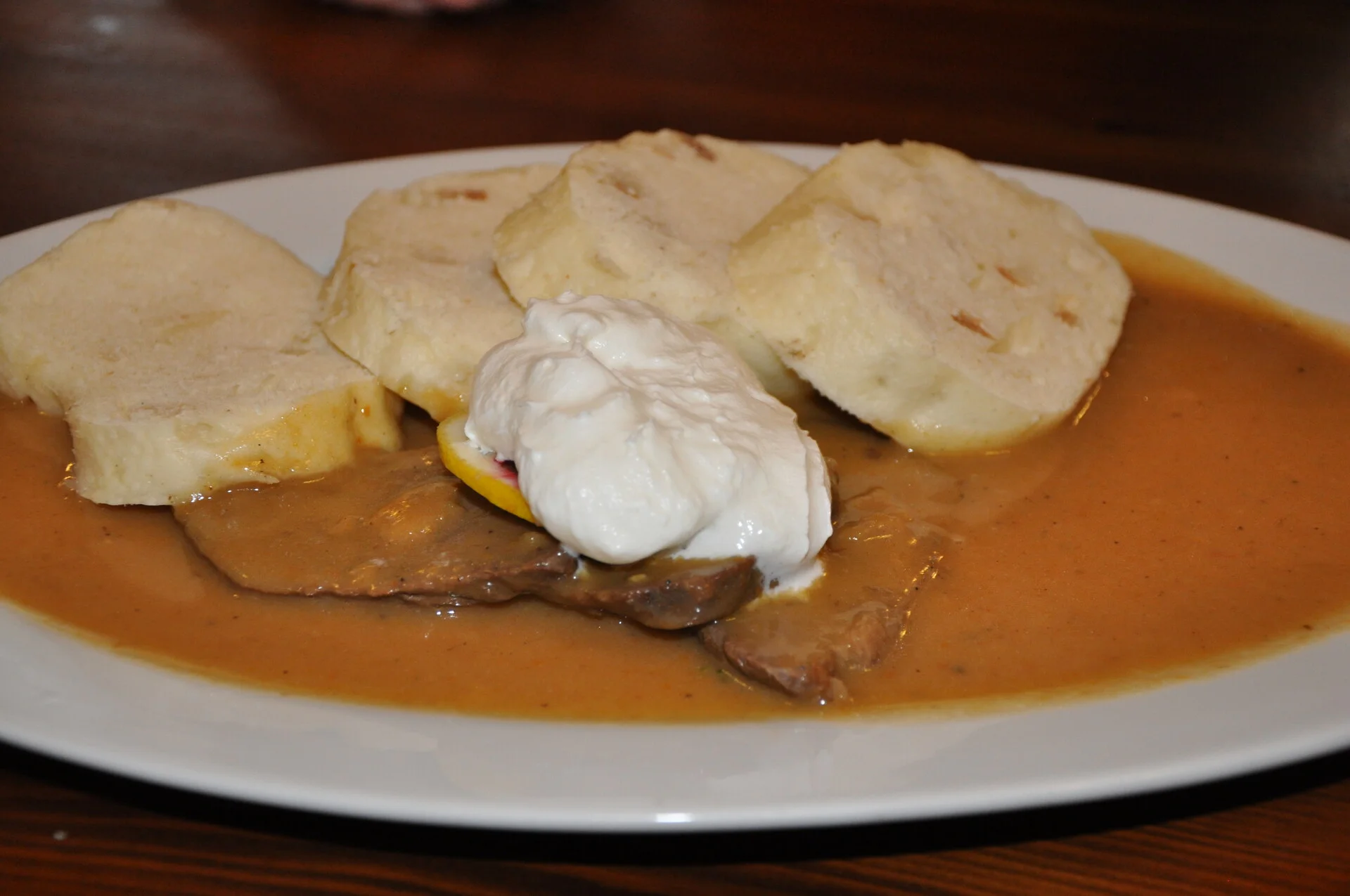
Svíčková: marinated beef, cream sauce, dumplings, the Czech national dish
Czech cuisine is hearty, meat-heavy, and made for cold weather and beer. The dishes you should try at least once:
- Svíčková: marinated beef with cream-and-vegetable sauce, served over bread dumplings with a dollop of cranberry and whipped cream. The Czech national dish.
- Goulash: beef stew, paprika-heavy, served over bread dumplings (Bohemian style) or with potato dumplings (Moravian style).
- Tatarák: raw beef tartare on a fried slice of bread rubbed with garlic, topped with a raw egg yolk. Surprisingly addictive.
- Vepřo-knedlo-zelo: roast pork, dumplings, sauerkraut. The most-ordered dish in any Czech pub.
- Trdelník: the spit-roasted sweet pastry sold on every Old Town corner. Touristy and not actually traditional, but try one once.
Czech beer styles to know:
- Pilsner Urquell: the original Pilsner from 1842. Crisp, golden, slightly bitter.
- Budvar (Budweiser Budvar): the Czech original. Don't confuse with the American Budweiser.
- Staropramen: Prague's home brewery, easy-drinking lager.
- Dark lagers: try U Fleků's tmavé or Strahov's St. Norbert. Coffee notes, smooth finish.
- Craft scene: growing fast. Pivovarský Klub in the Old Town has 200+ Czech craft beers on rotation.
Best traditional restaurants we'd send anyone to: Lokál (multiple locations, excellent draft beer kept under nitrogen), U Medvídků (1466, oldest beer hall), Mlejnice (Old Town, no English menu, that's a feature), and Café Imperial for special occasions.
- 🍽️ Prague food walking tour for an organized intro to all of the above
📌 Why Prague Deserves the Full 10 Days
Most trips to Prague are too short. Three nights is the standard, and three nights is enough to see the postcard. Ten days unlocks something different: the Prague that locals love (Vyšehrad, Vinohrady, Náplavka), the day trips that no first-timer fits in (Český Krumlov overnight, Karlovy Vary spa walk, the Bone Church), and the slow café and beer-hall culture that's the actual character of the city.
Book your Castle and Jewish Quarter skip-the-line tickets ahead. Book Český Krumlov bus seats a week in advance in summer. Everything else is flexible. Browse all Prague tours and tickets on GetYourGuide to lock in the high-demand experiences.
Planning to add more cities? Our Vienna, Budapest, Prague itinerary covers extending the trip into Central Europe. For more on the city alone, see our complete things to do in Prague guide.
❓ FAQ: Planning Your 10-Day Prague Trip
Is 10 days too long for Prague?
No, especially if you include day trips. 4 to 5 days covers Prague city; the remaining days unlock Český Krumlov, Kutná Hora, Karlovy Vary, and the Czech countryside, none of which fit in a typical 4-day visit.
What is the best month to visit Prague?
May, June, and September. April is also great with fewer crowds, October has fall colors. Avoid August (peak heat plus tourist density) and January (cold, but Christmas markets in December are magical).
Do I need a car in Prague?
No. Prague's center is walkable and public transport is excellent. For day trips, organized GetYourGuide tours or trains and buses are easier than driving (parking is hard and expensive in Prague).
How much does 10 days in Prague cost?
Budget travelers: 80 to 100 USD per day per person. Mid-range: 150 to 200 USD per day. Luxury: 300+ USD per day. Day trip costs add 50 to 90 USD per person depending on whether you DIY or join a guided tour.
Is Prague Castle worth the entry fee?
Yes, but choose your ticket carefully. The basic Circuit B ticket (around 250 CZK) covers St. Vitus Cathedral, the Old Royal Palace, and Golden Lane and is enough for most visitors. Skip-the-line tickets are essential in summer.
What is the best day trip from Prague if I can only do one?
Český Krumlov (full day, 3 hours each way) for visual impact, or Kutná Hora (half or full day, 1 hour each way) if you want shorter travel. Most travelers regret not doing both.
Should I learn any Czech before visiting?
English is widely spoken in Prague and tourist areas. Learning "děkuji" (thank you), "prosím" (please), and "dobrý den" (good day) goes a long way and is appreciated.
Is Prague safe at night?
Yes, central Prague is very safe. Standard precautions apply: watch for pickpockets in Old Town Square and on the metro, and avoid taxis hailed off the street (use Bolt, Uber, or pre-booked transfers).