
Best Things to Do in Vienna, Austria (2026)
This article contains affiliate links. If you make a purchase through these links, we may earn a small commission at no extra cost to you. This helps us keep creating free content for you!
Vienna has been ranked the world's most livable city for over a decade, and it takes about five minutes on the ground to understand why. Imperial palaces line cobblestone boulevards, the coffee house on every corner serves cake that qualifies as architecture, and the city's classical music heritage fills concert halls seven nights a week. It is elegant without being stuffy, historic without feeling like a museum, and impossibly walkable.
The best things to do in Vienna include touring Schönbrunn Palace and its sprawling gardens, visiting the Hofburg Imperial Palace, exploring the Belvedere Museum (home to Gustav Klimt's The Kiss), attending a Mozart or Strauss concert in a baroque hall, experiencing Viennese coffee house culture (a UNESCO Intangible Cultural Heritage), riding the Giant Ferris Wheel in the Prater, and taking day trips to Salzburg or the Wachau Valley wine region along the Danube.
We spent four days in Vienna and kept discovering reasons to stay longer. This guide covers everything worth your time, from the imperial highlights and skip-the-line strategies to the local coffee houses and evening concerts that make this city truly special. Planning a longer stay? See our complete 10-day Vienna itinerary with day-by-day plans and four day trips. If you are planning a broader Central Europe trip, check out our 10-day Central Europe itinerary covering Vienna, Budapest, and Prague.
🏰 Schönbrunn Palace: Vienna's Crown Jewel
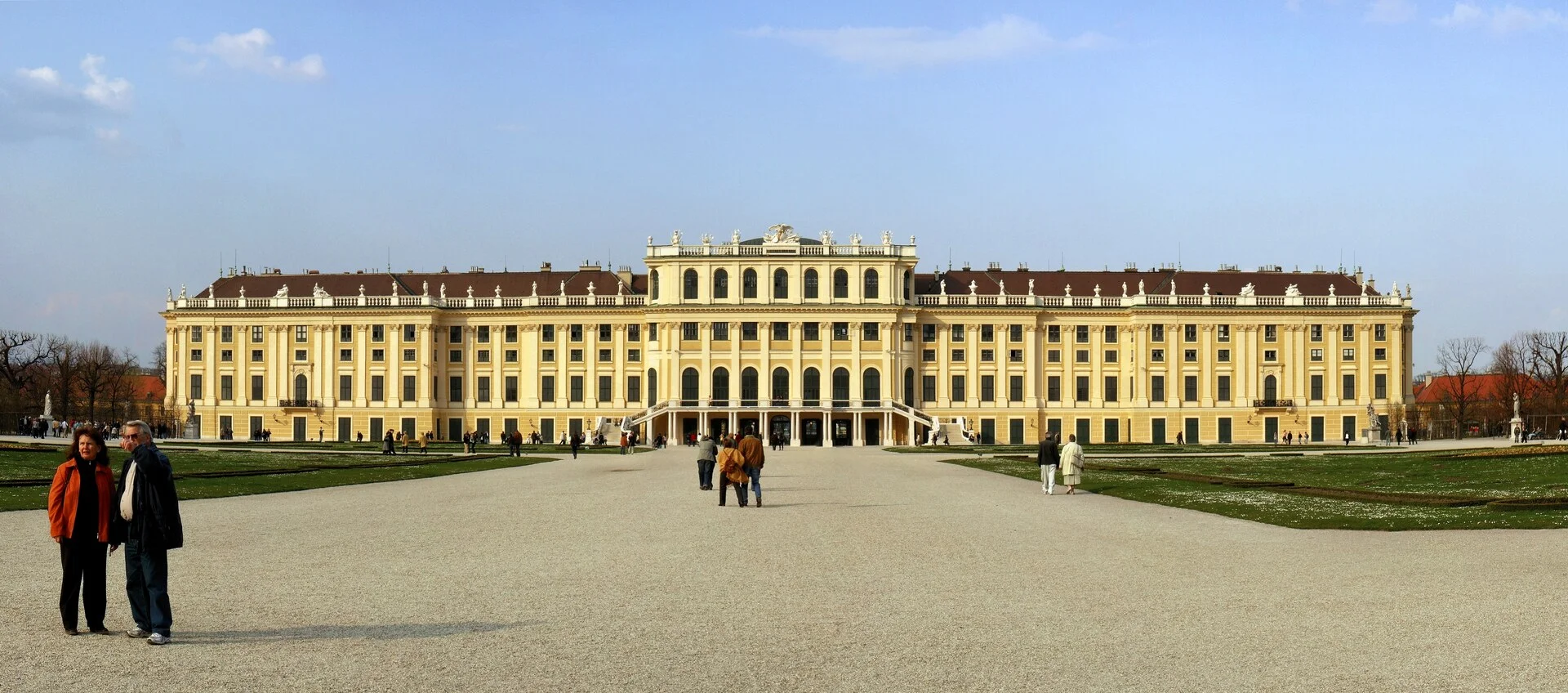
Schönbrunn Palace is a UNESCO World Heritage Site and the former summer residence of the Habsburg dynasty, the family that ruled much of Europe for over 600 years. With 1,441 rooms (40 open to visitors), baroque gardens stretching to the horizon, and the world's oldest zoo in its grounds, Schönbrunn is the single most important attraction in Vienna and the one you should plan your entire visit around.
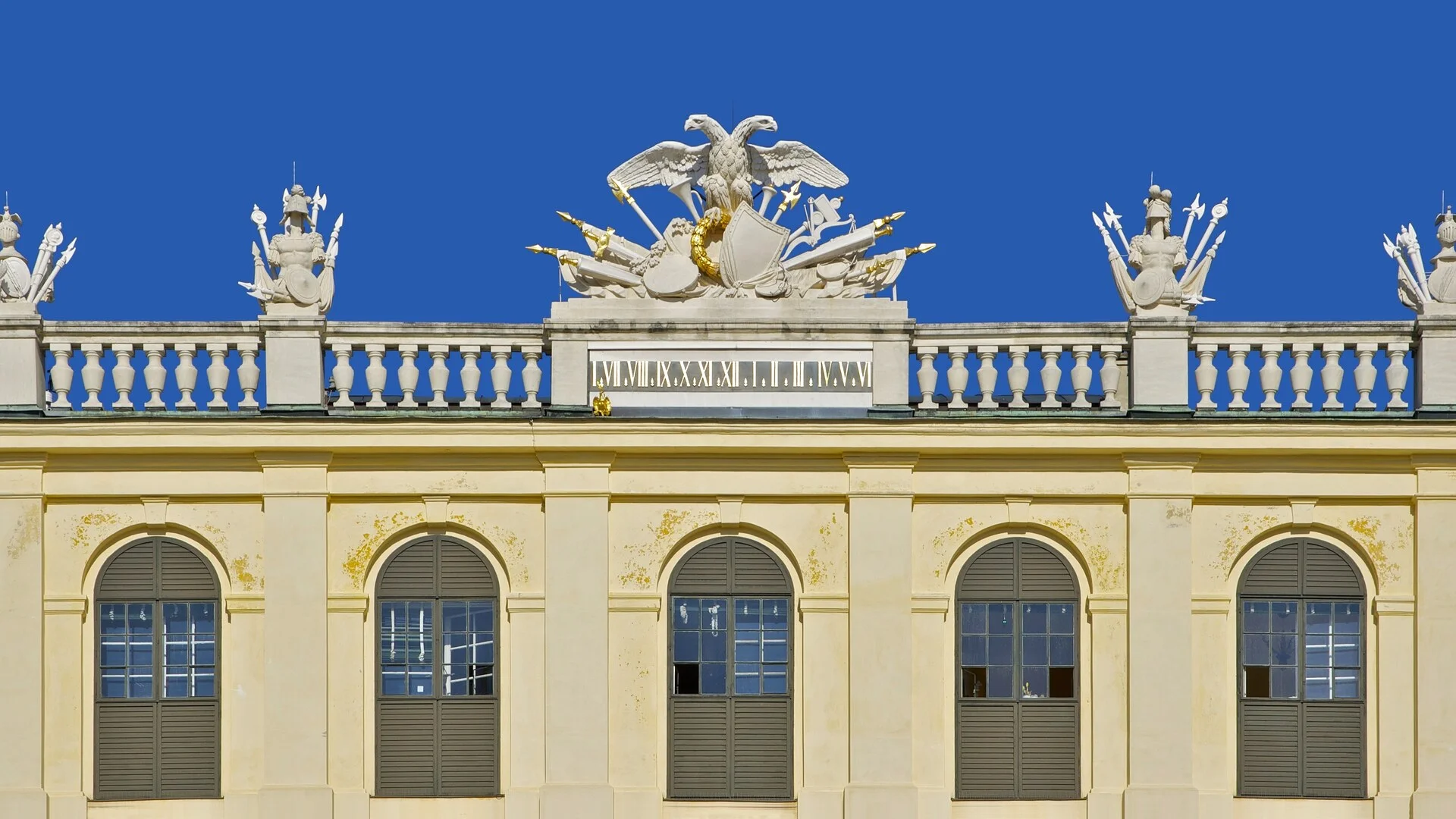
Schönbrunn Palace has 1,441 rooms and was the summer residence of the Habsburg dynasty for centuries.
There are two tour options for the palace interior. The Imperial Tour covers 22 rooms in 30 to 40 minutes, hitting the highlights including the Great Gallery, the Mirror Room where a six-year-old Mozart performed for Empress Maria Theresa, and the lavish Vieux-Laque Room. The Grand Tour extends to 40 rooms in 50 to 60 minutes and adds the stunning Bergl Rooms, covered in 18th-century tropical frescoes that feel like walking inside a painting. We did the Grand Tour and the Bergl Rooms alone made it worthwhile.
Skip-the-line tickets are essential in summer when queues can exceed 90 minutes. We recommend booking a Schönbrunn Palace skip-the-line tour with gardens in advance, especially between June and September. Arrive at 8:30am when the palace opens for the quietest experience.
The palace gardens are free to enter and absolutely worth exploring. Walk to the Gloriette, the neoclassical arcade on the hilltop behind the palace, for panoramic views over Schönbrunn and the Vienna skyline. The Neptune Fountain, the Privy Garden with its geometric hedges, and the Palm House are all highlights. If you are visiting with children (or without, honestly), the Tiergarten Schönbrunn is the world's oldest zoo, founded in 1752, and still one of the best in Europe.
For an unforgettable evening, the Orangery at Schönbrunn hosts nightly classical concerts featuring the music of Mozart and Strauss. A Schönbrunn Palace evening concert in the Orangery is one of Vienna's most popular cultural experiences, and combining it with a daytime palace visit makes for a perfect Schönbrunn day. For the ultimate experience, book the Schönbrunn Palace evening tour with dinner and concert package that includes after-hours palace access, a three-course dinner, and the Orangery concert.
👑 Hofburg Imperial Palace & the Historic Center
If Schönbrunn was where the Habsburgs spent their summers, the Hofburg was where they ran their empire. This sprawling palace complex in the heart of Vienna served as the dynasty's winter residence and seat of power for over 600 years, and it now houses the offices of the Austrian president, several world-class museums, and the famous Spanish Riding School.
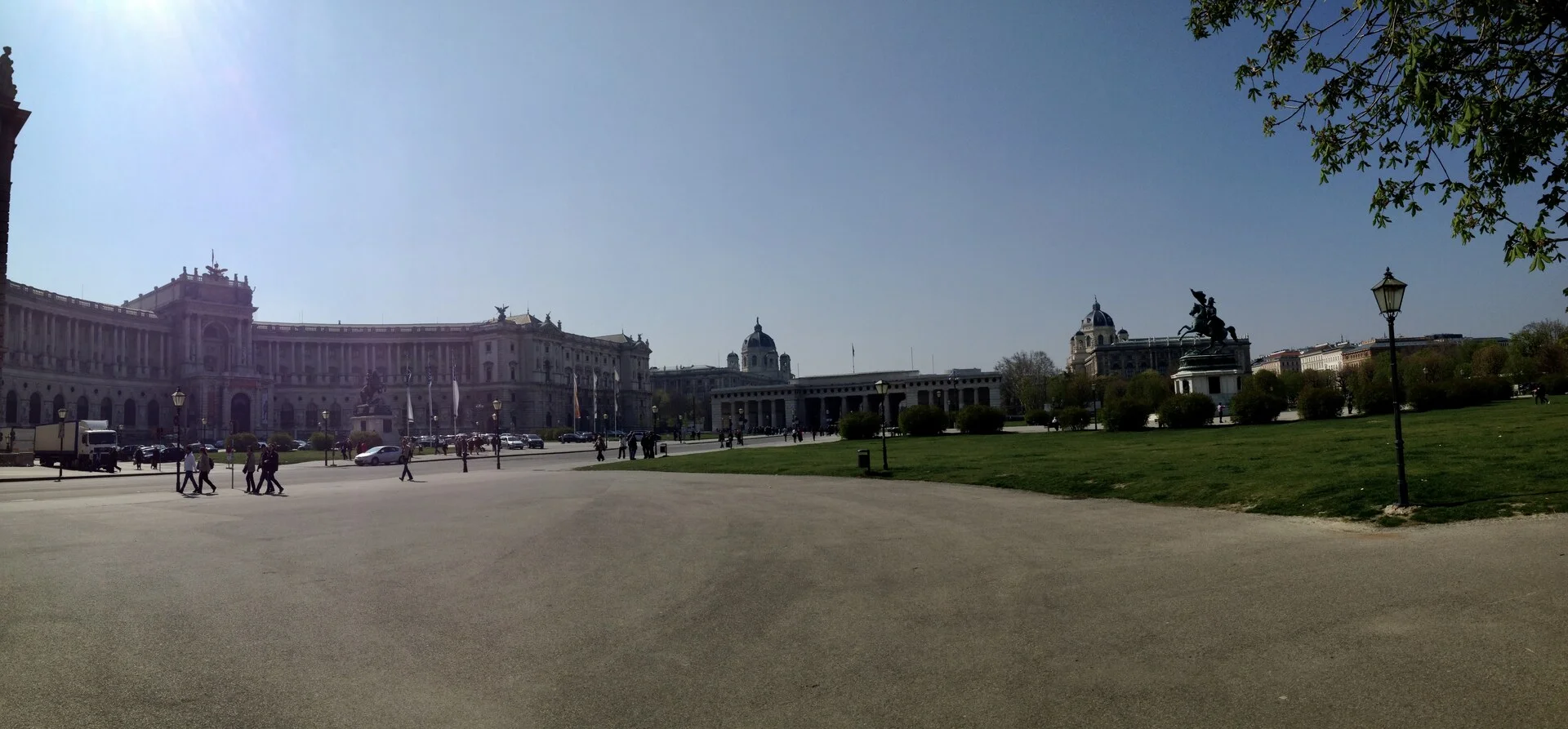
The Hofburg was the seat of Habsburg power for over 600 years and now houses museums, the Austrian president's offices, and the Spanish Riding School.
The three must-see exhibits inside the Hofburg are the Imperial Apartments (19 opulently decorated rooms where Emperor Franz Joseph I and Empress Elisabeth lived), the Sisi Museum (dedicated to the fascinating and tragic life of Empress Elisabeth, one of the most compelling figures in European royal history), and the Imperial Silver Collection (an almost absurd display of Habsburg dining wealth with over 7,000 pieces). A combined ticket covers all three. We recommend the Hofburg skip-the-line tour with Sisi Museum and Imperial Apartments to get the historical context a guide provides, particularly for the Sisi Museum where the story really comes alive with expert narration.
The Spanish Riding School is located in a breathtaking baroque hall within the Hofburg complex and is the only institution in the world that has practiced classical equestrian arts in an unbroken tradition since the Renaissance. A full performance of the Lipizzaner stallions is extraordinary but tickets sell out weeks in advance. The more accessible option is a Spanish Riding School morning training session where you can watch the horses and riders rehearse in the same baroque hall for a fraction of the price.
Do not miss the Austrian National Library's Prunksaal (State Hall), one of the most beautiful baroque libraries in the world, with 200,000 historic books lining ornate walnut shelves beneath ceiling frescoes by Daniel Gran. It is a five-minute walk from the Hofburg main entrance.
From the Hofburg, walk the Ringstrasse, Vienna's grand circular boulevard built in the 1860s after the medieval city walls were demolished. In about 30 minutes you will pass the Austrian Parliament, Vienna City Hall (Rathaus), the Burgtheater, the University of Vienna, and the Vienna State Opera. A guided walking tour of Vienna's historic center highlights is the best way to absorb the history of these buildings, especially if it is your first time in the city.
Top-Rated Activities in Vienna
🎨 Belvedere, Kunsthistorisches & Vienna's Museum Scene
Vienna's museum scene is among the best in Europe, and three institutions stand above the rest. The Belvedere Palace houses Austria's most famous painting, the Kunsthistorisches Museum is one of the finest art collections on the planet, and the MuseumsQuartier packs several major museums into one of the world's largest cultural complexes.
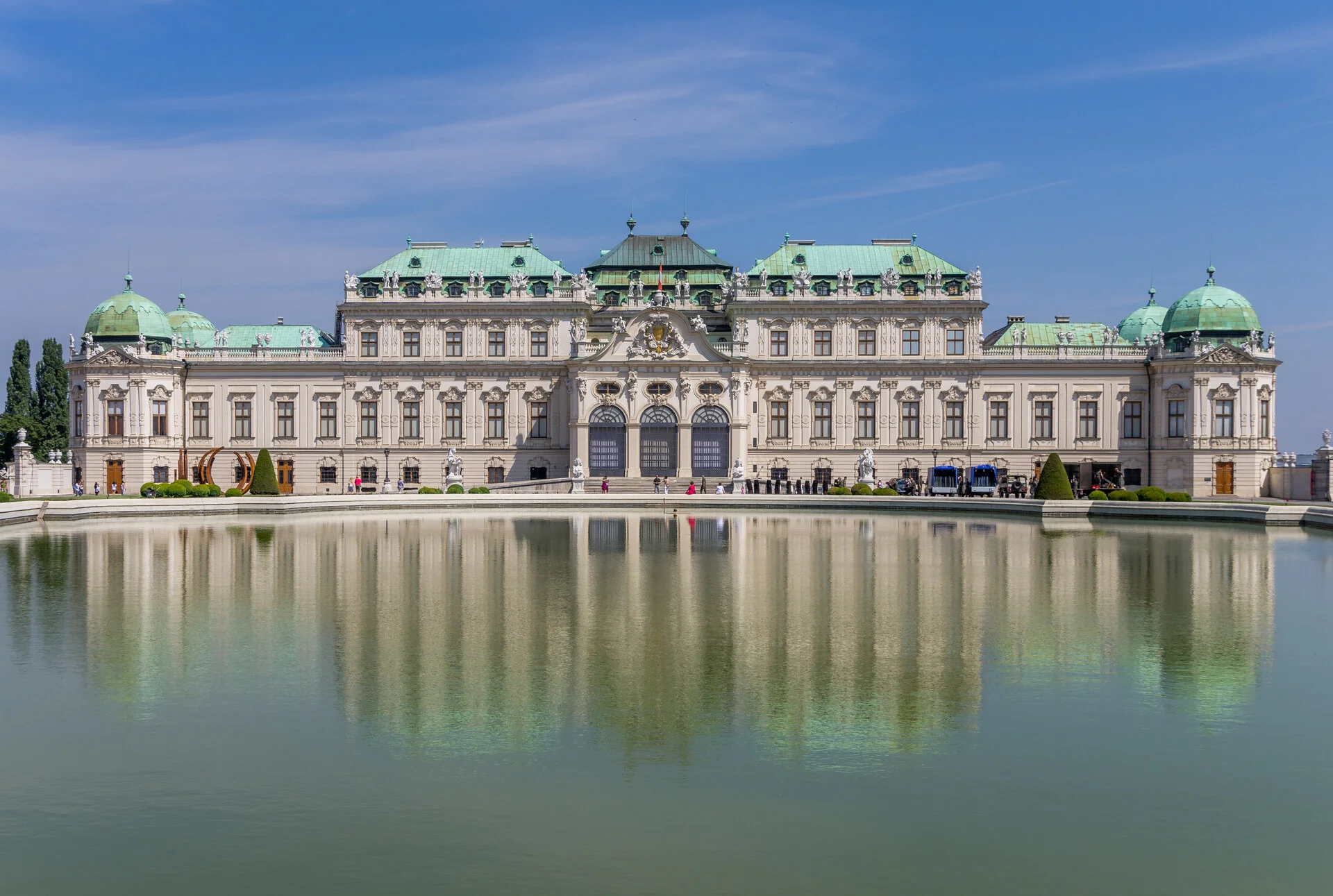
The Upper Belvedere houses Gustav Klimt's The Kiss, the most famous painting in Austria.
The Upper Belvedere Palace is home to Gustav Klimt's "The Kiss" (1907-1908), a shimmering gold-leaf masterpiece that is the most famous painting in Austria and one of the most recognized artworks in the world. The palace itself is a baroque gem with a stunning reflecting pool in front and sweeping views of the Vienna skyline from the garden. Beyond Klimt, the collection includes important works by Egon Schiele, Oskar Kokoschka, and a strong collection of French Impressionism. Book a Belvedere skip-the-line guided tour to get expert context on Klimt's gold period and the Viennese Secession movement.
The Kunsthistorisches Museum (Museum of Art History) is staggering. Housed in an ornate 19th-century building on Maria-Theresien-Platz, it holds one of the world's great art collections including Vermeer's "The Art of Painting," Raphael's "Madonna of the Meadow," Caravaggio's "David with the Head of Goliath," and the world's largest collection of Bruegel paintings. The building's interior, with its grand staircase, marble columns, and ceiling paintings by Gustav Klimt and his brother Ernst, is itself a masterwork. A Kunsthistorisches Museum entrance ticket is approximately €21, and you could easily spend half a day here.
The MuseumsQuartier, a converted imperial stable complex, houses the Leopold Museum (the world's largest Egon Schiele collection plus more Klimt), MUMOK (Museum of Modern Art), and several smaller galleries. The cobblestone courtyards are lined with colorful seating and become a social hub on summer evenings.
If you plan to visit three or more museums, the Vienna Pass (starting at €87 for 1 day) includes skip-the-line entry to over 70 attractions plus hop-on/hop-off buses, and it pays for itself quickly. Schönbrunn alone is €29, the Belvedere €18.50, and the Kunsthistorisches €21, so three attractions in one day already covers the pass price.
☕ Viennese Coffee House Culture (UNESCO Heritage)
Viennese coffee house culture has been a UNESCO Intangible Cultural Heritage since 2011, and experiencing it is one of the best things you can do in Vienna. A Viennese coffee house is not a café. It is a "living room," a place where you can sit for hours reading newspapers hung on wooden racks, writing, debating, or simply watching the world pass by over a single Melange. Nobody will rush you. The waiter might even seem slightly indifferent. That is part of the tradition.
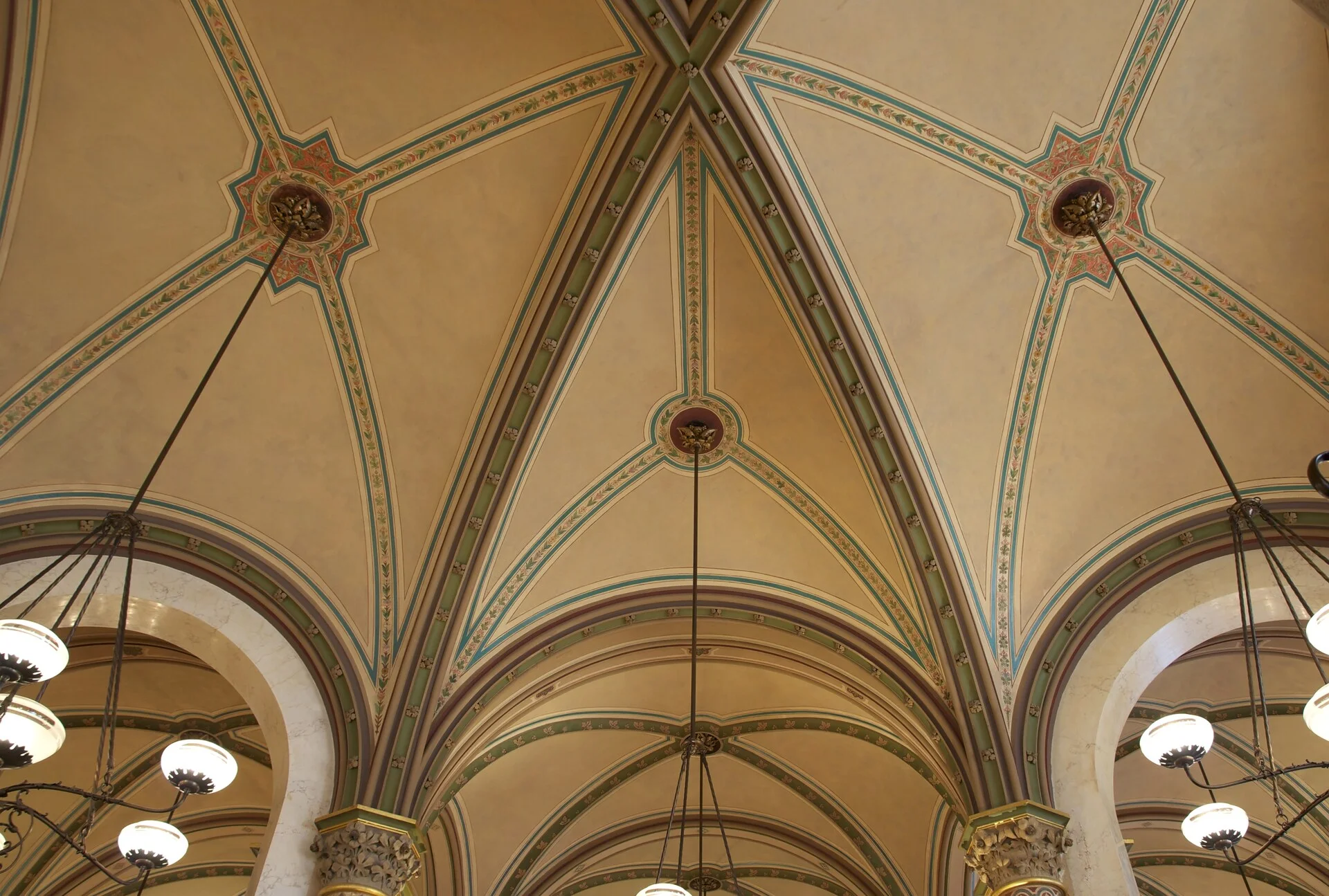
Viennese coffee house culture has been a UNESCO Intangible Cultural Heritage since 2011.
The essential coffee houses to visit are Café Central (a palatial space with vaulted ceilings where Leon Trotsky, Sigmund Freud, and countless writers were regulars), Café Sacher (home of the original Sachertorte, the most famous chocolate cake in the world), Café Demel (the former imperial bakery, known for its extraordinary pastry display windows), and Café Hawelka (the beloved bohemian hangout of artists and intellectuals, serving the best Buchteln, warm jam-filled pastries, after 10pm). Café Central often has a 20 to 30 minute queue at peak times. Go before 10am or after 3pm to avoid the wait.
Order a Melange (Vienna's signature coffee, similar to a cappuccino but with more foam, served in a glass), an Einspänner (strong black coffee topped with a thick cap of whipped cream, served in a tall glass), or a Wiener Eiskaffee (cold coffee with vanilla ice cream and whipped cream). Pair it with a slice of Sachertorte, an Apfelstrudel served warm with vanilla sauce, or a Kaiserschmarrn (shredded fluffy pancake with plum compote). A Melange costs €5 to €7 and a slice of Sachertorte at Hotel Sacher runs about €9.50.
Beyond the coffee houses, Vienna's food scene deserves attention. Figlmüller is the city's most famous restaurant for Wiener Schnitzel, a plate-sized, paper-thin veal cutlet that hangs over the edges of the dish (book ahead, it is always packed). Plachutta is the classic choice for Tafelspitz, boiled beef with horseradish and apple sauce, the dish Emperor Franz Joseph I ate almost every day. For an immersive culinary experience, a Vienna food tour with coffee house visit and tastings takes you through the highlights with a local guide who explains the history behind each dish.
The Sachertorte debate is one we are happy to keep researching: Hotel Sacher claims to have the original recipe (denser, with apricot jam under the chocolate glaze), while Café Demel sells its own version (lighter, with a slightly different texture). We tried both on the same afternoon. For science. We recommend you do the same.
Where to Stay in Vienna
Book through this map and you help support our travels, at no extra cost to you. We earn a small commission, and it means a lot.
🎵 Classical Music, Opera & Evening Entertainment
Vienna is the undisputed capital of classical music. Mozart, Beethoven, Schubert, Johann Strauss II, Brahms, and Mahler all lived and composed here, and the city treats that legacy as a living tradition, not a museum piece. On any given evening, you can choose between opera at one of the world's great houses, a symphony in a gilded concert hall, or a chamber music performance in a palace where these composers actually performed.
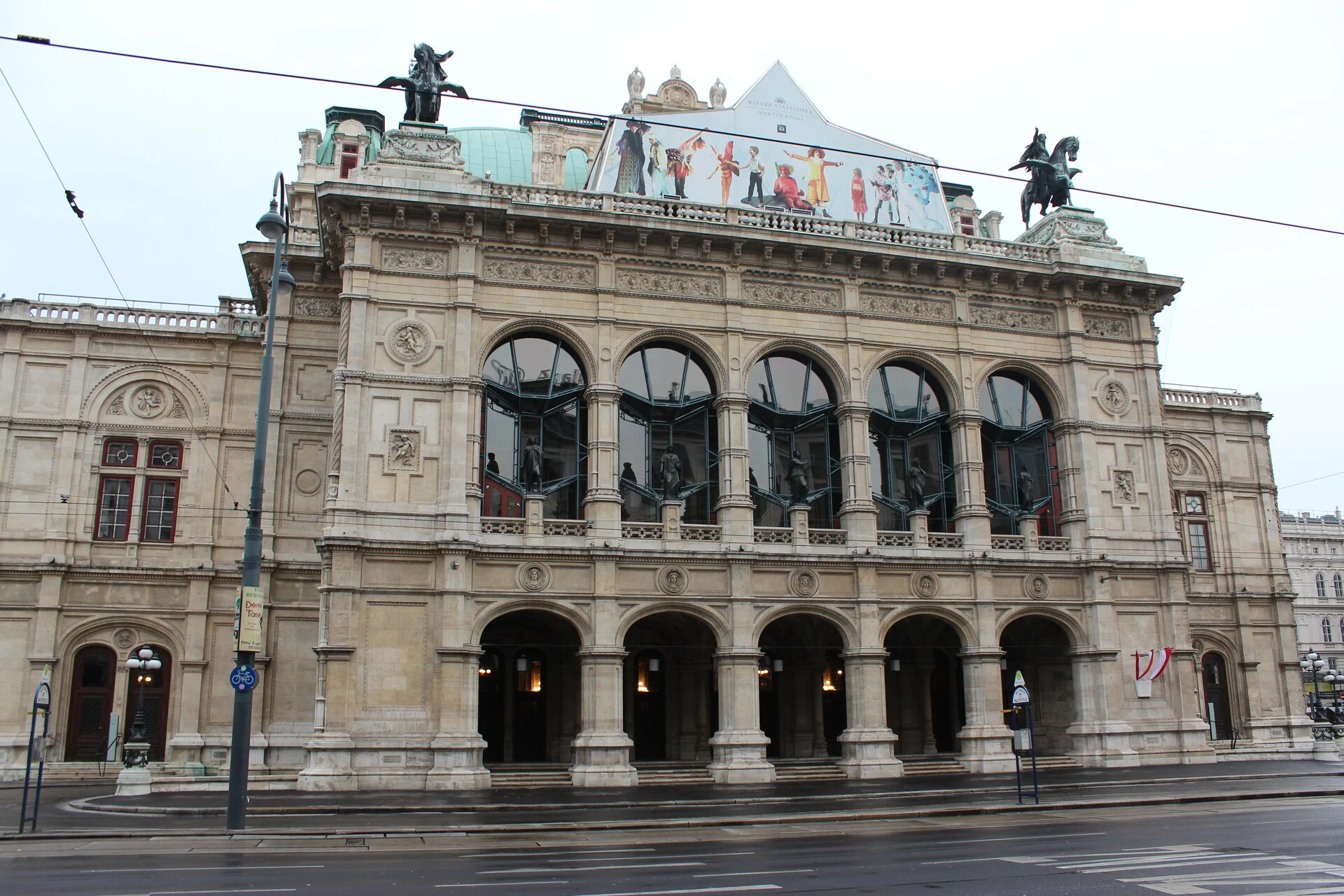
The Vienna State Opera is one of the world's leading opera houses, with standing room tickets from just €4.
The Vienna State Opera (Wiener Staatsoper) is one of the most prestigious opera houses in the world, staging over 300 performances per season. Here is a secret that most visitors do not know: standing room tickets cost just €4 to €15 and go on sale 80 minutes before each performance. Arrive about 90 minutes early, queue at the standing room entrance on the east side of the building, and you can see a world-class opera in one of the most beautiful theaters on Earth for the price of a coffee. Dress code applies for seated tickets but standing room is casual.
The Musikverein is home to the Vienna Philharmonic and its legendary Golden Hall, where the famous New Year's Concert is broadcast to over 50 million viewers worldwide. The acoustics are considered among the finest of any concert hall ever built. A Mozart concert at the Musikverein Golden Hall is a bucket-list Vienna experience, with musicians in period costume performing in the same hall where Brahms and Mahler conducted.
For a more accessible classical experience, several ensembles perform Mozart and Strauss concerts nightly in historic venues. The Mozart and Strauss concert in a Viennese palace features musicians in 18th-century costumes, soloists, and ballet dancers performing beloved works like Eine Kleine Nachtmusik and The Blue Danube. These concerts are designed for visitors and run about two hours. They are genuinely enjoyable, even if you have never listened to classical music before.
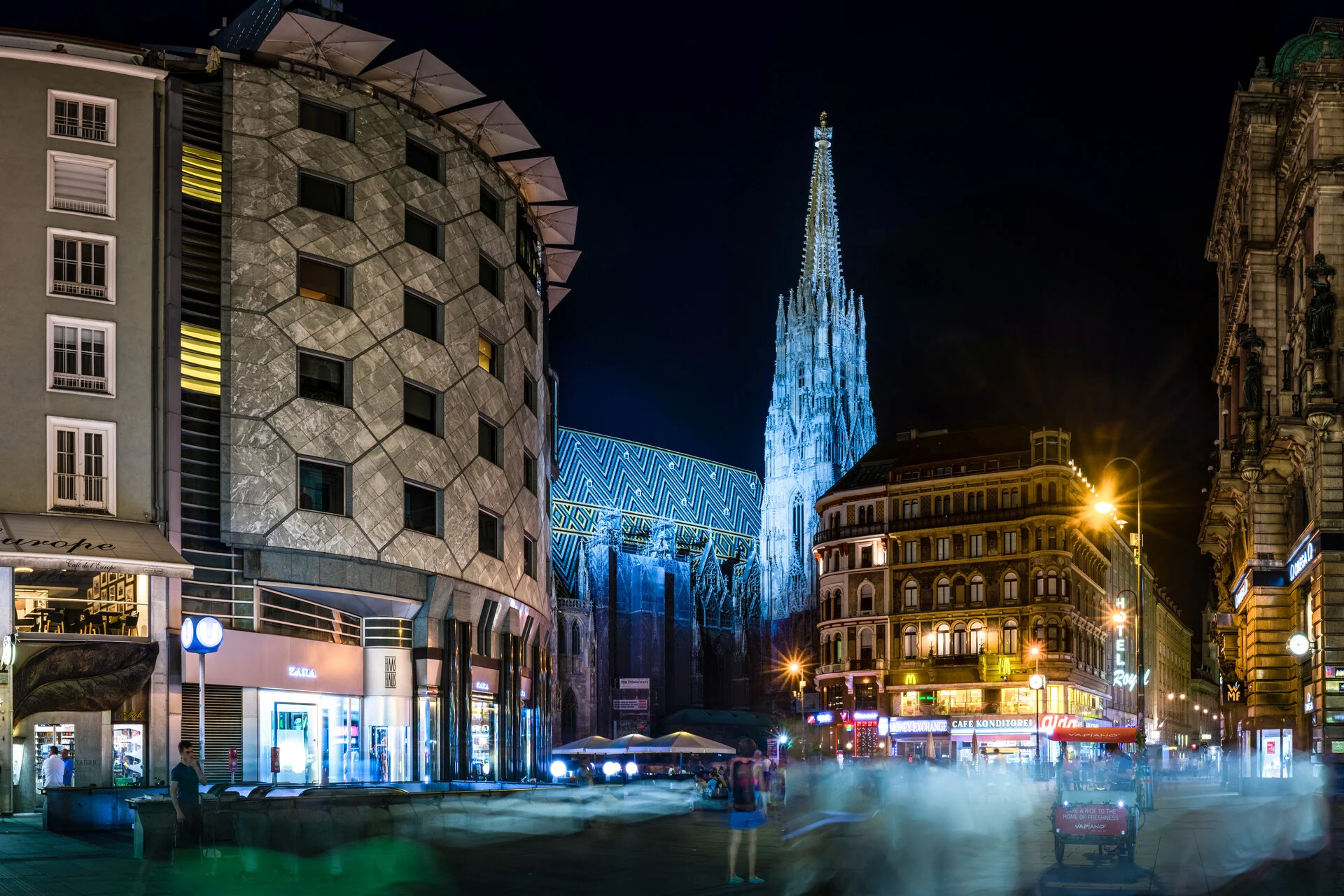
St. Stephen's Cathedral (Stephansdom), Vienna's Gothic masterpiece with its iconic chevron-patterned roof, is worth visiting both for the architecture and the free organ concerts. Climb the 343 steps of the south tower for one of the best panoramic views in the city, or take the elevator up the north tower to see the Pummerin, Austria's largest bell.
🌿 Parks, Markets & the Danube
Vienna is not all palaces and concert halls. The city has a relaxed, green side that locals love and most tourists miss entirely. From the famous Naschmarkt to wine taverns in the hills, this is where you experience Vienna as Viennese people actually live it.
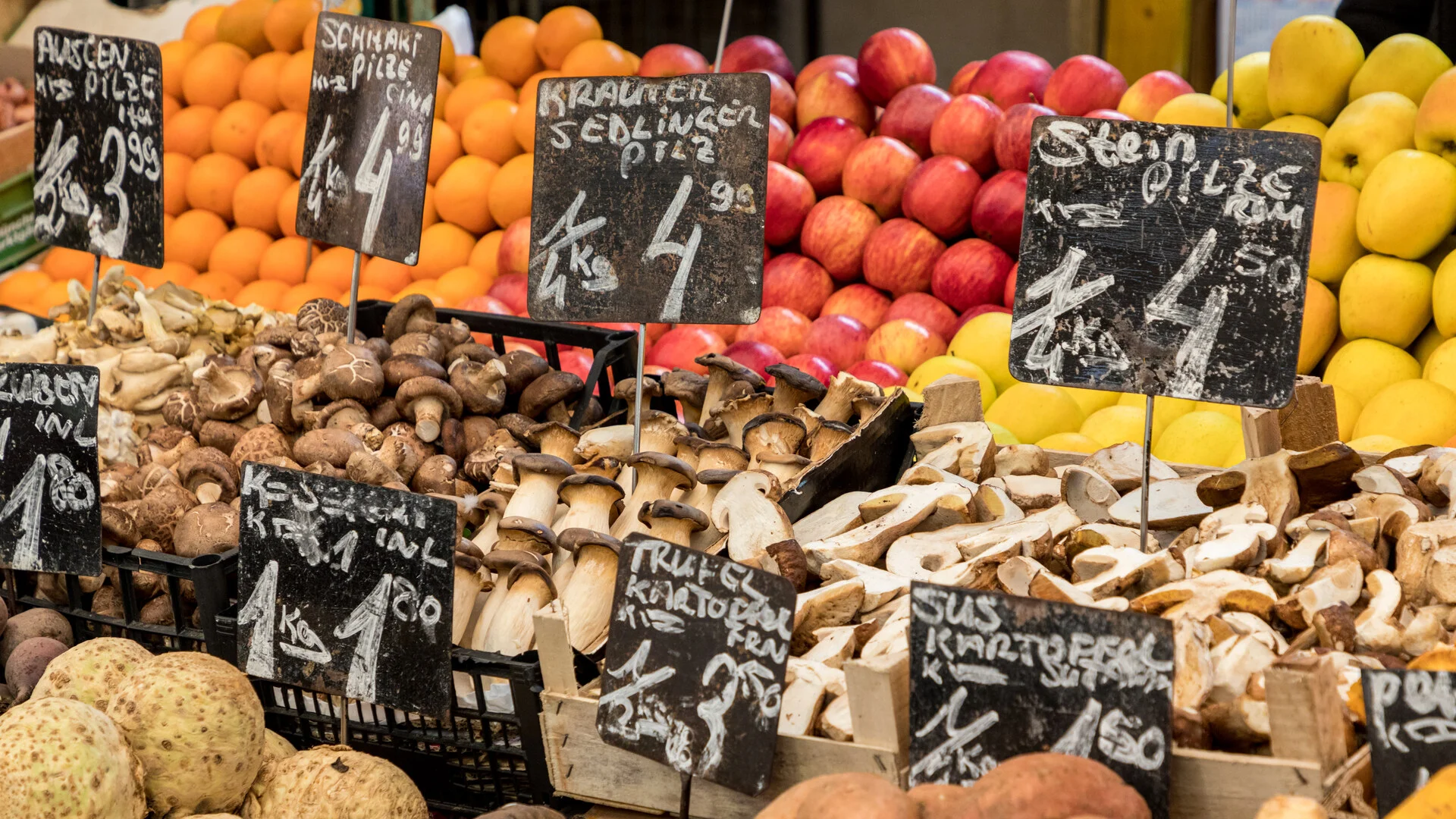
The Naschmarkt has over 120 stalls and is Vienna's most famous open-air market, open Monday to Saturday.
The Naschmarkt is Vienna's most famous market, with over 120 stalls selling spices, cheese, olives, fresh produce, dried fruits, and international street food ranging from Turkish to Vietnamese. It stretches for about 1.5 kilometers along the Wienzeile and has been a market site since the 16th century. Come on a Saturday morning when the western end transforms into a flea market selling antiques, vintage clothes, and curiosities. A Naschmarkt gourmet food tour is the best way to navigate the overwhelming number of stalls and discover the vendors locals actually prefer.
The Wiener Riesenrad (Giant Ferris Wheel) in the Prater is one of Vienna's most iconic landmarks. Built in 1897, this 65-meter wheel was once the tallest in the world and featured in the 1949 film "The Third Man." The ride takes about 15 minutes and offers views over the city from enclosed wooden cabins. The surrounding Prater park is free to enter and includes a massive amusement area plus kilometers of tree-lined paths for walking and cycling. Book a Giant Ferris Wheel skip-the-line ride to avoid the queue, especially on weekends.
For a uniquely Viennese evening, head to the hills on the outskirts of the city for a Heurigen experience. Heurigen are traditional wine taverns in neighborhoods like Grinzing, Neustift, and Nussdorf, where local winemakers serve their own young wine (called Heuriger) alongside cold buffets of bread, cheese, spreads, and cured meats in rustic garden settings. Kahlenberg hill, just above the Heurigen districts, offers panoramic views over the entire Danube Valley and the city below. A Vienna wine tasting tour with a wine expert is a great way to discover the Heurigen culture with transport included.
Danube Island (Donauinsel) is a 21-kilometer artificial island that locals use for swimming, cycling, barbecuing, and sunbathing in summer. It is free, easy to reach by U-Bahn, and rarely visited by tourists. The Stadtpark, meanwhile, is home to the famous golden Johann Strauss statue, one of the most photographed monuments in Vienna.
🚂 Best Day Trips from Vienna
Vienna's central location in Europe makes it an excellent base for day trips. Four destinations stand out, and each offers something completely different from the city experience.
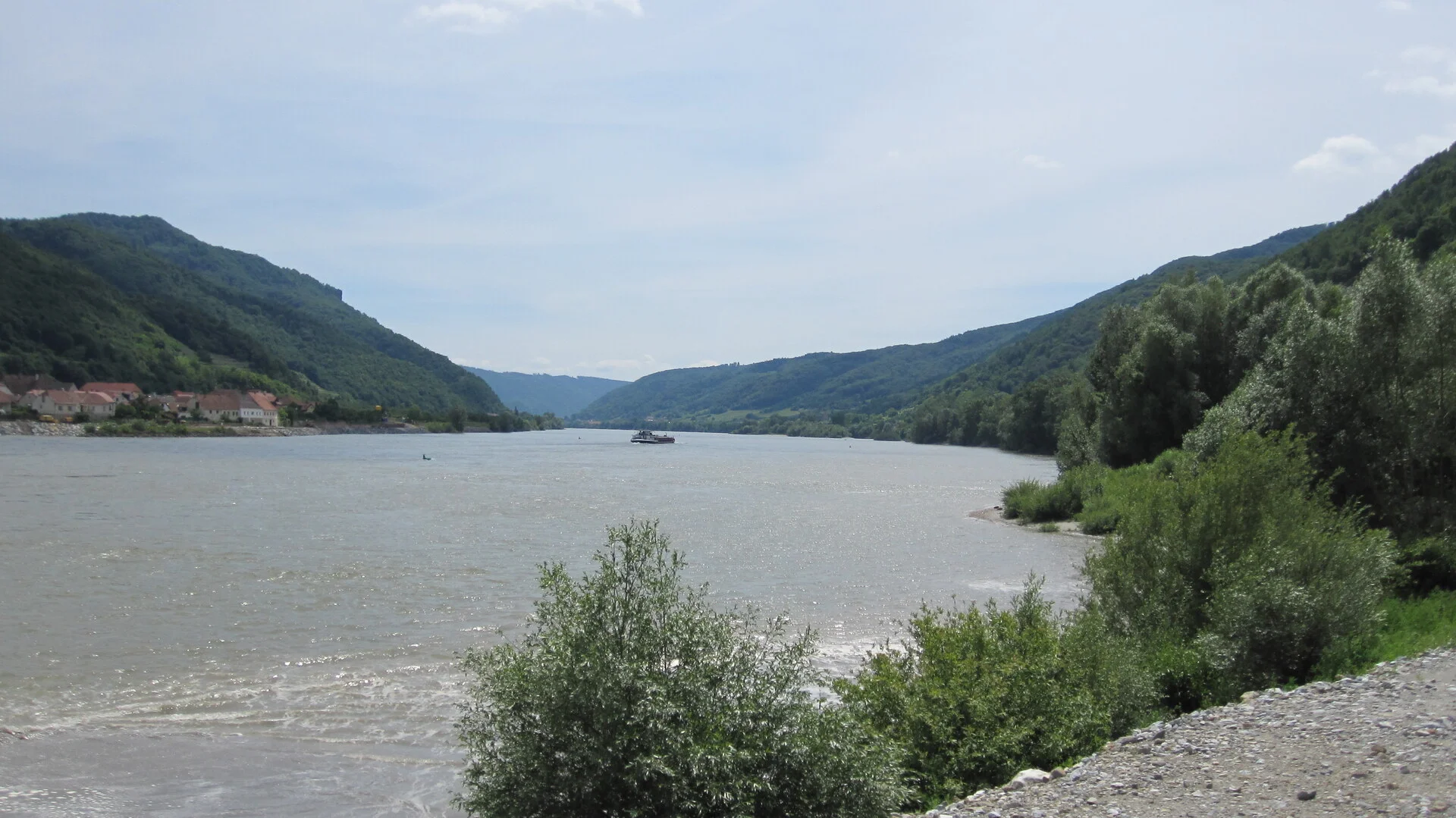
The UNESCO-listed Wachau Valley is just 1.5 hours from Vienna, with terraced vineyards, medieval towns, and Danube cruises.
Salzburg (2.5 hours by Railjet train, €30 to €60) is the most popular day trip from Vienna, and for good reason. Mozart's birthplace is a baroque masterpiece surrounded by the Alps, with the Hohensalzburg Fortress towering over the Old Town, the stunning Mirabell Gardens, and the cathedral square where "The Sound of Music" was filmed. A guided Salzburg day trip from Vienna includes transport, walking tour, and free time, making the logistics simple for a long day. We found Salzburg compact enough to cover the highlights in one day, though an overnight stay lets you explore at a more relaxed pace.
Wachau Valley (1.5 hours from Vienna) is a UNESCO World Heritage Site along the Danube, famous for its terraced vineyards, apricot orchards, medieval castles, and the picturesque blue-and-white town of Dürnstein where Richard the Lionheart was imprisoned. The best way to experience it is a Wachau Valley day trip with Melk Abbey and Danube boat cruise, which combines a visit to the spectacular Melk Abbey (a baroque Benedictine monastery on a cliff above the river) with a scenic cruise through the valley.
Bratislava (1 hour by train, €10 to €25) is the closest foreign capital to Vienna and one of the most underrated cities in Europe. The compact Old Town is charming, the food is excellent and affordable, and the Bratislava Castle offers fine views over the Danube. It works perfectly as a half-day trip or a relaxed full day. If you are continuing east, it connects perfectly to our recommendation for Budapest in our Central Europe itinerary.
Hallstatt (3.5 hours by train or organized tour) is the fairy-tale lakeside village that became an Instagram sensation, surrounded by the Dachstein Alps and perched on the shore of a crystal-clear lake. It is a long day trip but the scenery is genuinely breathtaking. A Hallstatt day trip from Vienna with boat ride option handles the complex transport logistics and gives you free time to explore the village and take the optional boat ride.
🎒 Practical Tips for Visiting Vienna
Best time to visit: April to June and September to October are ideal, with mild temperatures (15 to 25°C), blooming parks, and manageable crowds. July and August are warm (25 to 30°C) but busier and more expensive. Winter (December to February) is cold (0 to 5°C) but magical for Christmas markets, which run from mid-November to late December at locations including the Rathaus, Schönbrunn, and Belvedere.
Getting around: Vienna has one of the best public transport systems in Europe. The U-Bahn (metro), trams, and buses cover the entire city efficiently. A 24-hour ticket costs €8, a 48-hour ticket €14.10, and a 72-hour ticket €17.10. Buy them at any U-Bahn station. Most central sights are also walkable, and the city is flat and pedestrian-friendly. If you want to explore further, check out our guide to skip-the-line tickets across Europe for more tips.
| Option | Price | Best For |
|---|---|---|
| Vienna Pass (1 day) | €87 | Museum-heavy itineraries (3+ attractions/day) |
| Vienna Pass (2 days) | €110 | Thorough sightseeing with day trip |
| Vienna City Card (24h) | €17 | Discounts + free public transport |
| Individual tickets | Varies | 1-2 specific attractions only |
Vienna Pass vs Vienna City Card comparison
Vienna Pass vs Vienna City Card comparison
Where to stay: The Innere Stadt (1st District) puts you in the historic center within walking distance of the Hofburg, St. Stephen's Cathedral, and the State Opera, but prices are premium. Neubau (7th District) is trendy with great restaurants and bars near the MuseumsQuartier. Mariahilf (6th District) borders the Naschmarkt and offers excellent value. Leopoldstadt (2nd District) near the Prater is well-connected and more affordable.
Budget: Expect €120 to €180 per person per day for a mid-range trip covering accommodation (€100 to €150 for a 3-star hotel double room), food (€40 to €60 for meals and coffee), attractions (€30 to €50 per person), and transport (€8 for a 24-hour pass). The Vienna Pass can cut attraction costs significantly if you are visiting multiple sights. The Vienna City Card is better for budget travelers who want free transport and moderate discounts.
Tipping: Round up to the nearest euro at cafés, or add 5 to 10% at restaurants. Say "Stimmt so" ("keep the change") when paying. Language: German is the official language, but English is widely spoken in tourist areas. Learn "Grüß Gott" (hello, the Austrian greeting), "Danke" (thank you), and "Bitte" (please/you're welcome).
Frequently Asked Questions About Vienna
How many days do you need in Vienna?
We recommend 3 to 4 days for a first visit to Vienna. That gives you a full day for Schönbrunn Palace and its gardens, a day for the Hofburg and the historic center, a day for museums (Belvedere and Kunsthistorisches), and time for coffee house visits, an evening concert, and possibly a day trip to the Wachau Valley or Salzburg. With only 2 days, prioritize Schönbrunn, the Hofburg, and one evening concert.
Is the Vienna Pass worth it?
The Vienna Pass is worth it if you plan to visit 3 or more major attractions per day. The 1-day pass costs approximately €87 and includes skip-the-line entry to over 70 attractions, including Schönbrunn Palace (€29), the Belvedere (€18.50), Kunsthistorisches Museum (€21), and the Giant Ferris Wheel (€15). It also includes hop-on/hop-off buses. For museum-heavy itineraries, the pass pays for itself within the first day.
What is the best time to visit Vienna?
April to June and September to October are the best months to visit Vienna. Spring brings mild temperatures (15 to 22°C), blooming gardens, and fewer crowds. Autumn offers similar weather plus wine harvest season. Summer (July to August) is warm but crowded. Winter is ideal for Christmas markets, which run from mid-November to late December, though temperatures drop to 0 to 5°C.
How do you get from Vienna to Salzburg?
The fastest way to get from Vienna to Salzburg is by ÖBB Railjet train, which takes 2 hours and 22 minutes and costs €30 to €60 depending on when you book. Trains depart from Vienna Hauptbahnhof approximately every 30 minutes. Book early on oebb.at for the cheapest fares. Organized day trips from Vienna with a guide and transport typically cost €80 to €130 on GetYourGuide.
What food should you try in Vienna?
The must-try foods in Vienna are Wiener Schnitzel (breaded and fried veal cutlet, best at Figlmüller), Sachertorte (chocolate cake with apricot jam, original at Hotel Sacher), Apfelstrudel (apple strudel served warm with vanilla sauce), Kaiserschmarrn (shredded pancake with plum compote), and Tafelspitz (boiled beef with horseradish sauce, a Viennese classic at Plachutta). For coffee, order a Melange, Vienna's version of a cappuccino.
Can you visit Schönbrunn Palace without a ticket?
The Schönbrunn Palace gardens, including the Gloriette viewpoint, Neptune Fountain, and Privy Garden, are free to enter year-round. However, entering the palace interior requires a ticket. The Imperial Tour (22 rooms) costs approximately €24 and the Grand Tour (40 rooms) costs approximately €29. Skip-the-line tickets purchased in advance are recommended during peak season to avoid queues of 60 to 90 minutes.
Is Vienna expensive?
Vienna is moderately expensive by European standards. A mid-range daily budget for a couple is approximately €240 to €360, covering accommodation (€100 to €150 for a 3-star hotel), food (€40 to €60 for meals and coffee), attractions (€30 to €50 per person), and public transport (€8 for a 24-hour ticket). The Vienna Pass and early-booked train tickets can reduce costs significantly. Coffee houses are affordable at €5 to €7 for a Melange.
Start Planning Your Vienna Trip
Vienna is a city that manages to feel both grand and intimate. One moment you are standing in a palace ballroom where empires were governed, the next you are tucked into a corner booth at a 200-year-old coffee house, debating whether to order a second slice of Sachertorte (order it). The classical concerts alone are worth the trip. The food, the museums, the Heurigen wine taverns in the hills, and the absurdly beautiful architecture are all bonuses that make Vienna one of the best cities in Europe to visit.
Start planning your trip by booking skip-the-line tickets for Schönbrunn Palace and the Hofburg on GetYourGuide. These are the two attractions where advance booking saves the most time, especially between May and October. Add an evening concert at the Orangery or the Musikverein, and you will have the foundations of an unforgettable Vienna itinerary.
If you are building a longer European trip, do not miss our guides to the best things to do in Amsterdam and our 7-day Switzerland itinerary for more inspiration.