
7-Day Switzerland Itinerary by Train (2026)
This article contains affiliate links. If you make a purchase through these links, we may earn a small commission at no extra cost to you. This helps us keep creating free content for you!
Planning a week in Switzerland? You're in for a treat! Switzerland draws millions of visitors each year with its Alpine peaks, pristine lakes, and efficient rail network. We've traveled through Switzerland multiple times, and we're sharing a 7-day Switzerland itinerary that balances iconic cities, mountain experiences, and practical travel tips.
This itinerary is designed for first-time visitors who want to see the highlights without feeling rushed. We'll cover Zurich, Lucerne, Interlaken, and Zermatt—four destinations that showcase Switzerland's diversity. Whether you're into hiking, photography, or city culture, this route has something for you. If you're planning a longer trip, check out our 2-week Western Canada RV itinerary for another epic mountain adventure.
Ready to explore? Let's dive into your perfect 7-day Switzerland adventure!
🗺️ Overview: Your 7-Day Switzerland Route at a Glance
This Switzerland 7-day itinerary takes you through the country's most iconic destinations, connected by one of the world's most efficient train networks. Here's what to expect:
Day-by-Day Breakdown
- Day 1: Arrival in Zurich and city exploration
- Day 2: Zurich to Lucerne (45-minute train journey)
- Day 3: Mount Pilatus or Mount Rigi mountain excursion
- Day 4: Lucerne to Interlaken (2-hour scenic train ride)
- Day 5: Jungfraujoch "Top of Europe" experience or alternative mountain adventures
- Day 6: Interlaken to Zermatt (2.5-3 hour train journey)
- Day 7: Zermatt exploration and departure
Route: Zurich → Lucerne → Interlaken → Zermatt
This route covers approximately 350 kilometers by train, taking you from Switzerland's largest city through medieval lakeside towns to the heart of the Bernese Oberland and finally to the iconic Matterhorn region. The entire journey is best done by train—Switzerland's rail network is so efficient that driving would actually be slower and more stressful.

Click to load our interactive map
Click to explore the interactive map of our 7-day Switzerland itinerary covering Zurich, Lucerne, Interlaken, and Zermatt
Interactive map showing the 7-day Switzerland itinerary route from Zurich to Lucerne, Interlaken, and Zermatt
Best Time to Visit
Late May through early October is ideal. June and September offer the best balance of weather, accessibility, and manageable crowds. July and August are peak season with higher prices.
This route balances city culture, mountain experiences, and practical efficiency. We recommend the Swiss Half Fare Card + Berner Oberland Pass combo, which provides excellent value for this itinerary. Ready to dive into the day-by-day details? Let's start with Day 1 in Zurich!
📅 Day 1: Arrival in Zurich and City Exploration
Welcome to Switzerland! Your 7-day Switzerland itinerary begins in Zurich, the country's largest city and financial hub. Despite its business reputation, Zurich offers charming Old Town streets, beautiful lake views, and some of Switzerland's best chocolate experiences.
Arriving at Zurich Airport
Zurich Airport (ZRH) is well-connected to the city center. The easiest option is the train—trains run every 10-15 minutes and take just 10 minutes to reach Zurich Hauptbahnhof (main station). A one-way ticket costs around 6.80 CHF. With the Swiss Half Fare Card, you'll pay half price (around 3.40 CHF).
From the main station, you can walk to most hotels in the city center or take a short tram ride. Zurich's public transportation is efficient and easy to navigate.
Where to Stay in Zurich
For this itinerary, we recommend staying in or near the Old Town (Altstadt) area. This puts you within walking distance of major attractions and the train station. Here are our recommendations by budget:
- Budget: Hostels in the Old Town area offer dorm beds from 40-60 CHF per night
- Mid-range: 3-star hotels near the train station range from 150-250 CHF per night
- Luxury: 5-star hotels along Bahnhofstrasse start at 400+ CHF per night
Book your accommodation well in advance, especially during summer months. Zurich hotels fill up quickly, and prices increase significantly during peak season.
Top Attractions in Zurich
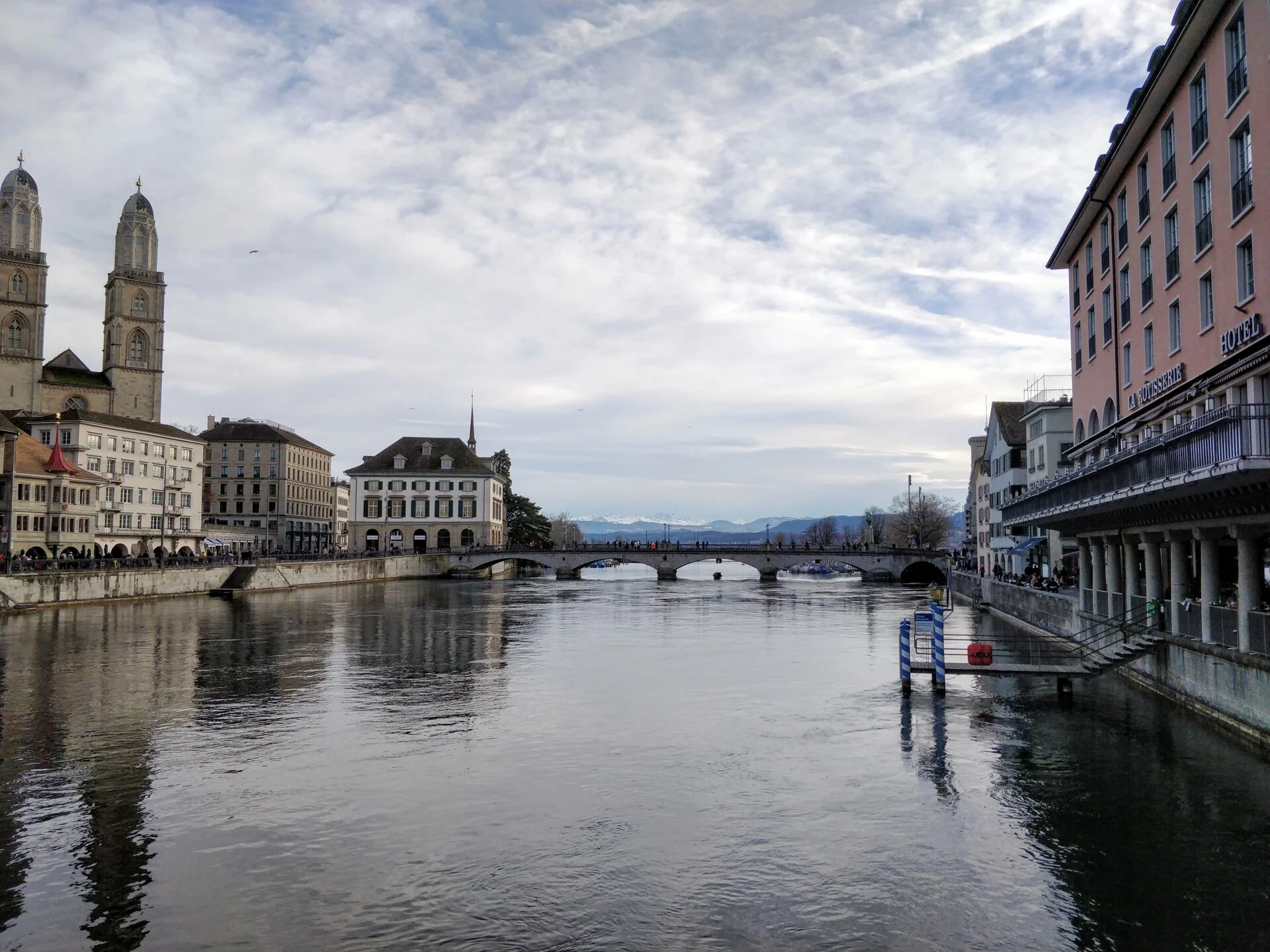
Zurich's compact size means you can see the highlights in one day. Start with a walk through the Old Town (Altstadt), where medieval buildings line narrow cobblestone streets. Don't miss the Grossmünster church towers for panoramic city views.
Bahnhofstrasse is one of the world's most expensive shopping streets—even if you're not shopping, it's worth a stroll to see the luxury storefronts. For a more local experience, explore the Niederdorf area with its cafes, bars, and independent shops.
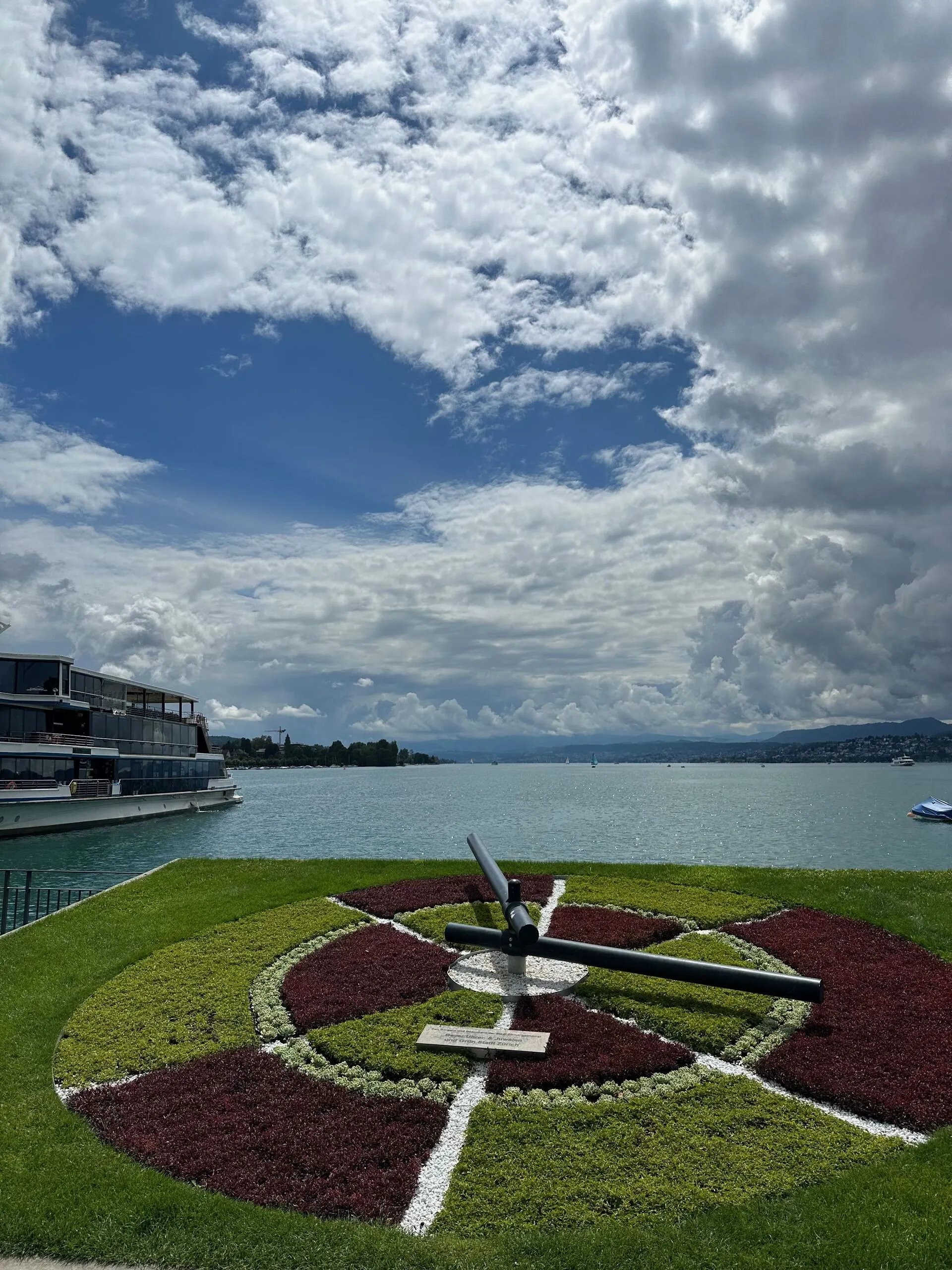
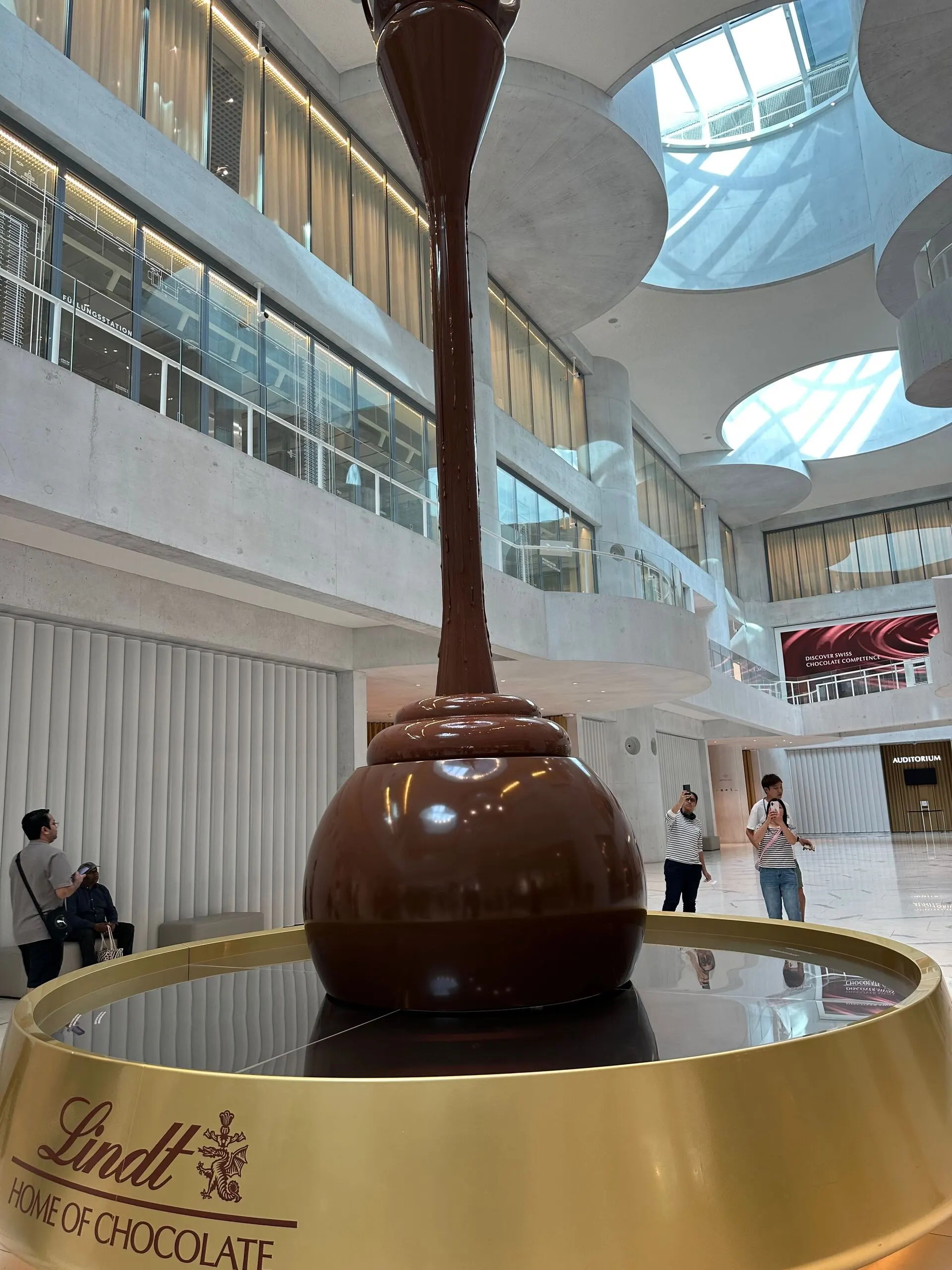
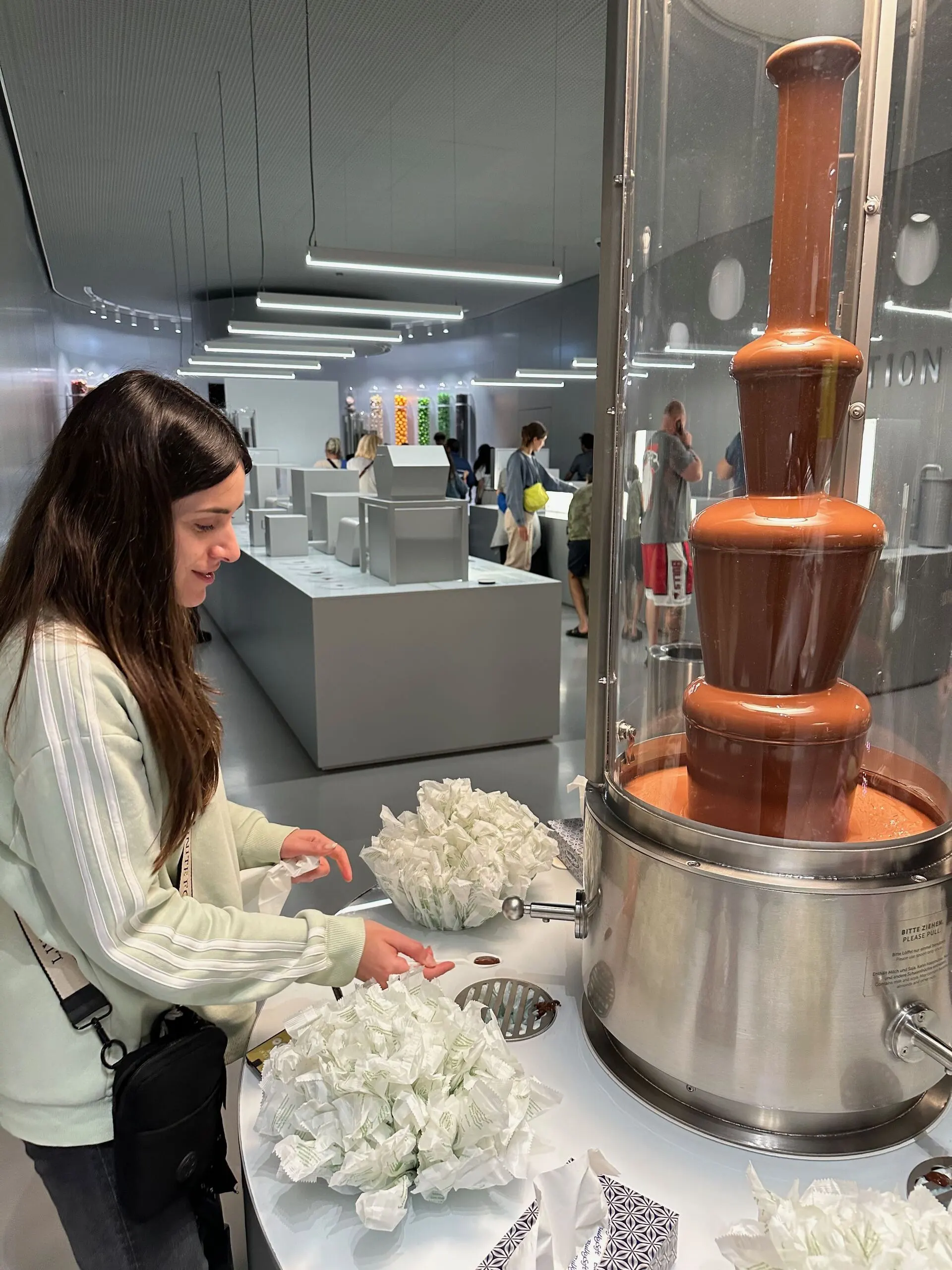
The Blumenuhr clock and Lindt Home of Chocolate are must-see attractions in Zurich.
Lake Zurich Cruise
A Lake Zurich cruise offers stunning views of the lake, surrounding mountains, and lakeside villages. The boat departs from Bürkliplatz (near the Opera House). With the Swiss Half Fare Card, you'll get 50% off boat tickets. Short cruises (1-2 hours) are perfect for a first-day activity.
Lindt Home of Chocolate
No visit to Zurich is complete without experiencing Swiss chocolate, and the Lindt Home of Chocolate is a must-visit. This interactive museum and chocolate factory is located just outside the city center (easily accessible by tram) and offers an immersive chocolate experience.
We spent hours here learning about chocolate history, watching the production process, and—most importantly—tasting. The unlimited chocolate fountain is a highlight, and we may have sampled 14 spoonfuls (we're not proud, but we're not sorry either). The museum shop has an incredible selection of Lindt chocolates, perfect for gifts or personal consumption.
Book tickets in advance online to avoid queues, especially during peak season. The experience takes 2-3 hours, so plan accordingly.
Evening Activities
For sunset views, head to Lindenhof Hill—a peaceful park with panoramic views of the Old Town and Limmat River. It's free and a perfect end to your first day. For budget-friendly meals, check out Coop grocery stores (there's one in the train station) for sandwiches, salads, and prepared meals.
Practical Tip: Transportation Passes
If you haven't already, this is the perfect time to purchase your Swiss Half Fare Card. It gives you 50% off all train journeys for the month, including the trip to Lucerne tomorrow, plus 50% off mountain excursions. When you reach Interlaken, you can add the Berner Oberland Pass (with your Half Fare discount) for unlimited travel in that region. We'll cover more details in the transportation section, but trust us—this combo is the best value for this itinerary.
📅 Day 2: Zurich to Lucerne - Gateway to Central Switzerland
Today you'll leave Zurich behind and head to Lucerne, one of Switzerland's most picturesque cities. The journey is short (just 45 minutes by train), but the destination is unforgettable.
Morning: Leave Zurich Early
We recommend leaving Zurich early today to maximize your time in Lucerne. The train journey is only 45 minutes, so if you catch an early morning train (around 8-9 AM), you'll arrive in Lucerne with plenty of time to explore. This gives you the opportunity to visit Castle Meggenhorn in the morning—a perfect activity before diving into the city center.
If you didn't have time yesterday to explore Zurich, you can always return at the end of your trip or spend a few hours before your early departure. The Swiss National Museum is excellent if you're interested in Swiss history, or you could take a short walk to Uetliberg mountain for city views (about 30 minutes by train from the city center).
Train Journey: Zurich to Lucerne
The train from Zurich to Lucerne takes just 45 minutes and runs frequently throughout the day. The route follows Lake Zurich for part of the journey, offering scenic views. With the Swiss Half Fare Card, you'll pay half price for this journey—no need to book in advance, just hop on any train.
The train arrives at Lucerne's main station, which is conveniently located right in the city center. From the station, you can walk to most hotels in 5-15 minutes.
Arriving in Lucerne: Orientation
Lucerne is much smaller than Zurich and incredibly walkable. The city is built around Lake Lucerne (Vierwaldstättersee), with the Reuss River flowing through the center. The Old Town is on the north side of the river, while the train station and most hotels are on the south side.
Drop your luggage at your hotel (most hotels allow early check-in or will store your bags), then head out to explore. Lucerne's compact size means you can see the main attractions in one afternoon.
Morning Activity: Castle Meggenhorn
If you arrived early, start your Lucerne experience with a visit to Castle Meggenhorn. This beautiful castle with stunning gardens is perfect for a morning visit. Take a short boat ride or bus trip from Lucerne to reach the castle grounds. The restaurant was closed when we visited, but the gardens alone are worth the trip. The views of Lake Lucerne from the castle grounds are spectacular, especially in the morning light.
The castle is a peaceful escape from the city center and offers a different perspective of Lake Lucerne. It's a great way to start your day before heading into the bustling Old Town. Plan to spend about 1-2 hours here, then return to Lucerne for lunch and afternoon exploration.
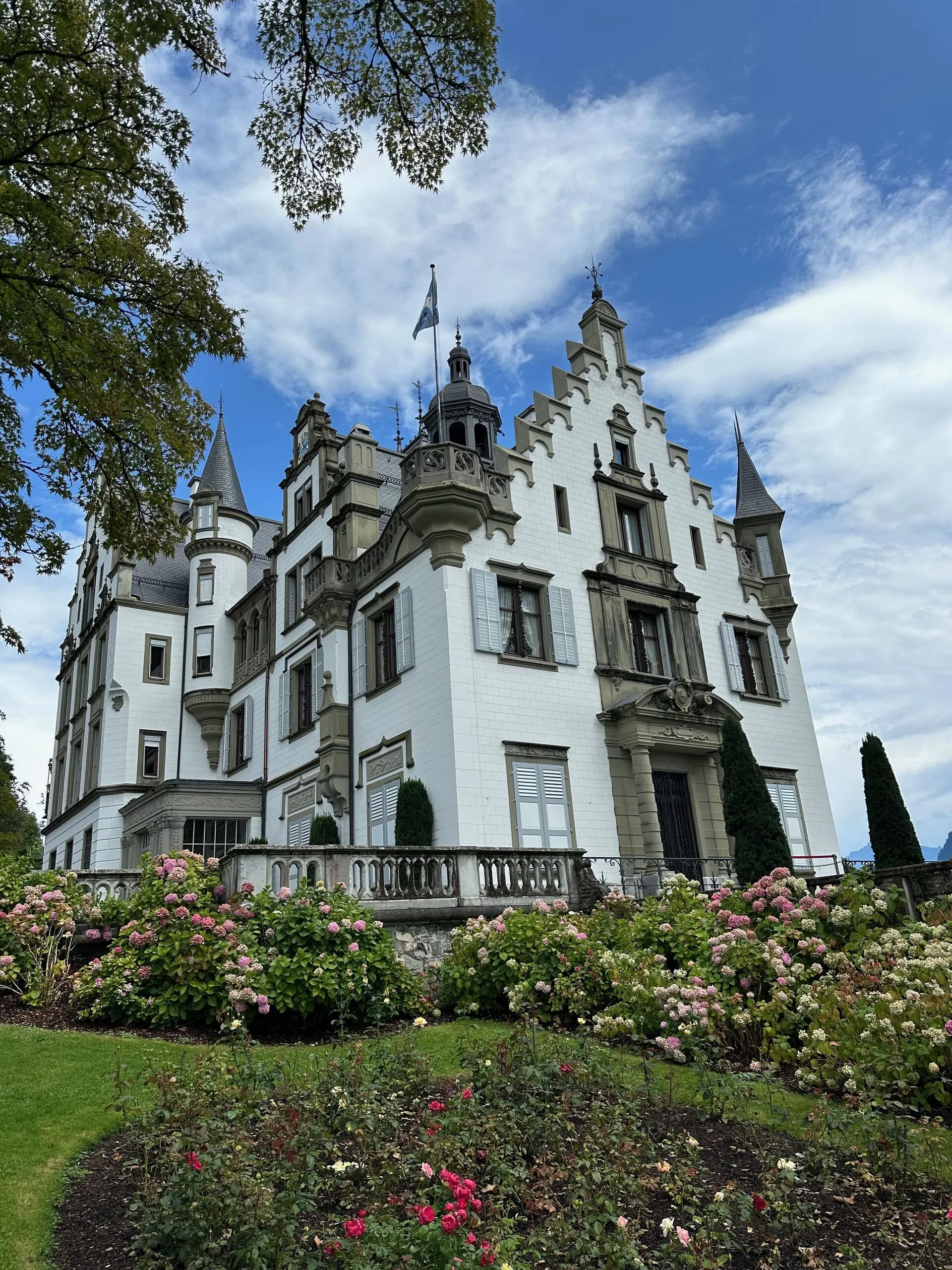

Castle Meggenhorn offers stunning views of Lake Lucerne and is perfect for a morning visit.
Where to Stay in Lucerne
We recommend staying near the lake or Old Town for the best experience. Here are our recommendations:
- Budget: Hostels near the train station offer beds from 35-55 CHF per night
- Mid-range: 3-star hotels in the Old Town or lakeside range from 140-220 CHF per night
- Luxury: 5-star lakeside hotels start at 350+ CHF per night
Afternoon Activities: Chapel Bridge and Old Town
Start your Lucerne exploration at the Chapel Bridge (Kapellbrücke), the city's most iconic landmark. This covered wooden bridge dates back to the 14th century and features beautiful paintings under its roof. Unfortunately, much of the original bridge was destroyed in a 1993 fire, but it's been carefully restored.
The Water Tower next to the bridge is equally historic and photogenic. Walk across the bridge, then explore the Old Town on the north side of the river. The cobblestone streets, colorful buildings, and charming squares are perfect for wandering.
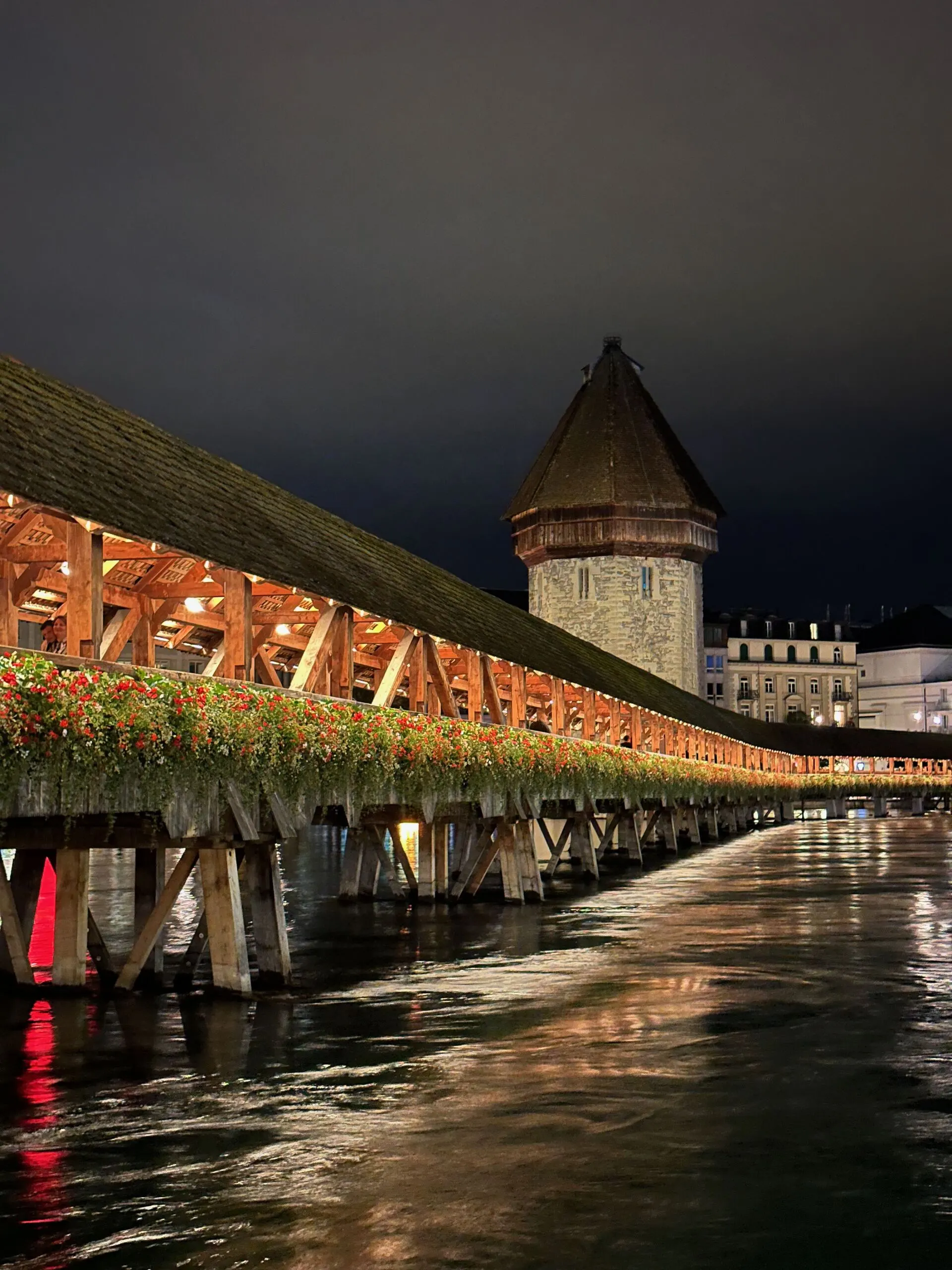
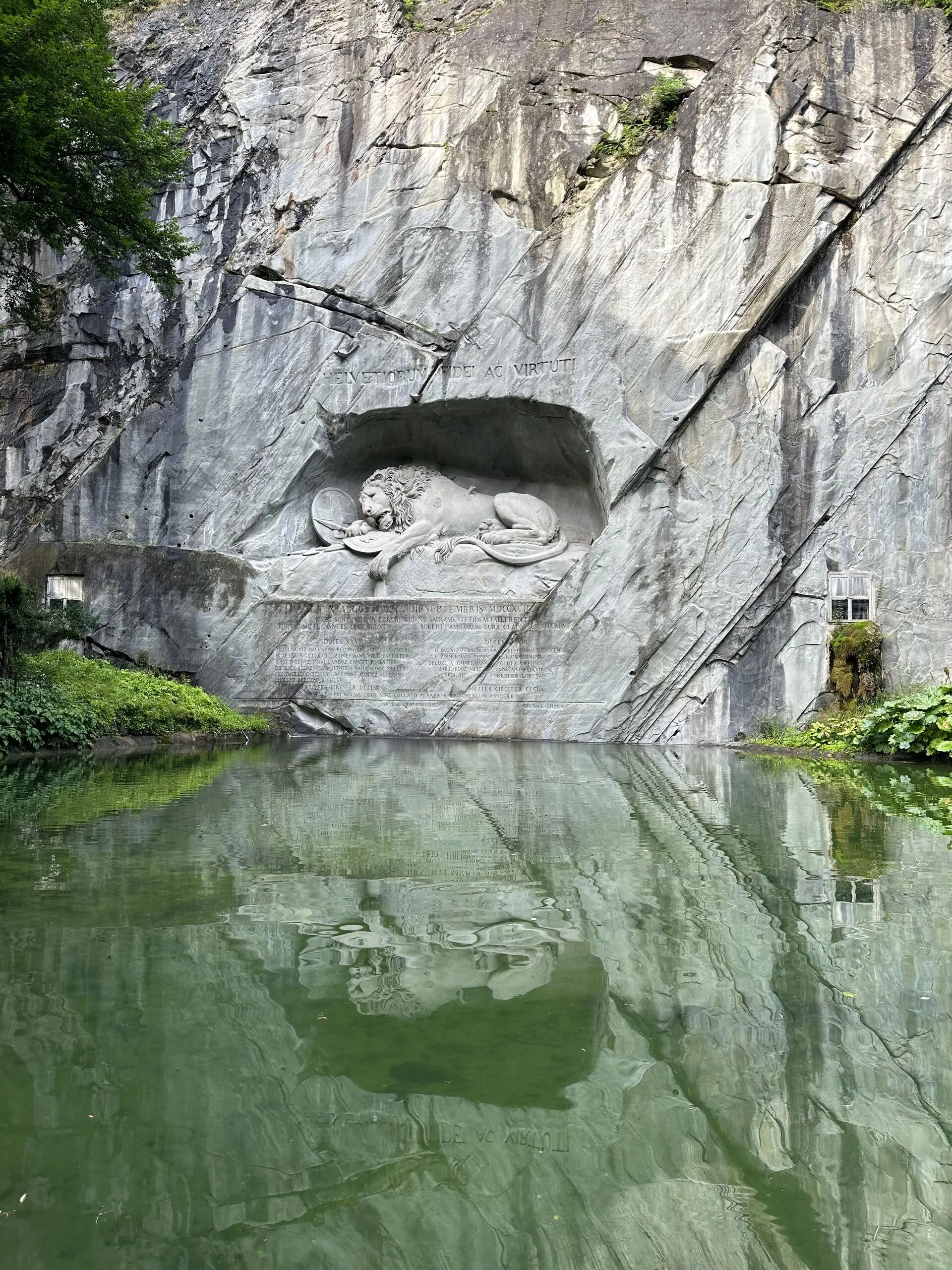
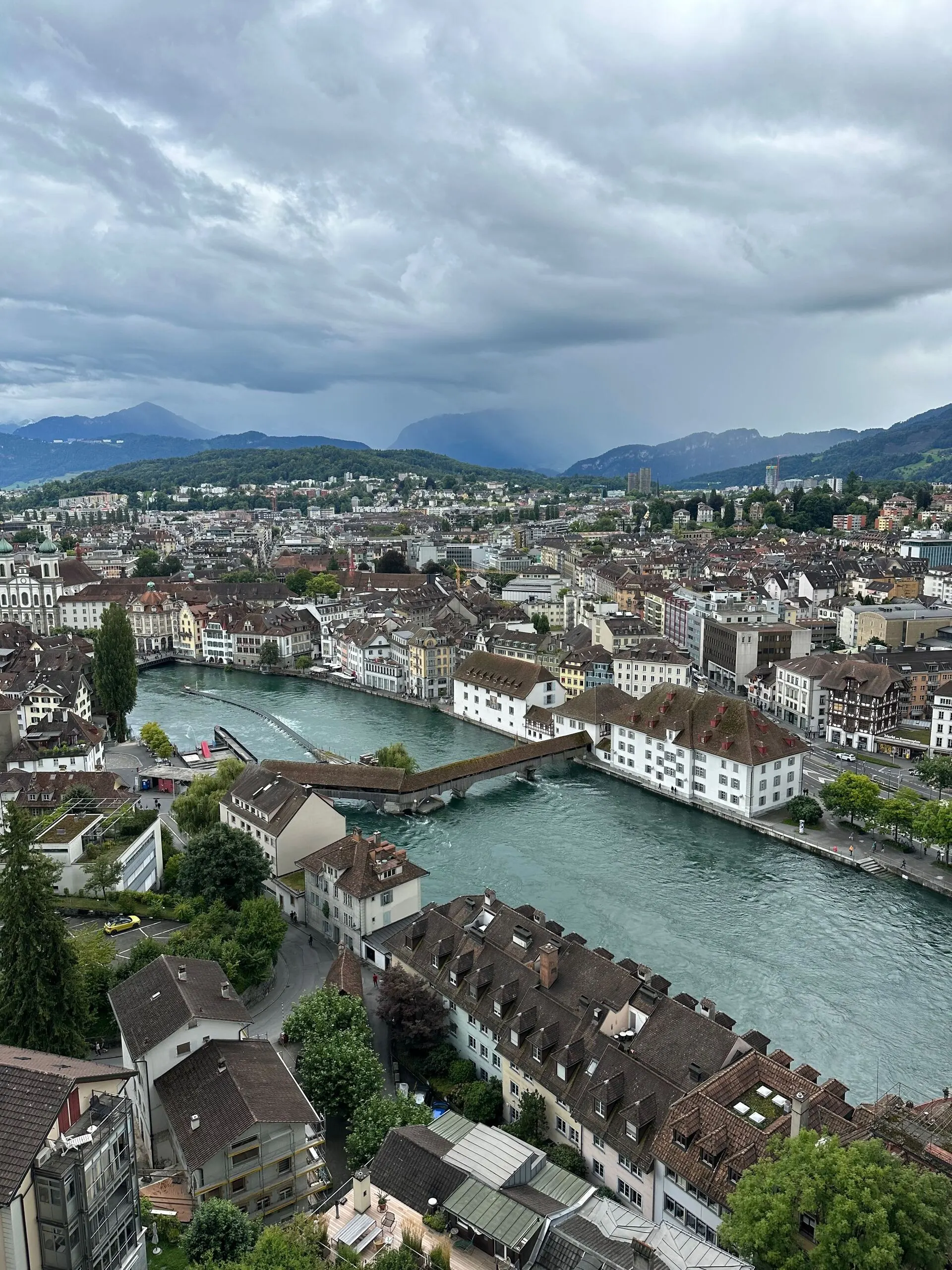
The Chapel Bridge, Lion Monument, and Museggmauer are among Switzerland's most photographed locations.
Lion Monument
A short walk from the Old Town brings you to the Lion Monument (Löwendenkmal), one of the world's most famous monuments. Carved into a sandstone cliff, this dying lion commemorates the Swiss Guards who died defending the Tuileries Palace during the French Revolution. It's free to visit and worth taking a few moments to appreciate.
Evening: Lakeside Dining
Lucerne's lakeside location means excellent dining options with views. We recommend reserving a table at a lakeside restaurant for dinner—the sunset over Lake Lucerne is spectacular. Try traditional Swiss dishes like fondue or rösti, or opt for fresh fish from the lake.
For a more budget-friendly option, grab food from a grocery store and have a picnic by the lake. The lakeside promenade is perfect for an evening stroll, and you'll see locals doing the same.
Tomorrow, you'll have the option to visit Mount Pilatus, Mount Rigi, or hike the Stoos Ridge—three incredible mountain experiences. Get a good night's rest, because Day 3 is all about the Alps!
📅 Day 3: Lucerne - Mount Pilatus, Mount Rigi, or Stoos Ridge Adventure
Today is all about experiencing the Swiss Alps! You have three excellent options: Mount Pilatus, Mount Rigi, or the Stoos Ridge hike. Each offers incredible mountain experiences, but they're quite different. Let us help you decide.
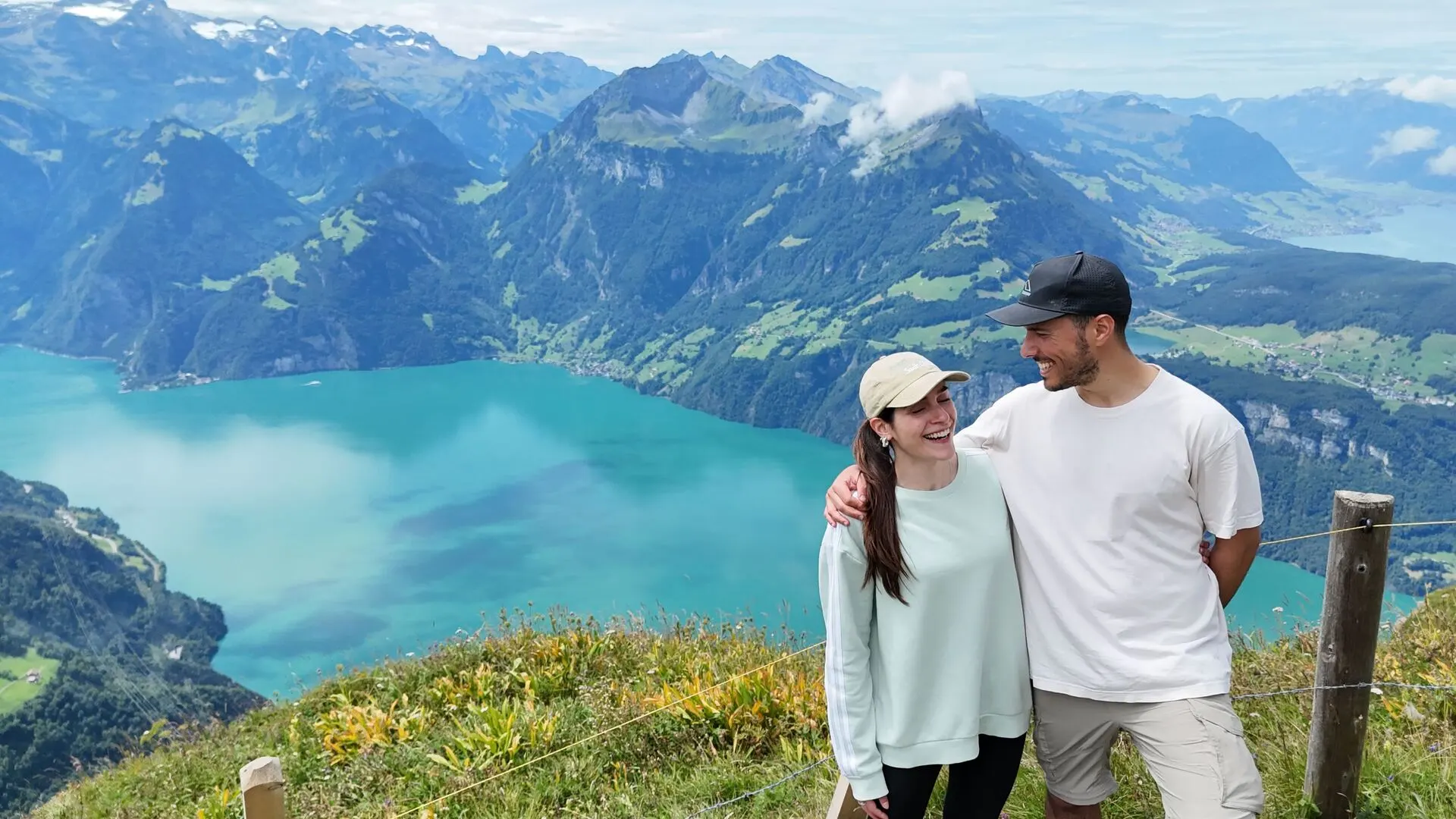
The Stoos Ridge hike offers one of the most spectacular alpine ridge walks in Switzerland, with breathtaking views throughout.
Mount Pilatus vs. Mount Rigi: Which Should You Choose?
Mount Pilatus is more dramatic and adventurous, featuring the world's steepest cogwheel railway and a "Golden Round Trip" that includes boat, cable car, and train. It's higher (2,132 meters) and offers more challenging terrain.
Mount Rigi is gentler and more accessible, known as the "Queen of the Mountains." It's lower (1,798 meters) and offers easier hiking trails, making it better for families or those who prefer less strenuous activities.
We chose Mount Pilatus for the adventure factor, and we weren't disappointed. Here's what to expect:
Mount Pilatus Golden Round Trip
The Golden Round Trip is the best way to experience Mount Pilatus. It combines boat, cable car, cogwheel train, and bus. Start with a scenic boat ride from Lucerne to Alpnachstad (50% off with Swiss Half Fare Card), then board the Pilatus Railway—the world's steepest cogwheel railway (48% gradient)—to reach the 2,132-meter summit.
At the summit, explore viewing platforms, restaurants, and the Flower Trail—a beautiful short walk showcasing alpine flowers. Swiss mountain weather is changeable, so be prepared for varying conditions. Complete the round trip by taking the cable car to Kriens, then a bus back to Lucerne.
Alternative: Mount Rigi - "Queen of the Mountains"
If you prefer a gentler mountain experience, Mount Rigi is an excellent alternative. It's more accessible, with easier hiking trails and a more relaxed atmosphere. The journey involves a boat to Vitznau, then a cogwheel train to the summit. Mount Rigi is particularly beautiful in spring when the wildflowers are in bloom.
Mount Rigi is also 50% off with the Swiss Half Fare Card, making it a more budget-friendly option. It's also better for families with young children or anyone who prefers less strenuous activities.
Our Favorite: Stoos Ridge Hike - For Hiking Enthusiasts
If you love hiking and want an unforgettable alpine ridge walk, the Stoos Ridge (Fronalpstock) is our absolute favorite. This is a challenging but incredibly rewarding hike that takes you along a dramatic ridge with panoramic views of Lake Lucerne and the surrounding Alps. The hike is approximately 4-5 hours round trip and requires good fitness and proper hiking gear.
To reach Stoos, take a train from Lucerne to Schwyz (about 30 minutes), then a bus to Stoos (another 30 minutes). From Stoos, take the funicular up to Klingenstock, where the ridge hike begins. The trail follows the ridge to Fronalpstock, offering breathtaking views the entire way. The path is well-marked but includes some exposed sections, so it's not recommended for those with a fear of heights.
The Stoos Ridge hike is free (you only pay for transportation to Stoos, which is 50% off with the Swiss Half Fare Card), making it an excellent value. The funicular to Klingenstock is also 50% off with the Half Fare Card. This is hands down one of the most spectacular hikes we've done in Switzerland, and we highly recommend it for experienced hikers.
Budget Tip: Half Fare Card Discounts
The Swiss Half Fare Card provides a 50% discount on Mount Pilatus (Golden Round Trip costs around 72 CHF with the card, versus 144 CHF without). Mount Rigi is also 50% off with the Half Fare Card. For the Stoos Ridge, transportation to Stoos and the funicular are both 50% off with the Half Fare Card, and the hike itself is free. Book tickets in advance online, especially during peak season.
After your mountain adventure, return to Lucerne to explore the city walls or take a lakeside walk. Tomorrow, you'll head to Interlaken, the adventure capital of the Bernese Oberland.
📅 Day 4: Lucerne to Interlaken - Heart of the Bernese Oberland
Today you'll journey from Lucerne to Interlaken, the gateway to the Bernese Oberland and one of Switzerland's most beautiful regions. This area is famous for its dramatic mountain peaks, pristine lakes, and adventure activities.
Morning Train Journey: Lucerne to Interlaken
The train from Lucerne to Interlaken takes approximately 2 hours and follows a scenic route through the heart of Switzerland. The journey takes you past Lake Lucerne, through rolling hills, and into the Bernese Oberland region. With the Swiss Half Fare Card, you'll pay half price for this journey—no reservations needed.
The train arrives at Interlaken Ost (East) station, which is the main transportation hub for the region. From here, you can easily access Grindelwald, Lauterbrunnen, and other mountain destinations.
Arriving in Interlaken: Understanding the Town
Interlaken sits between two lakes—Lake Thun and Lake Brienz—hence its name ("between lakes"). The town itself is relatively small and walkable, but it serves as a base for exploring the surrounding Jungfrau Region.
Interlaken has two main train stations: Interlaken Ost (East) and Interlaken West. Most mountain trains depart from Interlaken Ost, while Interlaken West is closer to the town center and hotels. Both stations are connected by a short train ride or 15-minute walk.
Where to Stay: Interlaken vs. Nearby Villages
You have several accommodation options in this region:
- Interlaken: Most convenient for transportation, with good restaurant options and easy access to both lakes. We stayed in a private room at the Interlaken Youth Hostel, as we feel price quality ratio is good, but you can find other budget hostels in the area.
- Grindelwald: A charming mountain village with direct access to First and Eiger. More expensive but offers a true alpine experience.
- Lauterbrunnen: Nestled in a stunning valley with 72 waterfalls. Quieter and more rustic, perfect for nature lovers.
We stayed in Interlaken for convenience, but if you prefer a more authentic mountain village experience, Grindelwald or Lauterbrunnen are excellent choices. Book well in advance, especially during summer.
Afternoon Options: Harder Kulm or Lake Brienz
You'll likely arrive in Interlaken by early afternoon, giving you time for one of these excellent activities:
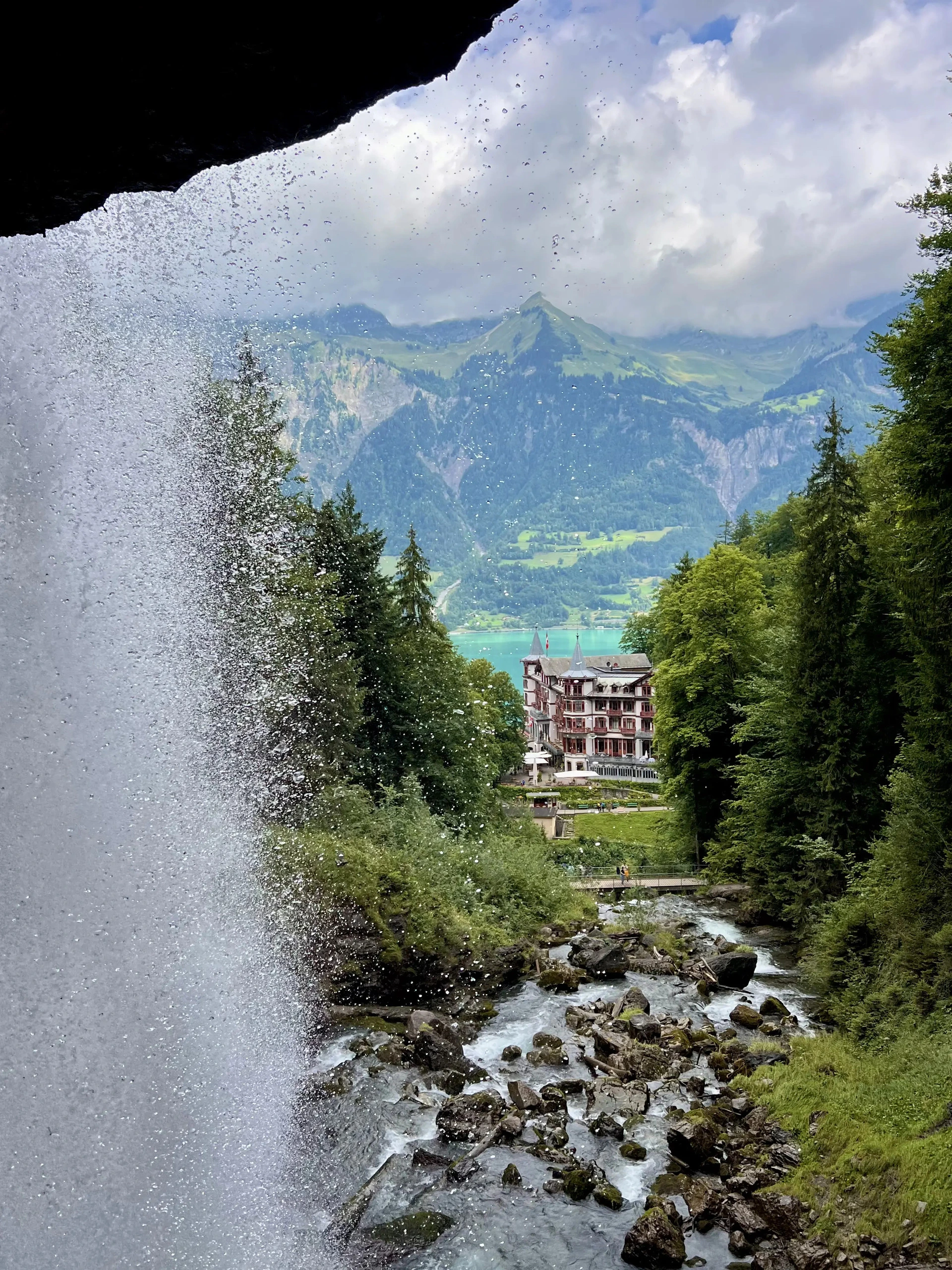
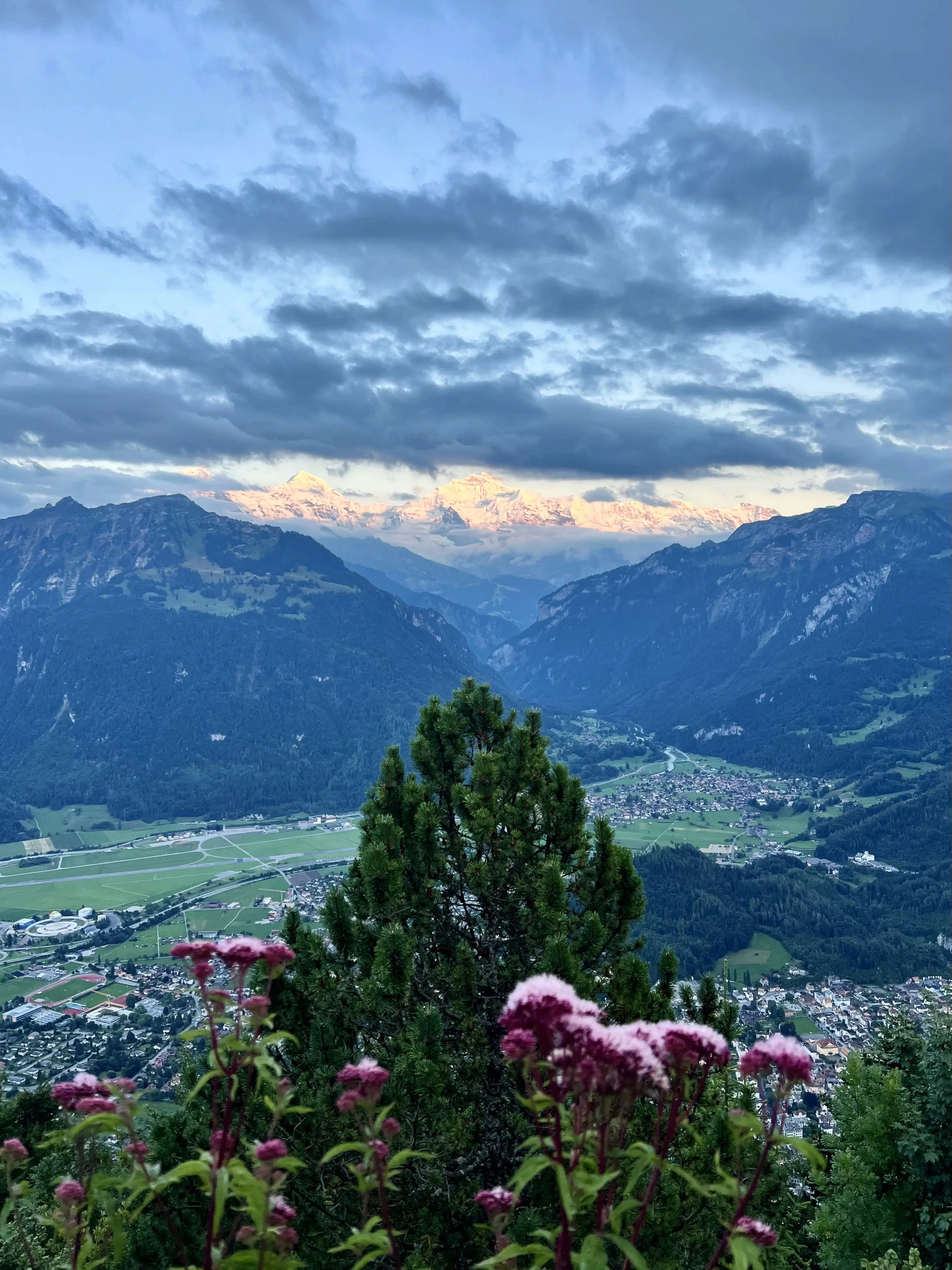
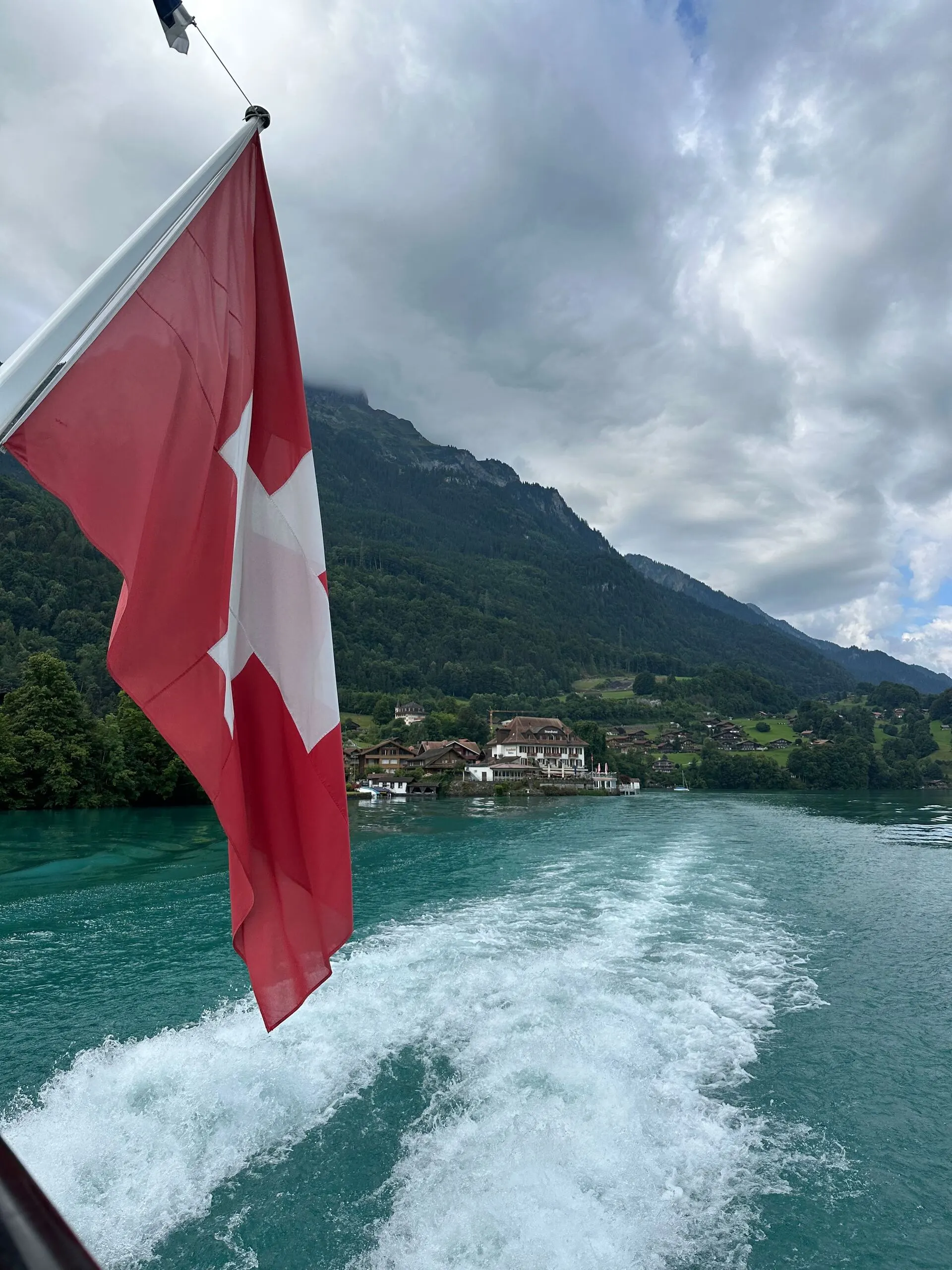
Interlaken and the surrounding region offer stunning lake views and mountain peaks.
Option 1: Harder Kulm Viewpoint
Harder Kulm is Interlaken's local mountain, offering panoramic views of the town, both lakes, and the surrounding peaks. The cogwheel train takes about 10 minutes to reach the summit at 1,322 meters.
We visited Harder Kulm in the evening for sunset, and it was one of our favorite experiences. The restaurant at the summit serves traditional Swiss fondue and raclette, and we enjoyed dinner while watching the sun set over the mountains. The views are spectacular, and the atmosphere is magical as the sky changes colors. We even heard alpine horns being played, which added to the authentic Swiss experience.
The Harder Kulm cogwheel train is free with the Berner Oberland Pass (or 50% off with just the Half Fare Card), making it a budget-friendly option. Book a table at the restaurant in advance if you want to dine during sunset—it gets busy!
Option 2: Lake Brienz Boat Trip
A boat trip on Lake Brienz is another excellent way to spend your afternoon. The boat departs from Interlaken Ost and makes several stops along the lake, including the beautiful Giessbach waterfalls.
We stopped at Giessbach and took the funicular up to the Grandhotel Giessbach, a historic hotel with stunning views of the lake and waterfalls. The funicular ride itself is an experience, and the hotel grounds are beautiful to explore. The waterfalls cascade down in multiple tiers, creating a dramatic natural spectacle.
The boat trip is free with the Berner Oberland Pass (or 50% off with just the Half Fare Card), and you can get on and off at various stops. The entire round trip takes about 2-3 hours, or you can do a one-way trip and return by train.
Brienz Village and Brienz Rothorn Bahn
If you have extra time, consider visiting Brienz village, located at the eastern end of Lake Brienz. The village is charming, but the real highlight is Brunngasse, which has been called "the most beautiful street in Europe." The traditional wooden houses with flower boxes are incredibly photogenic.
From Brienz, you can take the Brienz Rothorn Bahn, a historic steam train that has been operating since 1892. The train climbs to 2,244 meters, offering stunning views of Lake Brienz and the surrounding mountains. It's a unique experience riding a steam train through the Swiss Alps, and the views from the summit are worth the journey.
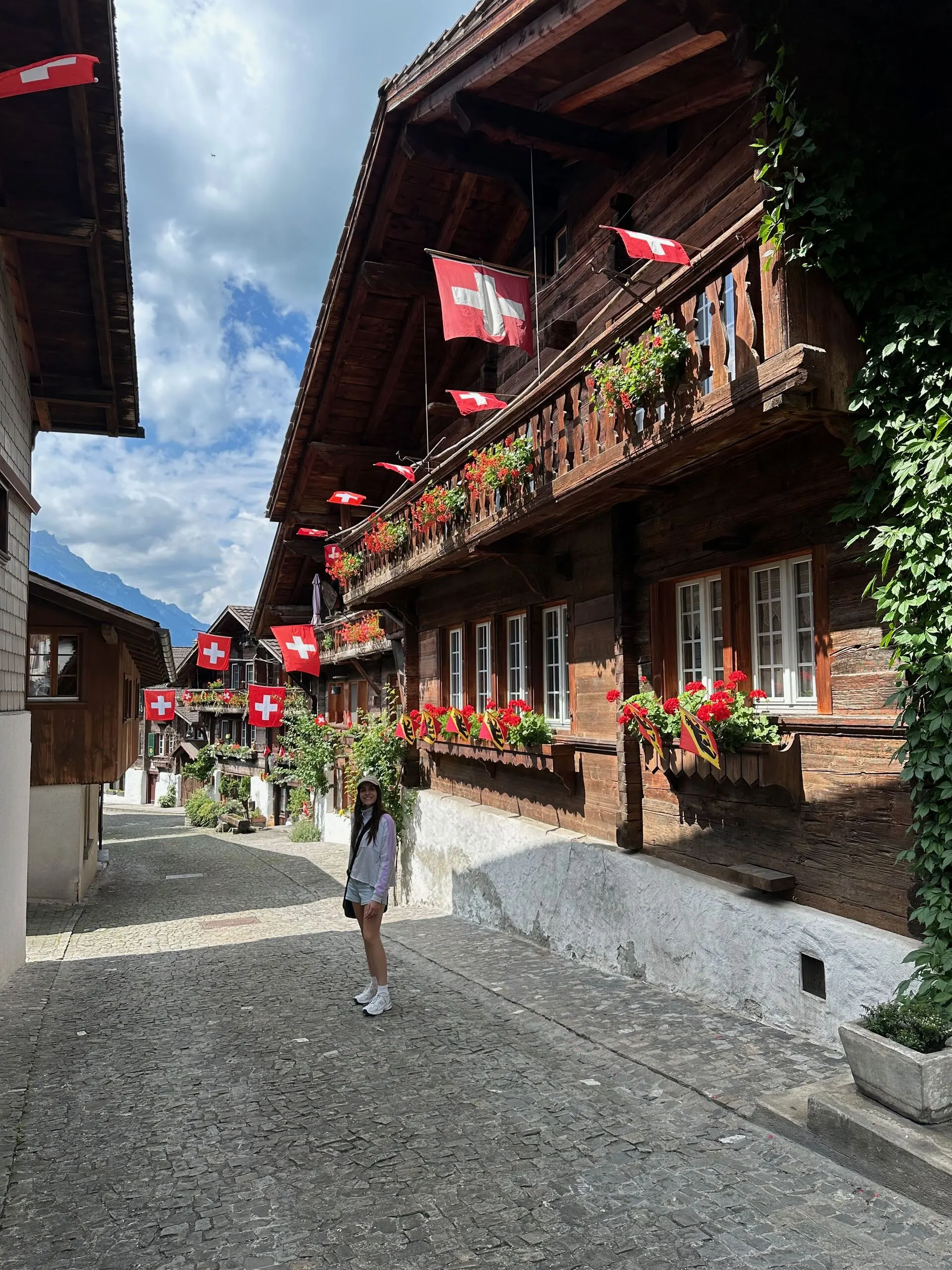
Charming villages like Brienz showcase traditional Swiss architecture and culture.
Introduction to the Jungfrau Region
The Jungfrau Region is one of Switzerland's most spectacular mountain areas, home to three famous peaks: the Eiger, Mönch, and Jungfrau. Tomorrow, you'll have the option to visit Jungfraujoch (the "Top of Europe") or explore alternative mountain experiences.
The region offers incredible hiking, stunning viewpoints, and world-class mountain railways. Even if you don't visit Jungfraujoch, there are plenty of other ways to experience the beauty of this area.
Evening: Interlaken's Adventure Activities
Interlaken is known as the adventure capital of Switzerland. If you're feeling adventurous, you can try paragliding, skydiving, canyoning, or bungee jumping. These activities are available year-round (weather permitting) and can be booked through local operators.
For a more relaxed evening, take a walk along the Höheweg (Interlaken's main street), enjoy dinner at one of the many restaurants, or simply relax and prepare for tomorrow's mountain adventure.
Tomorrow is a big day—you'll either visit Jungfraujoch or explore alternative mountain experiences. Get a good night's rest and prepare for some of Switzerland's most spectacular scenery!
Where to Stay in Switzerland
Book through this map and you help support our travels, at no extra cost to you. We earn a small commission, and it means a lot.
📅 Day 5: Jungfraujoch Experience - Top of Europe or Alternative Adventures
Today is one of the highlights of your 7-day Switzerland itinerary. You have the option to visit Jungfraujoch (the "Top of Europe" at 3,454 meters) or explore equally spectacular—and often more affordable—alternatives. If you love hiking, be sure to check out our best hikes in El Chaltén guide for more alpine hiking inspiration. We'll cover both options so you can choose what works best for your budget and interests.
Option 1: Jungfraujoch - Top of Europe
Jungfraujoch is one of Switzerland's most famous destinations, offering access to the highest railway station in Europe (3,454 meters). The journey takes approximately 2.5 hours each way from Interlaken. The Swiss Half Fare Card provides a 50% discount, but it's still expensive (around 150+ CHF with the discount).
At the summit, you'll find the Ice Palace (ice tunnels and sculptures), the Sphinx Observatory, and incredible views of the Aletsch Glacier (the largest glacier in the Alps). The weather can be cold even in summer, so dress warmly.
Alternative Options: Equally Spectacular (And Often Better Value)
If Jungfraujoch is outside your budget or you prefer more active experiences, these alternatives are worth considering:


Grindelwald First, Bachalpsee, and Oeschinensee offer spectacular alpine experiences.
- Grindelwald First and Bachalpsee: Take a gondola to First (2,168 meters), walk the free First Cliff Walk suspended walkway, then hike to Bachalpsee alpine lake (1-1.5 hours each way). Free with Berner Oberland Pass (or 50% off with Half Fare Card).
- Oeschinensee: Near Kandersteg, take a gondola then hike 30 minutes to reach this stunning turquoise alpine lake. 50% off with Half Fare Card.
- Lauterbrunnen Valley and Mürren: Explore the valley with 72 waterfalls, visit car-free Mürren village, hike the North Face Trail, and see Trümmelbachfälle (glacial waterfalls inside a mountain, 14 CHF entrance). Cable cars free with Berner Oberland Pass (or 50% off with Half Fare Card).
The Lauterbrunnen Valley is particularly impressive, with its 72 waterfalls cascading down the cliffs. The valley is accessible by train from Interlaken, and you can explore it on foot or by taking cable cars to the surrounding villages. Trümmelbachfälle is a unique experience—these glacial waterfalls are inside a mountain, accessible by an elevator. The power of the water is incredible, and it's a must-see if you're in the area.
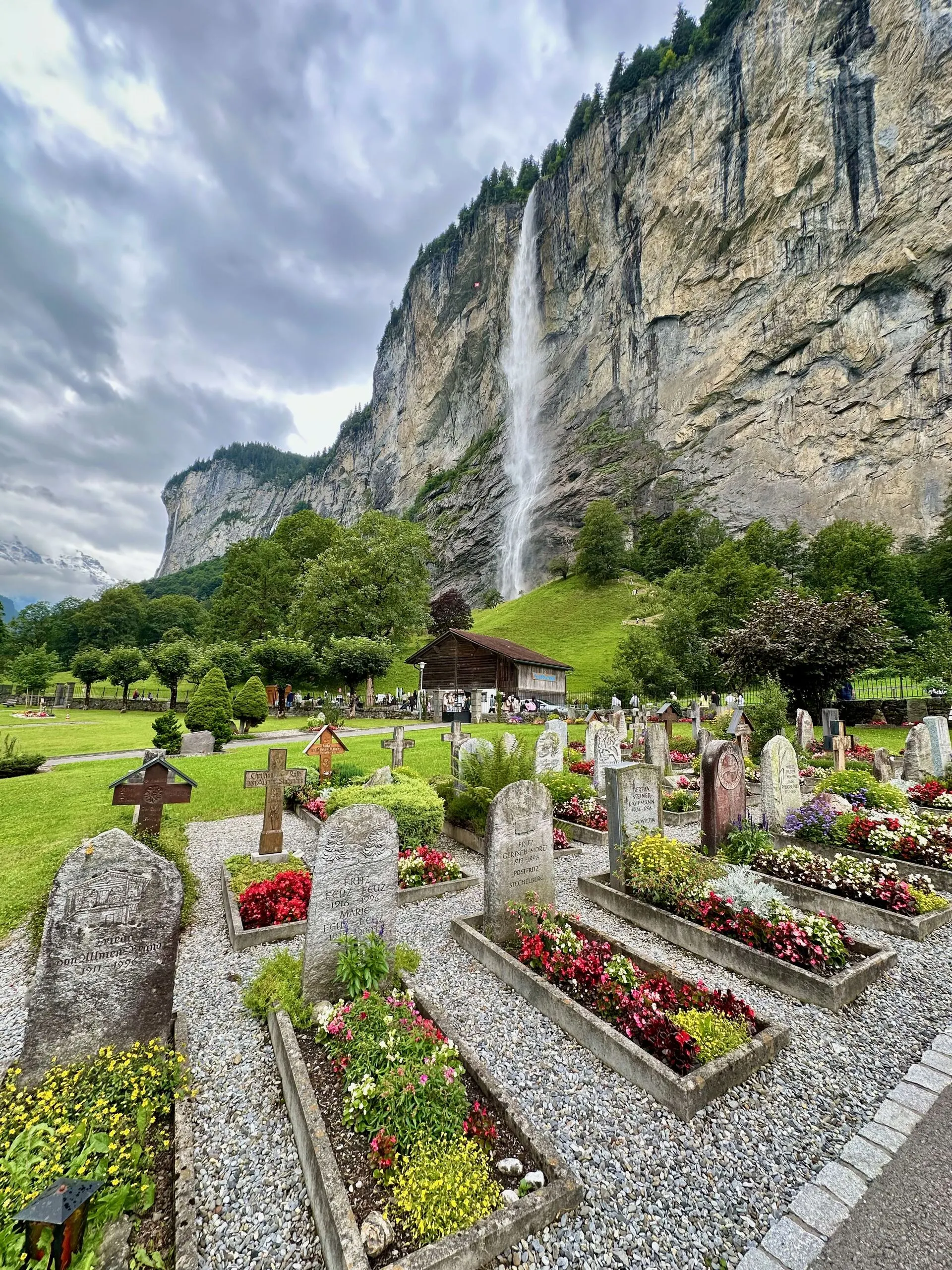
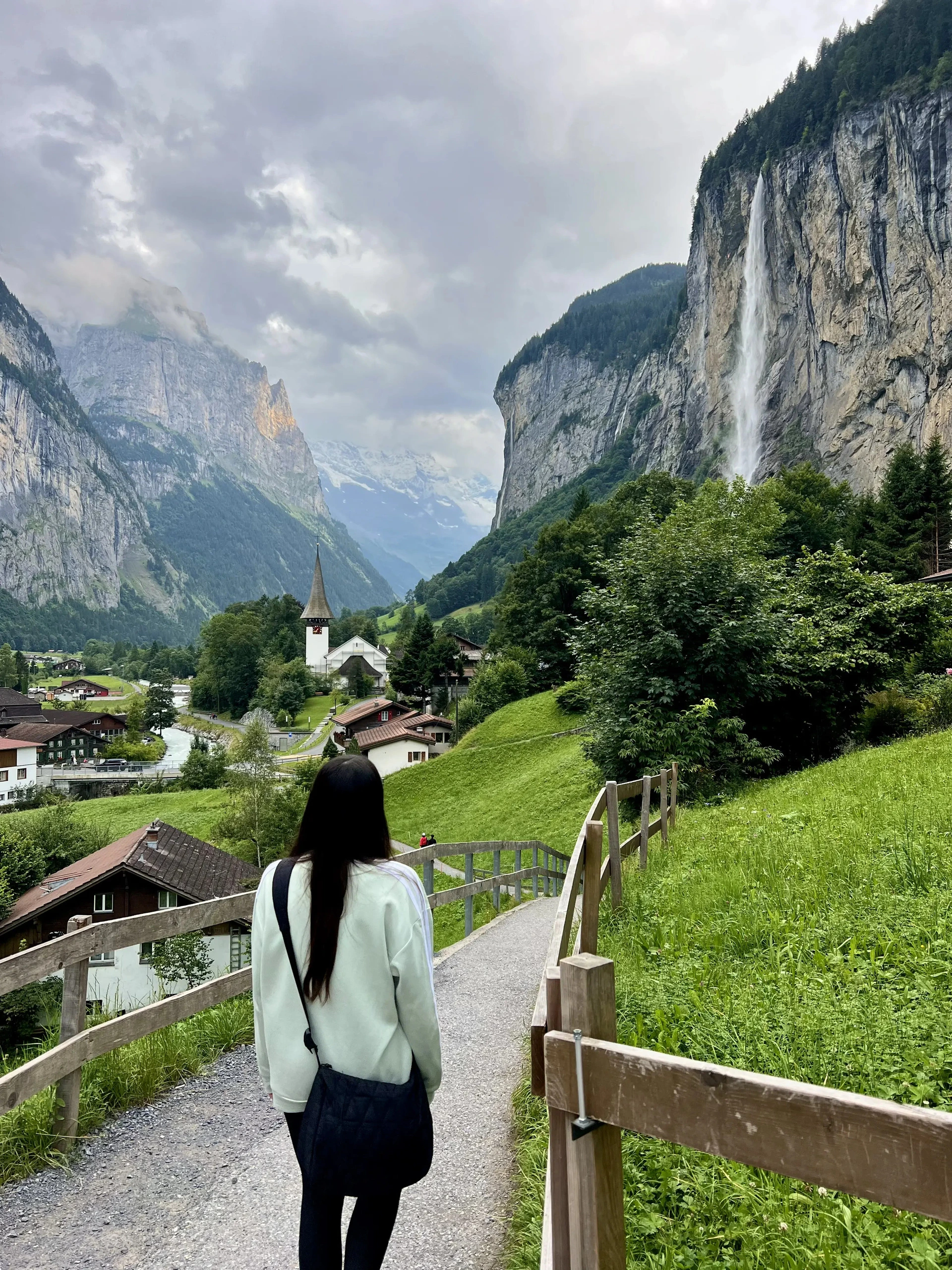
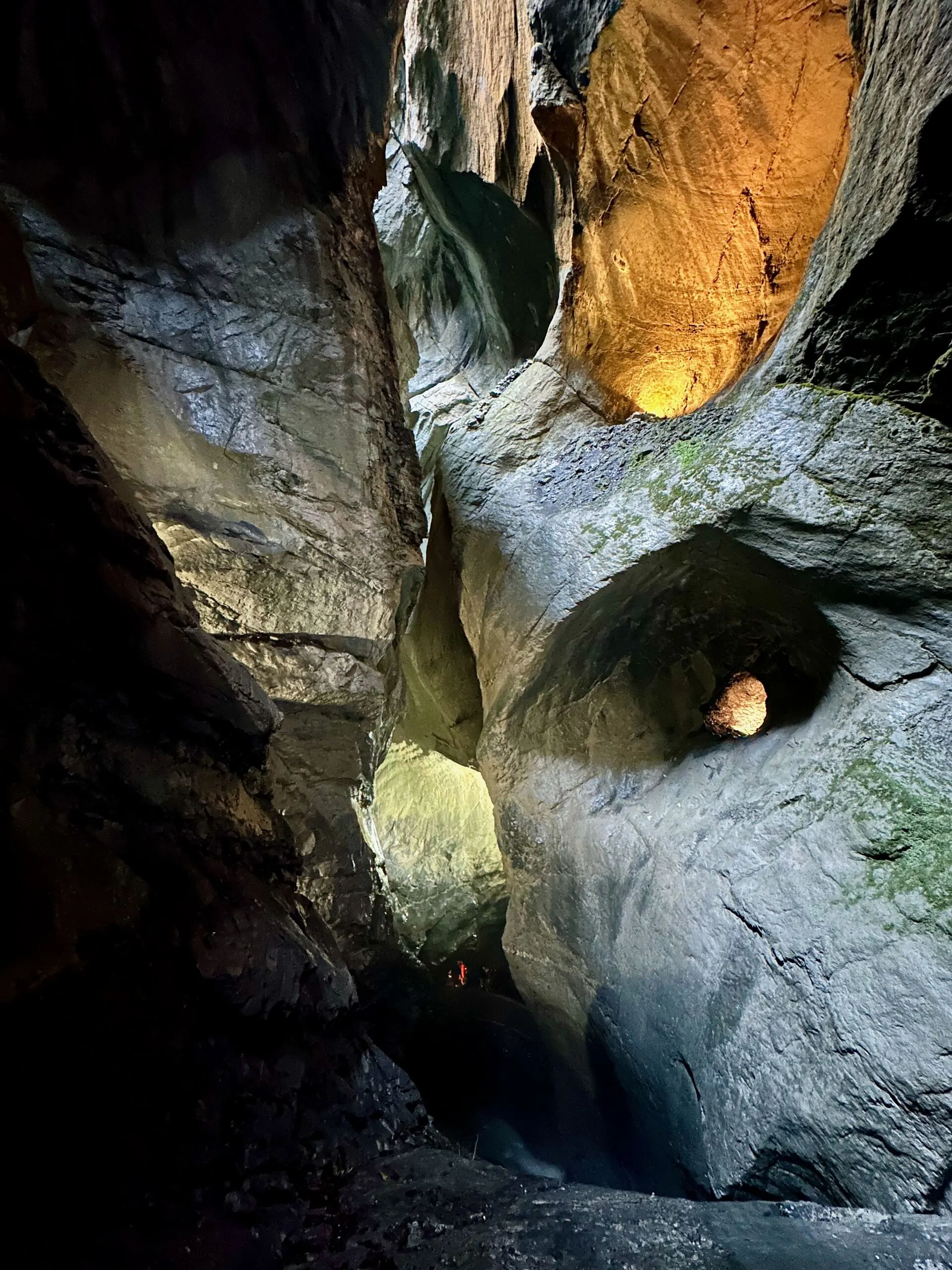
Lauterbrunnen Valley and Trümmelbachfälle showcase Switzerland's dramatic waterfalls and glacial formations.
Our Recommendation
While Jungfraujoch is impressive, the alternative experiences offer excellent value. Grindelwald First and Bachalpsee is a great option—the combination of the cliff walk, beautiful hike, and stunning lake makes for an unforgettable day. Plus, it's free with the Berner Oberland Pass, making it much more budget-friendly.
If you have time, consider combining multiple alternatives. For example, you could do Grindelwald First in the morning and visit Lauterbrunnen Valley in the afternoon.
If you visit Jungfraujoch, you'll likely return to Interlaken in the late afternoon. If you choose the alternatives, consider exploring Grindelwald village or Lauterbrunnen valley. Tomorrow, you'll head to Zermatt, home of the iconic Matterhorn.
📅 Day 6: Interlaken to Zermatt - Journey to the Matterhorn
Today you'll journey to Zermatt, one of Switzerland's most iconic destinations and home to the legendary Matterhorn. This car-free mountain village offers a unique atmosphere and some of the world's best mountain views.
Morning: Final Interlaken Activities or Early Departure
Depending on your schedule, you can either spend the morning exploring more of Interlaken or head to Zermatt early. The train journey takes 2.5-3 hours, so plan accordingly.
Important tip: Check your hotel's check-in time in Zermatt before you leave! Some hotels have strict check-in deadlines. Always confirm check-in times and luggage storage options when booking.
Train Journey: Interlaken to Zermatt
The journey from Interlaken to Zermatt takes approximately 2.5-3 hours and involves changing trains. The route typically goes: Interlaken → Spiez → Visp → Zermatt. With the Swiss Half Fare Card, you'll pay half price for this journey.
The final leg from Visp to Zermatt is on the Matterhorn Gotthard Bahn, a scenic mountain railway that climbs into the Alps. The views become increasingly dramatic as you approach Zermatt, with the Matterhorn visible on clear days.
Arriving in Zermatt: Car-Free Village Atmosphere
Zermatt is a car-free village—only electric taxis and hotel shuttles are allowed. This creates a peaceful, pedestrian-friendly atmosphere that's unique among Swiss mountain destinations. The village is compact and walkable, with most hotels within 10-15 minutes of the train station.
Upon arrival, you'll notice the charming wooden chalets, the sound of cowbells (yes, really!), and the Matterhorn dominating the skyline. It's a magical place that feels like stepping into a postcard.
Where to Stay in Zermatt
Zermatt accommodation ranges from budget hostels to luxury 5-star hotels. We can't recommend the Hotel Romantica enough, as we fell in love with it and its owners, but you can find other hotels in the area. They book up quickly, especially during summer and ski season, so reserve well in advance.
We recommend staying within walking distance of the train station for convenience. The village is small enough that you can walk everywhere, but being close to the station makes it easier to catch early morning trains for mountain excursions.
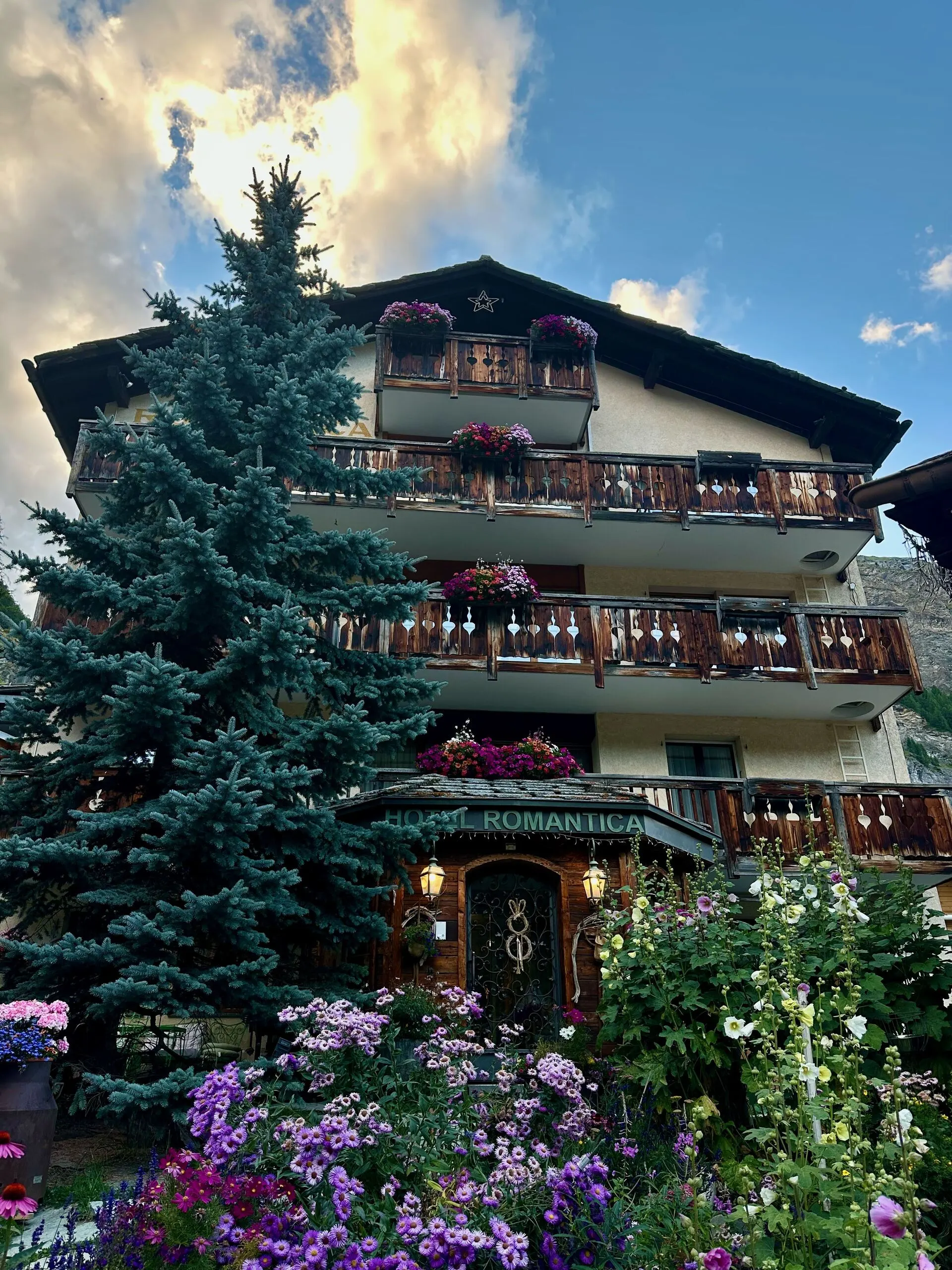

Zermatt is a charming village with traditional Swiss architecture, boutique shops, and excellent restaurants.
Afternoon: Matterhorn Viewing Spots and Village Exploration
Once you've checked in and dropped your luggage, head out to explore Zermatt. The village itself is charming, with traditional Swiss architecture, boutique shops, and excellent restaurants.
For your first Matterhorn views, walk to the Matterhorn Viewpoint near the church, or take a short walk along the river. The Matterhorn is visible from many spots in the village, but the best views require going up the mountain (which you'll do tomorrow).
Explore the village's main street, Bahnhofstrasse, which is lined with shops, restaurants, and hotels. It's a great place to get oriented and pick up any last-minute supplies for tomorrow's mountain adventure.
Gornergrat Railway Preview for Day 7
Tomorrow, you'll take the Gornergrat Railway to one of Switzerland's best viewpoints. The railway station is located right next to the main train station, making it very convenient. The journey takes about 30 minutes and offers increasingly spectacular views of the Matterhorn.
Consider purchasing your Gornergrat ticket today if you want to avoid queues tomorrow morning. The Swiss Half Fare Card provides a 50% discount on the Gornergrat Railway.
Evening: Zermatt's Dining Scene
Zermatt has an excellent dining scene, with restaurants ranging from casual to fine dining. This is your chance to try traditional Swiss mountain cuisine—think fondue, raclette, and hearty alpine dishes.
Many restaurants offer Matterhorn views, especially those with outdoor terraces. Book a table in advance if you want to dine with a view, as these spots are popular.
Get a good night's rest—tomorrow is your final full day, and you'll want to make the most of your time in Zermatt!
📅 Day 7: Zermatt - Matterhorn Views and Departure
Your final day in Switzerland! Today is all about experiencing the Matterhorn and making the most of your time in Zermatt before departure.
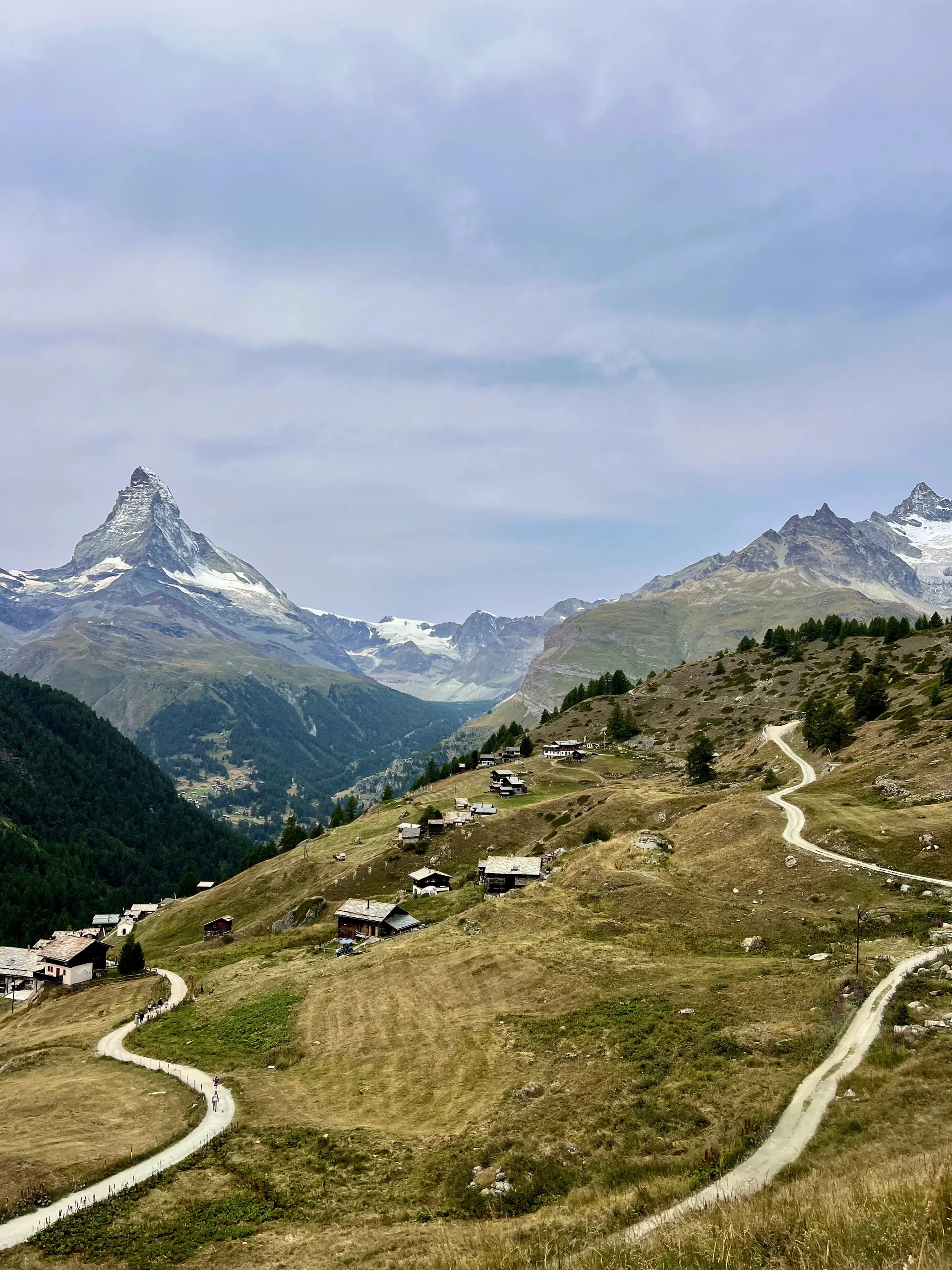
The Matterhorn is the iconic peak of Zermatt, offering stunning views of the mountain and the surrounding area.
Morning: Gornergrat Railway Journey
Start your day early with the Gornergrat Railway, one of Switzerland's most spectacular mountain railways. The train climbs to 3,089 meters, offering incredible views of the Matterhorn and 29 other peaks over 4,000 meters.
Consider the Peak to Peak Pass, which includes the Gornergrat Railway and the Matterhorn Glacier Experience (Klein Matterhorn). This pass offers excellent value if you want to experience multiple viewpoints.
At Gornergrat, you'll find a hotel, restaurant, and multiple viewing platforms. The views of the Matterhorn are absolutely spectacular, especially on clear mornings.
Matterhorn Glacier Experience
If you have the Peak to Peak Pass, don't miss the Matterhorn Glacier Experience at Klein Matterhorn (3,883 meters). This includes a cable car ride to one of the highest cable car stations in Europe and access to an ice cave inside the glacier.
The ice cave is a unique experience—walking through tunnels carved into the glacier, with ice sculptures and information about glaciology. It's cold (obviously!), so dress warmly even in summer.
Alternative: 5-Seenweg (5 Lakes Hike)
If you prefer hiking to multiple viewpoints, the 5-Seenweg (5 Lakes Walk) is an excellent alternative. This moderate hike takes you past five alpine lakes, each offering different Matterhorn views.
The hike starts from Sunnegga (accessible by funicular from Zermatt), then continues via cable car to Blauherd. From there, you hike past the five lakes, with the first lake offering the most spectacular Matterhorn reflection on a calm day.
The hike takes about 2-3 hours and ends at Sunnegga, where you can take the funicular back to Zermatt. There's a refuge called "Paradise" along the route where you can stop for drinks and snacks.
The funicular and cable car are 50% off with the Swiss Half Fare Card, making this a budget-friendly option. The 5 Lakes Hike offers incredible value and some of the best Matterhorn views you'll get.
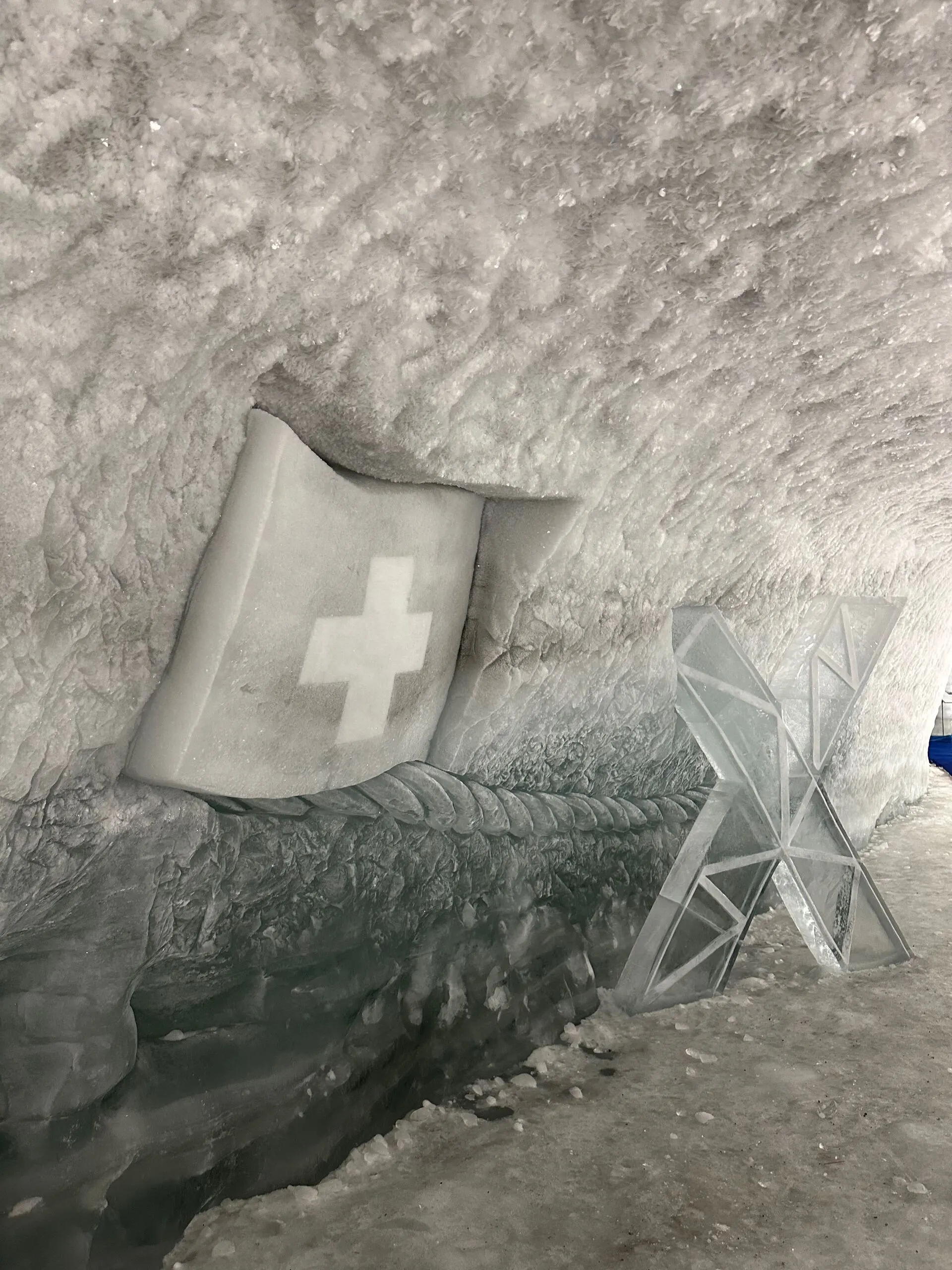
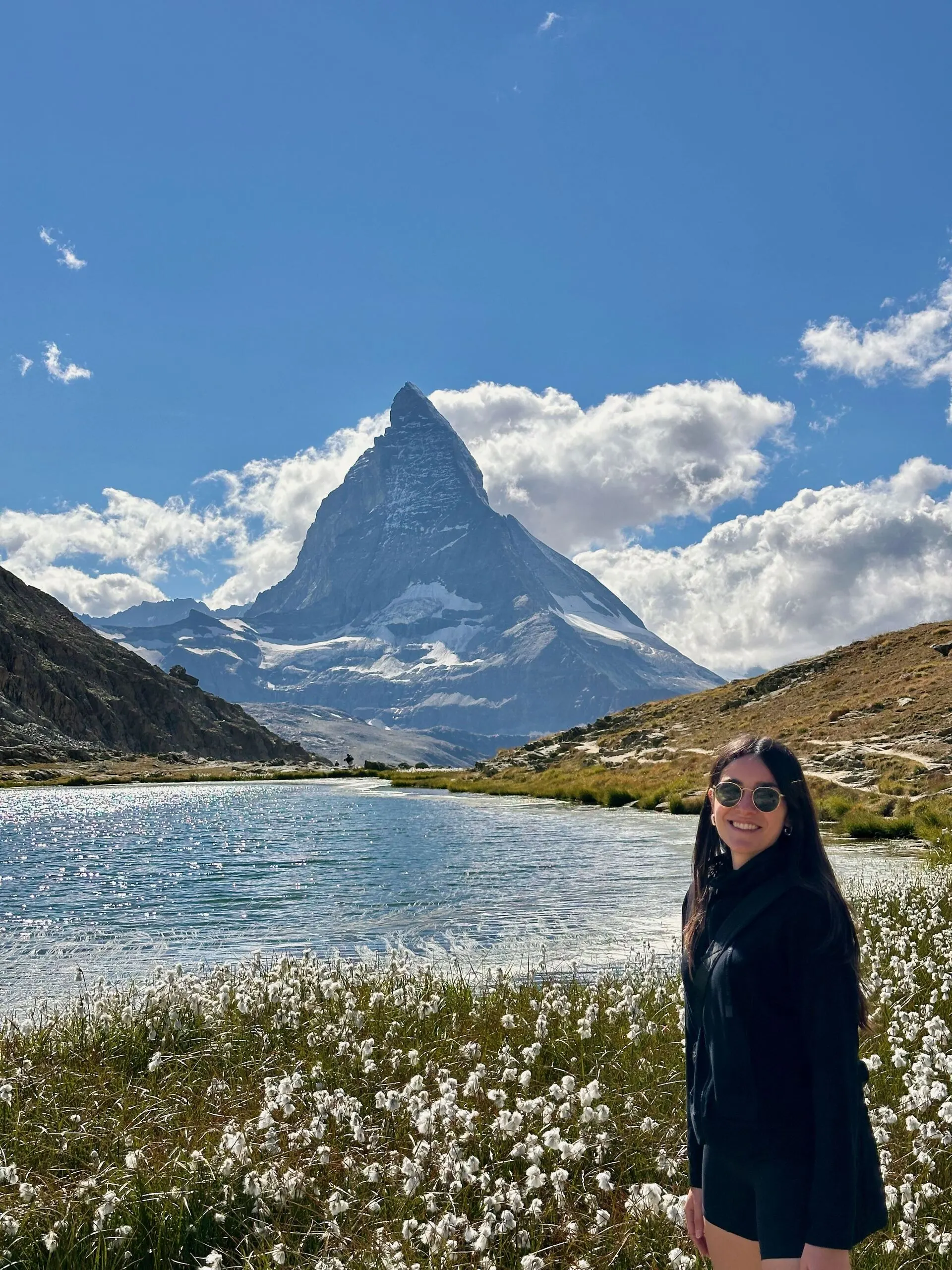
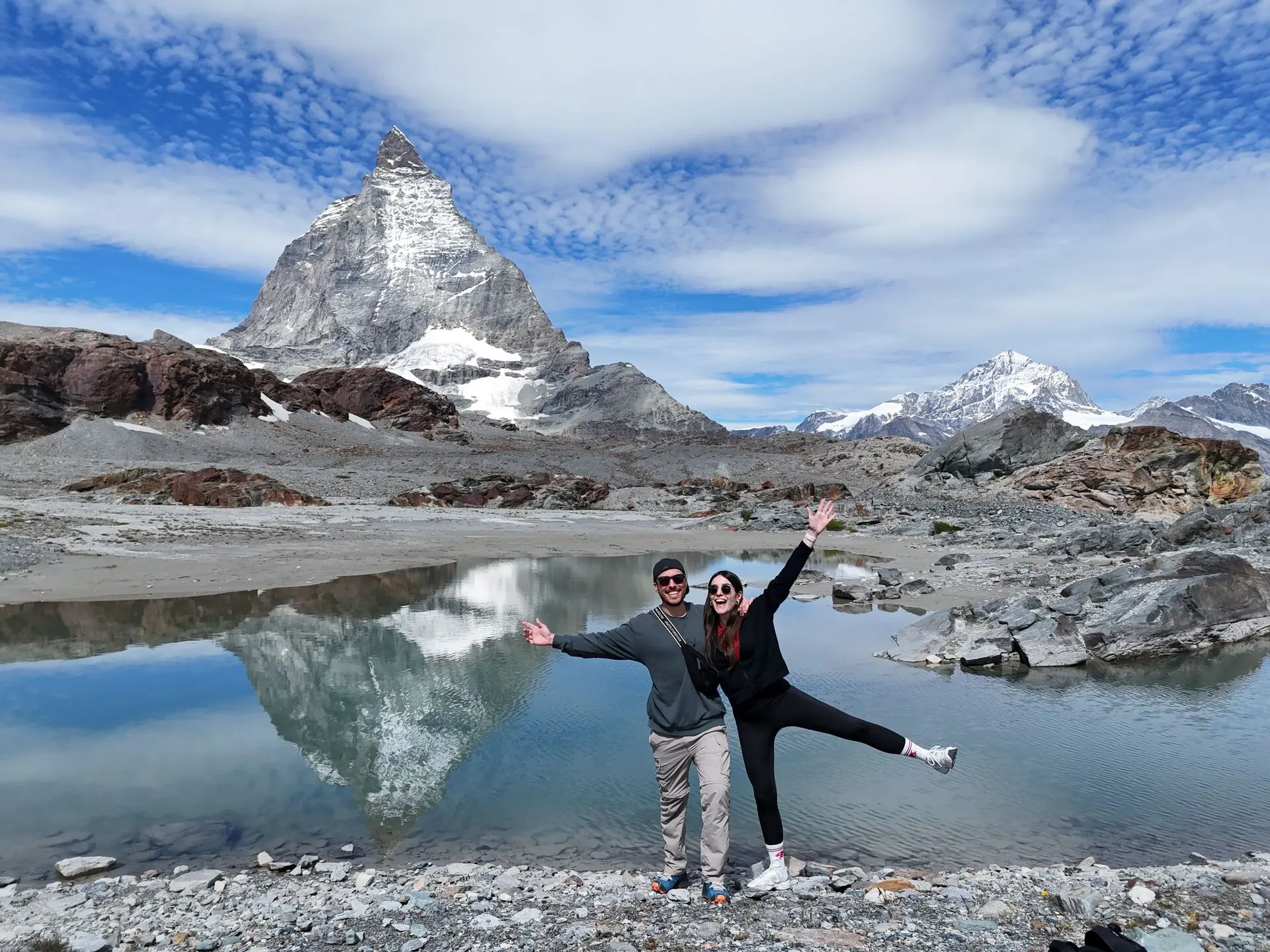
Zermatt offers multiple ways to experience the iconic Matterhorn, from mountain railways to alpine hikes.
Afternoon: Final Zermatt Exploration
After your mountain adventure, return to Zermatt for final exploration or souvenir shopping. The village has excellent shops selling Swiss watches, chocolate, and mountain gear.
If you have time, visit the Matterhorn Museum to learn about the mountain's history and the first ascent. It's a small but interesting museum that provides context for the mountain you've been admiring.
Departure Planning: Zermatt to Airport
Plan your departure carefully, as Zermatt is relatively remote. You have two main airport options:
Option 1: Zurich Airport (ZRH)
The journey from Zermatt to Zurich Airport takes approximately 3.5-4 hours by train. This involves: Zermatt → Visp → Zurich → Airport. Allow plenty of time, especially if you have an evening flight.
Option 2: Geneva Airport (GVA)
The journey to Geneva Airport takes approximately 3.5 hours. If you have time, Geneva is worth a visit—don't miss the Jet d'Eau (the famous water fountain), the Flower Clock, and a walk along Lake Geneva.
Travel Time Considerations
For evening flights, we recommend leaving Zermatt by early afternoon (around 1-2 PM) to allow for train connections and airport check-in. The Swiss train system is reliable, but it's always better to have a buffer.
If you have an early morning flight, consider staying near the airport the night before. Both Zurich and Geneva have airport hotels that make early departures much easier.
Optional Extension: Adding an 8th Day
If you have extra time, consider adding an 8th day to your itinerary. This would allow you to:
- Spend more time in Zermatt exploring additional hikes or viewpoints
- Visit additional mountain destinations like Schilthorn or Titlis
- Explore more of the Jungfrau Region
- Add a day trip to another Swiss city or region
Switzerland has so much to offer that an extra day is always worthwhile if your schedule allows.
Congratulations on completing your 7-day Switzerland itinerary! You've experienced some of the world's most beautiful mountain scenery, efficient train travel, and authentic Swiss culture. We hope this guide has helped you plan an unforgettable trip.
💰 Budget Breakdown: How Much Does a 7-Day Switzerland Trip Cost?
Switzerland is expensive—there's no way around it. But with smart planning, you can manage costs while still having an incredible experience. Here's a realistic breakdown of what to expect for Switzerland:
Accommodation Costs
- Budget: Hostels and budget hotels: 40-80 CHF per night per person
- Mid-range: 3-star hotels: 120-200 CHF per night for a double room
- Luxury: 4-5 star hotels: 300-600+ CHF per night for a double room
Total for 7 nights: Budget: 280-560 CHF, Mid-range: 840-1,400 CHF, Luxury: 2,100-4,200+ CHF
Transportation: Our Recommended Combo
We highly recommend the Swiss Half Fare Card + Berner Oberland Pass combination for this itinerary. Here's the cost breakdown:
- Swiss Half Fare Card: 120 CHF (valid for 1 month) - 50% off all train, bus, boat journeys and mountain excursions
- Berner Oberland Pass: Varies by duration (3-10 days), with discount if you have Half Fare Card - unlimited travel in Berner Oberland region including many free mountain excursions
- Total cost: Approximately 250-350 CHF per person (depending on Berner Oberland Pass duration), significantly less than the Swiss Travel Pass
This combination offers better value for this specific itinerary, especially since you'll spend 3-4 days in the Berner Oberland region. Purchase your Swiss Half Fare Card here and then get the Berner Oberland Pass with your discount.
Food Expenses
Food is one of the biggest expenses in Switzerland:
- Restaurant meals: 25-50 CHF per person for a main course
- Budget-friendly: Coop grocery stores, train station food: 8-15 CHF per meal
- Swiss specialties: Fondue or raclette: 30-45 CHF per person
- Drinks: Beer: 5-8 CHF, Wine: 8-15 CHF per glass
Daily food budget: Budget: 30-50 CHF, Mid-range: 60-100 CHF, Luxury: 150+ CHF
Money-saving tip: Shop at Coop grocery stores for breakfast items, sandwiches, and snacks. Train station food is surprisingly good and affordable. We saved significant money by having picnic lunches and buying food from grocery stores.
Activity Costs
- Mountain excursions: 50-200 CHF (with Half Fare Card discounts, many free with Berner Oberland Pass)
- Museums: 10-20 CHF (some offer discounts with Half Fare Card)
- Boat trips: Free with Berner Oberland Pass in that region, 50% off elsewhere with Half Fare Card
- Adventure activities: Paragliding, skydiving: 150-300 CHF
Total Budget Ranges
- Budget traveler: $1,200-1,800 per person (hostels, grocery shopping, minimal activities, Half Fare Card + Berner Oberland Pass)
- Mid-range traveler: $2,000-3,000 per person (3-star hotels, mix of restaurants and groceries, key activities, Half Fare Card + Berner Oberland Pass)
- Luxury traveler: $4,000+ per person (4-5 star hotels, fine dining, all activities, first-class travel)
Money-Saving Tips
- Purchase the Swiss Half Fare Card + Berner Oberland Pass combo—it's the best value for this itinerary
- Shop at grocery stores for breakfast and lunch
- Take advantage of free activities (hiking, lake walks, city exploration)
- Book accommodations well in advance for better rates
- Consider alternative mountain experiences (Grindelwald First, Oeschinensee) instead of expensive Jungfraujoch
- Travel during shoulder season (May, June, September) for lower prices
🚂 Transportation Guide: Getting Around Switzerland Efficiently
Switzerland's transportation system is world-class, making this itinerary easy to navigate. Here's everything you need to know:
Our Recommended Combo: Swiss Half Fare Card + Berner Oberland Pass
This is what we used and highly recommend! Instead of the Swiss Travel Pass, we purchased the Swiss Half Fare Card combined with the Berner Oberland Pass, and it was the perfect combination for this itinerary. Here's why:
The Swiss Half Fare Card (120 CHF, valid for 1 month) gives you 50% off all train, bus, and boat journeys throughout Switzerland, plus 50% off most mountain excursions. This covers your journeys between Zurich, Lucerne, Interlaken, and Zermatt at half price. Purchase your Swiss Half Fare Card here.
The Berner Oberland Pass (with Half Fare Card discount) covers unlimited travel in the Berner Oberland region (Interlaken, Grindelwald, Lauterbrunnen, Mürren, etc.) for 3, 4, 5, 6, 8, or 10 days. This pass includes free access to many mountain excursions in the region, including Grindelwald First, Harder Kulm, and boat trips on Lake Brienz and Lake Thun. If you have the Half Fare Card, you get a significant discount on the Berner Oberland Pass.
Why this combo is better: For this itinerary, you'll spend 3-4 days in the Berner Oberland region (Interlaken area), where the Berner Oberland Pass provides excellent value. Combined with the Half Fare Card for your other journeys, this combo is more cost-effective than the Swiss Travel Pass and gives you better coverage in the region where you'll spend most of your time.
Train System Overview
Switzerland's train network is operated by SBB (Swiss Federal Railways). The system is incredibly efficient, punctual, and scenic. Key things to know:
- SBB Mobile App: Download this essential app for timetables, ticket purchases, and real-time updates
- No reservations needed: Most trains don't require reservations—just hop on with your pass
- Punctuality: Swiss trains are famously on time—arrive a few minutes early
- Luggage storage: Available at major stations (around 5-10 CHF per day)
Car Rental: An Option for Driving Enthusiasts
While we don't recommend car rental for this itinerary (trains are faster, cheaper, and more scenic), we understand that some travelers prefer the freedom of driving. If you're a driving enthusiast who wants to explore at your own pace, renting a car in Switzerland is possible. However, keep in mind that parking is expensive, fuel costs are high, and you'll need a Swiss motorway vignette (40 CHF). The train system is so efficient that driving would actually be slower and more stressful for this route.
Practical Tips
- Second-class is perfectly comfortable for this itinerary
- Both Zurich and Geneva airports are well-connected by train (10-15 minutes to city center)
- Use luggage storage at stations if you have time between check-in and departure
- Download the SBB Mobile App for timetables and real-time updates
🏨 Where to Stay: Accommodation Recommendations for Each City
Accommodation is one of your biggest expenses in Switzerland. Here are our recommendations for each city:
Zurich
Stay in or near the Old Town (Altstadt) for easy access to attractions and the train station. Book Zurich hotels here.
- Budget: Hostels in Old Town: 40-60 CHF per person
- Mid-range: 3-star hotels near train station: 150-250 CHF per night
- Luxury: 5-star hotels on Bahnhofstrasse: 400+ CHF per night
Lucerne
Stay near the lake or Old Town for the best experience. Book Lucerne hotels here.
- Budget: Hostels near train station: 35-55 CHF per person
- Mid-range: 3-star lakeside hotels: 140-220 CHF per night
- Luxury: 5-star lakeside hotels: 350+ CHF per night
Interlaken Area
Choose between Interlaken (most convenient), Grindelwald (mountain village), or Lauterbrunnen (valley setting). Book Interlaken area hotels here.
- Budget: Hostels in Interlaken: 40-60 CHF per person
- Mid-range: 3-star hotels: 120-200 CHF per night
- Luxury: 4-5 star resorts: 300+ CHF per night
Zermatt
Stay within walking distance of the train station for convenience. Book Zermatt hotels here.
- Budget: Hostels: 50-70 CHF per person
- Mid-range: 3-star hotels: 180-280 CHF per night
- Luxury: 5-star Matterhorn-view hotels: 500+ CHF per night
Booking Tips
- Book early: Especially for summer (June-September) and ski season
- Check cancellation policies: Many hotels offer free cancellation if you book early
- Seasonal pricing: Prices are highest in July-August and during ski season
- Location matters: Being close to train stations saves time and money on local transport
🍽️ Food and Dining: What to Eat During Your 7 Days
Swiss cuisine is hearty, delicious, and perfect for mountain adventures. Here's what to try and where to find it:
Swiss Cuisine Essentials
- Fondue: Melted cheese served with bread for dipping. Best enjoyed at mountain restaurants with views.
- Raclette: Melted cheese scraped over potatoes, pickles, and onions. A hearty mountain dish.
- Rösti: Crispy Swiss potato pancake, often served as a side dish.
- Chocolate: Swiss chocolate is world-famous. Visit Lindt Home of Chocolate in Zurich for an immersive experience.
Restaurant Recommendations
Each city has excellent dining options.
- Zurich: Try traditional Swiss dishes in the Old Town
- Lucerne: Lakeside restaurants offer great views and fresh fish
- Interlaken: Mix of Swiss and international cuisine
- Zermatt: Mountain restaurants with Matterhorn views
Budget-Friendly Options
Coop grocery stores are your best friend for budget meals. They're everywhere (including train stations) and offer:
- Fresh sandwiches and salads: 5-8 CHF
- Prepared meals: 8-12 CHF
- Cheese, bread, and snacks for picnics
Money-saving strategy: Buy breakfast items, sandwiches, and snacks from Coop. Train station food is also surprisingly good and convenient.
Food Costs: What to Expect
Be prepared for high food costs. A simple restaurant meal costs 25-50 CHF per person. Fondue or raclette dinners cost 30-45 CHF per person. Mountain restaurant meals are even more expensive (we paid 40+ CHF for raclette and rösti at Gornergrat).
Money-saving strategy: Have breakfast at your hotel or from a grocery store, picnic for lunch, and splurge on one nice dinner per day. This balances cost with experience.
🎒 Packing Essentials: What to Bring for Your Switzerland Adventure
Packing for Switzerland requires planning for variable weather and mountain conditions. Essential items include:
- Layered clothing: Base layers, mid layers (fleece), and waterproof/windproof outer jacket
- Comfortable walking shoes and hiking boots if planning serious hikes
- Mountain essentials: Sunglasses, sunscreen (SPF 30+), warm hat and gloves, water bottle, daypack
- Electronics: Power adapter (Type J plugs), camera gear, power bank, phone with SBB app
Pack light! You'll be moving between cities by train. A medium-sized suitcase or backpack is ideal. Use luggage storage at stations if needed.
⚠️ Common Mistakes to Avoid on Your 7-Day Switzerland Itinerary
Learn from common mistakes to make your trip smoother:
- Not booking accommodations in advance: Hotels book up quickly during summer and ski season, and prices increase significantly.
- Underestimating travel times: Factor in train connections, check-in times, and luggage handling. Some hotels have strict check-in deadlines.
- Not checking weather: Mountain weather changes quickly. Check forecasts before mountain excursions and pack accordingly.
- Missing free activities: Many of Switzerland's best experiences are free—hiking, lake walks, city exploration. Don't only focus on expensive attractions.
- Not understanding Half Fare Card + Berner Oberland Pass benefits: The Berner Oberland Pass includes many free activities in that region. Research what's included to maximize value.
- Underestimating food costs: Switzerland is expensive. Budget accordingly and use grocery stores to save money.
🛡️ Don't Forget Travel Insurance
We never travel without insurance. Heymondo covers medical expenses, trip cancellation, and stolen or damaged electronics, with 24/7 assistance through their app. As one of our readers, you get 5% off your policy.
Get 5% off your travel insurance →If you purchase through our link, we may earn a commission at no extra cost to you. Discount not available for US residents.
Conclusion: Your Perfect 7-Day Switzerland Adventure Awaits
A 7-day Switzerland itinerary offers a solid introduction to the country's highlights. From Zurich's urban energy to Zermatt's Alpine beauty, this route balances cities, mountains, and culture in a way that's both comprehensive and manageable.
The key to a successful trip is planning ahead—especially for accommodations and mountain excursions—while leaving room for spontaneity. Whether you choose the Half Fare Card + Berner Oberland Pass combo or individual tickets, Switzerland's efficient transportation makes this route straightforward.
Remember: Switzerland is about the journey as much as the destinations. Those train rides through valleys and past lakes are part of the experience. Take time to soak it in!
We hope this guide has helped you plan your perfect 7-day Switzerland itinerary. From chocolate tasting in Zurich to sunset views at Harder Kulm, from alpine lakes to Matterhorn reflections, you'll create unforgettable memories.
Ready to start planning? Book your accommodations early, especially for summer and winter seasons. Don't forget to purchase your Swiss Half Fare Card and then add the Berner Oberland Pass when you reach Interlaken for the best value.
Have questions about this itinerary? Check out our FAQ section below, or explore our other travel guides like our 7-day Cape Town itinerary or 2-week South Africa itinerary for more destination inspiration. Safe travels, and enjoy your Swiss adventure!
FAQ: Frequently Asked Questions About Your 7-Day Switzerland Itinerary
What is the best time of year to do this 7-day Switzerland itinerary?
Late May through early October is ideal for this itinerary. Late spring offers clear roads and fewer tourists, though some alpine lakes may still be frozen. June through September guarantees full trail access and warmer weather.
What transportation pass should I get for this 7-day Switzerland itinerary?
We highly recommend the Swiss Half Fare Card + Berner Oberland Pass combination. The Half Fare Card (120 CHF, valid 1 month) gives 50% off all train, bus, and boat journeys plus mountain excursions. The Berner Oberland Pass (with Half Fare discount) covers unlimited travel in the Interlaken region including many free mountain excursions. This combo is more cost-effective than the Swiss Travel Pass for this specific itinerary.
How much does a 7-day Switzerland trip cost?
Budget travelers can expect $1,200-1,800 per person, mid-range travelers $2,000-3,000, and luxury travelers $4,000+. Costs include accommodation, food, transportation (Half Fare Card + Berner Oberland Pass), and activities. Switzerland is expensive, but the Half Fare Card + Berner Oberland Pass combo and strategic planning can help manage costs.
Do I need to book accommodations in advance for this itinerary?
Yes, especially during summer (June-September) and winter ski season. Hotels in Zurich, Lucerne, Interlaken, and Zermatt book up quickly. Booking 2-3 months in advance ensures better rates and availability, particularly in Zermatt and Interlaken during peak seasons.
Can I customize this 7-day Switzerland itinerary?
Absolutely! This itinerary is designed as a flexible framework. You can extend stays in cities you love, add day trips (like Rhine Falls from Zurich), substitute mountain excursions (Mount Rigi instead of Pilatus, or Grindelwald First instead of Jungfraujoch), or add extra days in the Alps. The route works well as a base for customization.