
Vienna Itinerary: 10 Perfect Days + Day Trips (2026)
This article contains affiliate links. If you make a purchase through these links, we may earn a small commission at no extra cost to you. This helps us keep creating free content for you!
Vienna is the city where you keep finding things you didn't know existed. Behind the Hofburg's tourist-thronged courtyards, there's a 600-year-old Augustinian wine cellar still pouring. A few blocks from Schönbrunn, the world's oldest zoo (1752) still operates inside the imperial gardens. Walk past the Belvedere on a Tuesday morning and you can have Klimt's The Kiss essentially to yourself. Ten days lets you do all of that without rushing, plus the four day trips Vienna's location makes irresistible: Salzburg for Mozart and the Sound of Music, Hallstatt for the most photographed lake village in Austria, the Wachau Valley for Riesling and Melk Abbey, and Bratislava for the easiest border-crossing day trip in Central Europe.
We spent ten days in Vienna and the surrounding region, and this guide is the itinerary we wish we'd had walking in. It's structured as five days in the city and five days exploring outward, with explicit GetYourGuide tours, skip-the-line tickets, and the standing-room hack that gets you into the Vienna State Opera for 4 EUR.
For more on the city itself, see our complete guide to the best things to do in Vienna. For the wider Central Europe trip, our Vienna, Budapest, Prague itinerary is the natural next step.
10 Days in Vienna: Itinerary at a Glance
| Day | Focus | Travel | Highlight |
|---|---|---|---|
| 1 | Stephansdom + Innere Stadt | In Vienna | South tower sunset climb |
| 2 | Hofburg + Sisi Museum | In Vienna | Spanish Riding School morning training |
| 3 | Schönbrunn Palace + gardens | In Vienna | Gloriette panorama + Tiergarten |
| 4 | Belvedere + Naschmarkt | In Vienna | Klimt's The Kiss + Heuriger evening |
| 5 | Coffee houses + Prater | In Vienna | Café Central + Riesenrad ferris wheel |
| 6 | Salzburg | 2.5 hr each way | Mozart + Sound of Music |
| 7 | Hallstatt | 3 hr each way | Lake village + salt mine |
| 8 | Wachau Valley | 1.5 hr each way | Melk Abbey + Riesling tasting |
| 9 | Bratislava | 1 hr each way | Castle + Old Town |
| 10 | Final day + departure | In Vienna | Sachertorte at Café Sacher |
10-day Vienna itinerary at a glance
10-day Vienna itinerary at a glance
Best season: May, June, and September are the sweet spot: warm enough for outdoor cafés and Heuriger gardens, not yet peak-tourist. April and October are quieter. December is world-famous for Christmas markets (Rathausplatz, Schönbrunn, Spittelberg). Avoid July and August if you can, peak heat plus peak crowds.
⛪ Day 1: Stephansdom + Innere Stadt Orientation + Welcome Schnitzel
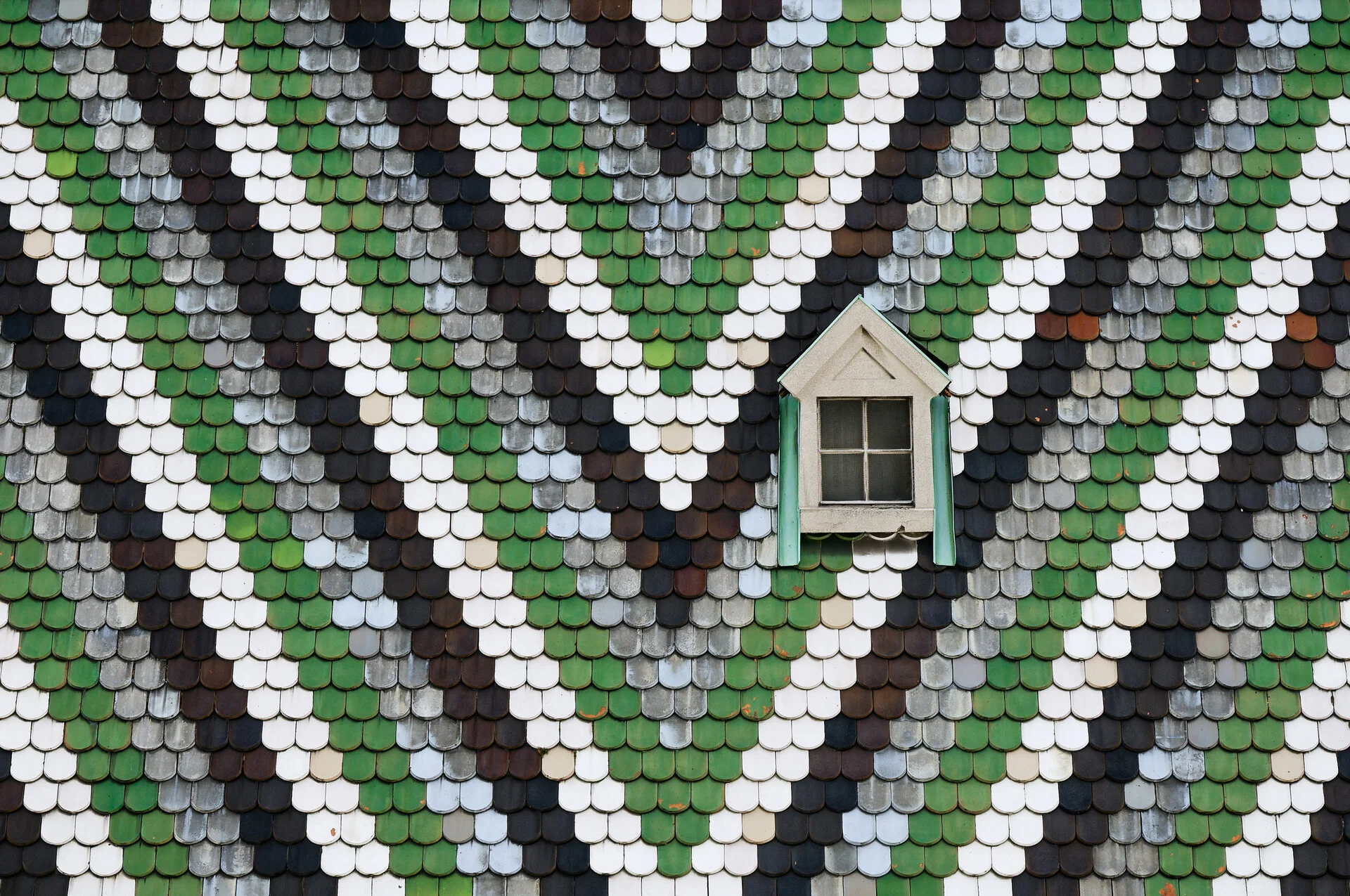
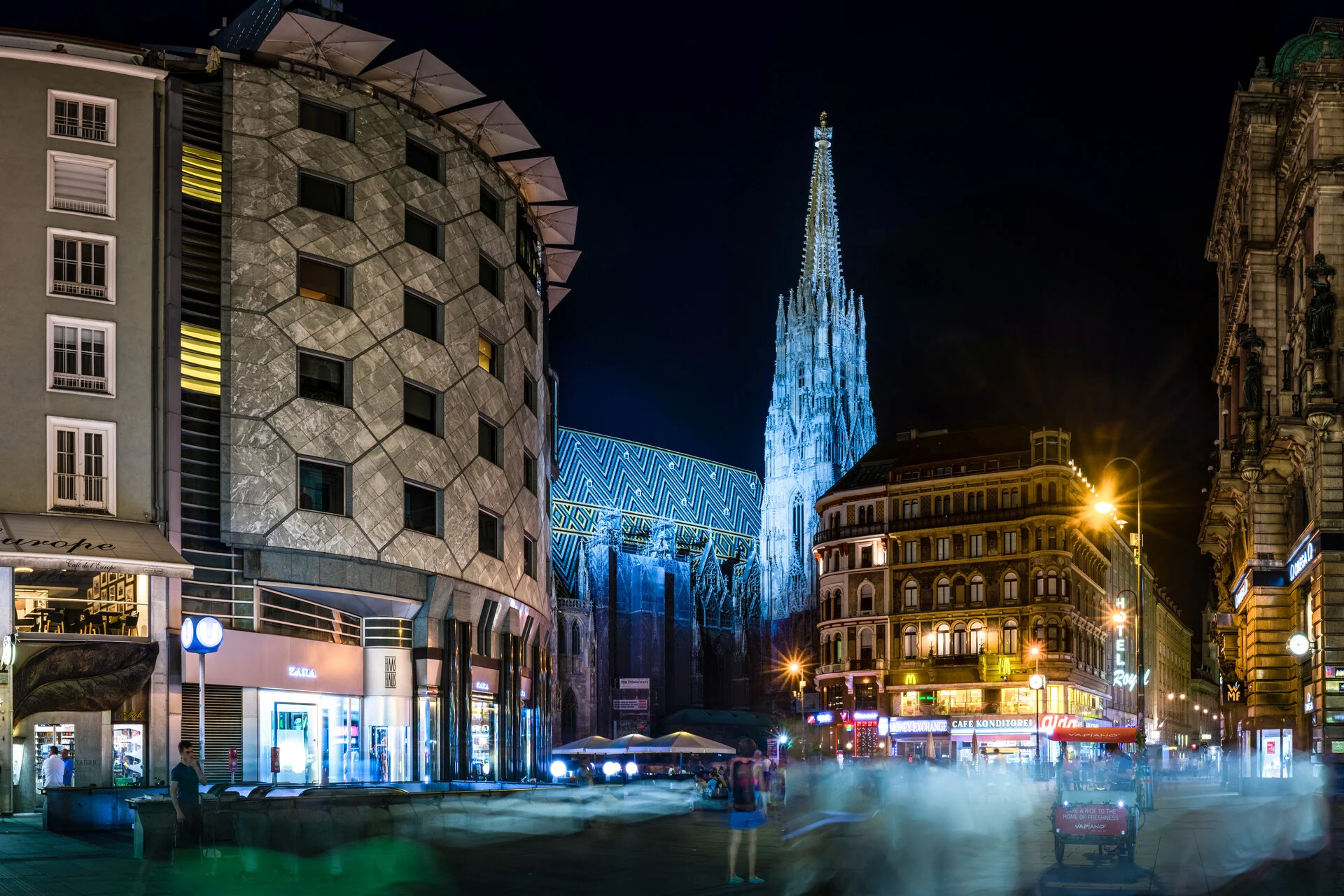
Stephansdom and its famous tiled roof
Most international flights into Vienna International Airport (VIE) land in the morning. Getting into town: the City Airport Train (CAT) is the fastest (16 minutes to Wien Mitte, 14.90 EUR one-way). The S-Bahn S7 is cheaper (4.40 EUR with a single ticket, 25 minutes). For door-to-door after a long flight, a pre-booked private transfer runs around 30 EUR.
- 🛬 Book a private Vienna airport transfer if you want zero-friction arrival
- 🏨 Drop bags at your Innere Stadt hotel (1st district is the sweet spot for a 10-day Vienna trip; see our where to stay section)
Once you're settled, walk straight to Stephansdom (St. Stephen's Cathedral). The 12th-century cathedral with its multicolored tiled roof is Vienna's defining silhouette. Climb the South Tower (343 steps) for the best inner-city panoramic view, and book the Catacombs tour for one of the more unusual visits in Vienna (Habsburg organ urns and plague-pit ossuaries beneath the cathedral floor).
- ⛪ Stephansdom guided tour with catacombs access
- 🥨 Join a Vienna evening walking tour with welcome drink if you want context on your first night
Walk the Graben + Kohlmarkt + Michaelerplatz loop to orient yourself for the next four days, then welcome dinner at Figlmüller on Wollzeile, the most-recommended Wiener Schnitzel in Vienna. The schnitzel is the size of a hubcap and it's pounded so thin you can read through it. Order the Grüner Veltliner.
👑 Day 2: Hofburg Complex + Sisi Museum + Spanish Riding School
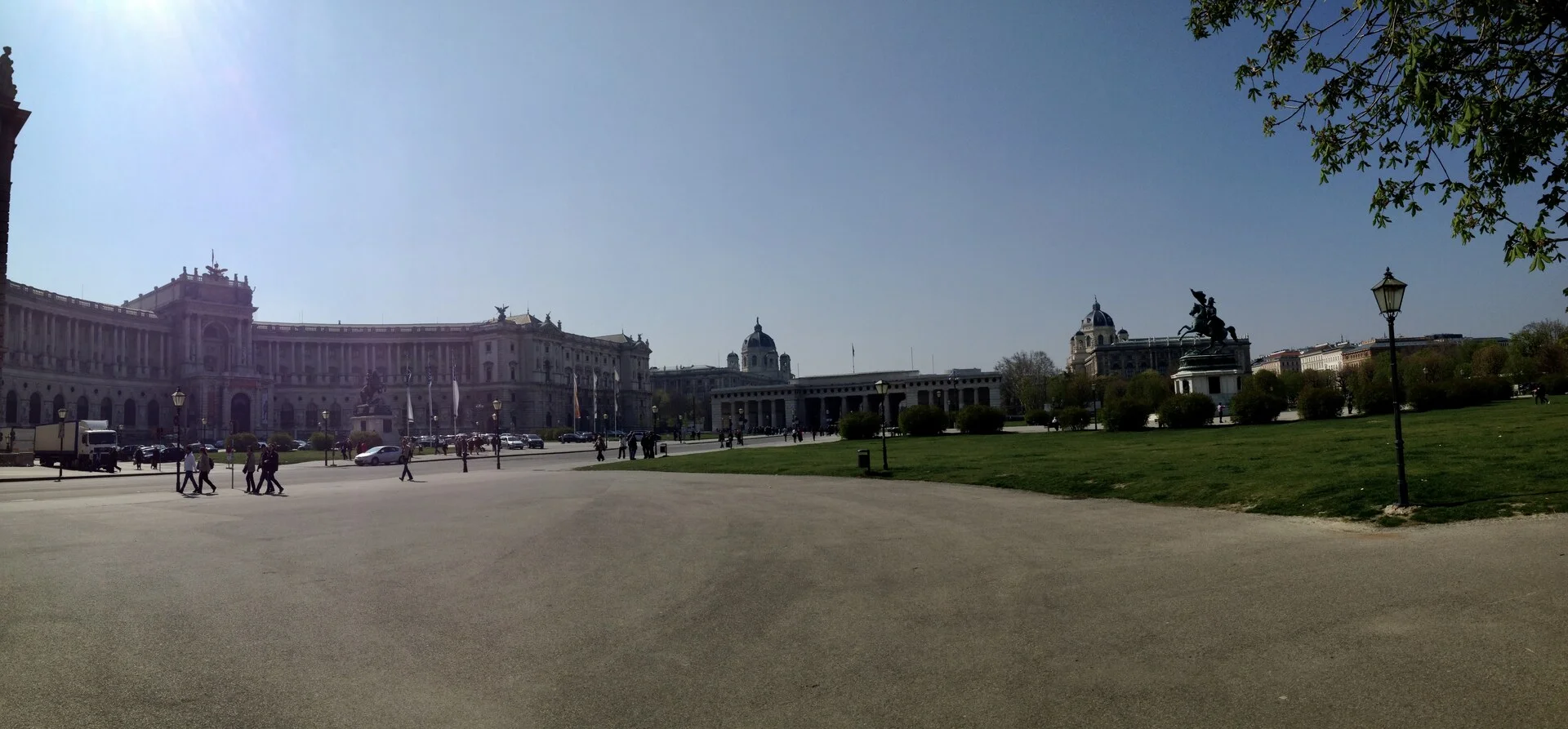
Hofburg Imperial Palace: the Habsburgs' winter residence
The Hofburg was the Habsburg dynasty's winter residence for 600 years. The complex is enormous; plan for a full day. The headline visit is the Imperial Apartments + Sisi Museum + Silver Collection combined ticket, which routes you through Empress Elisabeth's actual rooms, her famous obsession with thinness and exercise, and the dining services used at state banquets.
- 🎟️ Hofburg + Sisi Museum + Imperial Treasury skip-the-line ticket
- 🐎 Spanish Riding School morning training tickets (much cheaper than the gala performances)
Time the visit so you're at the Spanish Riding School for morning training (usually 10am to noon, Tuesday to Friday). The Lipizzaner stallions practice the classical dressage moves the school has taught since 1565. Morning training tickets are a fraction of the gala performance price and you still see the same horses doing the same work, just without the orchestra.
For lunch, head to Augustinerkeller, the 600-year-old Augustinian wine cellar beneath the palace. Order Tafelspitz and a quarter-liter of Heuriger wine. Afternoon: the Albertina museum (Monet, Picasso, Dürer's Young Hare) is right next door, and the State Rooms upstairs are worth a separate ticket.
For the evening, two options. Either join a State Opera backstage tour, or do the famous 4 EUR standing-room hack: standing tickets (Stehplatz) for that night's performance go on sale 80 minutes before curtain at the Stehplatz box office on Operngasse. Cash only, one ticket per person, line forms 90 to 120 minutes early in summer. It's hands-down the best deal in Vienna, and you stand in the same opera house Mahler conducted.
Top-Rated Activities in Vienna
🏰 Day 3: Schönbrunn Palace + Gardens + Tiergarten
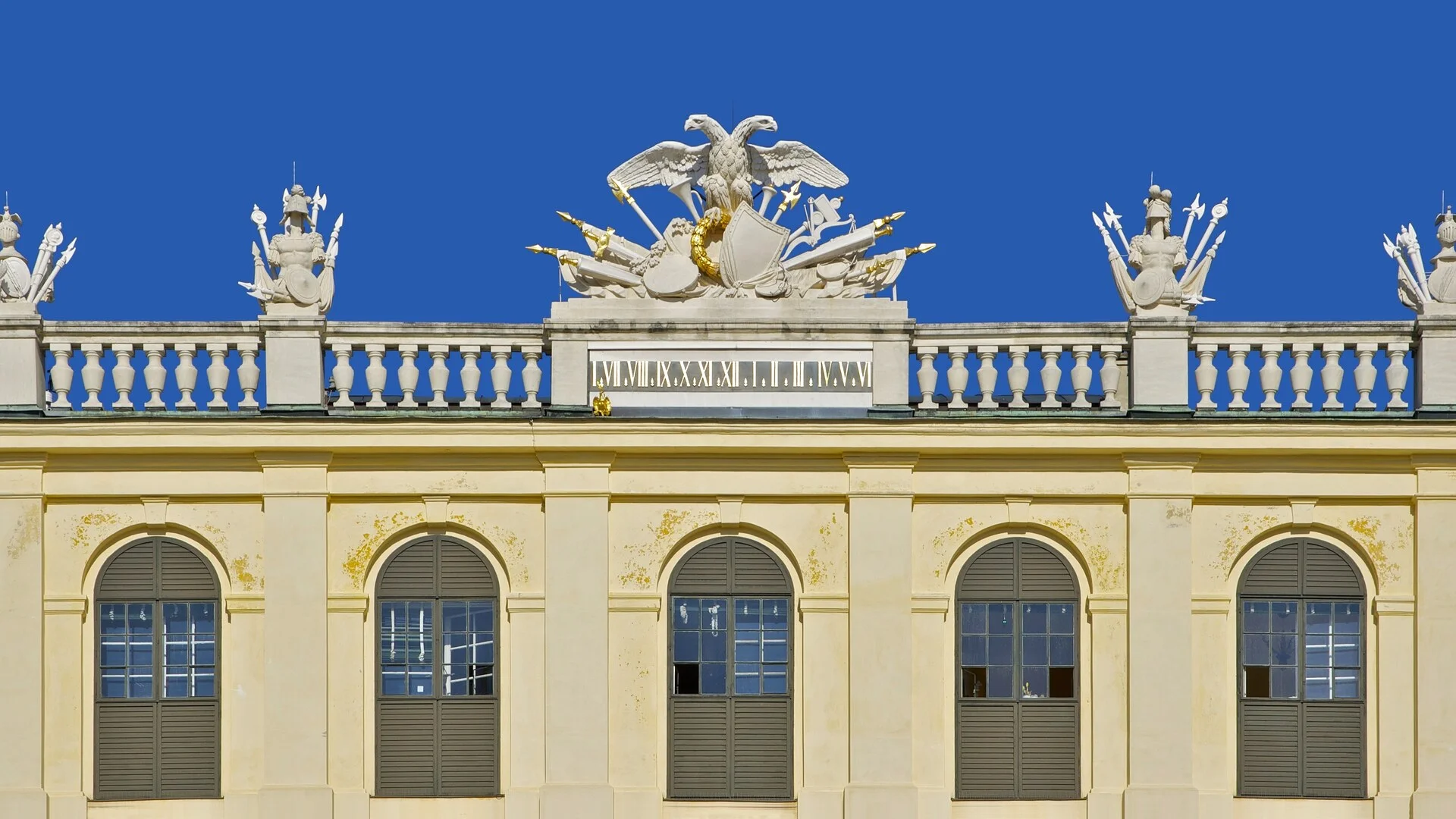
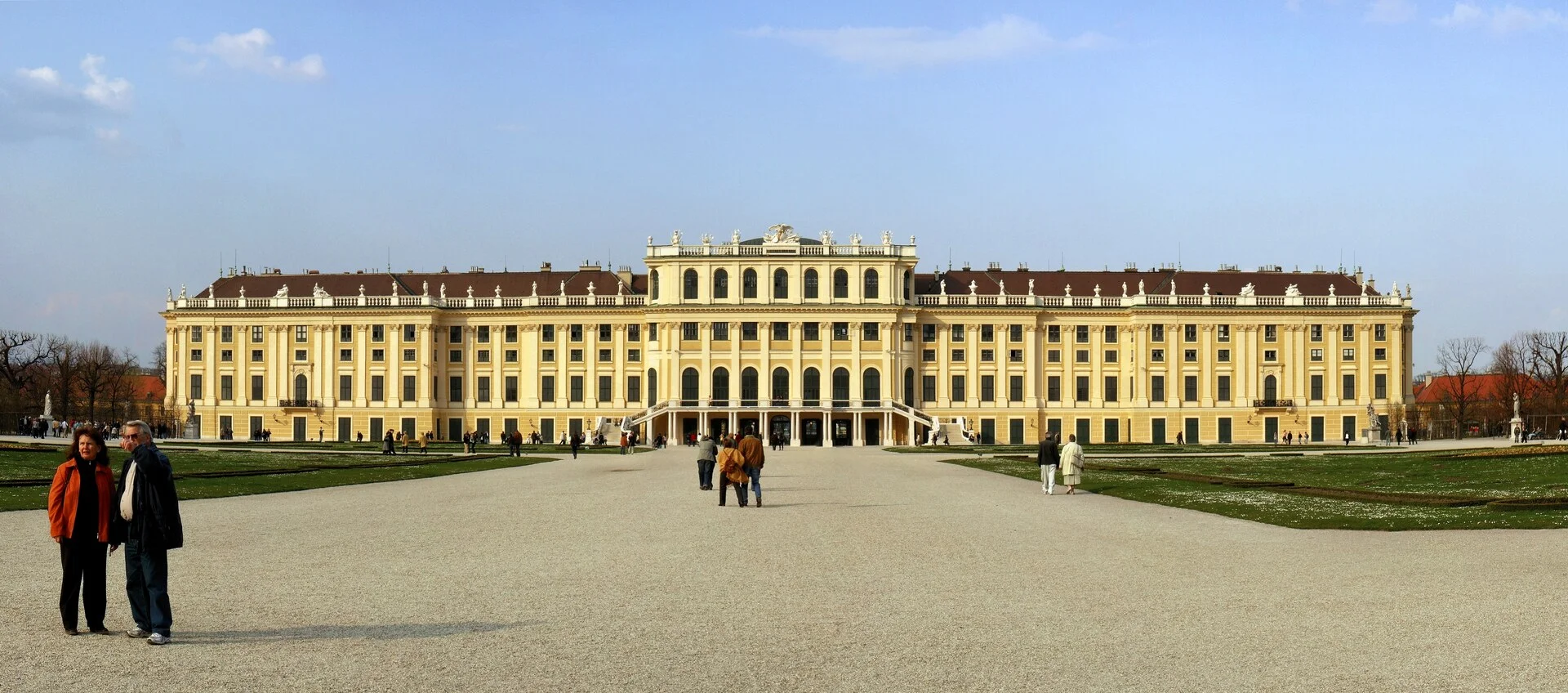
Schönbrunn Palace, the Habsburg summer residence
Schönbrunn Palace is the most-visited attraction in Austria (more than 4 million annual visitors), so two pieces of practical advice up front: book your ticket online before the trip (walk-up sells out by mid-morning in summer), and start your visit at 9am to get inside before the tour buses arrive. If you're combining this with other big-ticket European sites, our guide to skip-the-line tickets in Europe covers the booking strategy in depth.
The Grand Tour ticket (40 rooms, around 26 EUR) is the right choice if you want the full Imperial Apartments experience including Empress Maria Theresa's Million Room and Napoleon's bedroom. The shorter Imperial Tour (22 rooms) is fine if you're tight on time.
- 🎟️ Schönbrunn skip-the-line + Grand Tour audio guide
- 🎼 Schönbrunn Mozart concert in the Orangery
- 🦒 Schönbrunn + Tiergarten combo ticket
After the palace, walk the gardens uphill to the Gloriette, the marble colonnade at the top of the hill. The view back over the palace and across Vienna is the photo you'll send home. Inside the Gloriette there's a small café (pricey, but the view is unbeatable).
The Tiergarten Schönbrunn (Schönbrunn Zoo) is the world's oldest still-operating zoo, founded in 1752 as the imperial menagerie. It's inside the Schönbrunn grounds and worth a half-day on its own, especially if traveling with kids. The giant pandas are the headliners.
End the day with a Mozart concert at the Schönbrunn Orangery, the same baroque hall where Mozart performed for Emperor Joseph II in 1786. Yes it's touristy. Yes it's worth doing once.
🎨 Day 4: Belvedere + Naschmarkt + MuseumsQuartier
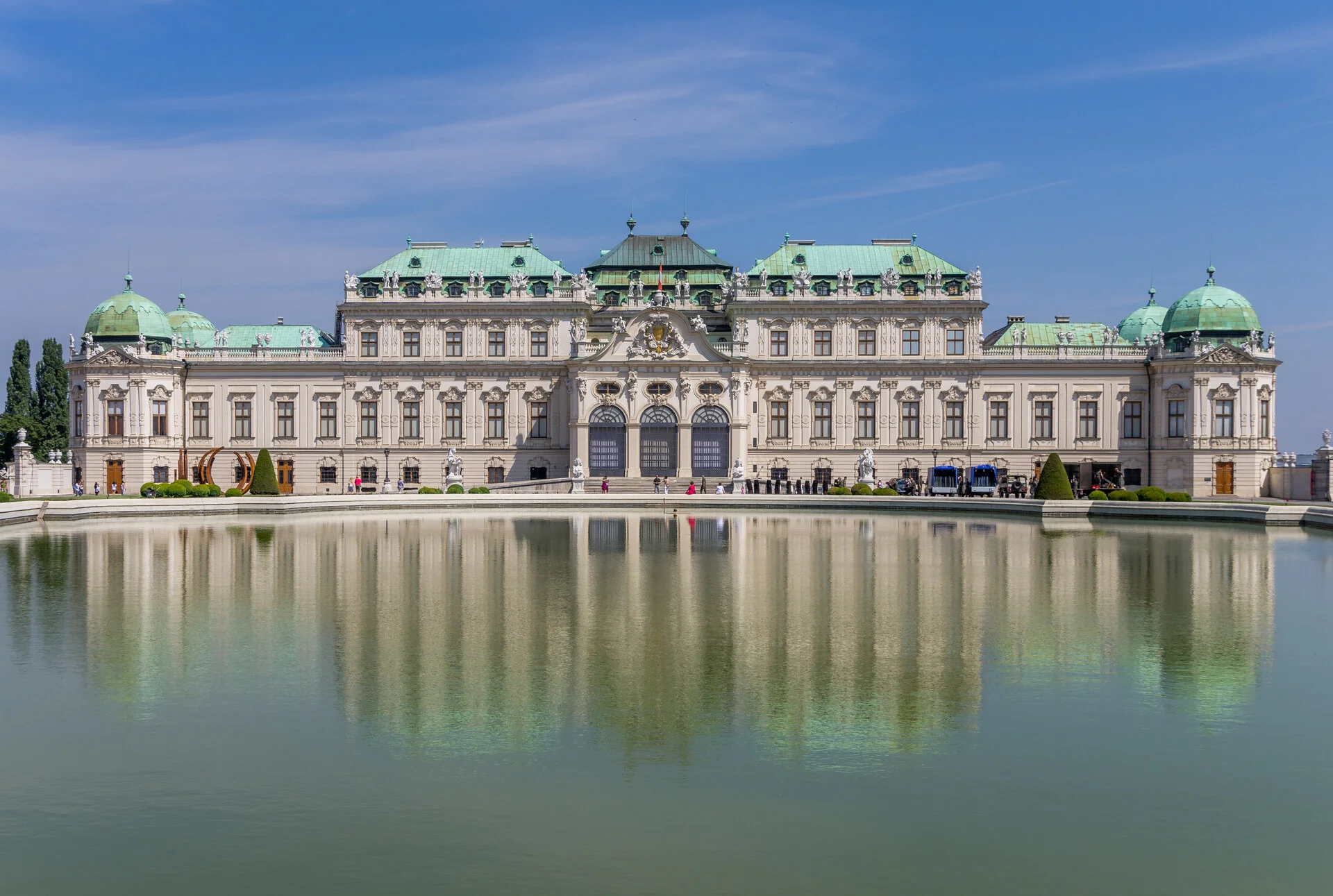
Upper Belvedere: home to Klimt's The Kiss
The Upper Belvedere houses the most-visited painting in Austria: Gustav Klimt's The Kiss (1907 to 1908). It hangs in a small dedicated room and there's almost always a crowd. The trick: arrive at 9am when the museum opens on a Tuesday or Wednesday and you can have a full minute alone with it. The Belvedere also holds the largest Schiele collection in the world, plus Klimt's Judith, Adele Bloch-Bauer II, and the Beethoven Frieze studies.
- 🖼️ Belvedere skip-the-line + Klimt collection ticket
- ⛪ Karlskirche dome elevator + organ concert combo
From the Belvedere, walk 10 minutes to Karlskirche (St. Charles Church). The unusual feature: a temporary elevator inside the dome lifts you to within touching distance of Johann Michael Rottmayr's 1730 ceiling frescoes. You can see the brushstrokes. The 8 EUR ticket is one of the best-value experiences in Vienna.
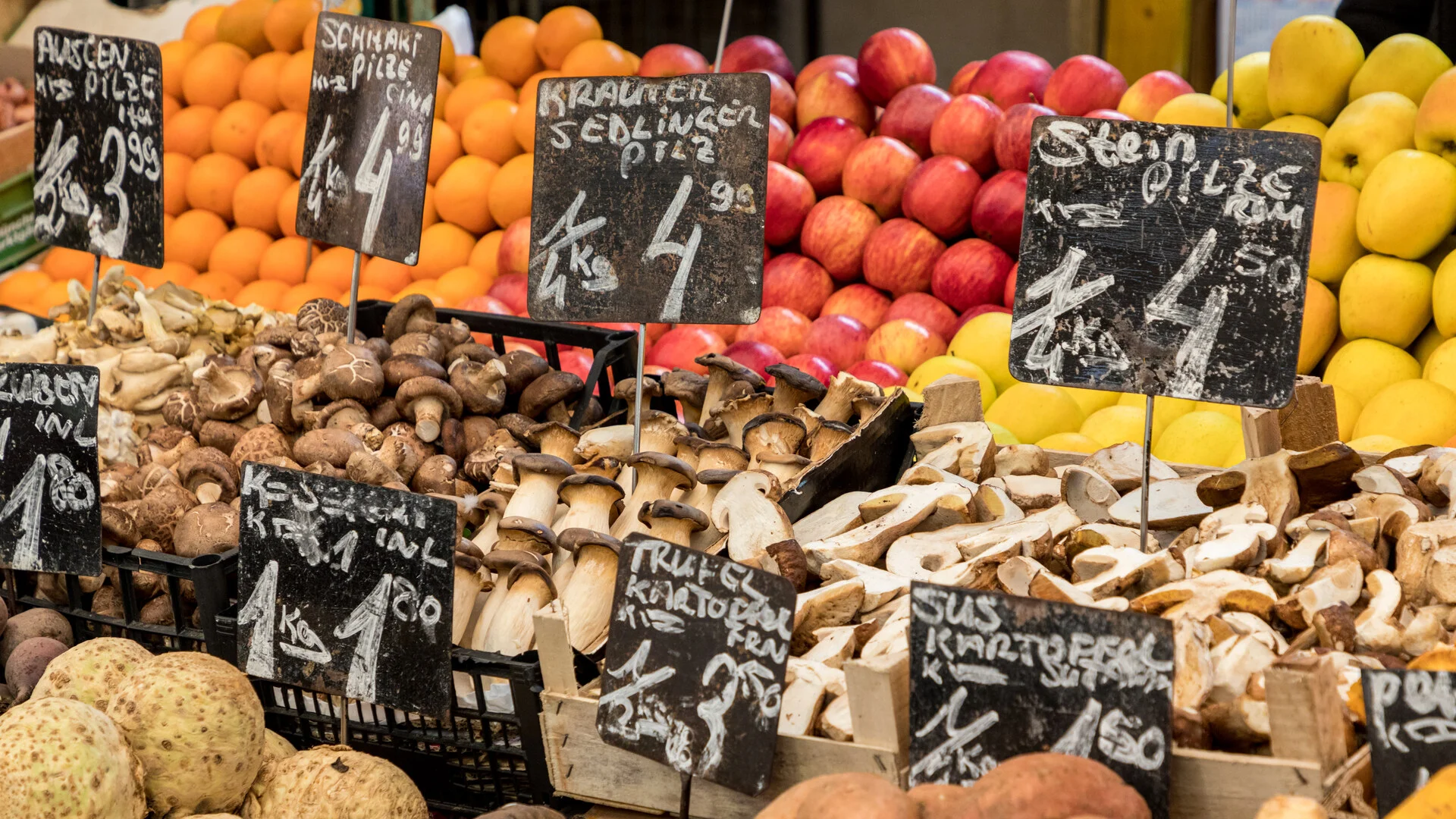
Naschmarkt, Vienna's biggest open-air market
Late lunch at the Naschmarkt, Vienna's largest open-air market (open Monday to Saturday, closed Sunday). The Turkish, Lebanese, and Persian stalls anchor the food scene; Neni and Umar Fisch are the must-stop reservations. Saturday adds a flea market at the far end.
Afternoon: the MuseumsQuartier, one of the world's largest cultural complexes by area. The two essentials are the Leopold Museum (the most comprehensive Egon Schiele collection on earth, plus more Klimt) and MUMOK (modern art: Warhol, Lichtenstein, Picasso).
For dinner, take the tram to Grinzing, the wine-village neighborhood on Vienna's edge. A Heuriger is a wine tavern run by the winemaker, serving their own wine alongside a cold-cuts buffet (Brettljause). In autumn order Sturm (cloudy half-fermented grape juice, alcohol around 4 percent, only available for a few weeks). Year-round order Grüner Veltliner.
☕ Day 5: Coffee House Culture + Vienna Boys Choir + Prater
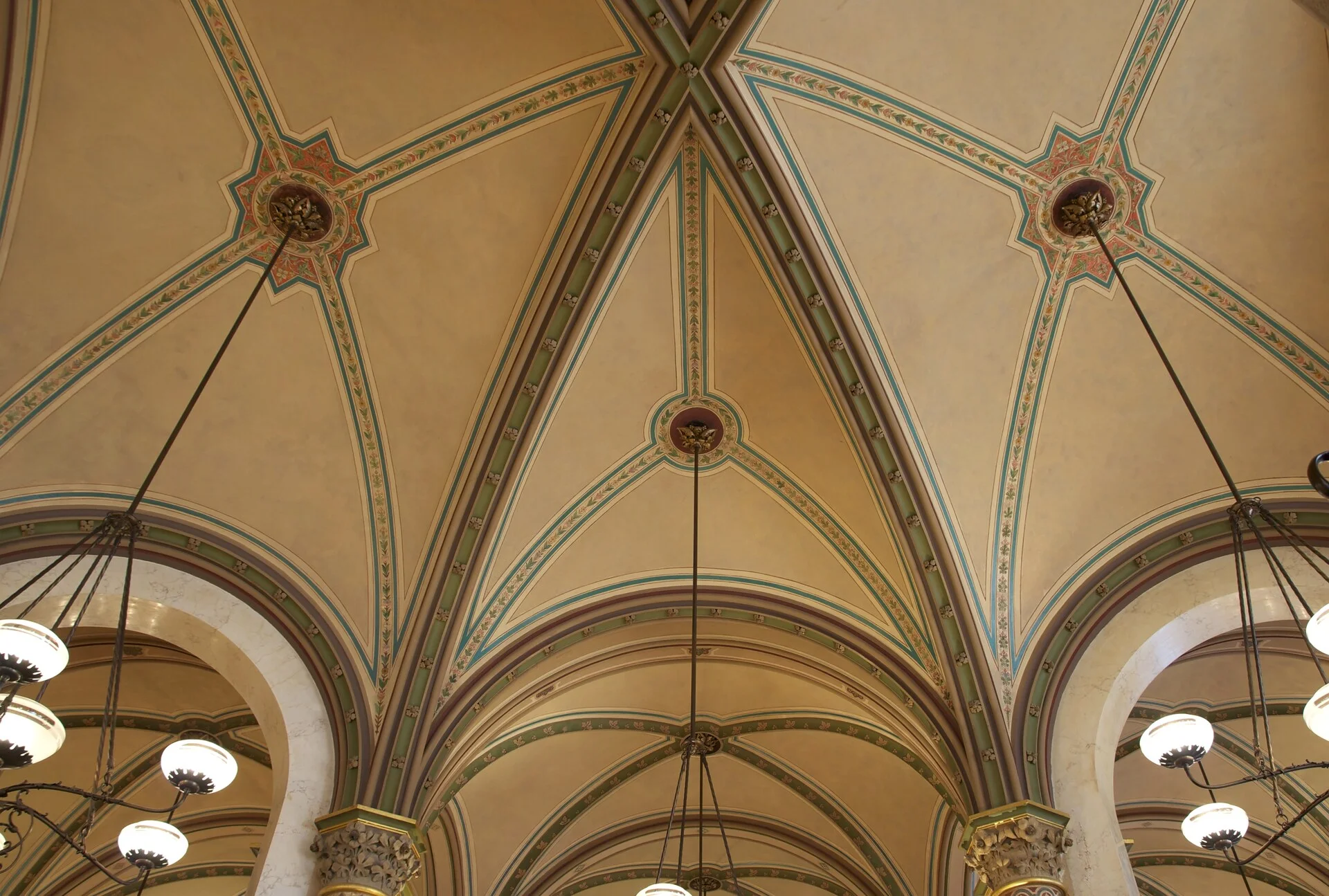
A classic Vienna coffee house, UNESCO intangible heritage
Vienna's coffee house tradition has been on UNESCO's Intangible Cultural Heritage list since 2011. The morning is for working through the canonical ones: Café Central (the most famous, Adolf Loos interior, Trotsky was a regular), Café Hawelka (Bohemian, smoke-stained walls, unchanged since 1939), and Café Sperl (1880, the most authentically untouched). Order a Melange (similar to a cappuccino) or an Einspänner (espresso with whipped cream) and stay for two hours. Nobody will rush you.
- ☕ Vienna coffee house guided walking tour with tastings
- 🎵 Vienna classical music concert at Karlskirche or Musikverein
If your Day 5 falls on a Sunday, the Vienna Boys Choir sings at 9:15am Mass in the Burgkapelle inside the Hofburg. Tickets go on sale months in advance. If you missed those, the choir also performs at Augustinerkirche on most Sunday mornings; reservations are easier.
Afternoon: the Prater, Vienna's iconic amusement park. The headliner is the Riesenrad, the 1897 giant Ferris wheel made famous by The Third Man. The wooden gondolas are the same originals. Even if you skip the rides, the Prater is a green park you can walk for hours, perfect for a slow Vienna afternoon.
For something more contemplative, the Sigmund Freud Museum at Berggasse 19 occupies Freud's actual apartment from 1891 to 1938. His waiting room is intact. It's a 30-minute visit but a powerful one.
Farewell beer at a classic Beisl (Vienna's version of a corner pub): Gasthaus Pöschl, Schwarzes Kameel, or Lugeck. Order a Maß of Ottakringer or Stiegl and the Tafelspitz.
Where to Stay in Vienna
Book through this map and you help support our travels, at no extra cost to you. We earn a small commission, and it means a lot.
🎼 Day 6: Day Trip to Salzburg
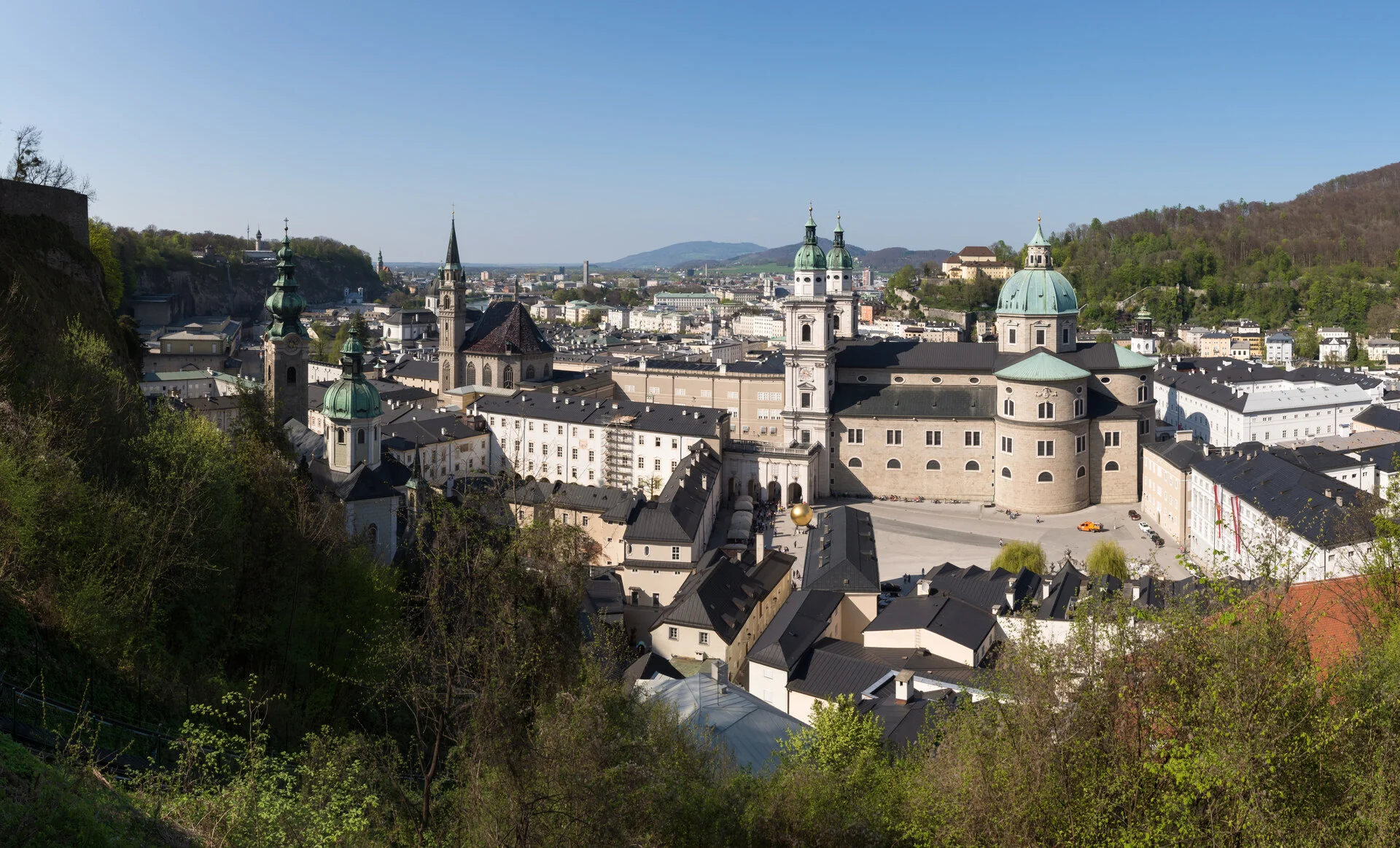
Hohensalzburg Fortress above Salzburg's baroque old town
Salzburg is Mozart's birthplace and the most famous day trip from Vienna. Travel: 2 hours 30 minutes by ÖBB Railjet from Wien Hauptbahnhof, 30 to 60 EUR one-way depending on how far in advance you book. Trains run hourly.
- 🚆 Salzburg full-day tour from Vienna (rail-included)
- 🎬 Sound of Music tour from Salzburg (a tourist trap but a genuinely fun one)
From Salzburg Hauptbahnhof, walk 15 minutes to the old town. Priority stops (in walking order from the station):
- Mirabell Gardens: the manicured palace gardens where the Sound of Music "Do-Re-Mi" sequence was filmed. The dwarves, the staircase, the unicorn fountain.
- Mozart's Birthplace (Getreidegasse 9): the yellow building where Mozart was born in 1756. The exhibition is small but Mozart's actual childhood violin is here.
- Salzburg Cathedral + Residenzplatz: the baroque heart of the old town.
- Hohensalzburg Fortress: take the funicular up (4-minute ride) for sweeping Alps + old town views. The fortress is one of the largest intact medieval castles in Europe.
Catch the 18:30 or 19:30 train back to Vienna. If you're feeling ambitious, the organized Vienna day tour packages the train + Sound of Music tour + fortress entry into one ticket; convenient but the DIY version is 30 percent cheaper.
🏔️ Day 7: Day Trip to Hallstatt
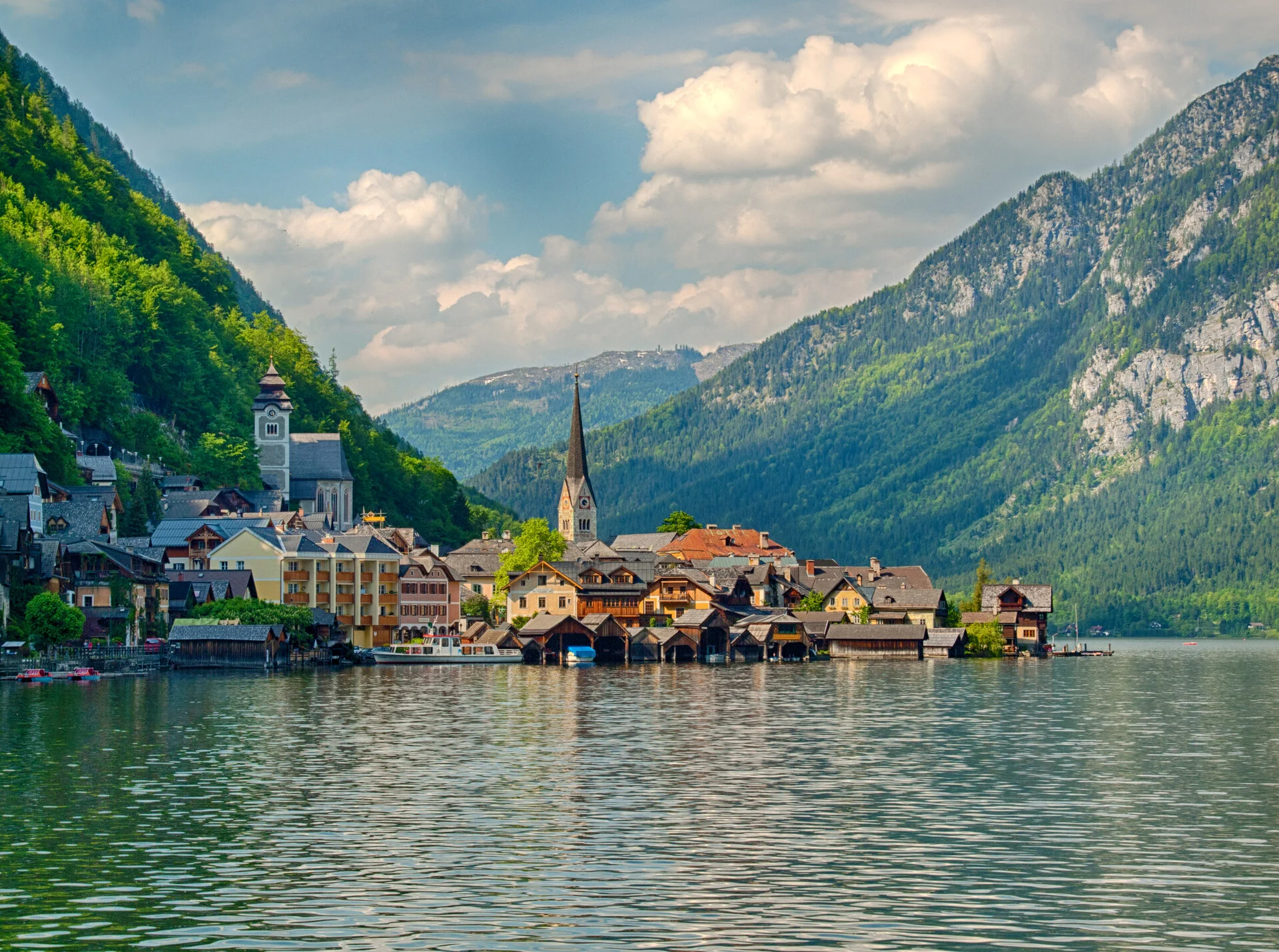
Hallstatt: the most photographed Austrian lake village
Hallstatt is the iconic Austrian lake-village photo you've seen everywhere. Travel from Vienna: 3 hours by ÖBB train (transfer at Attnang-Puchheim, then to Hallstatt station, then a 10-minute boat across the Hallstättersee to the village itself). The organized day tour from Vienna is the easier alternative because the train route eats 6 hours of your day.
On the ground, four things to do:
- The classic viewpoint: walk to the small chapel above the cemetery for the postcard photo of the village reflected in the lake
- Salt mine tour: the world's oldest, operating since around 1,300 BC. The slides into the mine tunnels are surprisingly fun, and the underground salt lake is otherworldly
- Hallstatt Skywalk: a panoramic viewing platform 360 meters above the village, reached by funicular
- Beinhaus (Bone House): the small ossuary chapel with painted skulls dating to 1720, behind the Catholic church. 1.50 EUR entry.
Responsible tourism note: Hallstatt has been overcrowded since a 2017 TikTok and K-drama boom. The village population is around 700, and on a peak summer day there are 10,000+ visitors. Visit on a weekday, don't bring drones (banned), and consider an overnight stay so you see the village empty in the early morning.
Lunch at Restaurant Bräugasthof on the lake (Saiblings-Filet from the Hallstättersee). Return Vienna evening.
🍷 Day 8: Day Trip to the Wachau Valley
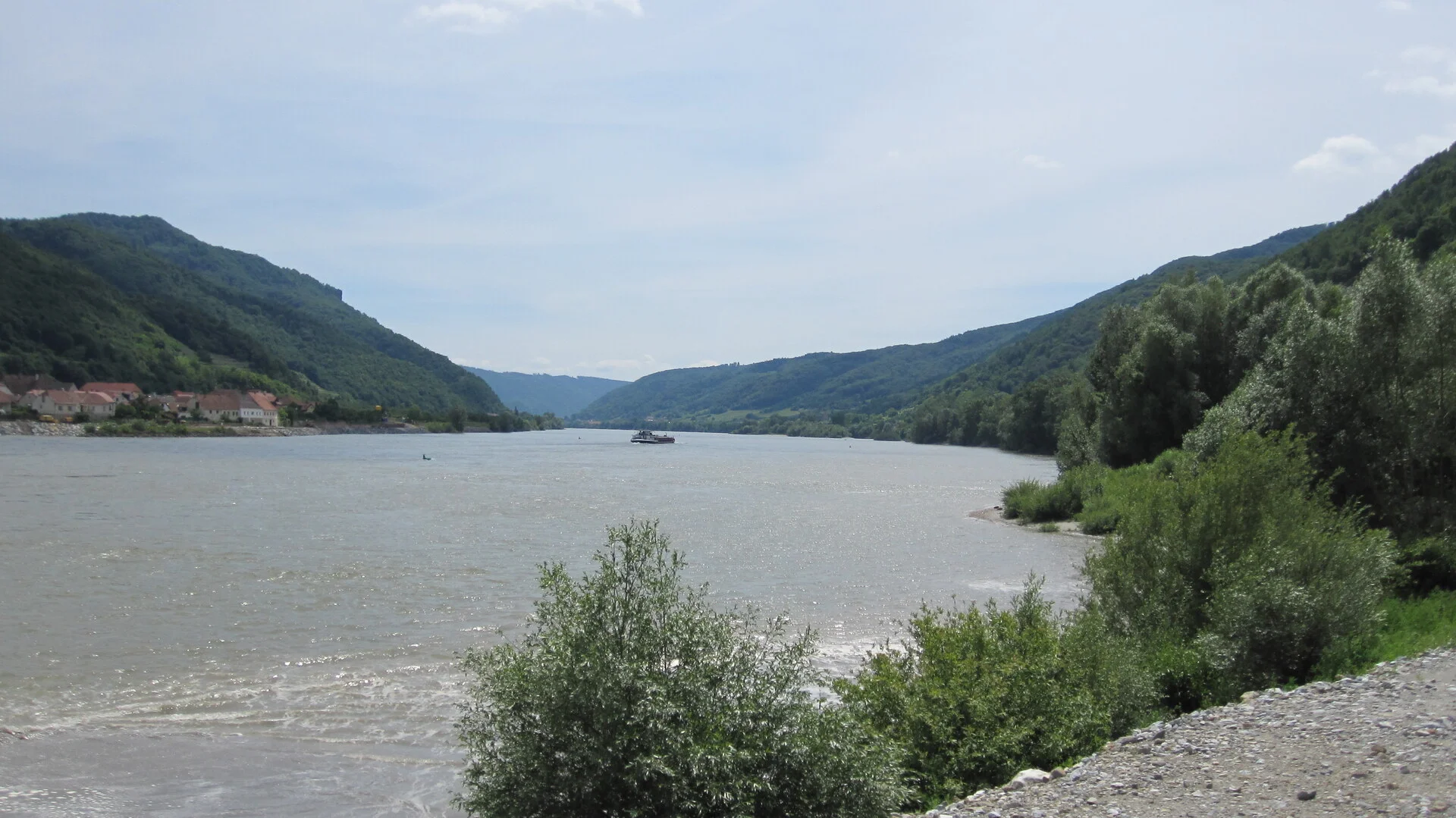
Wachau Valley: 35 km of vineyards along the Danube
The Wachau Valley is a 35-kilometer UNESCO-listed stretch of the Danube between Krems and Melk, famous for Riesling and Grüner Veltliner, baroque abbeys, and medieval villages. The best way to see it: train to Krems (1.5 hours from Vienna), then a DDSG Blue Danube boat downstream to Melk, stopping in Dürnstein along the way.
- ⛵ Wachau Valley wine tasting day trip from Vienna with Danube cruise
- ⛪ Melk Abbey + Wachau Valley combined day tour
Highlights along the route:
- Krems: the upstream gateway. Walk Steiner Landstraße and the medieval city walls. Lunch at Salzstadl on the river.
- Dürnstein: the iconic blue-tower village. Climb to the castle ruins where Richard the Lionheart was imprisoned in 1192 on his way back from the Third Crusade. Apricot everything at the village shops (the Wachau is famous for them).
- Melk Abbey: a yellow baroque Benedictine monastery on a 60-meter cliff above the Danube, founded 1089. The library is one of the most photographed in the world (~100,000 manuscripts, including a 1,200-year-old Bible).
For the return, train from Melk Hauptbahnhof back to Vienna (1 hour 20 minutes). Or do the organized Vienna day tour for a stress-free single-ticket version with wine tasting included.
🇸🇰 Day 9: Day Trip to Bratislava
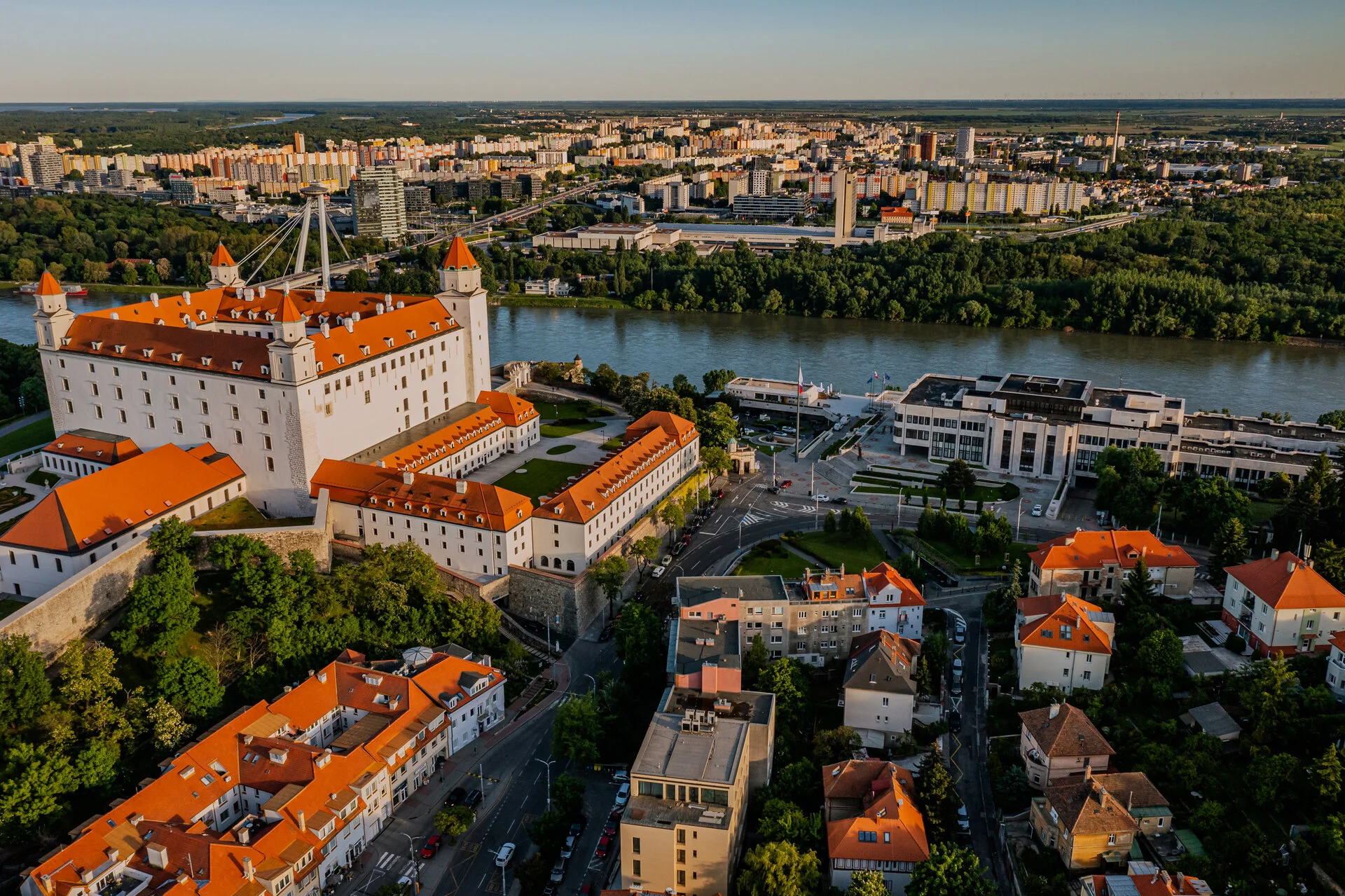
Bratislava Old Town with the castle on the hill
The easiest day trip on the list. Bratislava (Slovakia's capital) sits 80 kilometers down the Danube from Vienna, an hour by train. Travel options:
- ÖBB train: 1 hour from Wien Hauptbahnhof, 10 to 15 EUR each way. Most frequent and cheapest.
- Twin City Liner catamaran: 75 minutes via the Danube, around 35 EUR each way. Slower but the river arrival into Bratislava is spectacular.
- Organized day tour: handles transport + walking tour + lunch in one ticket.
- 🚌 Bratislava day tour from Vienna
- 🏰 Bratislava Castle + Old Town guided walking tour
- ⛴️ Twin City Liner Vienna to Bratislava boat ticket
On the ground, the day's loop:
- Bratislava Castle: the white four-towered castle on the hill, reconstructed from medieval foundations in the 1950s. The view from the terrace across the Danube is the photo
- Old Town walking tour: Michael's Gate (the only remaining medieval city gate), Hlavné námestie (Main Square), the bronze Čumil statue (Man at Work, the city's most-photographed sculpture, popping out of a manhole)
- St. Martin's Cathedral: where 11 Hungarian monarchs were crowned between 1563 and 1830
- Slovak food: bryndzové halušky (sheep cheese dumplings, Slovakia's national dish) at Slovak Pub on Obchodná. Add a glass of Devín dry white from southwest Slovakia.
Return Vienna evening. The whole trip is a perfect short, easy day after the longer Hallstatt and Wachau excursions.
✈️ Day 10: Final Day, Sachertorte, Souvenirs, Departure
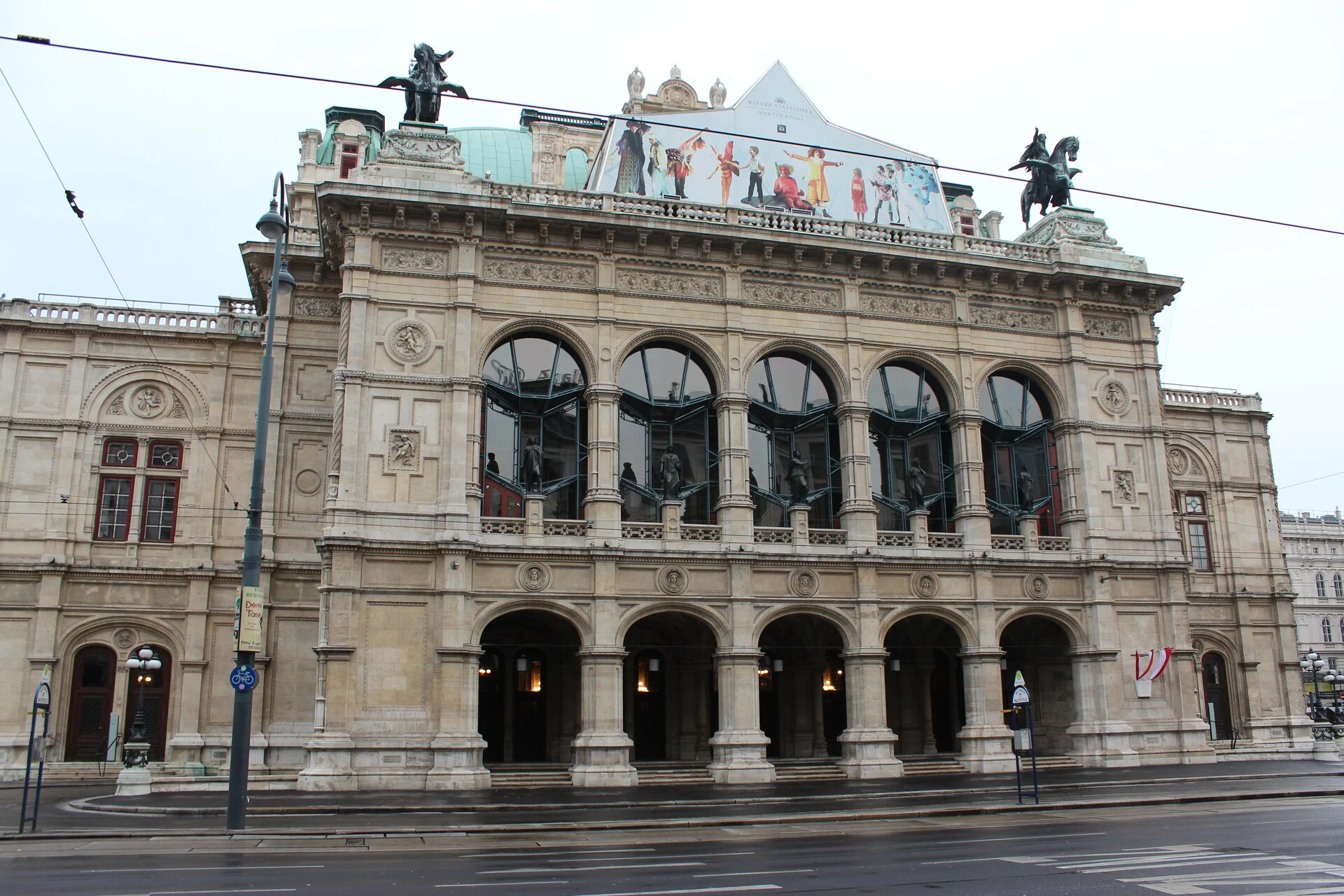
Vienna State Opera, where Mahler conducted
Save the morning for anything you missed. Common ones at this point in the trip: the Albertina (Monet to Picasso, often skipped on Day 2), the Sigmund Freud Museum (if Day 5 didn't fit it), or a return Schönbrunn visit to walk the gardens you didn't have time for on Day 3.
Coffee + Sachertorte at Café Sacher (the original, in the hotel of the same name). Yes it's touristy and the line is real, but you cross it off the list. The chocolate cake recipe is a closely guarded family secret from 1832. The Sacher rivalry with Café Demel for the "original" claim is so legendary it generated lawsuits well into the 20th century.
Last shopping:
- Mozartkugeln: chocolate-pistachio-marzipan balls. Mirabell brand for budget, Reber Mozart-Kugel for the originals (Salzburg-made).
- Manner wafers: the pink-and-white hazelnut wafers Vienna has been baking since 1898. There's a factory shop on Stephansplatz where you can mix and match flavors.
- Augarten porcelain: Vienna's imperial porcelain workshop, founded 1718. The hand-painted Mozart figurines are the souvenir splurge.
- 🚖 Pre-book a Vienna airport private transfer back to VIE for departure
Ten days, four day trips, the city's full architectural arc from medieval Stephansdom to Klimt's Vienna Secession. Most travelers do Vienna in 3 nights and miss everything past Schönbrunn. You won't.
🛏️ Where to Stay in Vienna: Best Neighborhoods
For a 10-day trip, the 1st district (Innere Stadt) is the obvious choice if budget allows. You'll save 30+ minutes a day in transit and walk to most of Days 1, 2, 4, and 5 directly from your hotel.
- 1st district (Innere Stadt): our top pick for first-timers. Walking distance to Stephansdom, Hofburg, State Opera, Albertina. Boutique hotel sweet spot: 150 to 300 EUR per night.
- 7th district (Neubau / MuseumsQuartier): hipper, younger Vienna. Excellent café and brunch scene. 1 metro stop to the center. 100 to 180 EUR per night.
- 6th district (Mariahilf): Vienna's main shopping street (Mariahilfer Straße). Mid-range value. 80 to 150 EUR per night.
- 4th district (Wieden): residential, near Karlsplatz and the Naschmarkt. Often the best value-for-quality. 80 to 130 EUR per night.
For booking, we use Booking.com for the cancellation flexibility. Look for at least 8.5+ reviews. The Vienna boutique scene is excellent: hotels like Hotel Sans Souci (7th), Hotel Topazz (1st), and Hotel Altstadt (7th) are reliable luxury picks; Motel One Wien-Westbahnhof and the 25hours Hotel beim MuseumsQuartier hit the mid-range sweet spot.
🛏️ Choosing a neighborhood? We break down every district by traveller type, price, and the best hotel in each in our full guide to where to stay in Vienna.
🚆 Getting to Vienna + Getting Around
Arriving at Vienna International Airport (VIE)
- City Airport Train (CAT): 14.90 EUR one-way, 16 minutes nonstop to Wien Mitte. The premium option.
- S-Bahn S7: 4.40 EUR with a single transit ticket, 25 minutes to Wien Mitte or Wien Hauptbahnhof. Cheapest, runs every 30 minutes.
- Private transfer: 30 to 50 EUR door-to-door. Best after a long flight or with luggage.
- Avoid unmarked taxis at the airport. Use Bolt, Uber, or a pre-booked transfer instead.
Train Arrivals
Wien Hauptbahnhof (main station) is the international gateway. Trains from Prague, Munich, Budapest, Bratislava, and Zürich all terminate here. It's U-Bahn-connected (U1) and a 10-minute ride to the center.
Public Transport in Vienna
Vienna's U-Bahn + tram + bus + S-Bahn system is one of the best in Europe. Buy a 24-hour or 72-hour Wien Mobil pass at any U-Bahn station ticket machine: 5.80 EUR for 24 hours, 17.10 EUR for 72 hours, 8.10 EUR for a Vienna City Card (transit + small attraction discounts).
For day trips: ÖBB (Austrian Federal Railways) for Salzburg, Hallstatt, Wachau, and Bratislava. Book seat-reservations a few days ahead for Salzburg in summer; the Hallstatt route fills up.
💰 Budget Breakdown for 10 Days in Vienna
Vienna is moderately expensive by European capital standards: cheaper than Zürich or Paris, pricier than Prague or Budapest. Here's what to budget across tiers:
| Category | Budget | Mid-Range | Luxury |
|---|---|---|---|
| Accommodation (10 nights) | 500 | 1,200–1,800 | 3,000+ |
| Food & drink (per day) | 30–40 | 70–100 | 200+ |
| Public transport (10 days) | 25 | 25 | 25 |
| Activities + tickets | 150–200 | 350–500 | 800+ |
| Day trip costs (4 trips) | 200–280 | 400–600 | 800+ |
| Total (excl. flights) | ~$1,200 | ~$2,400 | ~$5,500+ |
Estimated budget for 10 days in Vienna per person (USD)
Estimated budget for 10 days in Vienna per person (USD)
Money-saving tips:
- The State Opera 4 EUR Stehplatz hack is the cheapest world-class opera experience in Europe (see Day 2)
- The Vienna Pass covers 70+ attractions; worth it if you'll hit 4+ paid sites in 48 hours (Schönbrunn + Hofburg + Belvedere + Spanish Riding School covers it). For our 10-day pace, individual tickets often beat the pass
- Lunch menus (Mittagsmenü) at Vienna restaurants are 30 to 40% cheaper than dinner menus for similar dishes
- Free walking tours of the 1st district (tip-based) are a great Day-1 orientation
- For day trips, ÖBB SparSchiene advance-purchase tickets save 30 to 50% if booked 2+ days ahead
🛡️ Don't Forget Travel Insurance
We never travel without insurance. Heymondo covers medical expenses, trip cancellation, and stolen or damaged electronics, with 24/7 assistance through their app. As one of our readers, you get 5% off your policy.
Get 5% off your travel insurance →If you purchase through our link, we may earn a commission at no extra cost to you. Discount not available for US residents.
🍽️ What to Eat in Vienna: Austrian Food Highlights
Vienna's food is hearty, baroque, and built around the Habsburg empire's reach (Hungarian goulash, Czech dumplings, Italian coffee, Turkish coffee). The dishes you should try at least once:
- Wiener Schnitzel: the original. Only veal qualifies as authentic Wiener Schnitzel; pork is "Schnitzel Wiener Art" (Vienna-style) but cheaper and more common. Figlmüller, Plachutta, and Schnitzelwirt are the classic addresses.
- Tafelspitz: boiled beef in broth with horseradish and apple sauce. Emperor Franz Joseph ate it every day. Plachutta is the temple.
- Sachertorte: the original at Hotel Sacher; Demel is the rival claiming the older recipe. Both are worth trying.
- Apfelstrudel: the strudel-stretching demonstrations at Café Residenz (Schönbrunn) are touristy but delightful. Best version: any traditional coffee house, with vanilla sauce.
- Kaiserschmarrn: shredded fluffy pancake with raisins and plum compote. Originated as Emperor Franz Joseph's favorite dessert.
Vienna coffee culture is on UNESCO's Intangible Heritage list, and ordering matters:
- Melange: similar to a cappuccino (espresso + steamed milk + foam)
- Einspänner: single espresso topped with whipped cream, served in a glass
- Verlängerter: long black, an Americano-equivalent
- Brauner: single espresso with a splash of cream
- Kapuziner: small espresso with a drop of cream, named after Capuchin monks' robes
For Heuriger wine taverns, head to Grinzing, Nussdorf, or Sievering on the city's wine-growing edge (the 19th district). Order Grüner Veltliner year-round, Sturm in autumn (a cloudy half-fermented sweet wine only available October to November), and the cold-cuts Brettljause buffet.
- 🍽️ Vienna food walking tour for an organized intro to all of the above
Best traditional restaurants we'd send anyone to: Figlmüller (schnitzel), Plachutta (Tafelspitz), Café Central, Gasthaus Pöschl, and Schwarzes Kameel for the lunchtime open-faced sandwich tradition.
📌 Why Vienna Deserves the Full 10 Days
Most trips to Vienna are too short. Three nights is the standard, and three nights is enough to see Schönbrunn and Stephansdom and call it done. Ten days unlocks something different: the imperial layer (Hofburg, Sisi, Spanish Riding School), the artistic layer (Klimt, Schiele, Beethoven, Mozart), the café layer (the UNESCO coffee house tradition), the wine layer (Grinzing Heuriger, Wachau Riesling), and four genuinely incredible day trips that almost no first-timer fits in.
Book your Schönbrunn skip-the-line and State Opera tickets ahead. Book Spanish Riding School morning training 2 weeks in advance in summer. Everything else is flexible. Browse all Vienna tours and tickets on GetYourGuide to lock in the high-demand experiences.
Planning to add more cities? Our Vienna, Budapest, Prague itinerary covers extending the trip into Central Europe. For more on Vienna itself, see our complete things to do in Vienna guide.
❓ FAQ: Planning Your 10-Day Vienna Trip
Is 10 days too long for Vienna?
No, especially if you include day trips. 4 to 5 days covers Vienna city; the remaining days unlock Salzburg, Hallstatt, the Wachau Valley, and Bratislava, none of which fit in a typical 4-day visit.
What is the best month to visit Vienna?
May, June, and September. April is good with fewer crowds, October has fall colors, and December is magical for Christmas markets (Rathausplatz and Schönbrunn). Avoid July and August if you can, peak heat plus tourist density.
Do I need a car in Vienna?
No. Vienna's public transport is one of the best in Europe, and all four day trips are easier by train than by car (parking in old towns is hard and expensive).
How much does 10 days in Vienna cost?
Budget travelers: 100 to 130 USD per day per person. Mid-range: 200 to 250 USD per day. Luxury: 400+ USD per day. Day trip costs add 60 to 100 USD per person depending on whether you DIY or join a guided tour.
Is the Vienna Pass worth it?
Worth it if you will hit 4+ paid attractions in 48 hours (Schönbrunn + Hofburg + Belvedere + Spanish Riding School covers it). For our 10-day pace, individual tickets often beat the pass. Check your planned attractions before buying.
What's the best day trip from Vienna if I can only do one?
Salzburg if you love Mozart and the Sound of Music, Hallstatt if you want the iconic Austrian lake village photo, the Wachau Valley if you love wine and baroque abbeys, Bratislava if you want the easiest and shortest trip. Most travelers regret not doing all four.
Should I learn German before visiting Vienna?
English is widely spoken in Vienna. Learning "Danke" (thank you), "Bitte" (please), and "Grüß Gott" (hello, very Austrian) goes a long way and is appreciated.
Is the Vienna State Opera 4 EUR standing-room ticket really a thing?
Yes. Standing-room tickets (Stehplatz) for State Opera performances are sold 80 minutes before curtain at the Stehplatz box office on Operngasse. Cash, one ticket per person, and the line forms 1.5 to 2 hours early in summer. Best deal in Vienna.