
Best Things to Do in Venice, Italy (2026 Travel Guide)
This article contains affiliate links. If you make a purchase through these links, we may earn a small commission at no extra cost to you. This helps us keep creating free content for you!
Venice is built on 118 small islands linked by more than 400 bridges, and not a single car has ever driven through its historic center. There are no roads here, only water. You arrive by boat, you cross the Grand Canal in a gondola, and you find your way through a maze of alleys where every wrong turn opens onto a quiet campo or a sunlit canal. It is a city that should not exist, and that is exactly why more than 20 million people come to see it every year.
The best things to do in Venice include visiting St. Mark's Basilica and the Doge's Palace, gliding down the Grand Canal by gondola, standing on the Rialto Bridge, grazing on cicchetti in a backstreet bacaro, and taking a boat out to the colorful lagoon islands of Murano and Burano. The headline sights are compact and walkable, but they are also crowded, and the ones that matter most use timed entry. A little planning is the difference between a magical visit and a day spent in line.
We have put together this complete guide to help you make the most of every hour. We cover the unmissable monuments, the skip-the-line tickets that save you from the worst of the queues, the gondola and canal experiences worth booking, the food you should not miss, and the best day trips out of the lagoon. If you are weaving Venice into a wider trip, our guide to skip-the-line tickets across Europe pairs perfectly with this one. Let's start in the heart of the city.
🦁 St. Mark's Square & St. Mark's Basilica
Piazza San Marco is the only square in Venice grand enough to be called a piazza, and Napoleon reportedly called it "the drawing room of Europe." It is framed by the arcaded Procuratie, the soaring brick Campanile (bell tower), and the astronomical Clock Tower, with the glittering domes of the basilica closing one end. At its heart sits St. Mark's Basilica, a 1,000-year-old masterpiece of Byzantine architecture sheathed in more than 8,000 square meters of golden mosaics, with the jeweled Pala d'Oro altarpiece and a terrace that looks straight down onto the square.
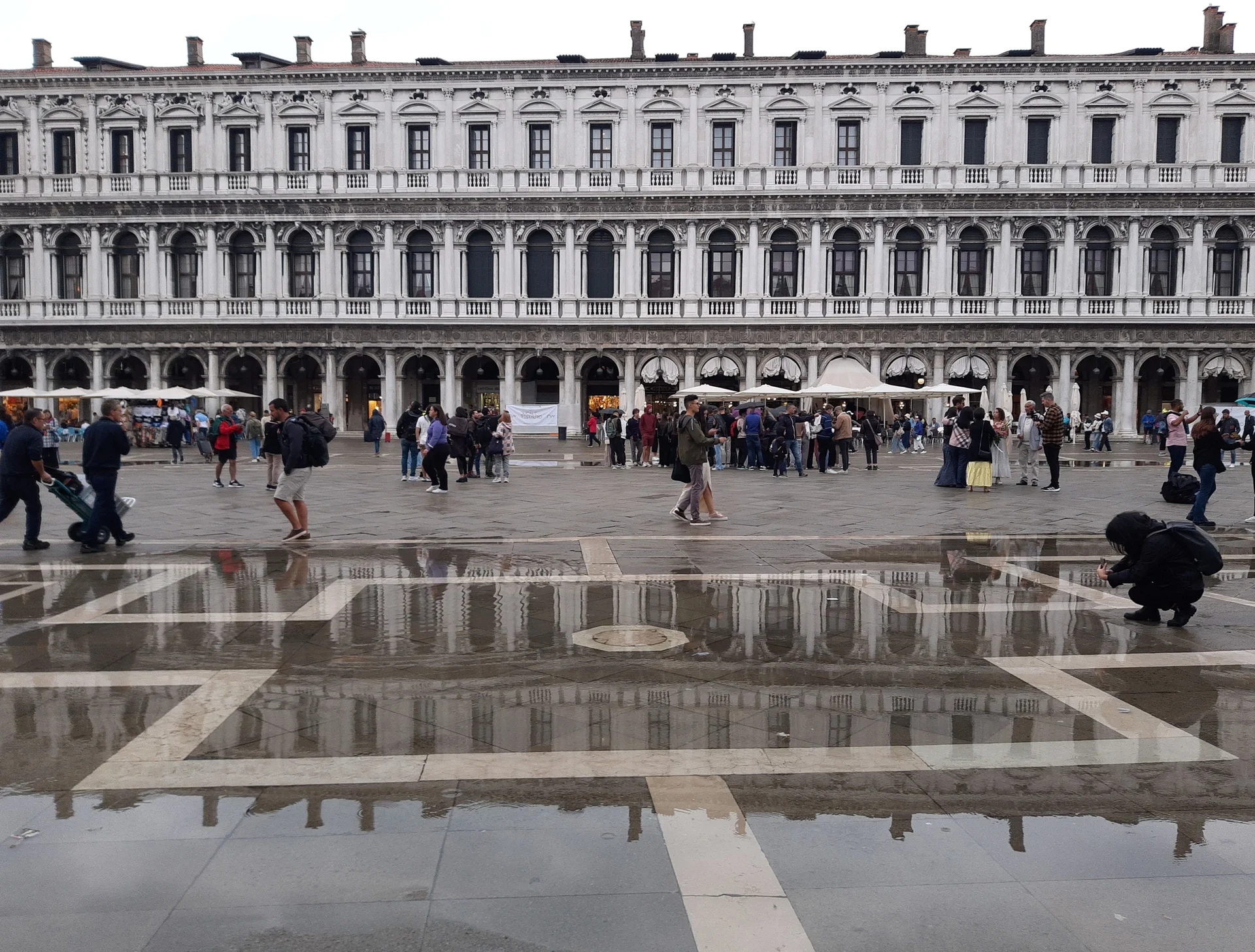
Piazza San Marco, framed by the arcaded Procuratie, is the social and architectural heart of Venice and the city's only true piazza.
Entry to the basilica itself is inexpensive, but the walk-up line regularly stretches across the square, and there is a strict dress code (shoulders and knees covered). The single best time-saver is a St. Mark's Basilica skip-the-line ticket with audio app, which lets you walk past the queue and explore the mosaics at your own pace. To understand what you are looking at, a small-group basilica and terrace skip-the-line tour adds a guide and access to the upstairs loggia and its bronze horses.
If you plan to see several of the square's monuments, a combined St. Mark's Pass covering the basilica, Doge's Palace, and bell tower bundles the headline sights into one booking and saves time at each door. For opening hours, dress rules, and the latest on the Pala d'Oro, the official St. Mark's Basilica website is the authoritative source. Climbing the Campanile for the rooftop view over the lagoon is a worthwhile add-on if the day is clear.
🏛️ The Doge's Palace & the Bridge of Sighs
Next door to the basilica stands the Doge's Palace (Palazzo Ducale), the pink-and-white Gothic seat of power that governed the Venetian Republic for a thousand years. Inside you climb the gilded Scala d'Oro (Golden Staircase) into vast halls hung with works by Tintoretto and Veronese, including the enormous Hall of the Great Council, before descending across the Bridge of Sighs into the old prisons. The bridge takes its name from the sighs of prisoners catching their last glimpse of Venice through its stone lattice.
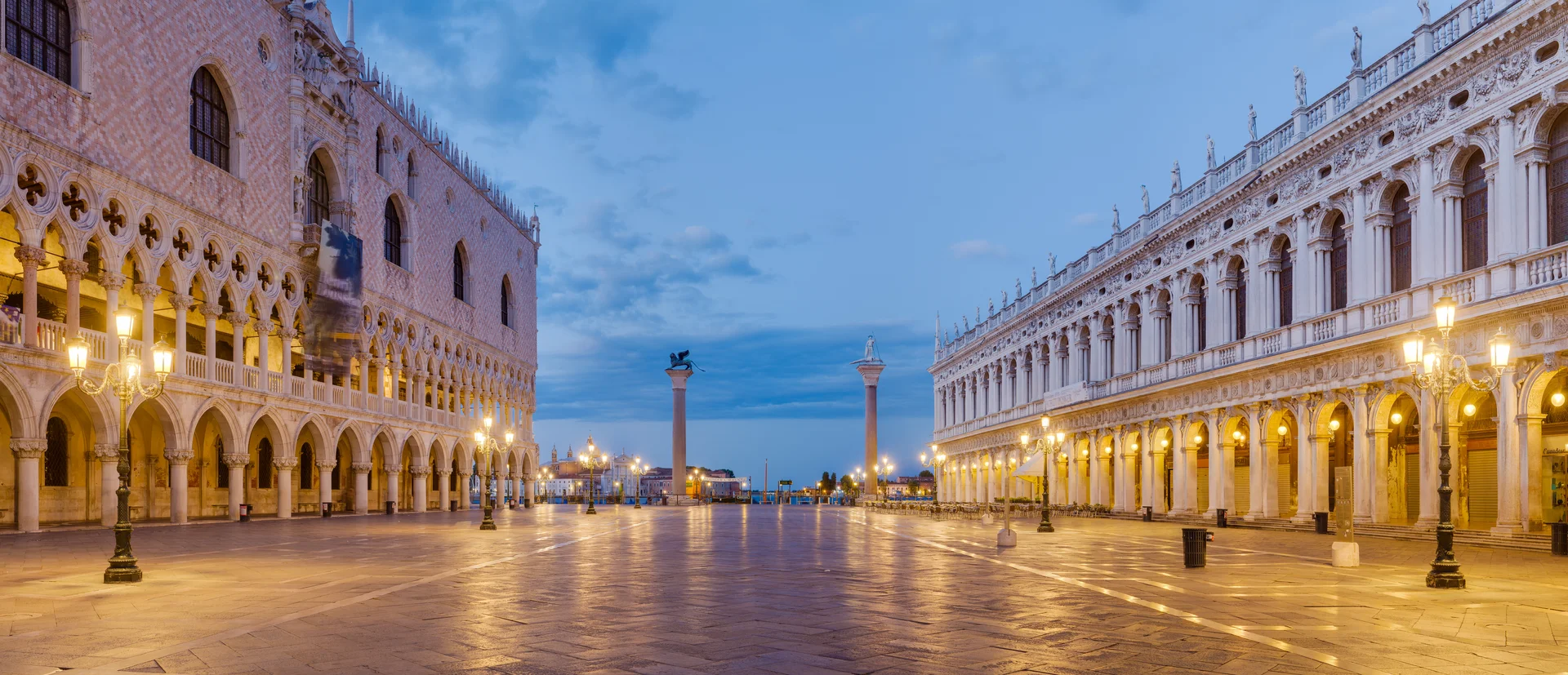
The Doge's Palace on the Piazzetta San Marco at blue hour, with the columns of St. Mark and St. Theodore marking the old ceremonial gateway to the city from the lagoon.
Like the basilica, the palace uses timed entry and sells out at peak times, so book ahead. A Doge's Palace reserved-entry ticket gets you straight inside with a fixed time slot. To make sense of the politics and intrigue behind the art, a Doge's Palace skip-the-line guided tour walks you through the halls with an expert. For the most atmospheric visit, a Doge's Palace, Bridge of Sighs, and prison tour takes you into the cells and across the famous bridge.
If you want to tick off the two giants of Piazza San Marco in one efficient outing, a combined skip-the-line Doge's Palace and St. Mark's Basilica tour covers both with priority access in around two hours. You can confirm timings and current ticket prices on the official Doge's Palace (Palazzo Ducale) website.
Top-Rated Activities in Venice
🛶 Gondola Rides & the Grand Canal
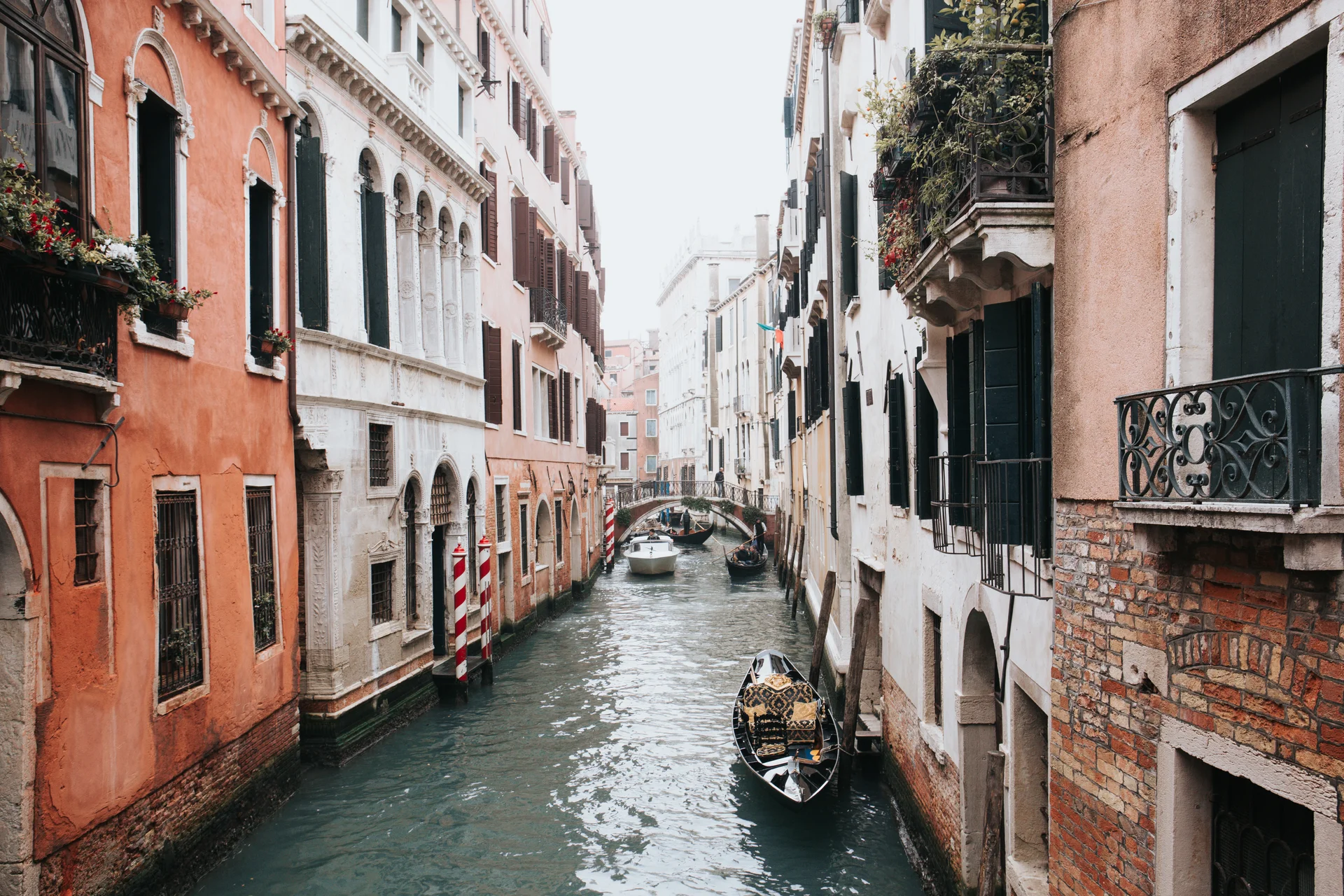
The Grand Canal is Venice's main street, a reverse-S of water nearly four kilometers long, lined with more than 170 palaces built between the 13th and 18th centuries. There is no more iconic Venetian experience than a gondola ride, drifting through the narrow side canals and out onto the Grand Canal as a gondolier steers with a single oar. It is touristy, it is worth it, and it is one of those things you simply do once in your life.
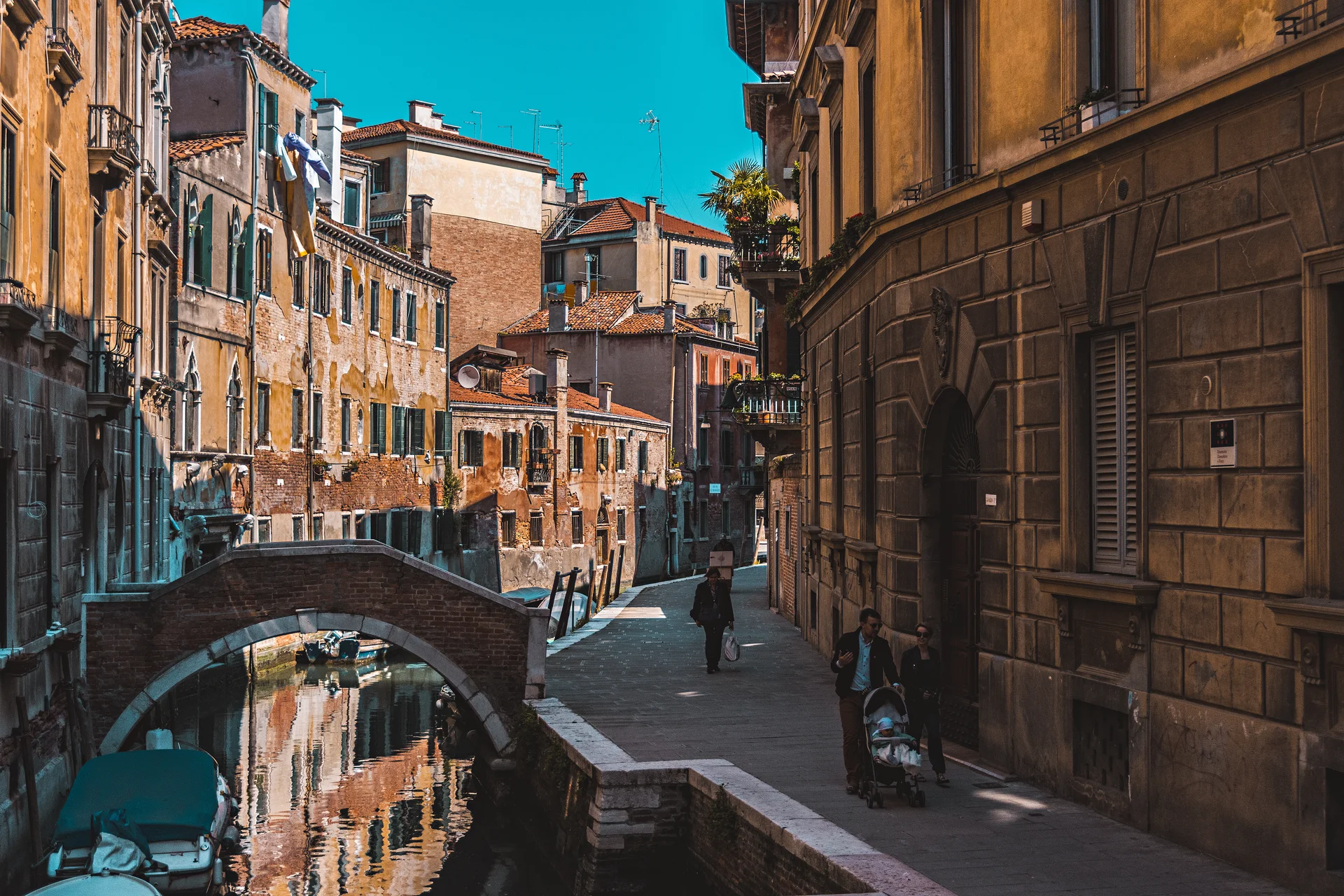
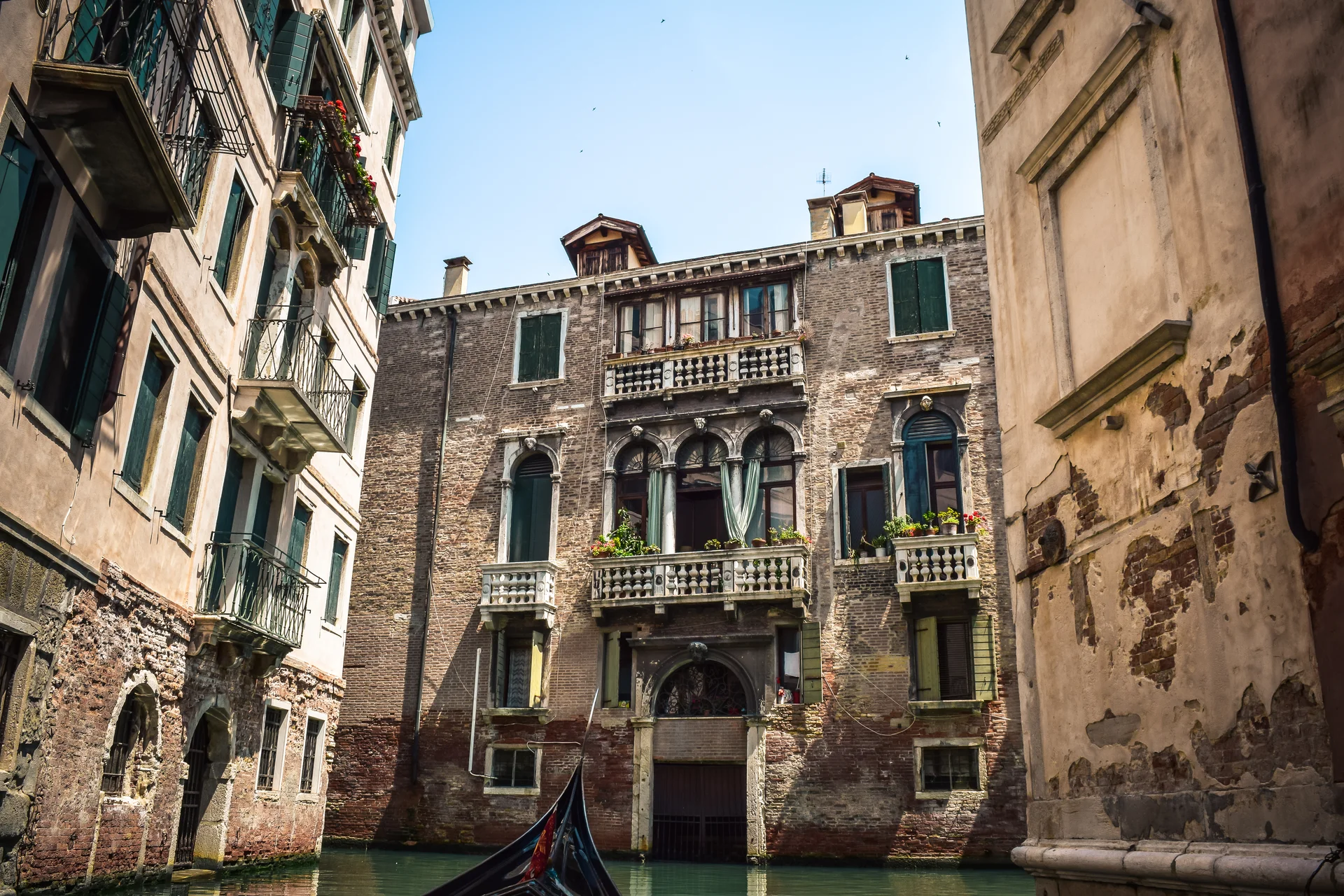
The canals of Venice double as streets, with boats replacing cars and bridges stitching the islands together.
Here is the key fact on pricing: the official gondola rate is 90€ for a 30-minute ride during the day and 110€ in the evening, per gondola rather than per person, and a gondola seats up to five. Booking a shared gondola ride across the Grand Canal brings the cost down to around 30 to 45€ per person by pairing you with other travelers. For atmosphere, a Grand Canal gondola experience with live commentary adds context as you float past the palazzi, while a shared evening gondola ride at sunset catches the canals at their quietest and most golden.
If you would rather see the palaces from a larger boat, a one-hour Grand Canal boat tour cruises the full length with commentary on the great houses and bridges. And the budget secret every local knows: vaporetto Line 1 runs the entire Grand Canal for the price of a public-transport ticket, giving you the same views from the water. For a standing crossing, the traghetto gondolas that ferry locals across the canal cost just a couple of euros.
🌉 The Rialto Bridge & the Markets
The Rialto Bridge (Ponte di Rialto) is the oldest and most famous of the four bridges spanning the Grand Canal, a single graceful stone arch completed in 1591 and lined with shops. For centuries it was the only way to cross the canal on foot, and the surrounding Rialto district was the commercial engine of the Republic. Climb to the top for one of the classic Venice photos, looking down the canal at the gondolas and water taxis below.
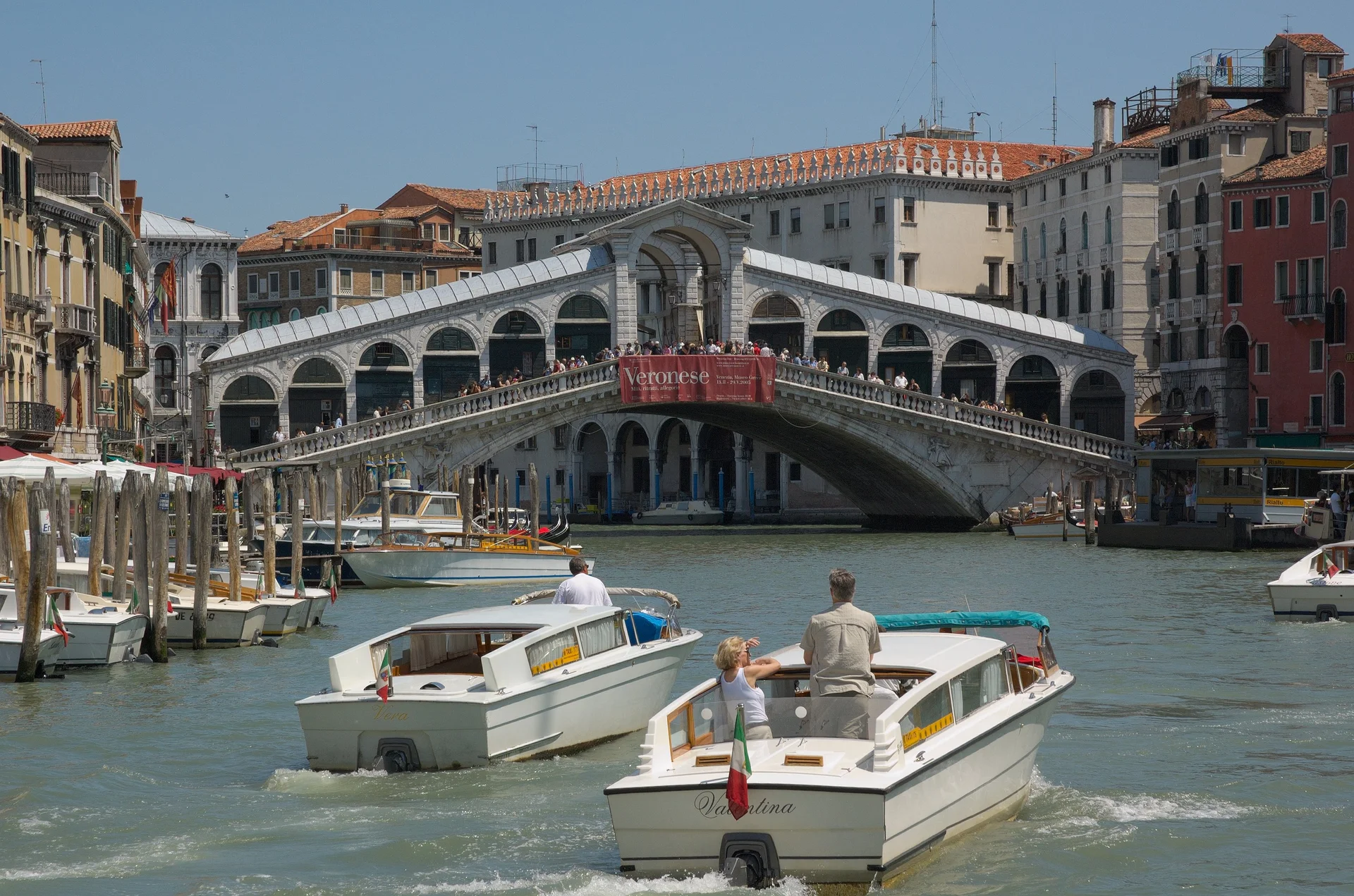
The Rialto Bridge, completed in 1591, is the oldest bridge across the Grand Canal and still the busy commercial heart of Venice.
Just beside the bridge, the Rialto Market has fed the city since the 11th century. The Erberia (produce market) and the Pescaria (fish market, closed Sundays and Mondays) are where Venetian cooks still shop at dawn, and they sit at the center of the city's food culture. This is also the home of the bacaro, the traditional Venetian wine bar where you eat cicchetti, small plates of crostini, fried seafood, and meatballs, washed down with an ombra of wine or a spritz.
The best way to dive into that world is a guided tasting. A food tour with wine and spritz where you eat like a local hops between authentic bacari around Rialto and Cannaregio. A bacaro tour with food and wine tasting and a local guide focuses on the wine-bar tradition itself, while a cicchetti street food and sightseeing walking tour combines the tasting with the sights along the way.
Where to Stay in Venice
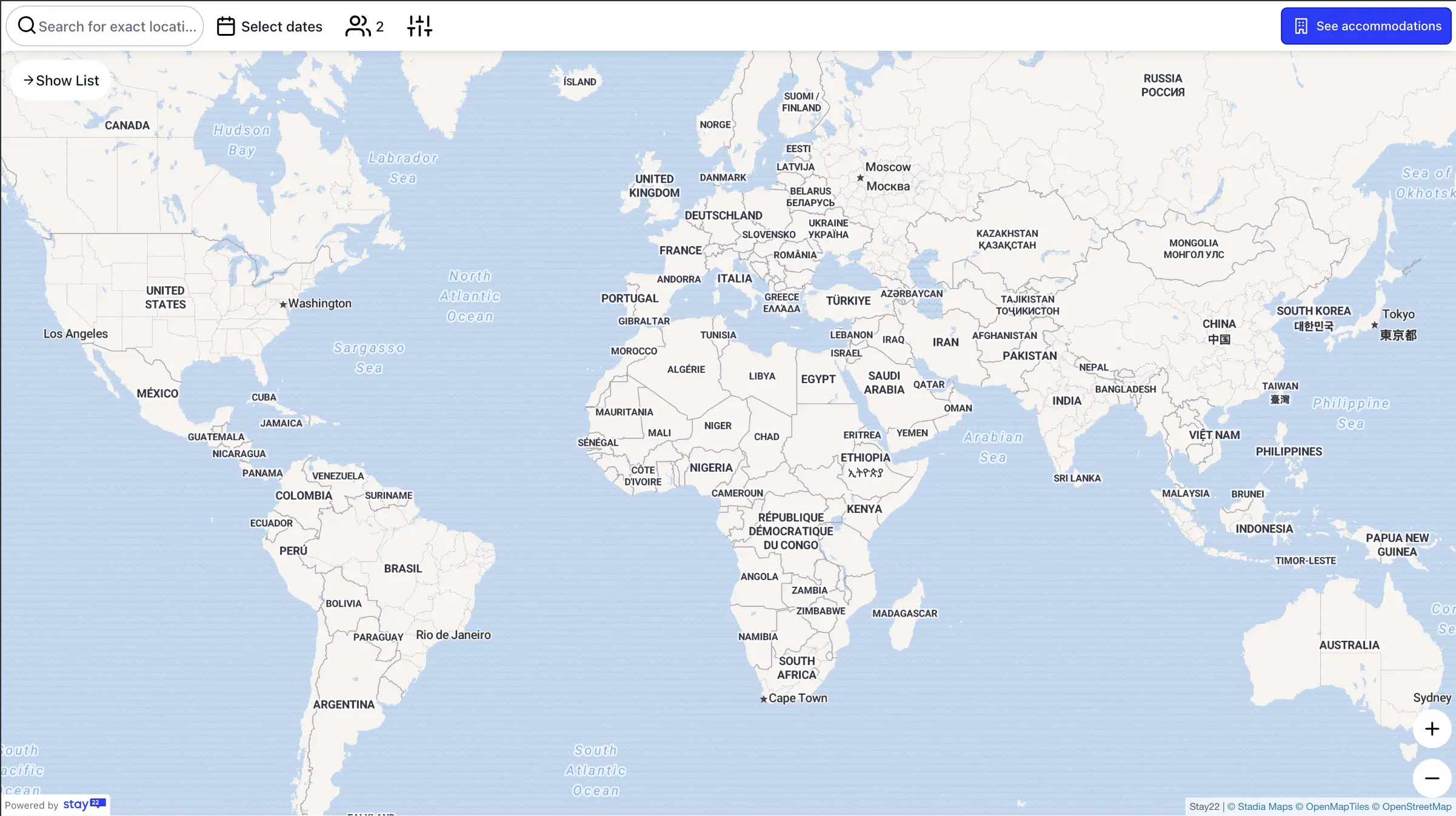
Book through this map and you help support our travels, at no extra cost to you. We earn a small commission, and it means a lot.
🎨 Murano, Burano & Torcello: The Lagoon Islands
Some of the best things to do in Venice are not in Venice at all, but out on the islands of the northern lagoon. Murano has been the home of Venetian glassmaking since 1291, when the Republic moved the furnaces off the main islands to reduce fire risk, and you can still watch a master glassblower shape molten glass in a live demonstration. Burano is a fishing island of brilliantly painted houses and a centuries-old lacemaking tradition, and it is one of the most photogenic places in all of Italy. Torcello, the oldest settled island in the lagoon, is quiet and rural, with a magnificent Byzantine cathedral and its golden mosaics.
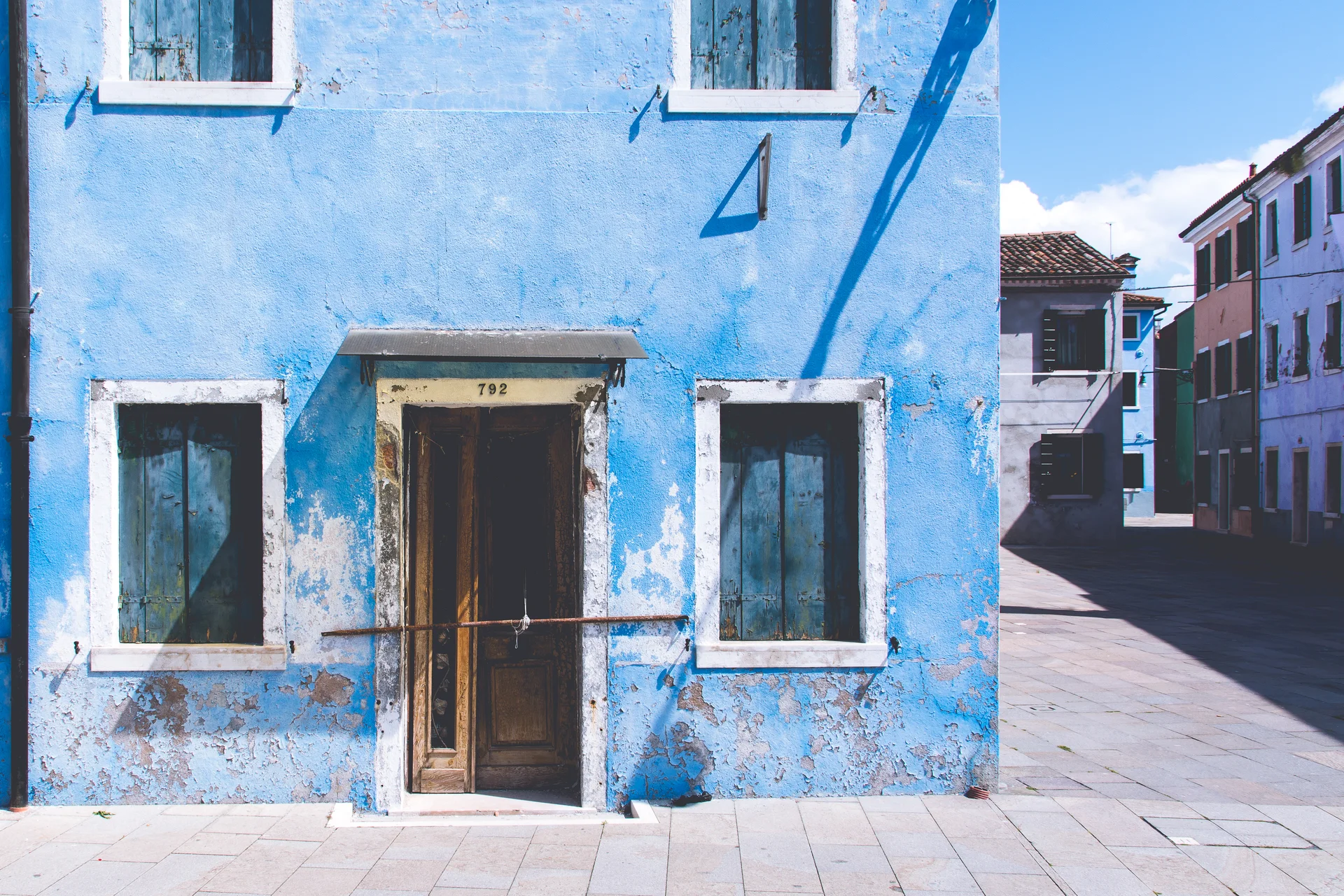
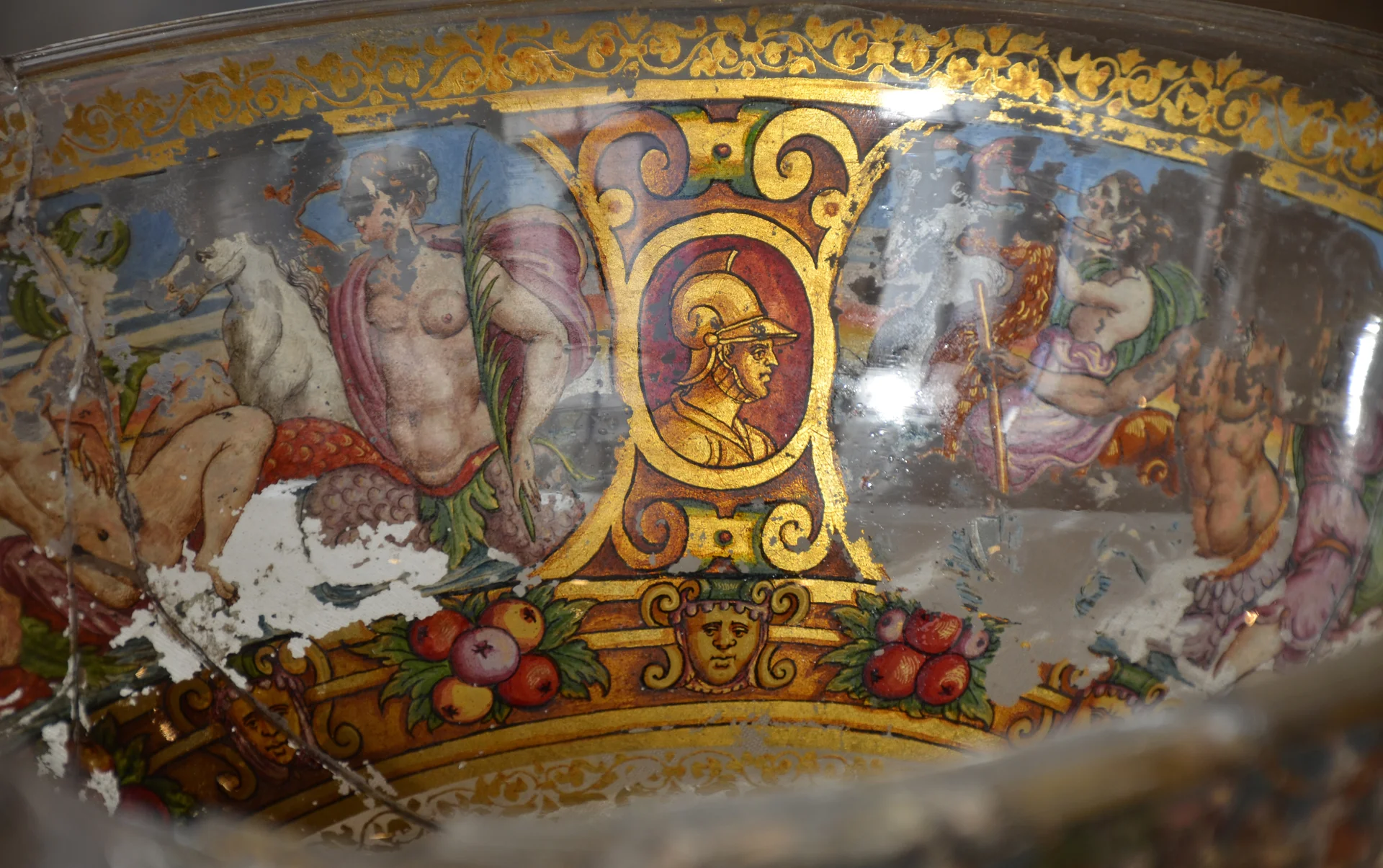
Burano's rainbow houses (left) and the centuries-old craft of Murano glass (right) make the lagoon islands a perfect half-day escape from the crowds of central Venice.
The easiest way to see all three is an organized boat tour. A classic half-day boat tour to Murano, Burano, and Torcello handles the logistics and gives you time on each island. A panoramic islands boat tour with a glassblowing demonstration builds in a visit to a Murano furnace, and a guided three-island tour with a glass factory visit adds a local guide and a stop at the Burano lace museum.
Prefer to go it alone? Vaporetto line 12 runs to Murano, Burano, and Torcello from Fondamente Nove, and a day pass on the public boats makes independent island-hopping cheap and flexible. Give yourself at least half a day, and try to reach Burano in the late afternoon when the day-trippers thin out and the colored houses glow.
| Island | Famous For | Time to Spend |
|---|---|---|
| Murano | Glassblowing furnaces and the glass museum | 1 to 1.5 hours |
| Burano | Rainbow fishermen's houses and handmade lace | 1.5 to 2 hours |
| Torcello | Byzantine cathedral with golden mosaics, rural calm | 1 hour |
The three main lagoon islands compared
The three main lagoon islands compared
🚆 Best Day Trips from Venice
Venice sits at the heart of the Veneto, and its mainland station, Venezia Santa Lucia, puts much of northern Italy within easy reach by fast train. If you have more than two or three days, a day trip adds a completely different flavor to your visit, from Roman amphitheaters to Alpine peaks.
The most popular escape is Verona, the city of Romeo and Juliet, home to a 2,000-year-old Roman arena that still hosts opera under the stars. A Verona tour combined with a Lake Garda cruise pairs the city with the prettiest lake in the region, while a straightforward day trip to Verona by train with a guided walking tour keeps things simple and fast.
For mountain scenery, the Dolomites are only a couple of hours north, and the contrast with the lagoon is unforgettable. A Dolomites day trip from Venice takes you to Cortina d'Ampezzo and the emerald lakes beneath the peaks, and a longer full-day Cortina and Dolomites tour reaches the most dramatic viewpoints. Closer to home, the university city of Padua, with Giotto's frescoes in the Scrovegni Chapel, is just half an hour away by train.
| Day Trip | Travel Time (one way) | Best For |
|---|---|---|
| Verona | ~1 to 1.25 hours by train | Roman arena, Juliet's balcony, romance |
| Padua | ~30 minutes by train | Giotto's Scrovegni Chapel and a lively student city |
| The Dolomites | ~2 to 2.5 hours by road | Alpine lakes, Cortina, and mountain scenery |
| Lake Garda | ~2 hours | Lakeside towns like Sirmione and a relaxing cruise |
Best day trips from Venice compared
Best day trips from Venice compared
If you enjoy building a trip around great cities, our guides to the best things to do in Florence and the best things to do in Rome connect to Venice by high-speed train in around two hours and four hours respectively, making a classic three-city Italian itinerary easy to plan.
🧭 Where to Stay & Practical Tips for Venice
Best time to visit: April to May and September to October offer the best balance, with mild weather (15 to 24°C) and the city busy but bearable. Summer is hot, humid, and packed. Winter is quiet and moody but can bring acqua alta (high water), when raised walkways appear across St. Mark's Square. The February Carnival is dazzling but very crowded and pricey.
How many days: Two to three days is ideal. Two days covers St. Mark's, the Doge's Palace, the Rialto, a gondola ride, and time to wander. A third day frees you up for the lagoon islands, and a fourth for a day trip to Verona or the Dolomites.
Getting around: Venice has no cars. You walk, or you take the vaporetto (public water bus). A multi-day vaporetto travel card is well worth it if you plan to use the boats often or visit the islands, and a Venice city pass covering the Doge's Palace and St. Mark's museums bundles transport and entries together. From the airport, the most scenic arrival is a shared water taxi transfer from Marco Polo Airport across the lagoon.
| Neighborhood | Vibe | Best For |
|---|---|---|
| San Marco | Central, grand, and busy | First-timers who want the sights on their doorstep |
| Dorsoduro | Artsy, lively, student energy | Museums, nightlife, and a younger crowd |
| Cannaregio | Local, residential, great bacari | Authentic Venice and better-value dining |
| Castello | Quiet and leafy, away from crowds | A calmer base within walking distance of San Marco |
Where to stay in Venice by neighborhood
Where to stay in Venice by neighborhood
Where to book: Accommodation in Venice fills up fast and prices climb in peak season, so book early. We always favor a place inside the historic center over the cheaper mainland of Mestre, since being able to wander the empty canals at night is half the magic, and an early-morning walk before the day-trippers arrive is worth every euro of staying on the islands.
Costs and etiquette: On selected peak days, day-trippers who are not staying overnight pay a small access fee (around 5€), bought online in advance, so check the official Venice access fee website before you go. Cover shoulders and knees in churches, do not picnic or sit on the steps of monuments (it is fined in the center), and carry cash for the smaller bacari. Tap water is safe and free, and the public fountains around the city are fed by the same supply.
Frequently Asked Questions About Venice
What are the best things to do in Venice?
The best things to do in Venice are visiting St. Mark's Basilica and St. Mark's Square, touring the Doge's Palace and crossing the Bridge of Sighs, taking a gondola ride along the Grand Canal, standing on the Rialto Bridge and browsing the Rialto Market, eating cicchetti in a bacaro, and taking a boat tour to the lagoon islands of Murano, Burano, and Torcello. St. Mark's Basilica and the Doge's Palace both use timed entry, so booking skip-the-line tickets in advance is essential, especially from April to October.
How many days do you need in Venice?
We recommend 2 to 3 days for Venice. Two days covers the essentials: St. Mark's Square and Basilica, the Doge's Palace, the Rialto Bridge, a gondola ride, and getting pleasantly lost in the back canals of Dorsoduro and Cannaregio. A third day is best spent on a boat tour to the lagoon islands of Murano, Burano, and Torcello. If you have 4 days or more, you can add a day trip to Verona, Padua, or the Dolomites.
How much does a gondola ride in Venice cost?
The official Venice gondola rate is 90€ for a standard 30-minute ride during the day and 110€ for an evening ride after 7pm. That price is per gondola, not per person, and a gondola seats up to five passengers, so sharing brings the cost down. A shared gondola ride booked online costs around 30 to 45€ per person, and rides with a serenade or live commentary cost more. A traghetto, the public gondola ferry that crosses the Grand Canal, costs just a couple of euros for a short standing crossing.
What is the best way to get from Venice airport to the city?
From Marco Polo Airport, the most scenic way into Venice is the Alilaguna shared water bus or a shared water taxi, which crosses the lagoon and drops you near St. Mark's in about 45 minutes to over an hour depending on the line. A private water taxi is the fastest and most comfortable option (around 30 to 40 minutes, but expensive). The cheapest route is the airport bus (ATVO or ACTV line 5) to Piazzale Roma in about 20 minutes, where you connect to a vaporetto. Remember that no cars or buses enter the historic center, so the last leg is always on foot or by boat.
Are Murano and Burano worth visiting?
Yes, Murano and Burano are well worth a half day. Murano is famous for its centuries-old glassblowing tradition, where you can watch a master artisan shape molten glass in a live demonstration. Burano is one of the most photogenic places in Italy, a fishing island of brightly painted houses and a tradition of handmade lace. Many visitors combine both with Torcello, the oldest settled island in the lagoon, on a single half-day boat tour. The easiest option is an organized boat tour, though you can also reach the islands independently on vaporetto line 12 from Fondamente Nove.
When is the best time to visit Venice?
The best time to visit Venice is April to May and September to October, when temperatures are mild (15 to 24°C) and the city is busy but not overwhelming. Summer (June to August) is hot, humid, and crowded, with mosquitoes in the evenings. Winter is quiet and atmospheric, but November to January can bring acqua alta (high water) that floods low-lying areas like St. Mark's Square. The Venice Carnival in February is spectacular but extremely busy and expensive. For the best balance of weather and crowds, aim for late spring or early autumn.
Do you need to pay to enter Venice?
On selected peak days, Venice charges a day-tripper access fee (the Contributo di Accesso) of around 5€ for visitors who are not staying overnight in the city. The fee applies only on specific busy dates, mostly spring and summer weekends and holidays, and it is paid online in advance, with a QR code you may be asked to show. Overnight guests, residents, children under 14, and several other categories are exempt (overnight visitors already pay a separate tourist tax through their accommodation). Always check the official Venice access fee website for the current dates and rates before your trip.
Start Planning Your Venice Trip
Venice rewards both the checklist traveler and the wanderer. You can spend a morning under the golden mosaics of St. Mark's, an afternoon drifting down the Grand Canal in a gondola, and an evening hopping between bacari with a spritz in hand as the light turns the canals to copper. Few cities on Earth feel this unreal, and none of them disappoint the way the postcards promise not to.
The single most important tip we can give you is to book the timed-entry sights and the islands early. St. Mark's Basilica, the Doge's Palace, and the most popular gondola and island tours all sell out in high season, and securing skip-the-line tickets in advance is what turns a stressful day into a seamless one. When you are ready, you can browse all Venice tours and activities on GetYourGuide to lock in your dates.
Building a longer Italian adventure? Pair Venice with our guides to the best things to do at Lake Como in the north and the best day trips from Rome in the center for a route that runs the length of the country.