
Best Things to Do in Madrid: 15 Unmissable Sights (2026)
This article contains affiliate links. If you make a purchase through these links, we may earn a small commission at no extra cost to you. This helps us keep creating free content for you!
No city on earth packs more masterpieces into a shorter walk. Along one kilometer of Madrid's Paseo del Prado, three museums (the Prado, the Reina Sofía, and the Thyssen-Bornemisza) hold Las Meninas, Guernica, and seven centuries of European painting between them. Locals call it the Golden Triangle of Art. And it is somehow only the second-best reason to visit.
The first is the city itself: a capital that eats at ten, sleeps at two, and treats a three-hour lunch as a basic human right. We have organized this guide around Madrid's essential experiences, from the museums and the Royal Palace to the tapas crawl through La Latina, with the skip-the-line tickets and tours that save real hours at every stop. For the broader strategy on European queues, our guide to skip-the-line tickets across Europe pairs well with this one.
🎨 The Golden Triangle of Art: Prado, Reina Sofía & Thyssen
Start with the Prado, Spain's national gallery since 1819 and home to the deepest collection of European painting anywhere: Velázquez's Las Meninas, Goya's black paintings, El Greco, Titian, Rubens, and Bosch's hallucinatory Garden of Earthly Delights. It is enormous (over 1,300 works on display), which is exactly why the Prado guided tour with skip-the-line entry is the smart play: a guide compresses the collection into the 90 minutes that matter, and you walk past a queue that regularly tops 45 minutes.
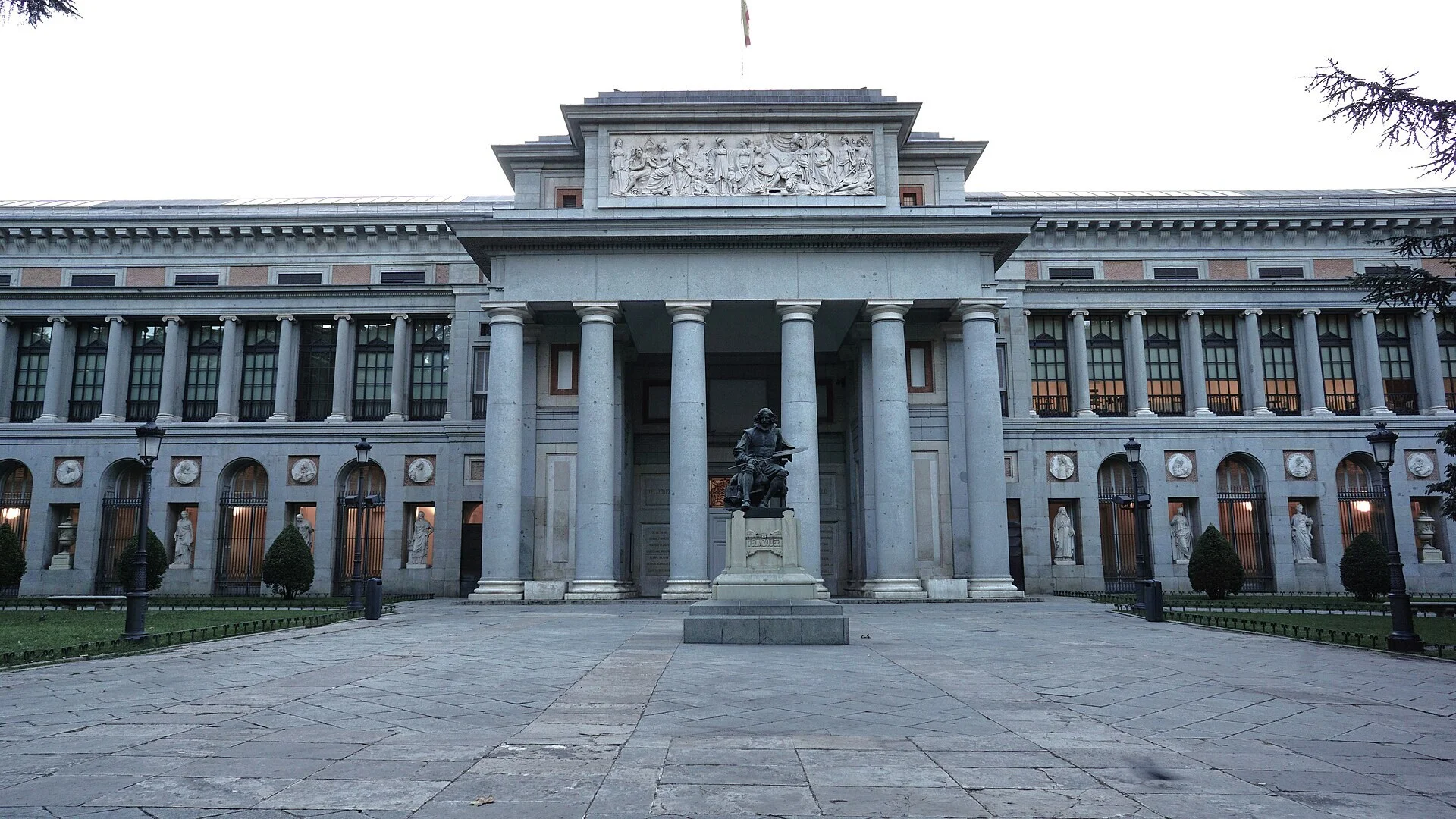
The Prado holds the world's deepest collection of Spanish painting, anchor of Madrid's Golden Triangle of Art.
Ten minutes south, the Reina Sofía holds the single most famous painting in Spain: Picasso's Guernica, the 1937 anti-war mural that still stops every room it hangs in. The museum is closed on Tuesdays (the most common itinerary mistake in Madrid), so plan around it with a Reina Sofía skip-the-line entrance ticket. The third corner, the Thyssen-Bornemisza, fills the gaps the other two leave: Impressionists, German Expressionists, and American art from a private collection bought by Spain in 1993.
Serious art travelers should consider the Prado and Reina Sofía combined semi-private tour (6 people maximum), which covers both heavyweights with one expert in a single morning. The alternative pairing, the Guernica and Thyssen Museum guided combination, suits travelers who care more about the 20th century than the old masters.
One honest budget note: all three museums have free evening windows. The catch is that the free-entry lines start forming an hour early and the visit windows are short. If your Madrid time is limited, the 15 to 25 EUR ticket buys you two extra hours of actual museum.
Top-Rated Activities in Madrid
👑 The Royal Palace: Western Europe's Largest
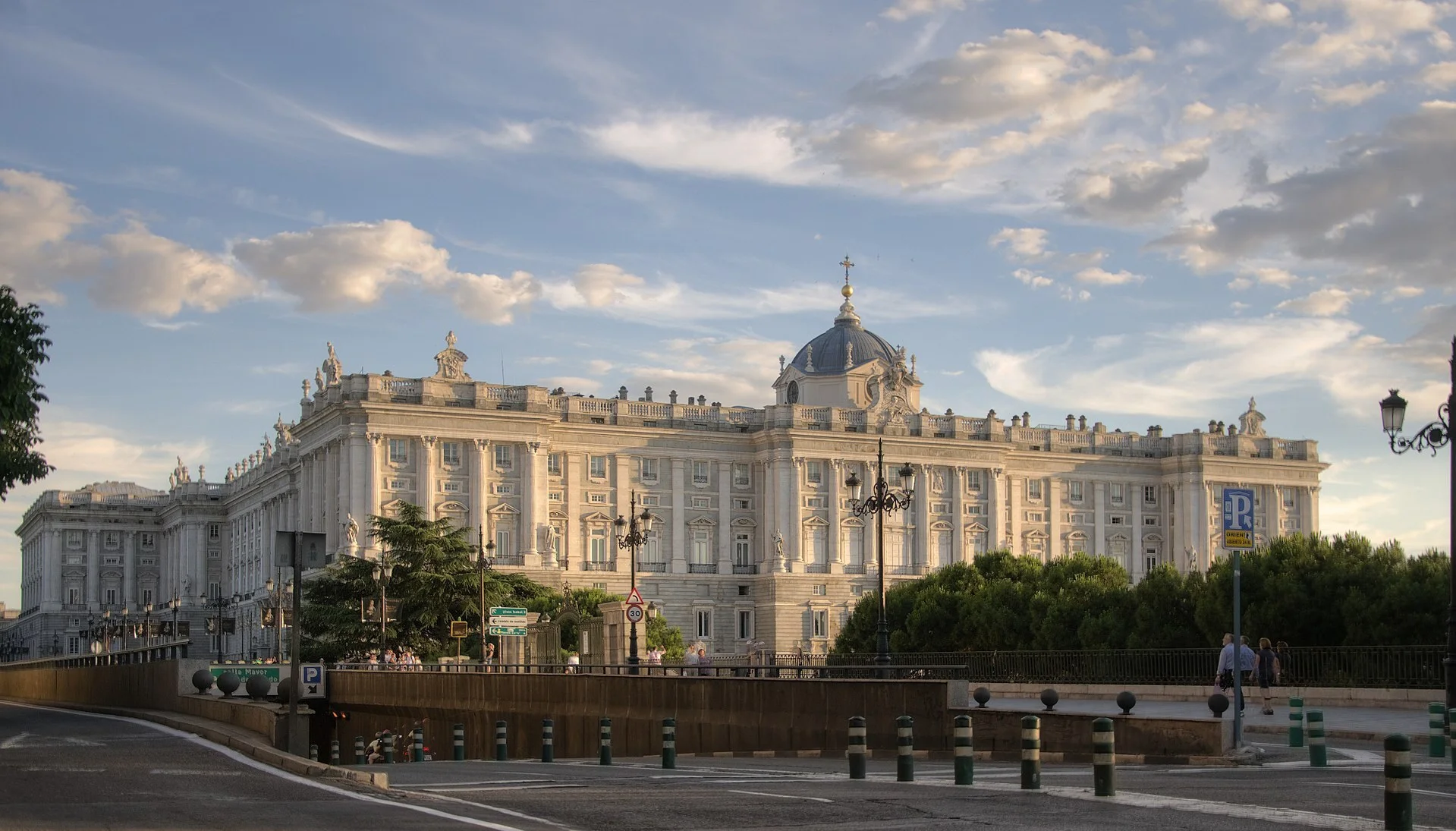
The Palacio Real is the largest royal palace in Western Europe: 135,000 square meters and over 3,000 rooms built in the 1700s after the old Habsburg fortress burned down. The Spanish royal family does not live here (they use it only for state ceremonies), which is why so much of it is open: the Throne Room under its Tiepolo ceiling, the Royal Armoury (one of the world's great arms collections), and the Stradivarius room with its priceless string quintet.
The ticket line at the Plaza de la Armería routinely eats an hour in high season. A Royal Palace guided tour with skip-the-line entry solves the queue and decodes the rooms, while the small-group Royal Palace tour keeps it to a conversational group size. Time your visit for a Wednesday or Saturday morning and you can catch the changing of the guard at the gates for free.
Around the palace, the Almudena Cathedral (consecrated only in 1993 after a century of construction), the Sabatini Gardens, and the Plaza de Oriente make the surrounding hour as good as the interior. Travelers who prefer one efficient half-day can take the Madrid walking tour combined with the Royal Palace skip-the-line visit, which strings the palace together with Plaza Mayor and the San Miguel market.
🏛️ Puerta del Sol, Plaza Mayor & Gran Vía
Madrid's historic center compresses 500 years into a 20-minute walk. Puerta del Sol is the literal center of Spain: the Kilometer Zero plaque in front of the clock house is the point from which all Spanish road distances are measured. Five minutes away, the Plaza Mayor (1619) is the great Habsburg square where the city held everything from coronations to Inquisition trials; today its arcades hold overpriced terraces (skip them) and, every December, Madrid's Christmas market.
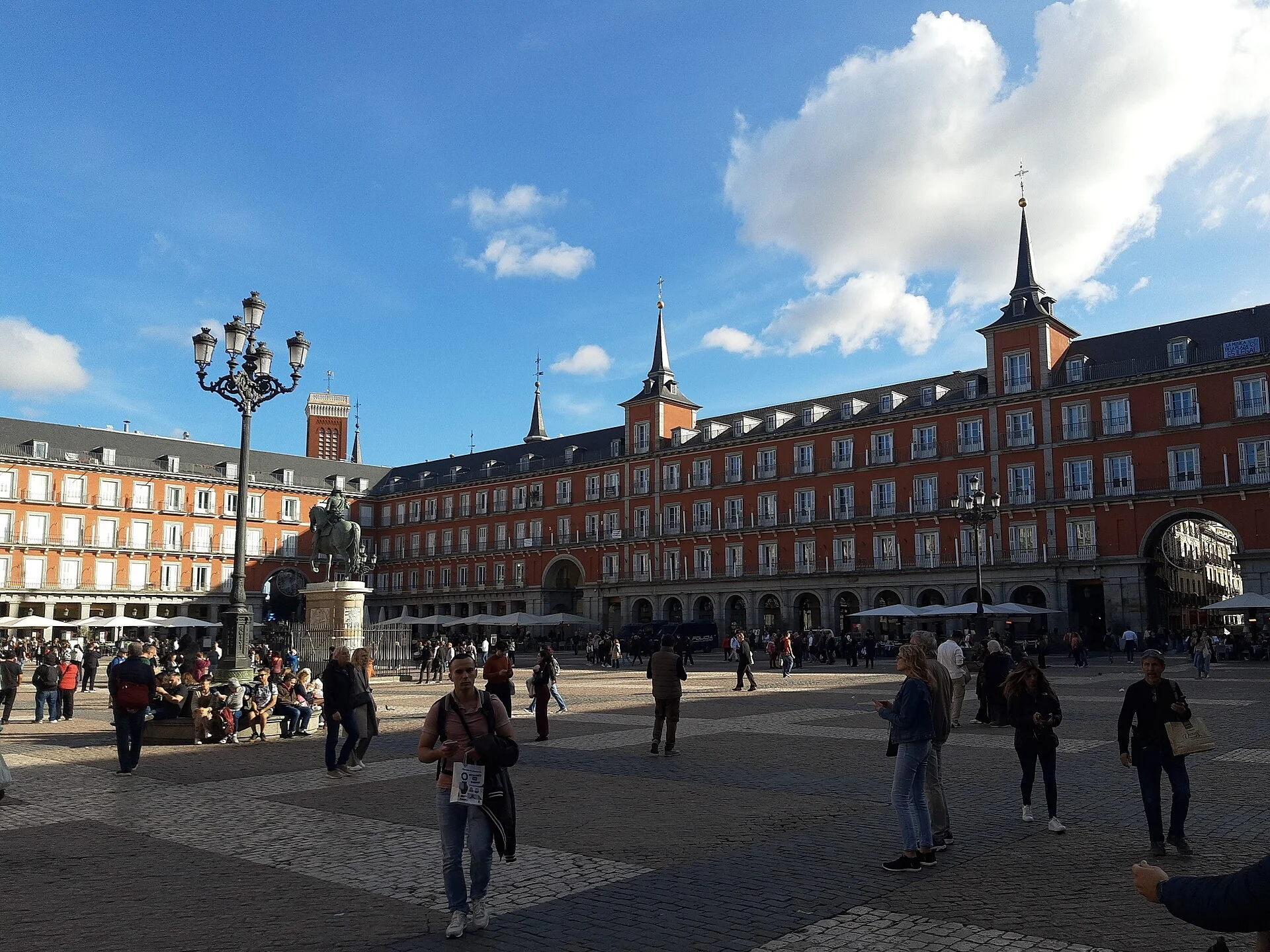
Plaza Mayor, Madrid's 1619 Habsburg square, sits five minutes from the Kilometer Zero of Spain at Puerta del Sol.
Two food landmarks bracket the square. The Mercado de San Miguel, a 1916 iron-and-glass market turned gourmet hall, is touristy but genuinely fun for a first-night graze. And on Calle Cuchilleros, Botín has been serving roast suckling pig since 1725, which makes it the oldest continuously operating restaurant in the world according to Guinness (book days ahead). A historic center walking tour that bundles a Prado skip-the-line ticket is the efficient way to get the stories behind these streets while solving your museum entry in the same booking.
North of Sol, Gran Vía is Madrid's hundred-year-old answer to Broadway: a canyon of belle époque towers, rooftop bars, and theaters. Walk it at dusk from the Metrópolis building to Plaza de España, then dive south into Malasaña for the bar scene, or stay sharp for Sunday morning, when the El Rastro flea market floods the streets below La Latina with 3,000 stalls.
🌳 Retiro Park & the Temple of Debod
El Retiro was the royal family's private garden until 1868; now its 125 hectares are Madrid's weekend living room. The essential loop: rent a rowboat on the Estanque Grande (the artificial lake under the Alfonso XII colonnade), then walk south to the Palacio de Cristal, an 1887 glass pavilion that hosts free contemporary art installations and produces, on still mornings, the single most photographed reflection in Madrid. Retiro and the Paseo del Prado were jointly UNESCO-listed in 2021 as a "landscape of light".
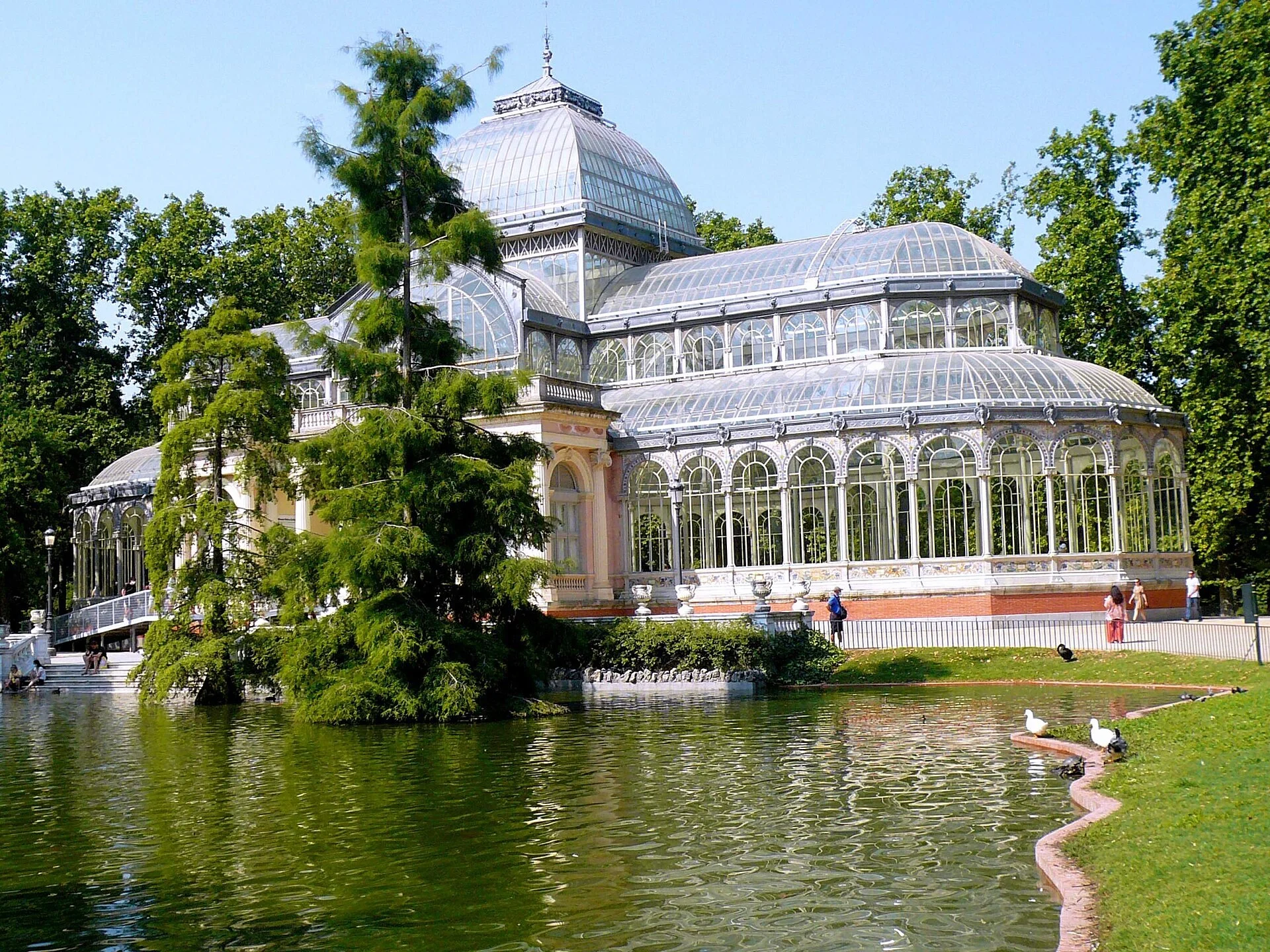
The Palacio de Cristal in Retiro Park, an 1887 glass pavilion that anchors Madrid's UNESCO-listed park.
Across town at sunset, do what madrileños do: carry something cold to the Temple of Debod. This is a real Egyptian temple from the 2nd century BC, gifted stone by stone to Spain in 1968 for helping rescue the Abu Simbel monuments from the Aswan dam flood. It faces west over the Casa de Campo, and on a clear evening the silhouette-against-orange view is the best free spectacle in the city.
If you want the palace, the park, and the stories in one organized sweep, the Royal Palace skip-the-line and Retiro Park combined walking tour covers both green and gilded Madrid in a single half-day.
🍷 Tapas in La Latina & Flamenco After Dark
Madrid's food scene lives in La Latina, the medieval quarter whose Calle Cava Baja packs more tapas bars per meter than any street in Spain. The local rhythm: one bar, one specialty, one drink, move on. Patatas bravas at one stop, jamón ibérico at the next, a vermut on tap at the third. Friday and Saturday nights are a crush; Sunday after El Rastro market is the most local-feeling session of the week. A guided tapas tour through La Latina's classic bars is genuinely worth it here, because the difference between a great crawl and a tourist trap is knowing which three of the forty doors to walk through.
End at least one night at a tablao. Madrid rivals Seville as Spain's flamenco capital, and the venues are intimate enough that the front row can feel the floorboards. The show at Tablao 1911, the oldest flamenco venue in the world has run since (you guessed it) 1911 just off Plaza de Santa Ana. The Tablao de La Villa show in a restored 19th-century mansion is the pick for production quality, while Cardamomo in the Las Letras quarter runs rawer and louder. Book two or more days ahead; the good rooms hold 40 to 80 seats and sell out.
And before bed, the institution: chocolate con churros at San Ginés, pouring thick hot chocolate in the same alley since 1894, open until the small hours for the post-flamenco crowd.
Where to Stay in Madrid
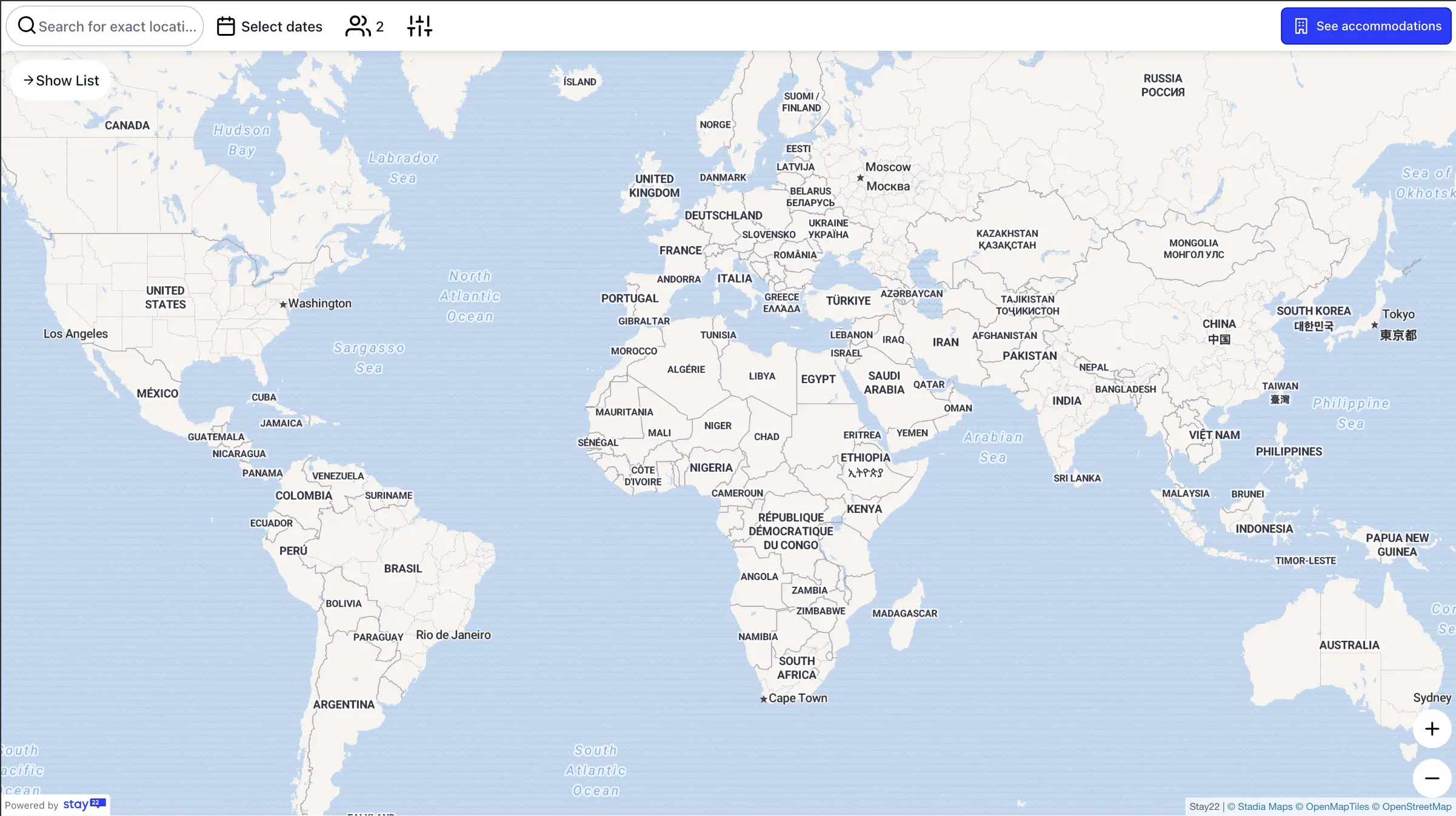
Book through this map and you help support our travels, at no extra cost to you. We earn a small commission, and it means a lot.
⚽ Real Madrid & the Santiago Bernabéu
Even travelers who cannot name a single player walk out of the Bernabéu impressed. The stadium's recent multi-billion-euro renovation wrapped it in a metallic skin, added a retractable roof and pitch, and turned the trophy museum into one of the slickest sports exhibitions anywhere (the room with fifteen European Cups does not really have a rival on this planet). The Tour Bernabéu entry ticket is self-guided and flexible; the guided Bernabéu tour with a Real Madrid expert adds the stories the wall plaques skip.
Fans making an afternoon of it can book the Bernabéu tour with a tapas stop overlooking the stadium. On match days the tour closes early and tickets to the game itself become the better plan; check the calendar before you commit the afternoon.
🛍️ Beyond the Center: Malasaña, Chueca & El Rastro
Madrid's personality lives in its barrios, and three of them deserve deliberate time. Malasaña is the neighborhood that birthed the Movida, the explosion of counterculture that followed Franco's death, and it still runs on vintage shops, vermouth bars, and the kind of bookstore-café hybrids that swallow whole afternoons. Plaza del Dos de Mayo is its living room; Calle Espíritu Santo its best shopping street. Next door, Chueca is the LGBTQ+ heart of Spain and home to the San Antón market, the locals' answer to the more touristy San Miguel, with a rooftop restaurant above the stalls.
Then there is Sunday. El Rastro, Madrid's open-air flea market since at least the 1740s, spills 3,000 stalls down the hill from La Latina: antiques, vinyl, leather, junk, and treasure in no particular order. Haggling is expected, pickpocket awareness is mandatory, and the post-market vermut in the bars of Calle Cava Baja afterward is the whole point. The rhythm of that Sunday (market, vermouth, tapas, siesta) is the most authentically Madrid experience in this entire guide, and it costs whatever you choose to spend.
Travelers who want the neighborhood stories decoded can join a guided walking tour through Malasaña and Madrid's alternative neighborhoods, or go full local with a vermouth and Spanish wine tasting session, the drink that defines Madrid Sundays the way cava defines Barcelona celebrations.
🚆 Day Trips: Toledo, Segovia & Ávila
Madrid sits in a ring of UNESCO World Heritage cities, and two of them are non-negotiable. Toledo, Spain's medieval capital, layers Christian, Muslim, and Jewish monuments on a granite hill 33 minutes south by high-speed train: the cathedral is one of Europe's greatest Gothic buildings, and El Greco's best paintings hang where he painted them. Segovia, 30 minutes north, is built around a 2,000-year-old Roman aqueduct of 20,000 granite blocks held up by nothing but precision, plus the fairytale Alcázar that allegedly inspired Disney's Cinderella castle.
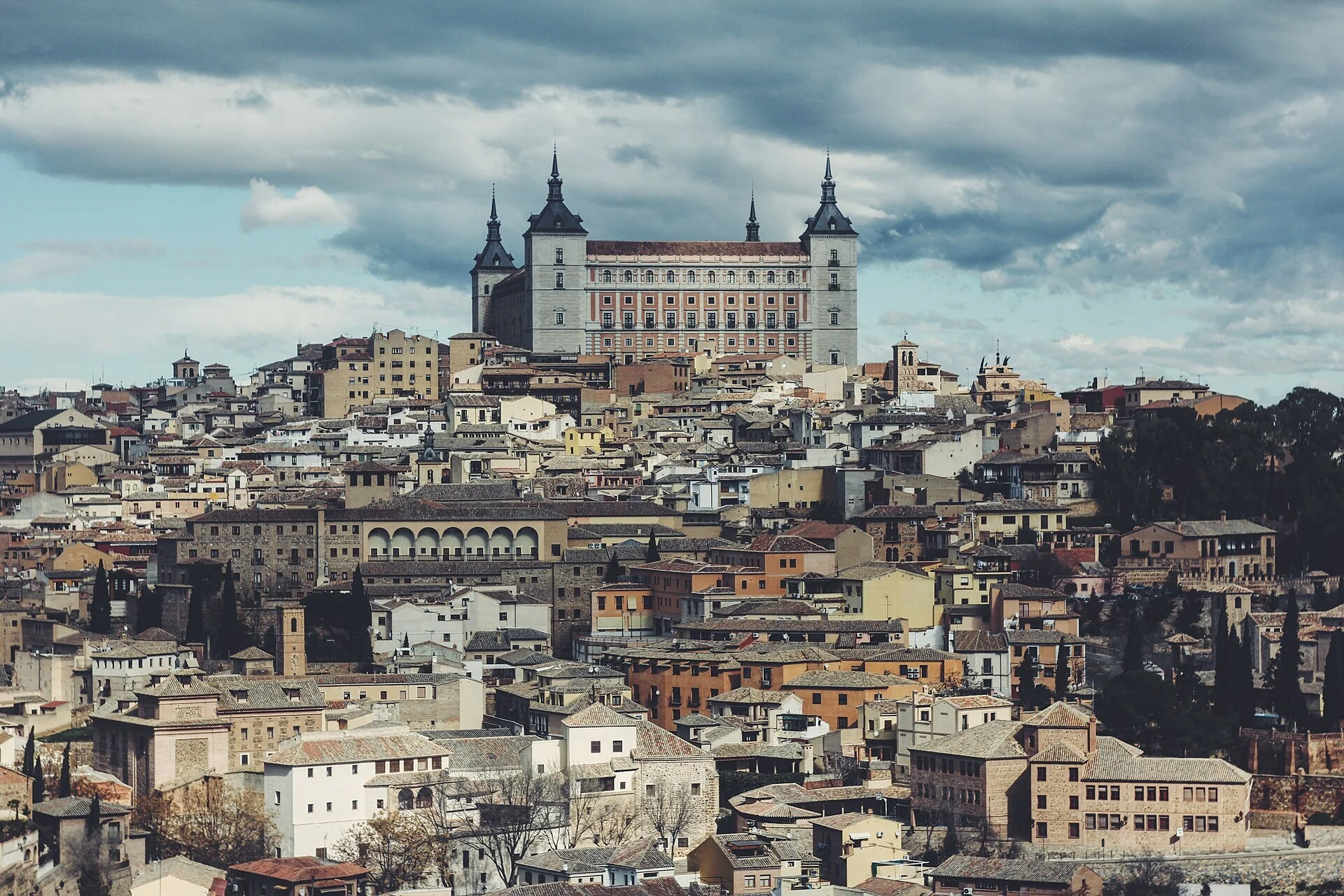
Toledo's skyline above the Tagus river, 33 minutes from Madrid by high-speed train and the region's essential day trip.
The logistics quirk: Toledo trains leave from Atocha, Segovia trains from Chamartín, which makes combining both cities independently in one day an exercise in stress. The full-day Segovia and Toledo guided tour with Alcázar and cathedral entry solves it with one coach and a guide in both cities. Completists can stretch to the three-cities day trip adding Ávila's intact medieval walls, while the small-group Toledo and Segovia tour with lunch trades coverage for pace and a proper Castilian meal.
If you only take one, our vote is Toledo for art and atmosphere, Segovia if Roman engineering and that aqueduct speak to you. The same train-versus-tour logic we laid out for day trips from Barcelona applies here: solo cities by train, combinations by tour.
🧭 Practical Tips for Visiting Madrid
- Airport to center: Metro Line 8 connects Barajas to the city for a few euros (plus a small airport supplement); the Cercanías C-1 train runs direct to Atocha. Taxis charge a flat 30 EUR to anywhere in the center.
- Eat on the Spanish clock. Lunch 2pm to 4pm, dinner from 9pm. Restaurants serving paella at 6:30pm are serving it to tourists only.
- The Reina Sofía closes on Tuesdays. The Prado and Thyssen close on no weekday but check holiday hours. Build the museum day around this.
- August is real. Locals leave, smaller restaurants close for weeks, and afternoons hit 38°C. May, June, September, and October are the sweet-spot months.
- Madrid is Europe's highest capital (650 m): summer evenings cool off fast and winter mornings genuinely freeze. Layer accordingly.
- Pickpockets work Sol, El Rastro, and metro Line 1. Standard big-city rules: front pockets, zipped bags, nothing on café tables.
- Sunday combo: El Rastro market in the morning, vermut and tapas in La Latina at noon. It is the most Madrid sequence on this page and costs almost nothing.
Frequently Asked Questions About Madrid
How many days do I need in Madrid?
Three full days covers Madrid's essentials: one for the Golden Triangle museums, one for the Royal Palace and the historic center, and one for Retiro, the food scene, and a flamenco evening. Add a fourth day for the Toledo and Segovia day trip, which most visitors rate among their Spain highlights.
Is the Prado Museum worth visiting?
Yes, the Prado is one of the three or four most important art museums in the world. Velázquez's Las Meninas, Goya's black paintings, and Bosch's Garden of Earthly Delights alone justify the visit. Book a skip-the-line ticket or guided tour: the queue regularly exceeds 45 minutes, and the free evening windows are even longer.
Madrid or Barcelona, which is better to visit?
Choose Madrid for world-class art museums, royal architecture, and Spain's best traditional food scene; choose Barcelona for Gaudí, beaches, and Mediterranean atmosphere. Madrid feels more authentically Spanish day to day, while Barcelona is more visually unique. With a week in Spain, the 2.5-hour high-speed train lets you comfortably do both.
Can you do Toledo and Segovia in one day from Madrid?
Yes. Guided day tours combine both UNESCO cities in a single 10 to 12-hour day with transport included, and it is the most efficient way to see them. Doing both independently by train in one day is technically possible but tight, since Toledo leaves from Atocha station and Segovia from Chamartín.
What is the best area to stay in Madrid?
For first-time visitors, the area between Puerta del Sol and the Prado (Barrio de las Letras) puts everything within walking distance. La Latina is best for food lovers, Malasaña for nightlife and a younger crowd, and Salamanca for upscale shopping and quieter evenings.
Is Madrid expensive to visit?
Madrid is one of Western Europe's better-value capitals. A menú del día lunch costs €12 to €16, a metro ride about €1.50 to €2, and the major museums run €12 to €15 with free evening windows. The big-ticket items are flamenco shows (€35 to €50) and the Bernabéu tour (around €35).
What is Madrid famous for?
Madrid is famous for the Golden Triangle of Art (the Prado, Reina Sofía, and Thyssen-Bornemisza museums), the largest royal palace in Western Europe, Real Madrid and the Bernabéu stadium, tapas culture in La Latina, and Europe's most intense late-night social life. It is also the highest capital city in the European Union at 650 meters.
Start Planning Your Madrid Trip
Madrid rewards the visitor who books the museums ahead and leaves the evenings unplanned. Lock in the Prado, the Royal Palace, one flamenco night, and one Castilian day trip, then let La Latina, the Retiro, and the 1am energy of the city fill everything in between. The free 24-hour cancellation on GetYourGuide's Madrid catalog makes booking early a no-risk move.
Continuing through Spain? Our complete Barcelona guide and the best day trips from Barcelona cover the other half of the country's big two, and our 8-day Portugal itinerary is the natural next leg west.