
Best Things to Do in Lisbon: Tours, Tickets & Tips (2026)
This article contains affiliate links. If you make a purchase through these links, we may earn a small commission at no extra cost to you. This helps us keep creating free content for you!
Lisbon is the oldest capital in Western Europe. It predates London, Paris, and Rome as we know them, with roots stretching back more than 3,000 years to Phoenician traders. Yet it feels like one of the continent's youngest cities: rooftop bars with panoramic views, street art covering entire facades, and creative food halls that rival anything in Berlin or London. That collision of ancient and modern is exactly what makes Lisbon one of Europe's most exciting destinations right now.
The best things to do in Lisbon include visiting Jerónimos Monastery, taking a day trip to Sintra's fairy-tale palaces, riding the iconic Tram 28 through Alfama, and experiencing a live fado performance. But the city rewards those who plan ahead. The top monuments sell out in summer, Sintra's palaces have long queues without advance tickets, and the best food tours fill up days before.
We've pulled together every experience worth your time and money in Lisbon, from must-book skip-the-line tickets to hidden neighborhood gems. Whether you're here for a weekend or a full week, this guide covers everything: historic monuments, day trips, food experiences, neighborhoods, and evening entertainment. And if you're building a longer trip, check out our complete 8-day Portugal itinerary covering Porto, the Douro Valley, Coimbra, and more.
🏛️ Skip-the-Line Monuments: Book Before You Arrive
Lisbon's most important monuments date to Portugal's Age of Discovery, when the country was one of the wealthiest empires on Earth. These sites draw millions of visitors each year, and summer queues regularly exceed an hour. Booking skip-the-line tickets is the single smartest thing you can do before your trip.
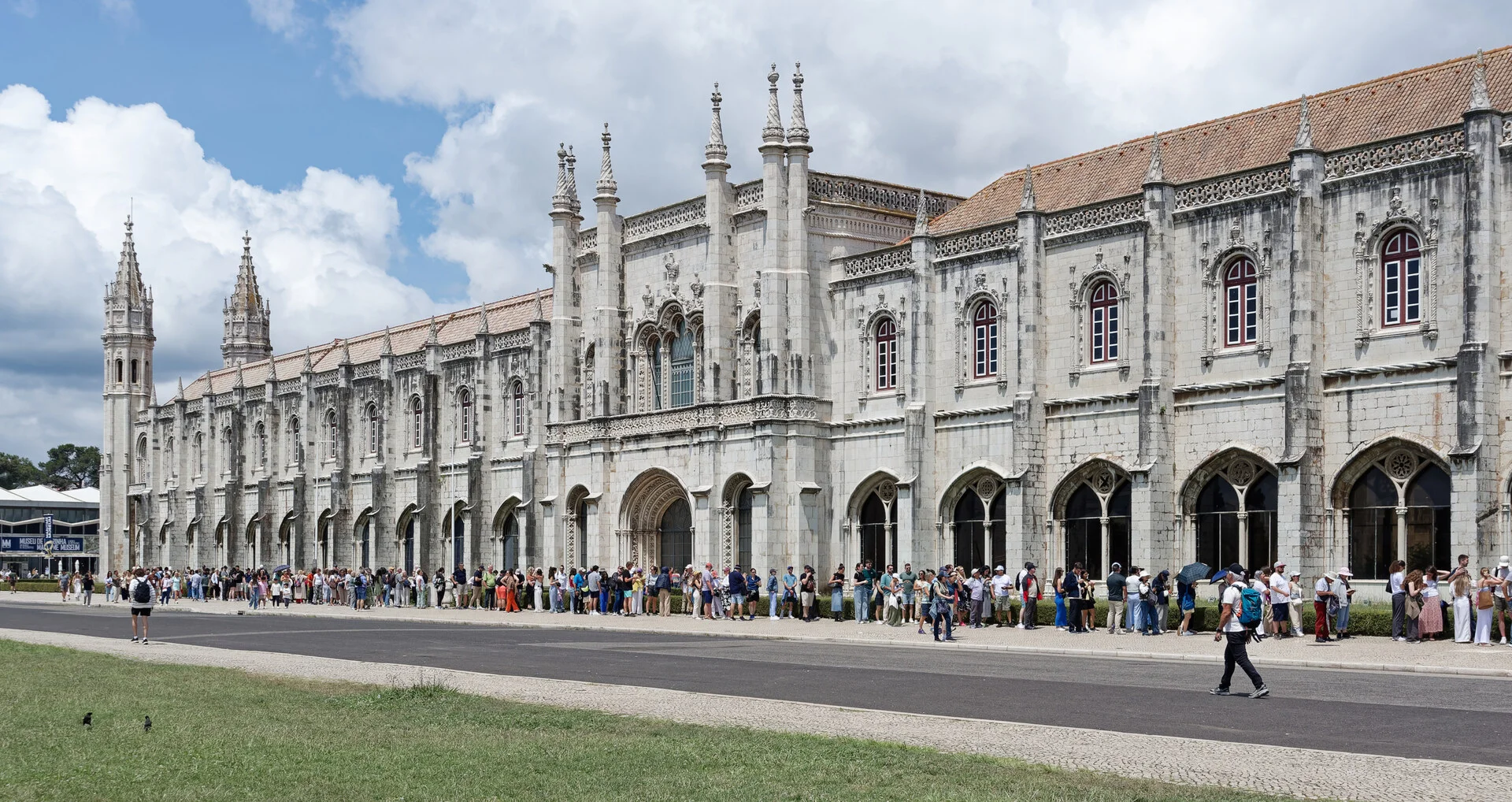
Jerónimos Monastery is Lisbon's most visited monument and a UNESCO World Heritage Site. Skip-the-line tickets save 30 to 60 minutes.
Jerónimos Monastery
Jerónimos Monastery is Lisbon's number one attraction and a UNESCO World Heritage Site. Built in the early 1500s to celebrate Vasco da Gama's discovery of the sea route to India, it is the finest example of Manueline architecture in Portugal. The intricate limestone carvings on the south portal and the double-decker cloisters are genuinely jaw-dropping. Plan at least 90 minutes for a thorough visit.
Summer queues at the entrance regularly reach 45 to 60 minutes. A Jerónimos Monastery skip-the-line guided tour saves that waiting time and adds expert context about the monastery's role in Portugal's maritime history.
Belém Tower
Belém Tower is an iconic 16th-century fortress on the Tagus River, built to guard Lisbon's harbor during the Age of Exploration. It is one of the most photographed landmarks in Portugal and another UNESCO World Heritage Site. The tower is small inside, so queues move slowly. A combined ticket covering Jerónimos, Belém Tower, and other Belém sites is the most efficient option.
Lisbon Essential Combo tickets for Jerónimos, Belém Tower, and Pena Palace bundle the top monuments together at a discounted price and skip all queues.
São Jorge Castle
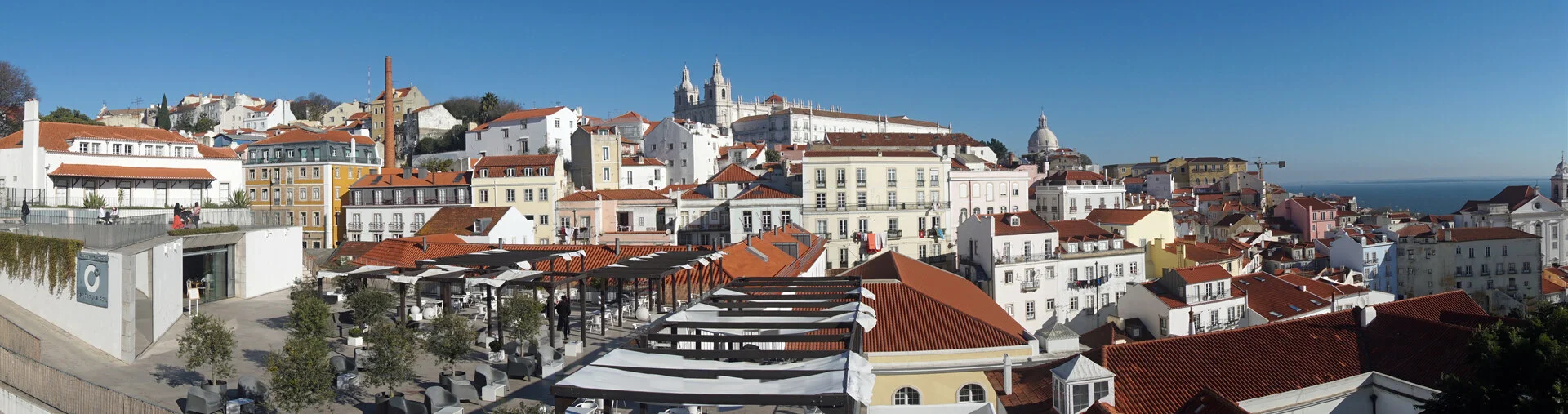
São Jorge Castle is a Moorish fortress perched on the highest hill in Lisbon's historic center, offering the best panoramic views of the city's red rooftops, the Tagus River, and the 25 de Abril Bridge. The castle dates to the 11th century, though fortifications on this site go back to the Iron Age. It is one of Lisbon's most visited sites and sells out on busy days.
São Jorge Castle skip-the-line entry tickets guarantee your spot and let you walk straight in past the queue.
Other Notable Monuments
The National Tile Museum (Museu Nacional do Azulejo) is one of Lisbon's hidden gems, dedicated entirely to Portugal's unique azulejo ceramic art. The collection spans five centuries and is housed in a beautiful 16th-century convent. The Carmo Convent is another must-see: a hauntingly beautiful roofless Gothic church destroyed in the devastating 1755 earthquake, left as a permanent memorial.
National Tile Museum entry tickets include priority access to one of the most unique museums in Europe.
Top-Rated Activities in Lisbon
🏰 Day Trip to Sintra: Europe's Fairy-Tale Escape
Sintra is Lisbon's number one day trip and one of the most visited destinations in all of Portugal. This UNESCO World Heritage town sits in forested hills just 40 minutes from Lisbon by train (€2.30 each way from Rossio Station), and it is home to some of the most extraordinary palaces in Europe. Lord Byron called it "the most beautiful village in the world," and you'll understand why within minutes of arriving.

Pena Palace is one of Europe's most photographed landmarks. Book skip-the-line tickets to avoid queues of up to 90 minutes.
Pena Palace
Pena Palace is a Romanticist masterpiece perched at the highest point of Sintra's hills, visible from as far away as Lisbon on a clear day. Its wildly colorful exterior (red, yellow, blue, and stone grey) combines Moorish, Gothic, Manueline, and Renaissance elements into something that looks like it belongs in a fairy tale. The surrounding park covers 200 hectares of exotic trees and walking paths. Pena Palace is the most visited palace in Sintra, and summer queues for walk-up tickets can exceed 90 minutes.
Pena Palace skip-the-line entry tickets are essential in peak season. Arrive before 10am for the best experience with smaller crowds.
Quinta da Regaleira
Quinta da Regaleira is Sintra's most mysterious estate. The gothic palace is impressive, but the real draw is the garden: underground tunnels, secret grottoes, and the famous Initiation Well, a 27-meter spiral staircase descending into the earth, originally used in Masonic initiation rites. It is one of the most photographed spots in Portugal and feels genuinely otherworldly.
Quinta da Regaleira entry tickets are available for self-guided visits. Allow at least 2 hours to properly explore the gardens and tunnels.
Guided Tour vs. DIY
You can absolutely visit Sintra independently by train, but a guided day tour eliminates all logistics: hotel pickup, skip-the-line entry at multiple palaces, and an experienced guide who knows the best routes and photo spots. Guided tours also typically include stops at the Moorish Castle ruins and Monserrate Palace, which are harder to reach by public transport.
A Sintra guided tour with Pena Palace and Quinta da Regaleira from Lisbon is the most popular option. For an extended day, consider a full-day tour combining Sintra, Cabo da Roca, and Cascais, which adds Europe's westernmost point and a charming coastal town.
🍷 Food, Wine & Cooking Experiences
Portuguese cuisine is one of Europe's most underrated, and Lisbon is the best place to discover it. The city's food scene spans everything from centuries-old pastry shops to modern food halls curated by Michelin-starred chefs. Eating well in Lisbon doesn't require a big budget: a pastel de nata costs €1.20, a ginjinha shot is €1.50, and a full meal with wine at a local tasca rarely exceeds €15.

Pastel de nata is Portugal's most famous pastry. A baking class teaches you the secret recipe.
Pastel de Nata: Learn the Secret Recipe
The pastel de nata is Portugal's signature pastry: a crispy puff pastry shell filled with egg custard and baked until the top blisters. Pastéis de Belém (open since 1837) is the original, but locals often prefer Manteigaria, where you can watch the pastries being made through a glass window. A pastel de nata baking class is one of Lisbon's most popular hands-on experiences, typically 2 to 3 hours long, and you take home your creations.
Pastel de nata baking classes in Lisbon include all ingredients, expert instruction, and usually a glass of port wine or ginjinha.
Food Walking Tours
A food tour is the best way to discover Lisbon's neighborhoods through local cuisine. The best tours cover 10 to 15 tastings over 3 to 4 hours, weaving through historic streets while introducing you to bacalhau (salt cod, prepared in over 365 ways), bifanas (spicy pork sandwiches), queijo da serra (mountain cheese), and local wines. Time Out Market in Cais do Sodré is Lisbon's curated food hall, featuring dishes from the city's top chefs under one roof.
Lisbon food and wine walking tours with 15+ tastings cover the historic neighborhoods and local haunts you'd never find on your own.
Cooking Classes & Wine Tasting
For a deeper dive into Portuguese cuisine, a traditional cooking class with a market visit is hard to beat. Most classes start at a local market (often the Mercado da Ribeira or Campo de Ourique), where you shop for ingredients, then move to a kitchen to prepare classic dishes. Portuguese wines are criminally underrated: Vinho Verde from the north, bold Alentejo reds, and sweet Moscatel de Setúbal all deserve attention.
Book a traditional Portuguese cooking class with market visit or a Lisbon wine tasting experience to discover why Portugal's wines are increasingly attracting international attention.
🚐 City Tours: See Lisbon Without Getting Lost
Lisbon is built on seven hills, and we mean that literally. The steep cobblestone streets in Alfama and Graça can be exhausting, especially in summer when temperatures push past 35°C. A guided tour on your first day is not just a sightseeing exercise, it's orientation that saves time and energy for the rest of your trip. You'll learn which neighborhoods to return to, which viewpoints to hit at sunset, and which restaurants the guides actually eat at.

Tram 28 is Lisbon's most famous tram route, weaving through Alfama, Graça, and Estrela.
Tuk-Tuk Tours
Tuk-tuks are the most practical way to navigate Lisbon's steep hills and narrow streets without exhaustion. A typical 2 to 3-hour tour covers Alfama, Graça, Belém, and the main viewpoints, with a driver-guide who knows every shortcut and story. They go where buses can't, stop wherever you want for photos, and are surprisingly comfortable for 2 to 3 passengers.
Alfama and Graça tuk-tuk neighborhood tours are one of Lisbon's highest-rated experiences for a reason.
E-Bike Tours
E-bike tours let you cover far more ground than walking while tackling Lisbon's hills effortlessly. A typical 3-hour ride covers the waterfront, Belém, and multiple viewpoints. The electric assist makes the steep climbs enjoyable rather than punishing, and guides take you through areas most tourists never see.
Lisbon e-bike tours through 7 hills and viewpoints are perfect for active travelers who want to see more in less time.
Walking Tours & Hop-On Hop-Off
Walking tours work best in the flatter areas: Chiado, Baixa, and the riverside. A good walking tour lasts 3 hours and covers the major landmarks, local stories, and hidden details you'd walk past on your own. For a broader overview, the hop-on hop-off bus is useful on your first day, especially because it covers the Belém district, which is 6 kilometers west of the center and awkward to reach on foot.
Book a Lisbon city highlights walking tour for the historic center, or a Lisbon hop-on hop-off bus pass if you want to cover the full city including Belém.
Where to Stay in Lisbon
Book through this map and you help support our travels, at no extra cost to you. We earn a small commission, and it means a lot.
🌊 Day Trips Beyond Sintra: Cascais, Arrábida & Setúbal
Sintra gets all the attention, but Lisbon has several other excellent day trips that showcase a completely different side of Portugal. The Atlantic coast, dramatic natural parks, medieval walled towns, and one of the world's most important religious sites are all within 90 minutes of the city.
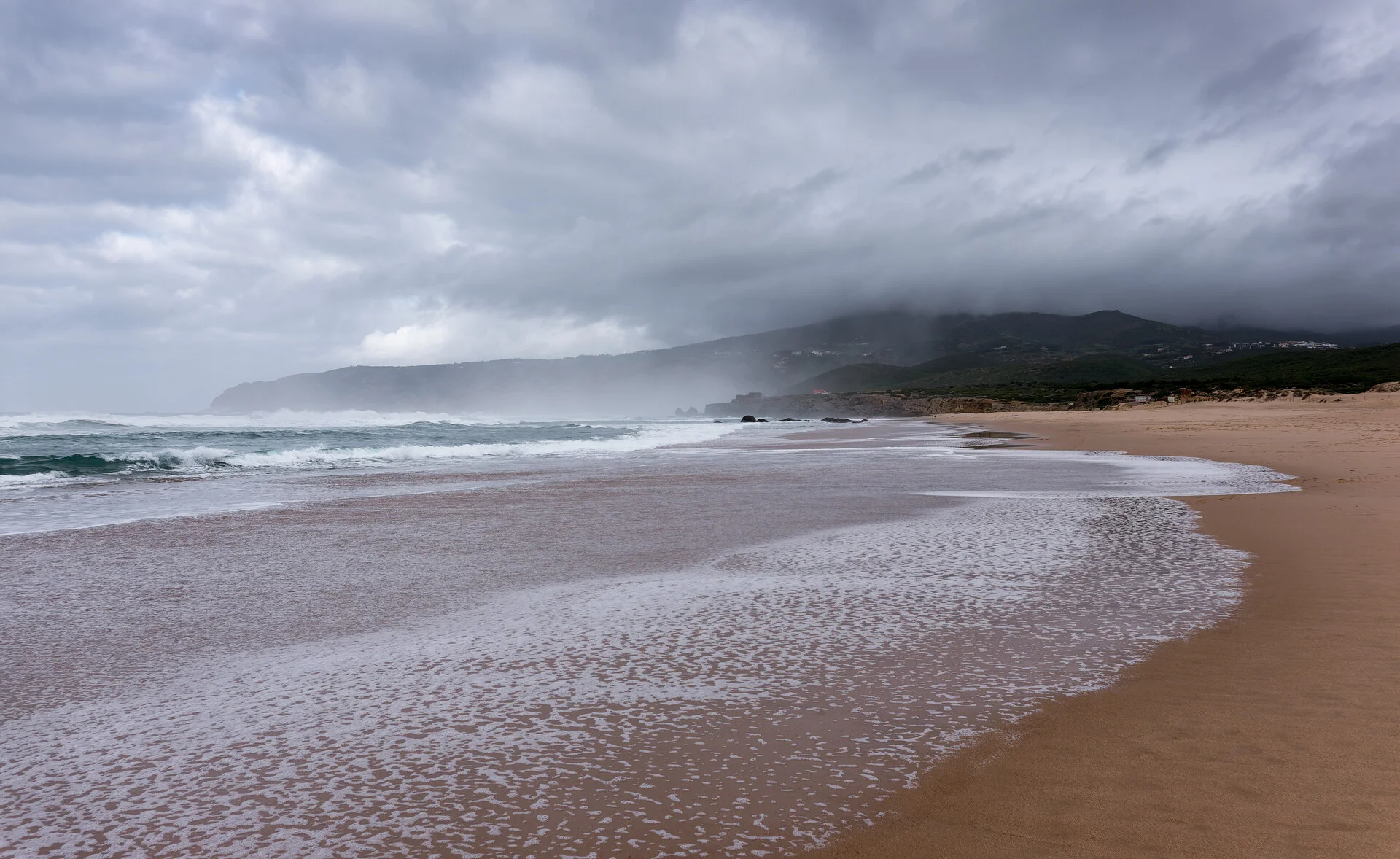
Cascais is a charming coastal town just 30 minutes from Lisbon by train.
| Destination | Travel Time | Best For | Book Ahead? |
|---|---|---|---|
| Cascais | 30 min (train) | Beaches, coastal walks, Boca do Inferno | No |
| Arrábida | 45 min (tour) | Dramatic cliffs, turquoise water, nature | Yes |
| Setúbal | 50 min (tour) | Dolphin watching, authentic fishing town | Yes |
| Óbidos | 1 hour (bus/tour) | Medieval walled town, ginjinha in chocolate cups | Optional |
| Fátima | 1.5 hours (bus/tour) | Catholic pilgrimage site, massive basilica | Optional |
Day trip options from Lisbon with travel times and booking recommendations
Day trip options from Lisbon with travel times and booking recommendations
Cascais & the Coast
Cascais is a charming coastal town 30 minutes from Lisbon by train (€2.30 from Cais do Sodré Station). It has beautiful beaches, a picturesque marina, and Boca do Inferno ("Hell's Mouth"), a dramatic sea cave where waves crash through the rocks. Cascais pairs perfectly with Sintra on a combined day trip, or works as a relaxed half-day beach escape from the city.
Arrábida & Setúbal
Arrábida Natural Park is home to some of Portugal's most dramatic coastline: limestone cliffs plunging into turquoise water that looks more like the Caribbean than the Atlantic. The park is difficult to access without a car, making a guided tour the best option. Nearby Setúbal is an authentic fishing town where you can go dolphin watching in the Sado Estuary, home to a resident population of bottlenose dolphins.
Arrábida Natural Park and Setúbal guided day trips include transport, a guide, and stops at the best viewpoints and beaches. For wildlife lovers, a dolphin watching tour in the Sado Estuary is an unforgettable experience.
Fátima, Óbidos & Nazaré
A combined day trip to Fátima, Óbidos, and Nazaré covers three very different highlights of central Portugal. Fátima is one of the world's most important Catholic pilgrimage sites, with a massive basilica and sanctuary. Óbidos is a perfectly preserved medieval walled town famous for ginjinha (cherry liqueur) served in edible chocolate cups. Nazaré is a fishing village known for the biggest waves ever surfed, with dramatic cliff-top views.
Fátima, Óbidos, and Nazaré full-day tour from Lisbon covers all three destinations with hotel pickup and a knowledgeable guide.
🎶 Fado, Nightlife & Evening Experiences
Fado is Portugal's soul music, a genre so culturally significant that UNESCO recognized it as Intangible Cultural Heritage in 2011. Characterized by mournful melodies and lyrics about longing, loss, and the sea, fado originated in Lisbon's working-class Alfama and Mouraria neighborhoods. Hearing it live, in an intimate venue with just a singer, a Portuguese guitar, and a classical guitar, is one of the most powerful cultural experiences in Europe.
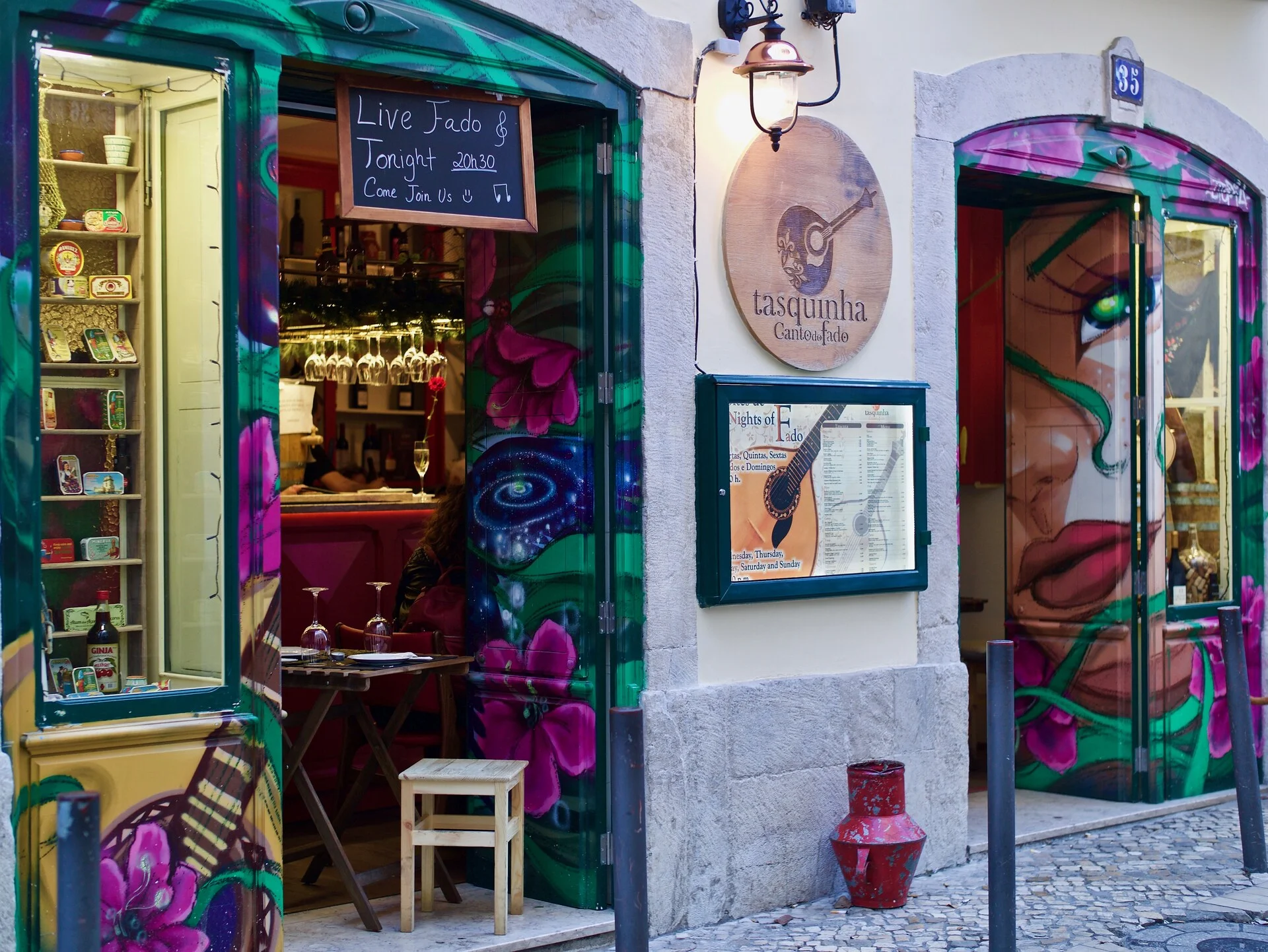
A live fado performance in Alfama is one of the most powerful cultural experiences in Europe.
How to Choose a Fado Experience
There are three main ways to experience fado. The most accessible is a dedicated performance venue like Fado in Chiado, which offers a polished 50-minute show in a historic theater (no dinner, no pressure to buy drinks). A traditional fado house in Alfama pairs the music with dinner, creating a more immersive evening. The third option is a full fado dinner show with food, wine, and multiple performers. Avoid tourist-trap venues that lack atmosphere; look for certified UNESCO fado houses.
Fado in Chiado live performance tickets offer the best introduction to fado, with professional performers in a beautiful setting. For a full evening, a Lisbon fado dinner show with drinks combines the music with traditional Portuguese cuisine.
Sunset Cruises & Rooftop Bars
A sunset cruise on the Tagus River is one of Lisbon's most romantic experiences. The golden light on the water, the 25 de Abril Bridge silhouetted against the sky, and the city's hills glowing amber: it's the kind of moment that defines a trip. Most cruises run 1 to 2 hours and include a glass of wine or sangria.
Lisbon sunset cruises on the Tagus River depart from near Praça do Comércio.
For after the cruise, Lisbon's rooftop bar scene is exceptional. Park Bar (on top of a parking garage in Bairro Alto), TOPO Chiado, and Sky Bar at the Tivoli Avenida Liberdade all offer panoramic views and creative cocktails. The nightlife in Bairro Alto kicks off after 10pm, with over 200 bars packed into a few square blocks.
📸 Best Viewpoints and Free Experiences in Lisbon
Lisbon's miradouros (viewpoints) are the best free activity in the city, and there are dozens of them scattered across the seven hills. If you're planning a broader European trip, our guide to skip-the-line tickets across Europe covers which attractions need advance booking. Each offers a slightly different perspective on the red rooftops, the Tagus River, and the city's layered, colorful skyline. Spending a morning viewpoint-hopping with a coffee in hand is peak Lisbon.
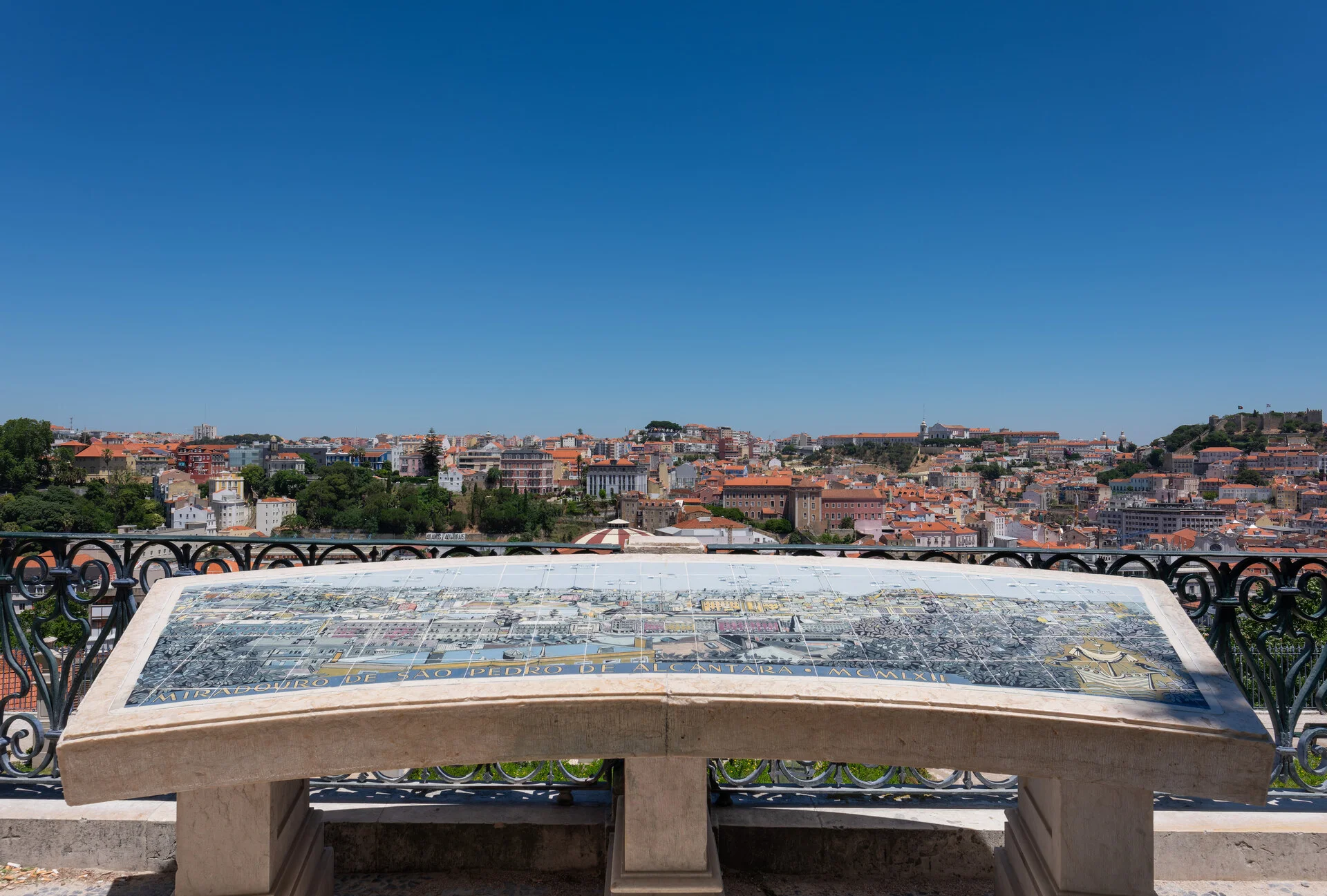
Miradouro da Graça offers sweeping views over the city and is the best spot for sunrise in Lisbon.
| Viewpoint | Best For | Crowd Level |
|---|---|---|
| Miradouro da Graça | Sunrise, widest panorama | Low in the morning |
| Miradouro de Santa Luzia | Most photogenic (bougainvillea, azulejo panels) | Moderate |
| Miradouro das Portas do Sol | Alfama rooftop photos | High |
| Miradouro da Senhora do Monte | Highest point in Lisbon, least crowded | Low |
| Elevador de Santa Justa | Iron elevator with city panorama | High |
Lisbon's top viewpoints ranked by atmosphere and crowd levels
Lisbon's top viewpoints ranked by atmosphere and crowd levels
Tram 28: Walk It or Ride It
Tram 28 is Lisbon's most iconic tram route, rattling through the narrow streets of Alfama, Graça, and Estrela in a vintage yellow carriage. It is one of the most photographed things in the city. However, the tram is extremely crowded during the day and pickpockets are a known issue. Our honest advice: walk the route instead for a more authentic experience. You'll see more, stop where you like, and avoid the crush. If you do ride, go early in the morning or late in the evening.
Free Walking in Alfama
Alfama is Lisbon's oldest neighborhood, a labyrinth of narrow lanes, stairways, and hidden squares that survived the 1755 earthquake. Getting lost here is genuinely part of the experience: you'll stumble into tiny fado bars, laundry-draped balconies, and hole-in-the-wall tascas serving €8 lunches. The neighborhood rewards wandering without a plan.
For a guided perspective, a Lisbon viewpoints guided walking tour connects the best miradouros with local stories and historical context.
🎒 Practical Tips: Lisboa Card, Transport & Budget
The Lisboa Card
The Lisboa Card is a visitor pass that includes free or discounted entry to 39+ museums and monuments, plus unlimited rides on the metro, bus, tram (including Tram 28), and even the train to Sintra. Prices are €22 for 1 day, €38 for 2 days, and €47 for 3 days. It is worth buying if you plan to visit 3 or more monuments and use public transport daily. The card pays for itself quickly when you factor in the Sintra train fare alone.
Lisboa Card for 39+ attractions and unlimited transport can be purchased online and picked up at the airport or city center.
Getting Around Lisbon
Lisbon's metro is clean, efficient, and covers most tourist areas. It runs from 6:30am to 1am. The Viva Viagem card is a reloadable transport card (€0.50 for the card, then load trips at €1.65 each or a 24-hour unlimited pass for €6.60) for those not getting the Lisboa Card. Uber and Bolt are extremely affordable in Lisbon, typically €5 to €8 for trips across the city. Walking is wonderful in the flat areas (Baixa, Chiado, Belém waterfront), but bring comfortable shoes for the hills.
Budget Tips
Lisbon is one of Western Europe's most affordable capitals. A mid-range daily budget runs €100 to €150 per person, including accommodation, meals, transport, and one paid activity. Restaurant meals with wine cost €12 to €20 per person at local tascas. Coffee is €0.70 to €1.20 (ask for a "bica" for an espresso). Tipping is not mandatory but 5 to 10% at restaurants is appreciated. The best neighborhoods to stay are Baixa-Chiado (most central), Alfama (atmospheric, close to fado), and Príncipe Real (trendy, great restaurants).
Lisbon airport transfers are available as private or shared options, though the metro also connects the airport to the city center in about 25 minutes for under €2.
❓ Frequently Asked Questions About Lisbon
How many days do you need in Lisbon?
We recommend 3 to 4 days in Lisbon to see the major monuments, do a day trip to Sintra, and experience a fado show. If you add day trips to Cascais and Arrábida, plan for 5 days.
Do you need to book Lisbon attractions in advance?
Yes, especially Jerónimos Monastery, Pena Palace in Sintra, and São Jorge Castle. These sell out in summer and skip-the-line tickets save 30 to 60 minutes of waiting time.
Is the Lisboa Card worth buying?
Yes, if you plan to visit 3 or more museums or monuments and use public transport. The Lisboa Card covers 39+ attractions, unlimited metro and tram rides, and the train to Sintra. A 2-day card costs €38.
What is the best day trip from Lisbon?
Sintra is the best day trip from Lisbon. It is only 40 minutes by train and is home to Pena Palace, Quinta da Regaleira, and the Moorish Castle. You can combine Sintra with Cabo da Roca and Cascais for a full day.
Is Lisbon safe for tourists?
Lisbon is one of Europe's safest capitals. The main concern is petty theft, particularly pickpockets on Tram 28 and in crowded tourist areas. Keep valuables secure and avoid flashing expensive items in crowded spaces.
What is the best area to stay in Lisbon?
Baixa-Chiado is the most central and walkable. Alfama is atmospheric and close to fado venues. Príncipe Real is trendy with great restaurants and rooftop bars. Avoid staying in Belém, which is far from nightlife and restaurants.
What food should you try in Lisbon?
The essentials are pastel de nata (custard tart), bacalhau (salt cod, prepared dozens of ways), bifana (pork sandwich), ginjinha (cherry liqueur), and a traditional Portuguese seafood cataplana. Visit Time Out Market for a curated selection of Lisbon's best food.
Start Planning Your Lisbon Trip
Lisbon rewards advance planning more than almost any other European capital. The combination of world-class monuments, fairy-tale day trips to Sintra, incredible food, soul-stirring fado music, and stunning free viewpoints makes it one of Europe's best all-round destinations, and all at prices significantly lower than Paris, London, or Amsterdam.
Start with your skip-the-line tickets for Jerónimos Monastery and your Sintra day trip: those are the two experiences that sell out first and have the longest walk-up queues. Then build around them with a food tour, a fado show, and as many miradouros as your legs can handle.
If you're extending your trip beyond Lisbon, don't miss our complete 8-day Portugal itinerary covering Porto, the Douro Valley, Coimbra, and the Algarve coast.