

Best Things to Do in Cape Town, South Africa (2026)
This article contains affiliate links. If you make a purchase through these links, we may earn a small commission at no extra cost to you. This helps us keep creating free content for you!
Cape Town might be the most dramatically beautiful city on Earth. A flat-topped mountain rises 1,085 meters from the city center, two oceans meet at the tip of a peninsula lined with penguins and lighthouses, and some of the world's best wine is produced 45 minutes away. It is wild, sophisticated, and completely unlike anywhere else you have ever been.
The best things to do in Cape Town include riding the Table Mountain Aerial Cableway to the summit, driving the Cape Peninsula to Cape Point and the penguin colony at Boulders Beach, wine tasting in Stellenbosch and Franschhoek, touring Robben Island where Nelson Mandela was imprisoned, exploring the colorful Bo-Kaap neighborhood, paragliding from Signal Hill, and watching the sunset over the Atlantic from a catamaran cruise at the V&A Waterfront.
We spent a full week in Cape Town and left convinced it is one of the most underrated destinations in the world for the sheer variety of experiences packed into one city. This guide covers everything worth your time, from the iconic highlights to the local secrets most visitors miss. If you are planning a longer South Africa trip, check out our 7-day Cape Town itinerary and our complete 2-week South Africa itinerary.
🏔️ Table Mountain & the Cable Car
Table Mountain is not just the symbol of Cape Town, it is one of the New 7 Wonders of Nature and one of the oldest mountains on Earth, six times older than the Himalayas. Its flat summit stretches for 3 kilometers and is visible from virtually every point in the city. Standing on top with the Atlantic Ocean on one side, the Indian Ocean on the other, and the entire Cape Peninsula stretching south below you is one of those travel moments that genuinely rewires your sense of scale.
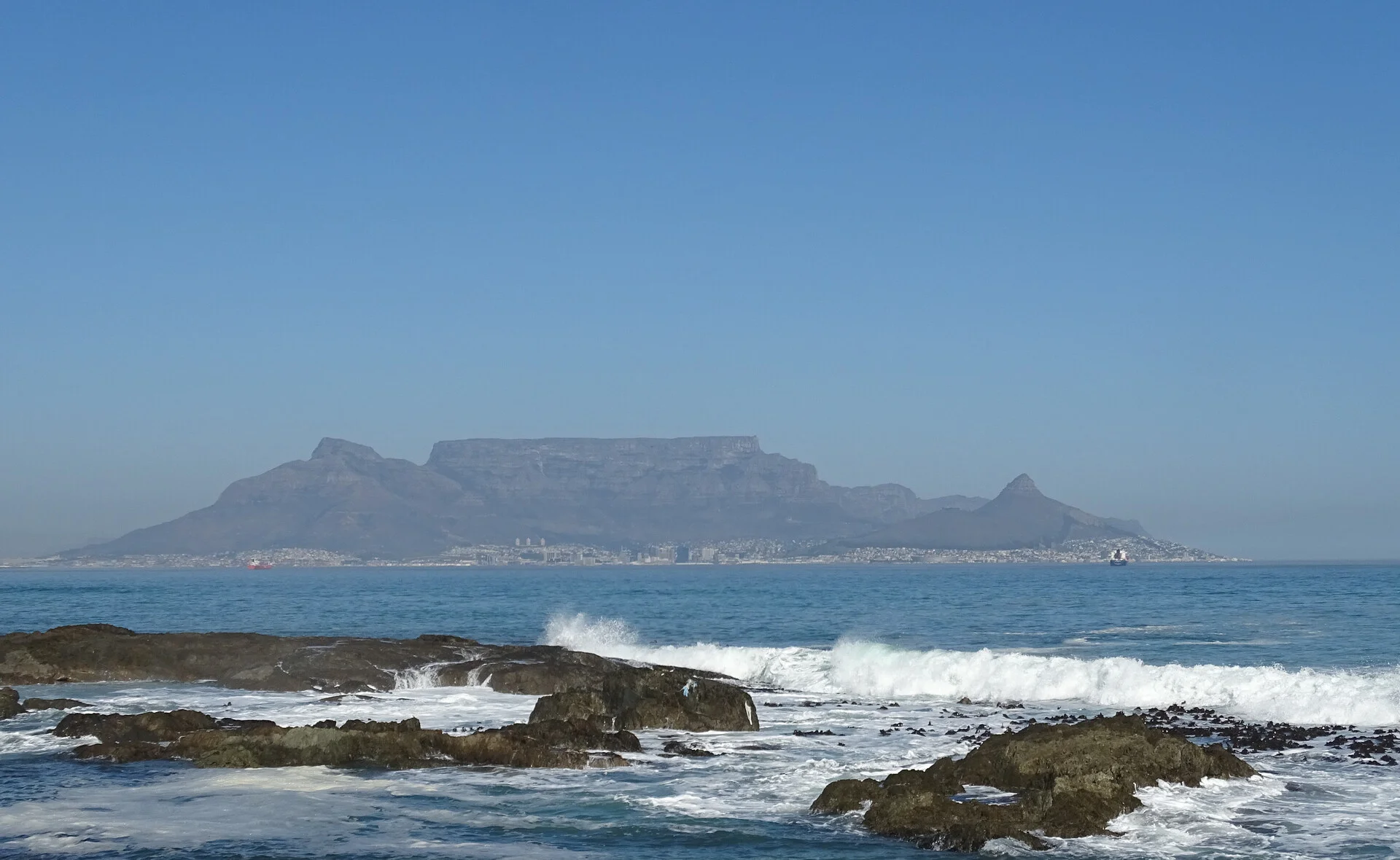
Table Mountain is one of the New 7 Wonders of Nature, rising 1,085 meters from the center of Cape Town.
The Table Mountain Aerial Cableway is the most popular way to reach the summit. The rotating cable car holds 65 passengers and takes just 5 minutes to climb from the lower station to the top, giving everyone a 360-degree view during the ascent. A return ticket costs approximately R400 (about $22 USD). Skip-the-line tickets are essential in summer (December to February) when queues regularly exceed 2 hours. Book a Table Mountain skip-the-line cable car ticket in advance to guarantee your time slot.
At the summit, walking trails wind across the flat top with viewpoints in every direction. Look for dassies (rock hyraxes), the small furry mammals sunbathing on the rocks that are, improbably, the closest living relative of the elephant. The café at the top serves decent food and coffee with views that no restaurant in the city can match.
If you prefer to hike, the Platteklip Gorge route takes 2 to 3 hours to climb (steep but manageable for anyone with reasonable fitness) and you can cable car down. A guided Table Mountain hike with a local guide is recommended as the mountain weather changes rapidly and the trails are not always well-marked.
Lion's Head, the peak next to Table Mountain, offers a shorter alternative (1 to 2 hours round trip) and is particularly famous as a sunset hike. The summit views over Camps Bay, the Twelve Apostles, and the city lights are extraordinary. Full moon hikes on Lion's Head are a Cape Town tradition.
🐧 Cape Peninsula: Cape Point, Penguins & Chapman's Peak
The Cape Peninsula drive is one of the great coastal road trips in the world, and dedicating a full day to it is one of the best decisions you can make in Cape Town. The route takes you along dramatic cliff roads, through charming seaside towns, past a colony of African penguins, and all the way to the southwestern tip of the African continent.
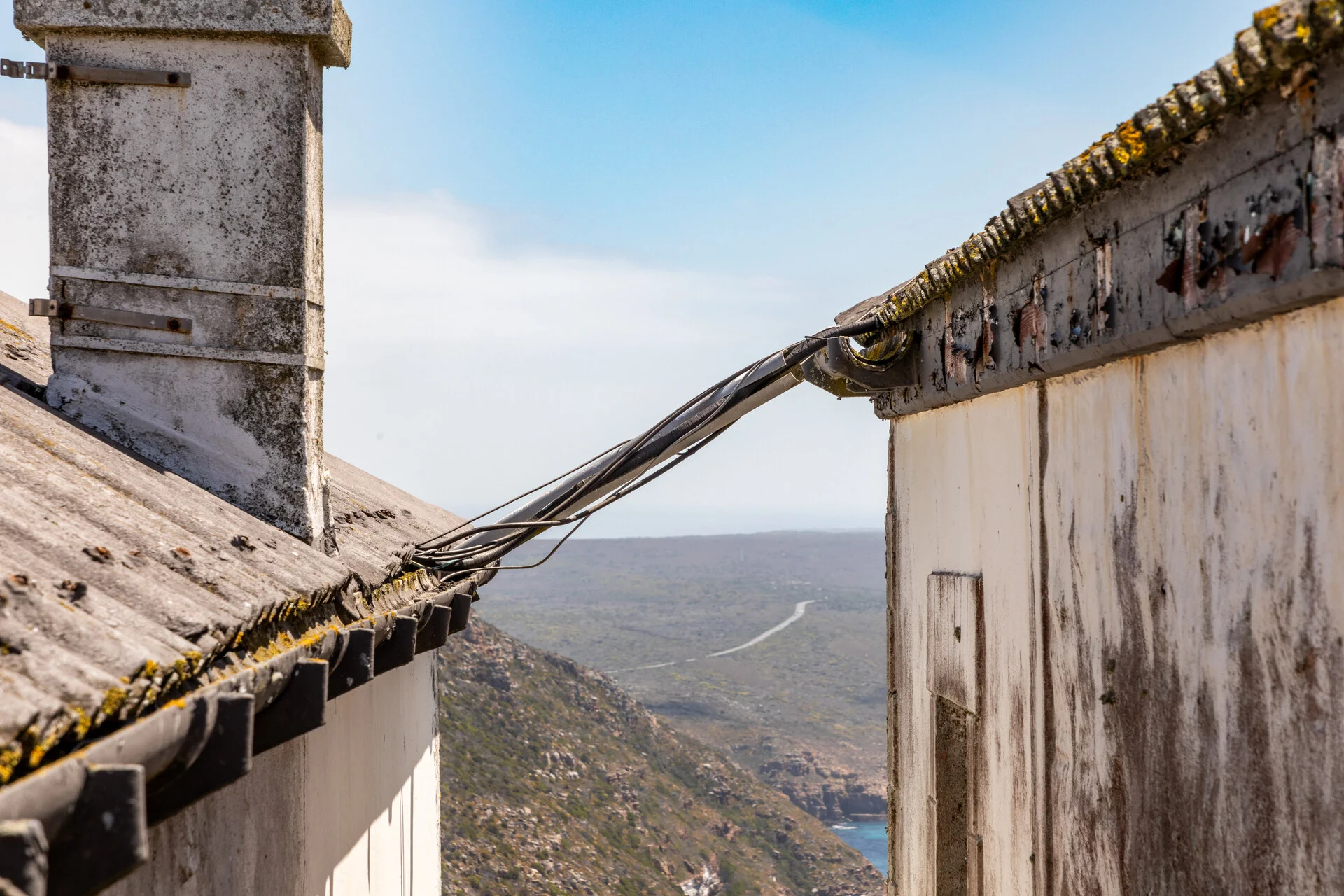
Cape Point marks the southwestern tip of Africa, where the Atlantic and Indian Oceans meet.
Chapman's Peak Drive, a toll road carved into the cliffs between Hout Bay and Noordhoek, is the highlight of the drive. The road clings to the mountainside 600 meters above the Atlantic with nothing between you and the ocean but a low concrete wall. It is one of the most dramatic drives we have ever done. Take it slow and stop at the viewpoints.
Boulders Beach near Simon's Town is home to a colony of over 3,000 African penguins, one of only a few places in the world where you can get this close to penguins in a natural setting. Wooden boardwalks wind through the colony and you can swim on the adjacent beach while penguins waddle past. Entry costs approximately R176 ($10 USD). The penguins are there year-round, but breeding season (February to August) is when you see the most chicks.
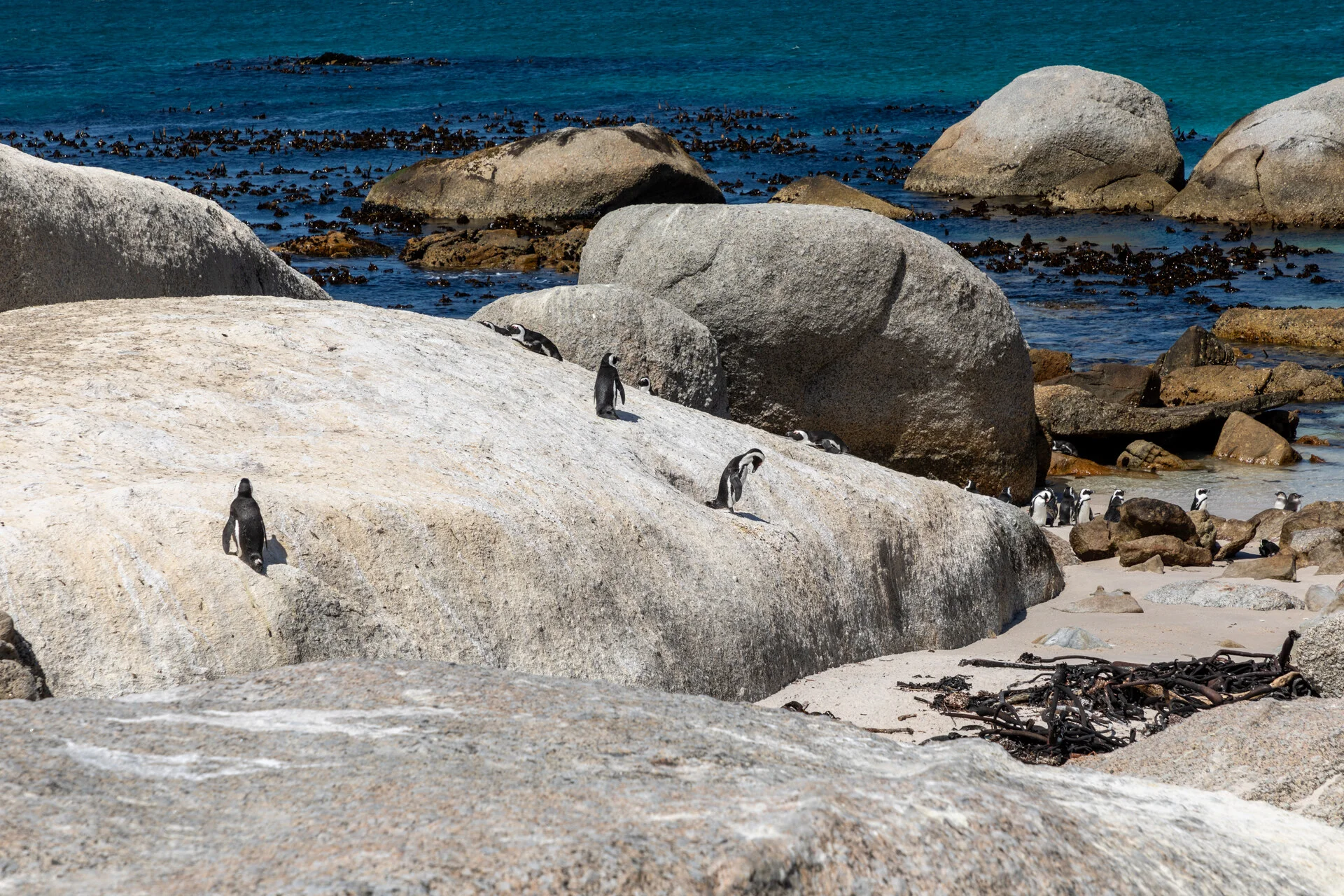
Boulders Beach is home to over 3,000 African penguins and is one of the few places to see them in a natural setting.
Cape Point, at the tip of the peninsula, is a nature reserve with dramatic cliffs, the historic Cape Point lighthouse, and a funicular (Flying Dutchman) to the viewpoint. The Cape of Good Hope, a short drive from Cape Point, is the most southwesterly point of the African continent. A Cape Peninsula full-day tour including Cape Point and Boulders Beach handles all the driving and stops at the highlights, which is ideal if you do not want to rent a car.
Top-Rated Activities in Cape Town
🍷 Cape Winelands: Stellenbosch, Franschhoek & Paarl
The Cape Winelands, just 45 minutes east of Cape Town, are one of the world's great wine regions, producing wines that compete with the best of France, Italy, and California at a fraction of the price. The setting is extraordinary: rows of vines stretch across valleys backed by craggy mountain ranges, with Cape Dutch homesteads dating back 300 years dotted between them.
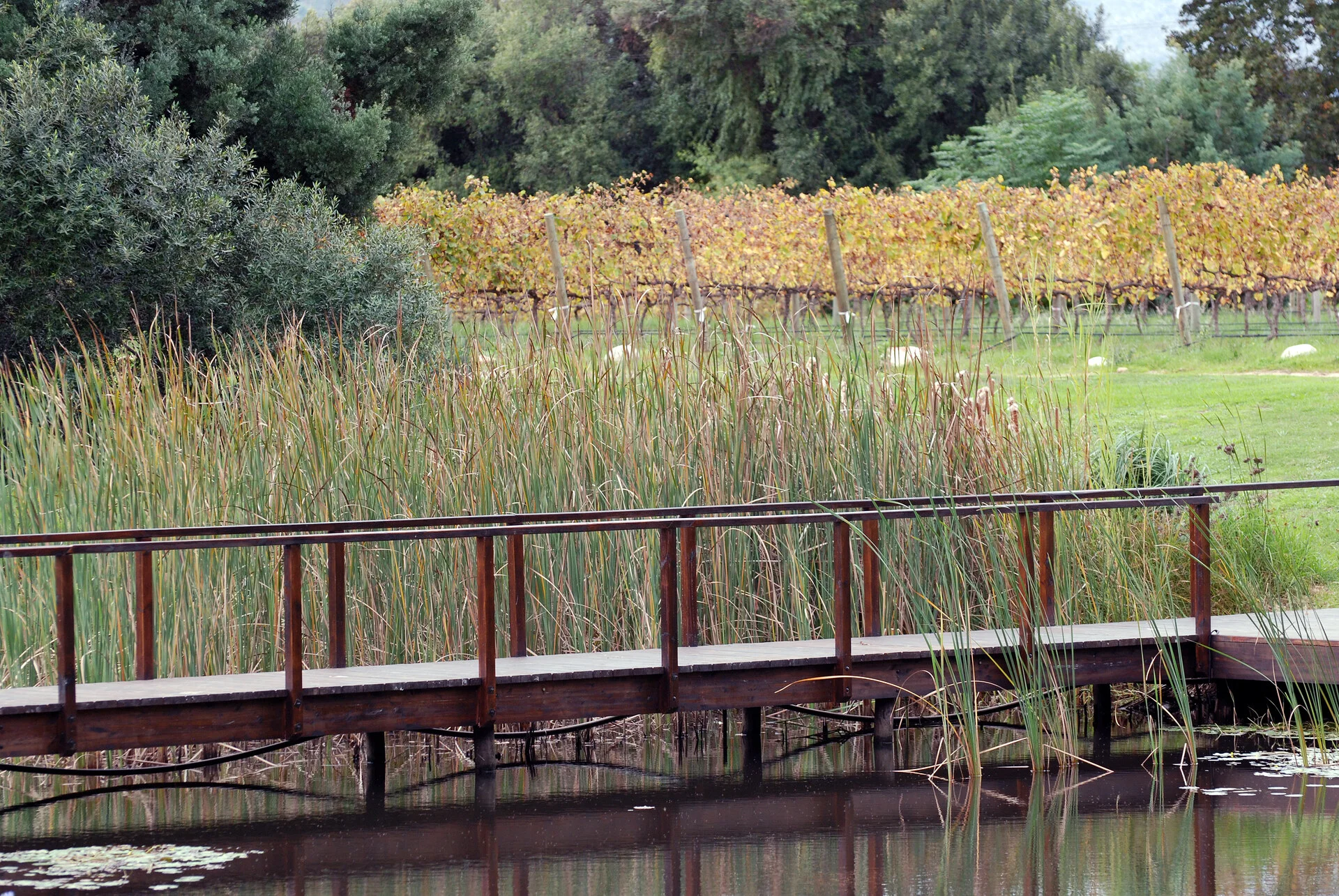
The Cape Winelands are one of the world's great wine regions, just 45 minutes from Cape Town.
Stellenbosch is the wine capital, a beautiful university town with oak-lined streets, over 200 wine farms, and some of the best restaurants in South Africa. Estates like Delaire Graff, Tokara, and Jordan have tasting rooms with mountain views that alone are worth the trip. Franschhoek (meaning "French Corner") was founded by French Huguenot refugees in the 1680s and has a more upscale, gastronomic feel. The Franschhoek Wine Tram, a hop-on hop-off vintage tram and open-air bus that connects eight wine estates, is one of the most enjoyable ways to taste wine anywhere in the world.
The key grape to look for is Pinotage, a uniquely South African variety created by crossing Pinot Noir and Cinsault. Chenin Blanc (locally called Steen) is the most planted white grape, and the Cabernet Sauvignon and Syrah from Stellenbosch are world-class. Tastings typically cost R50 to R150 ($3 to $8 USD) per person for 5 to 6 wines, making this one of the most affordable fine wine tasting experiences on Earth.
Do not drive yourself if you plan to taste seriously. A Cape Winelands full-day tour with tastings at multiple estates includes transport, a knowledgeable guide, and visits to 3 to 4 wineries with all tasting fees included. For the Franschhoek Wine Tram specifically, book a Franschhoek Wine Tram experience in advance as it sells out in summer.
🏝️ Robben Island & Cape Town's History
Robben Island is a UNESCO World Heritage Site and one of the most important historical landmarks in the world. Nelson Mandela was imprisoned here for 18 of his 27 years in captivity, and the island is now a museum that tells the story of South Africa's struggle against apartheid. Tours are led by former political prisoners, which gives the experience an emotional weight that no guidebook can prepare you for.
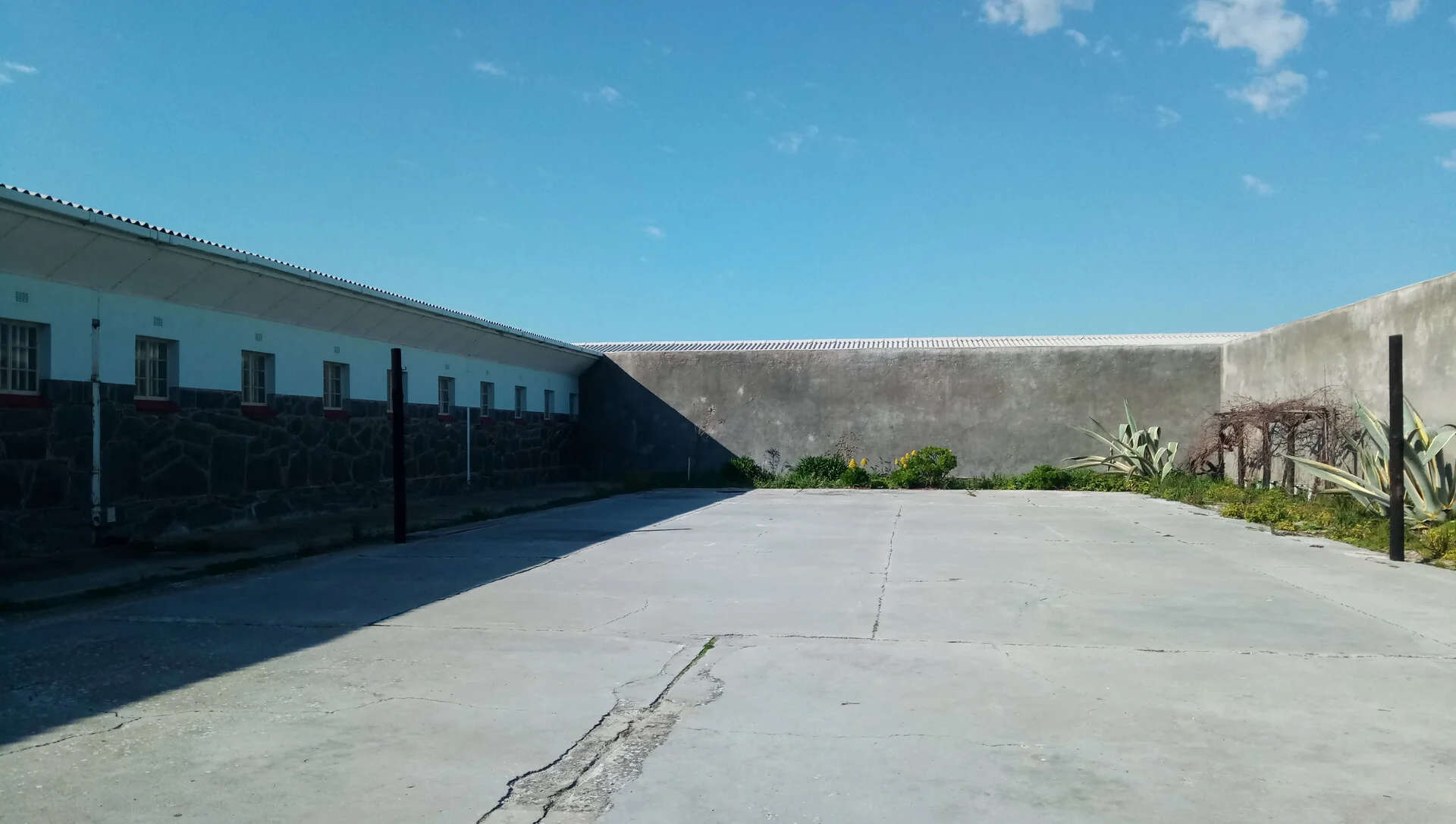
Robben Island is where Nelson Mandela was imprisoned for 18 years and is now a UNESCO World Heritage Site.
The tour takes approximately 3.5 hours including a 30-minute ferry crossing from the Nelson Mandela Gateway at the V&A Waterfront, a bus tour of the island, and a walking tour of the prison led by a former inmate. You will see Mandela's tiny cell, the limestone quarry where prisoners were forced to labor, and the communal cells where political leaders were held. Tickets cost R600 (about $33 USD) for adults. Book a Robben Island ferry and guided tour at least 2 to 4 weeks in advance, as tours sell out quickly, especially December to February.
Back on the mainland, the District Six Museum tells the story of the 60,000 residents who were forcibly removed from their homes during apartheid. The Bo-Kaap neighborhood, with its iconic rows of brightly painted houses on the slopes of Signal Hill, is the historic heart of Cape Town's Cape Malay community. A Bo-Kaap cooking class and walking tour is the best way to experience the neighborhood, learning to make traditional Cape Malay dishes like bobotie and samoosas while hearing the community's history from a local resident.
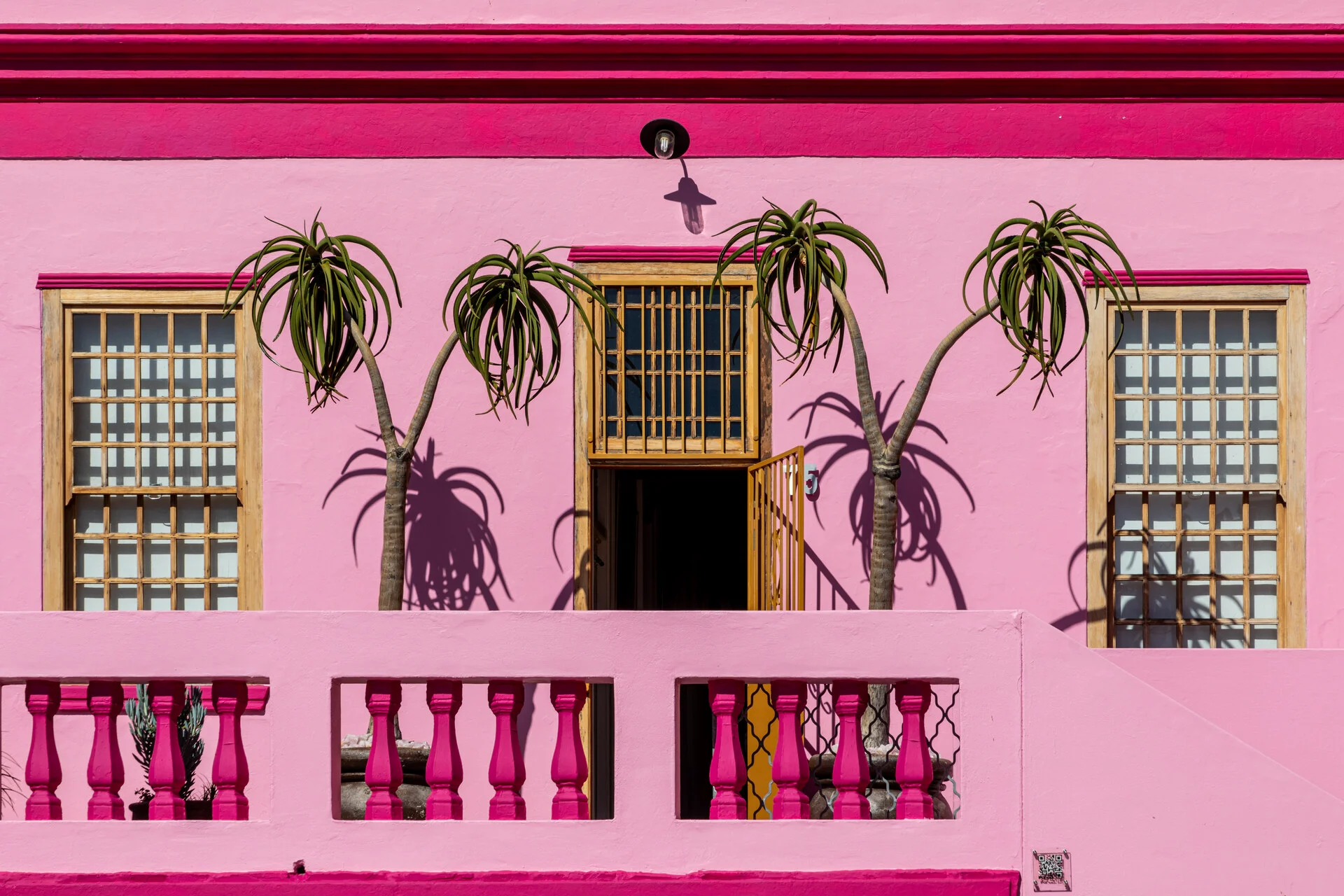
Bo-Kaap's colorful houses are one of Cape Town's most photographed sights, with a history dating back to the 1760s.
Where to Stay in Cape Town
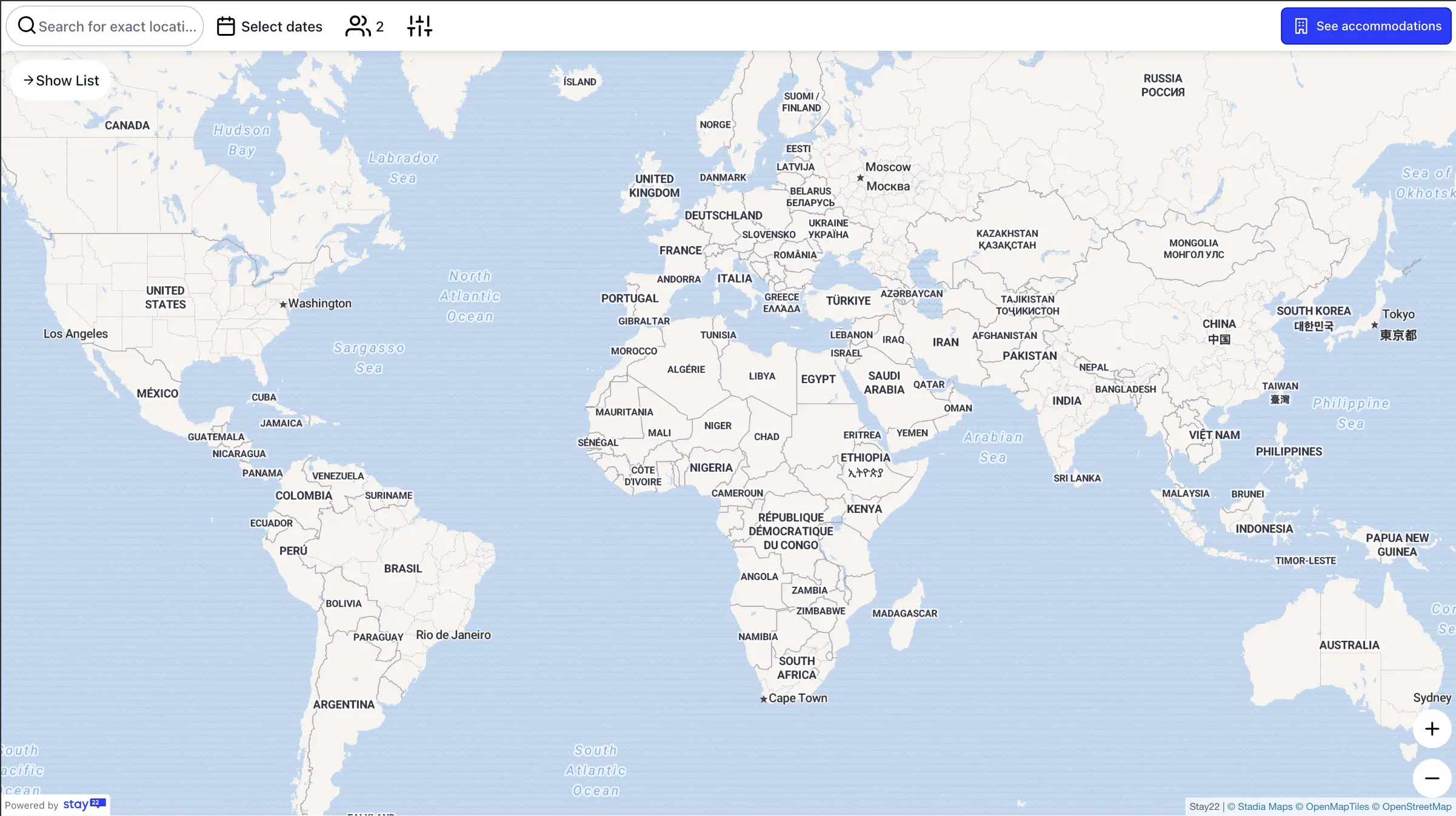
Book through this map and you help support our travels, at no extra cost to you. We earn a small commission, and it means a lot.
🌊 Adventure & Ocean Experiences
Cape Town is one of the world's great adventure cities. The combination of mountains, ocean, and reliable weather creates conditions for activities you cannot do in this combination anywhere else. Some of these are genuinely once-in-a-lifetime experiences.
Shark cage diving in Gansbaai (about 2 hours from Cape Town) puts you face-to-face with Great White sharks from inside a steel cage at the surface. It is terrifying and exhilarating in equal measure, and one of the most adrenaline-pumping things we have ever done. A shark cage diving experience from Cape Town includes transport, equipment, breakfast, and lunch.
Paragliding from Signal Hill is the most scenic tandem paragliding flight you can do. You launch from the slopes of Signal Hill, soar past Lion's Head, and fly over the turquoise water of Camps Bay and the Twelve Apostles mountain range before landing on the beach. The whole flight takes 10 to 15 minutes and no experience is needed. A tandem paragliding flight from Signal Hill is weather-dependent, so book for the earliest day of your trip with flexibility to reschedule.
Sunset cruises from the V&A Waterfront are the perfect way to end a Cape Town day. A sunset catamaran cruise with champagne takes you along the Atlantic coastline with views of Table Mountain, Lion's Head, and the Twelve Apostles bathed in golden light. Some cruises include drinks and snacks, and dolphin sightings are common.
Other excellent adventure options include surfing at Muizenberg (beginner-friendly waves, colorful beach huts, board rentals on the beach), kayaking with Cape fur seals at Hout Bay or Simon's Town, and whale watching from Hermanus (1.5 hours from Cape Town, best June to November when southern right whales come to the Walker Bay coast to breed).
🌿 Gardens, Markets & City Life
Beyond the headline attractions, Cape Town has a vibrant food, art, and market scene that rewards exploration. These are the experiences that make you fall in love with the city's personality, not just its scenery.
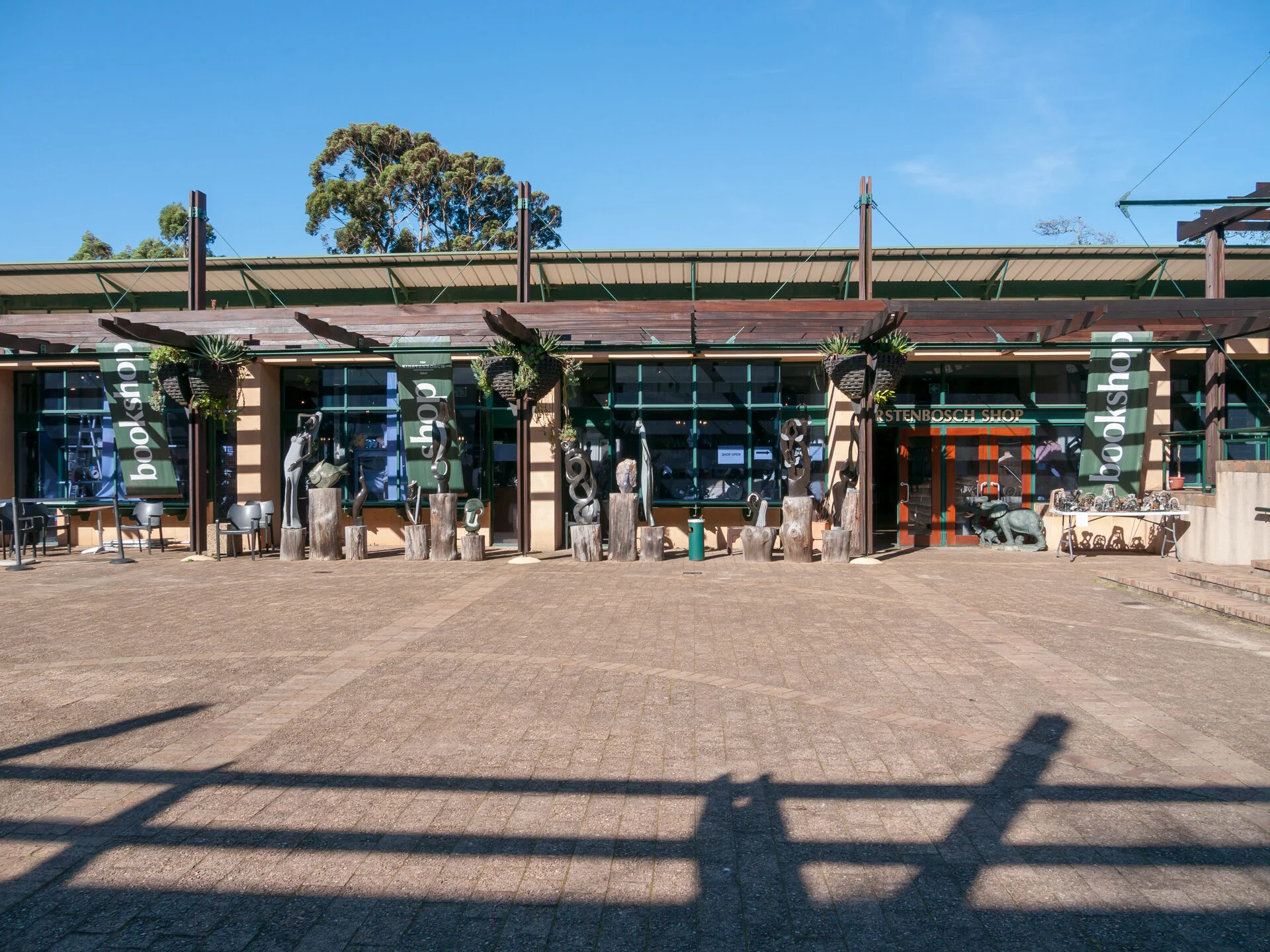
Kirstenbosch is one of the world's great botanical gardens, with the Boomslang Tree Canopy Walkway and summer sunset concerts.
Kirstenbosch National Botanical Garden, nestled against the eastern slopes of Table Mountain, is one of the finest botanical gardens in the world. The Boomslang (Tree Canopy Walkway) is a curving steel and wood bridge that winds through and above the treetops, offering views over the garden and the Cape Flats beyond. In summer (November to March), the garden hosts sunset concerts on Sunday evenings that are a Cape Town institution. A Kirstenbosch Botanical Garden entry ticket costs R220 ($12 USD).
The V&A Waterfront is Cape Town's main commercial hub, with shopping, restaurants, the Two Oceans Aquarium, and the Zeitz Museum of Contemporary Art Africa (Zeitz MOCAA), housed in a spectacularly converted grain silo. The Watershed, an indoor craft market within the Waterfront complex, is the best place in Cape Town to buy quality South African art, jewelry, and design.
For food lovers, the Neighbourgoods Market at the Old Biscuit Mill in Woodstock (Saturdays only, 9am to 2pm) is the best food market in Cape Town, with dozens of stalls selling everything from Ethiopian injera to wood-fired pizza to artisanal charcuterie. Arrive early as it gets packed by 11am. A Cape Town food walking tour is another excellent way to taste the city's diverse culinary scene with a local guide.
Camps Bay, the glamorous beach strip backed by the Twelve Apostles mountain range, is the place for sundowners. Grab a table at one of the beachfront restaurants, order a glass of local wine, and watch the sun drop into the Atlantic. It is the quintessential Cape Town evening.
🎒 Practical Tips for Visiting Cape Town
Best time to visit: October to April (Southern Hemisphere summer). December and January are peak season with the best weather but highest prices and biggest crowds. The shoulder months (October to November and March to April) are ideal: warm, sunny, less crowded, and significantly cheaper. Winter (June to August) brings rain but also whale season, green landscapes, and dramatically lower prices.
Getting around: Rent a car if you plan to drive the Cape Peninsula or visit the Winelands. There is no useful public transport for tourists. Uber is cheap and reliable for everything within the city (R30 to R80 / $2 to $5 for most rides). A Cape Town hop-on hop-off bus tour is a good option for getting an overview on your first day. For organized day trips, check our recommendations for tours on GetYourGuide.
| Neighborhood | Best For | Vibe |
|---|---|---|
| Sea Point | Walkable promenade, restaurants, central | Local, safe, mid-range prices |
| Camps Bay | Beachfront, sundowners, mountain views | Glamorous, expensive, tourist-heavy |
| Gardens / Tamboerskloof | Near Table Mountain, quiet, leafy | Residential, boutique guesthouses |
| V&A Waterfront | Shopping, restaurants, convenience | Tourist hub, premium hotels |
| De Waterkant | Nightlife, trendy restaurants, walkable | Young, vibrant, LGBTQ+ friendly |
Best neighborhoods to stay in Cape Town
Best neighborhoods to stay in Cape Town
Budget: Cape Town offers excellent value by international standards. A mid-range daily budget for a couple is approximately R3,000 to R5,000 ($170 to $280 USD), covering accommodation (R1,500 to R3,000 for a good guesthouse or 3-star hotel), food (R500 to R1,000 for meals and coffee), activities (R500 to R1,000 per person), and transport (R200 to R400 for Uber). Wine tastings are R50 to R150 ($3 to $8) each, making this one of the most affordable wine regions in the world.
Currency: South African Rand (ZAR/R). Cards are accepted almost everywhere. ATMs are widely available. Safety: Tourist areas are safe during the day. Use Uber at night. Do not leave valuables visible in parked cars. Avoid walking alone in isolated areas after dark. Load-shedding: South Africa experiences scheduled power outages. Carry a power bank and download the EskomSePush app to check the schedule. Most hotels and restaurants have generators. For more South Africa planning, check out our Johannesburg and Kruger guide.
Frequently Asked Questions About Cape Town
How many days do you need in Cape Town?
We recommend 5 to 7 days for a first visit to Cape Town. That gives you a day for Table Mountain and the city, a full day driving the Cape Peninsula to Cape Point and Boulders Beach, a day in the Cape Winelands, a half day for Robben Island, and time for Bo-Kaap, Kirstenbosch, adventure activities, and the V&A Waterfront. With only 3 days, prioritize Table Mountain, the Cape Peninsula drive, and one day in the Winelands.
Is Cape Town safe for tourists?
Cape Town is generally safe for tourists in the main areas. Sea Point, the V&A Waterfront, Camps Bay, Gardens, and the City Bowl are all well-traveled and safe during the day. Use Uber instead of walking alone at night. Avoid displaying expensive jewelry or electronics in isolated areas. Car break-ins can happen, so never leave valuables visible in a parked car.
What is the best time to visit Cape Town?
October to April is the best time to visit Cape Town (Southern Hemisphere summer). Temperatures range from 25 to 30°C with long daylight hours and minimal rain. December and January are peak season with the highest prices. The shoulder months of October to November and March to April offer ideal weather with fewer tourists and better prices. Winter (June to August) brings rain but also whale season and dramatically lower prices.
Is the Table Mountain Cable Car worth it?
Yes, the Table Mountain Aerial Cableway is one of the best experiences in Cape Town. The rotating cable car takes 5 minutes to reach the 1,085-meter summit and the 360-degree views from the top are extraordinary. A return ticket costs approximately R400 (about $22 USD). Skip-the-line tickets are highly recommended in summer when queues can exceed 2 hours. Check the webcam before going as clouds can obscure the summit.
Should you rent a car in Cape Town?
Yes, renting a car is recommended for the Cape Peninsula drive and the Winelands, as there is no useful public transport to these areas. For the city itself, Uber is cheap and convenient. Drive on the left side of the road. Parking is available at most attractions. Never leave valuables visible in a parked car. If you prefer not to drive, organized day tours on GetYourGuide cover all the major routes.
How do you book Robben Island tours?
Robben Island tours depart from the Nelson Mandela Gateway at the V&A Waterfront. The tour takes approximately 3.5 hours including the ferry crossing and guided island tour. Tickets cost R600 (about $33 USD) for adults. Book at least 2 to 4 weeks in advance, as tours sell out quickly, especially in peak season from December to February.
What food should you try in Cape Town?
Cape Town's must-try foods include braai (South African barbecue), bobotie (a Cape Malay spiced mince dish with egg custard), bunny chow (a hollowed-out bread loaf filled with curry), biltong (dried cured meat), and Cape Malay curry. For seafood, try fresh snoek, West Coast oysters, and crayfish. The Neighbourgoods Market in Woodstock on Saturdays is the best food market in the city.
Start Planning Your Cape Town Trip
Cape Town is one of those rare cities where the natural beauty is so overwhelming that you almost forget about everything else, and then the wine, food, history, and adventure activities remind you that this is a genuinely complete destination. We have traveled to over 30 countries and Cape Town remains in our top five cities in the world.
Start planning by booking your Table Mountain skip-the-line tickets and a Cape Peninsula day tour on GetYourGuide. These are the two essential experiences, and securing them early (especially Robben Island) saves you from sold-out disappointment. Add a Winelands day, a sunset cruise, and as many adventures as your schedule allows, and you will understand why Cape Town keeps winning "best city in the world" awards.
If you are continuing through South Africa, do not miss our guides to Johannesburg and Kruger National Park and our complete 2-week South Africa itinerary.