
Best Things to Do in Buenos Aires: 15 Highlights (2026)
This article contains affiliate links. If you make a purchase through these links, we may earn a small commission at no extra cost to you. This helps us keep creating free content for you!
Buenos Aires has more bookstores per inhabitant than any other city in the world, an opera house with acoustics ranked among the planet's finest, and a dance it invented in dockside bars that UNESCO now lists as cultural heritage of humanity. They call it the Paris of the South. Porteños will tell you, with a straight face, that Paris is the Buenos Aires of the North.
This is South America's great café capital: a city of belle époque palaces, midnight dinners, and a melancholy-romantic streak that gets under your skin in about 48 hours. We have organized the essential experiences below, from the tango stages and the Sunday markets to the asado table and the delta islands, with the tours and tickets genuinely worth booking ahead. Many travelers pair the city with our 8-day Patagonia itinerary for the classic Argentina two-step.
💃 Tango: From Glittering Shows to Midnight Milongas
Tango was born in this city's port neighborhoods in the 1880s and it remains the single experience no first visit should skip. The polished entry point is a dinner show, and three stand above the pack. The Rojo Tango show inside the Faena Hotel is the premium room: 100 seats, cabaret-close dancers, and the production values of the city's most theatrical hotel. The Tango Porteño show steps from the Obelisco delivers the big-stage golden-age spectacle, while the El Querandí show in a restored 1920s San Telmo mansion traces tango's full history in the most atmospheric room of the three.
Two more worth comparing: the Señor Tango show with skip-the-line tickets, the largest production in the city with 40 artists on stage, and the boutique Gala Tango dinner show in a French-style San Telmo salon. Show-only tickets run 35 to 60 USD; dinner packages roughly double it and the food is better than dinner-show cynicism predicts (this is still Argentina).
Then there is the real thing. A milonga is where porteños actually dance: a neighborhood hall, a DJ spinning 1940s orchestras, and a strict unspoken etiquette (invitations happen via eye contact, the cabeceo, from across the room). Visitors are welcome to watch with a glass of malbec, and several venues run beginner classes before the dancing starts. Go late: nothing worth seeing happens before midnight.
Top-Rated Activities in Buenos Aires
🎨 San Telmo & La Boca: The Old Soul of the City
San Telmo is the city's oldest barrio and its Sunday ritual is non-negotiable: the Feria de San Telmo runs the full length of Calle Defensa, a kilometer of antiques, leather, mate gourds, street tango, and choripán smoke, anchored by the iron-and-glass Mercado de San Telmo (1897). On any other day, the neighborhood rewards slow wandering: cobbled lanes, conventillo courtyards, and the bars that have poured vermouth since before your grandparents were born.
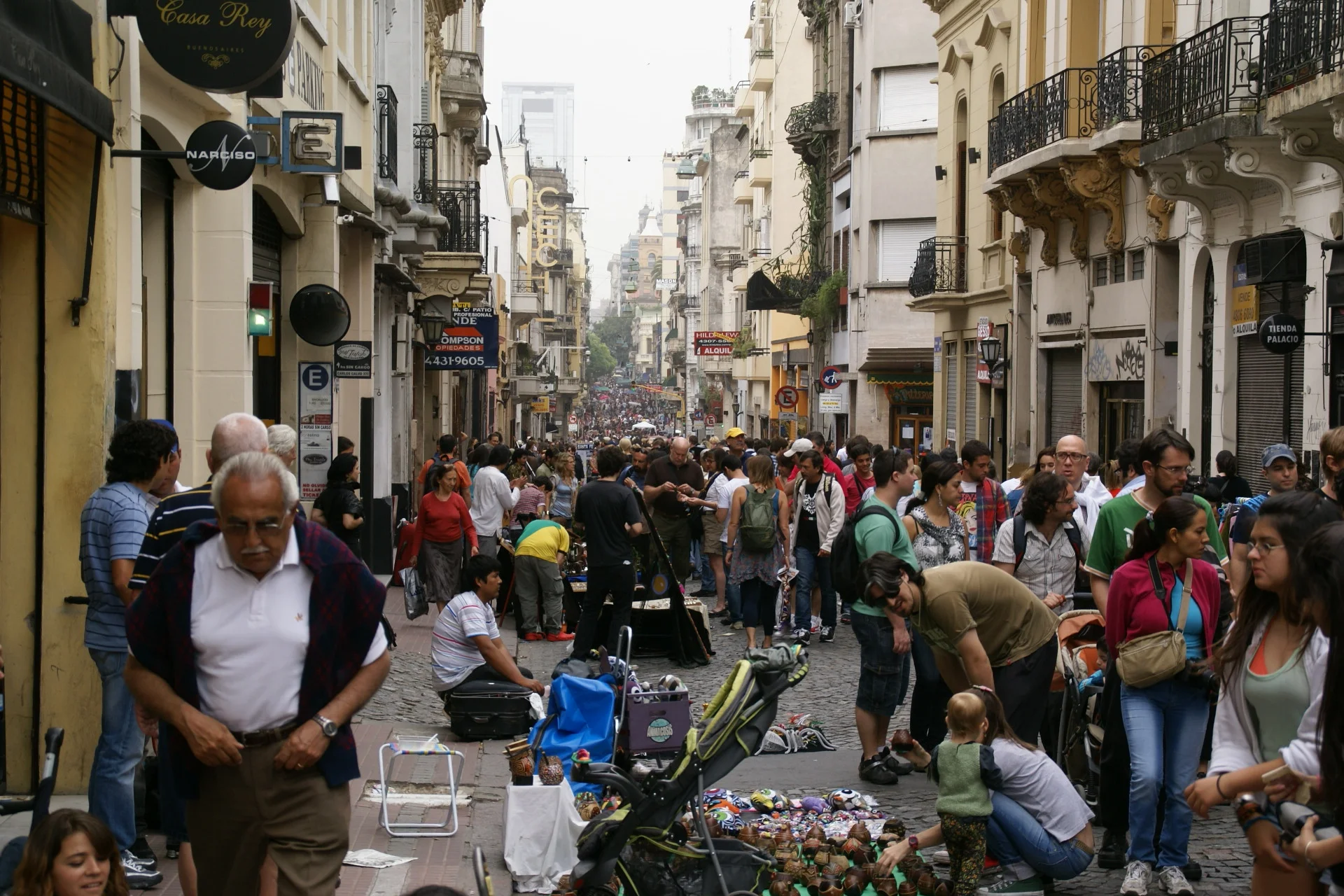
San Telmo's Sunday feria stretches a full kilometer down Calle Defensa, Buenos Aires' oldest street market.
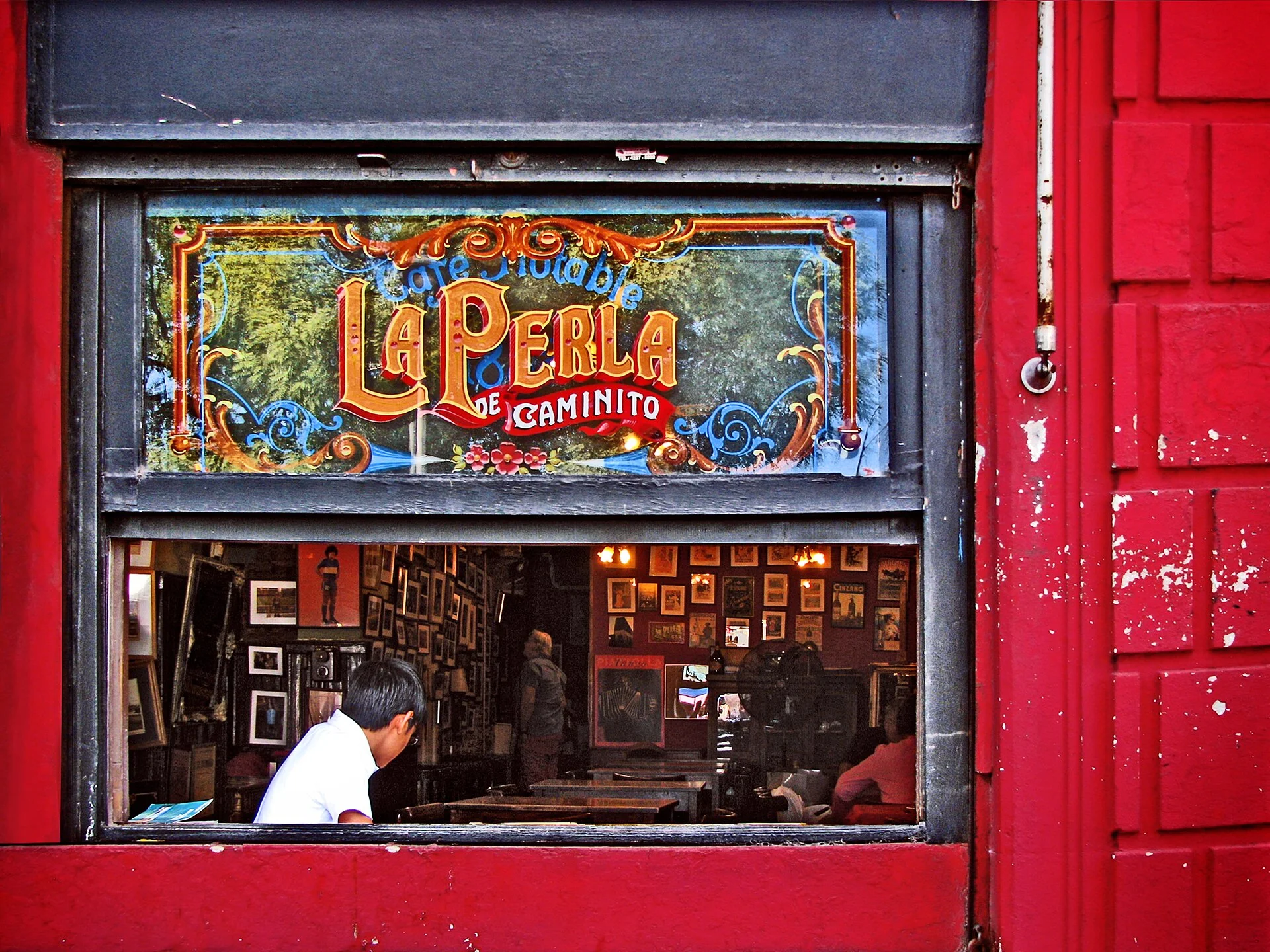
La Boca, twenty minutes south, is the port quarter where tango (and half the city's mythology) was born among Genoese dockworkers. Caminito is its painted-tin postcard: corrugated houses in primary colors, dancers posing on the cobbles, and the Bombonera looming behind, the most intimidating football stadium in the Americas. The honest advice: the three tourist blocks are vivid and worth an hour, but do not wander beyond them, and check the Boca Juniors fixture list, because match days transform the whole barrio.
The efficient way to thread these neighborhoods together is the guided city tour covering Recoleta, La Boca, and San Telmo, which handles the geography (these barrios are far apart) and the context in a single half-day. Walkers can instead pick a small-group San Telmo and La Boca walking tour and add the subte ride home.
🏛️ Recoleta & Palermo: Palaces, Parks and the Famous Dead
Recoleta Cemetery is the strangest must-see in South America: a walled city of 4,700 marble mausoleums where Argentina buried its presidents, writers, and (after a 20-year odyssey involving theft, exile, and a secret Milan grave) Eva Perón, whose black Duarte family vault still draws daily flowers. Give it 90 minutes; a guided Recoleta Cemetery tour turns the marble maze into the best storytelling session in the city. Outside the walls: the Floralis Genérica, the giant steel flower that opens with the sun, and the national Museo de Bellas Artes, free and excellent.
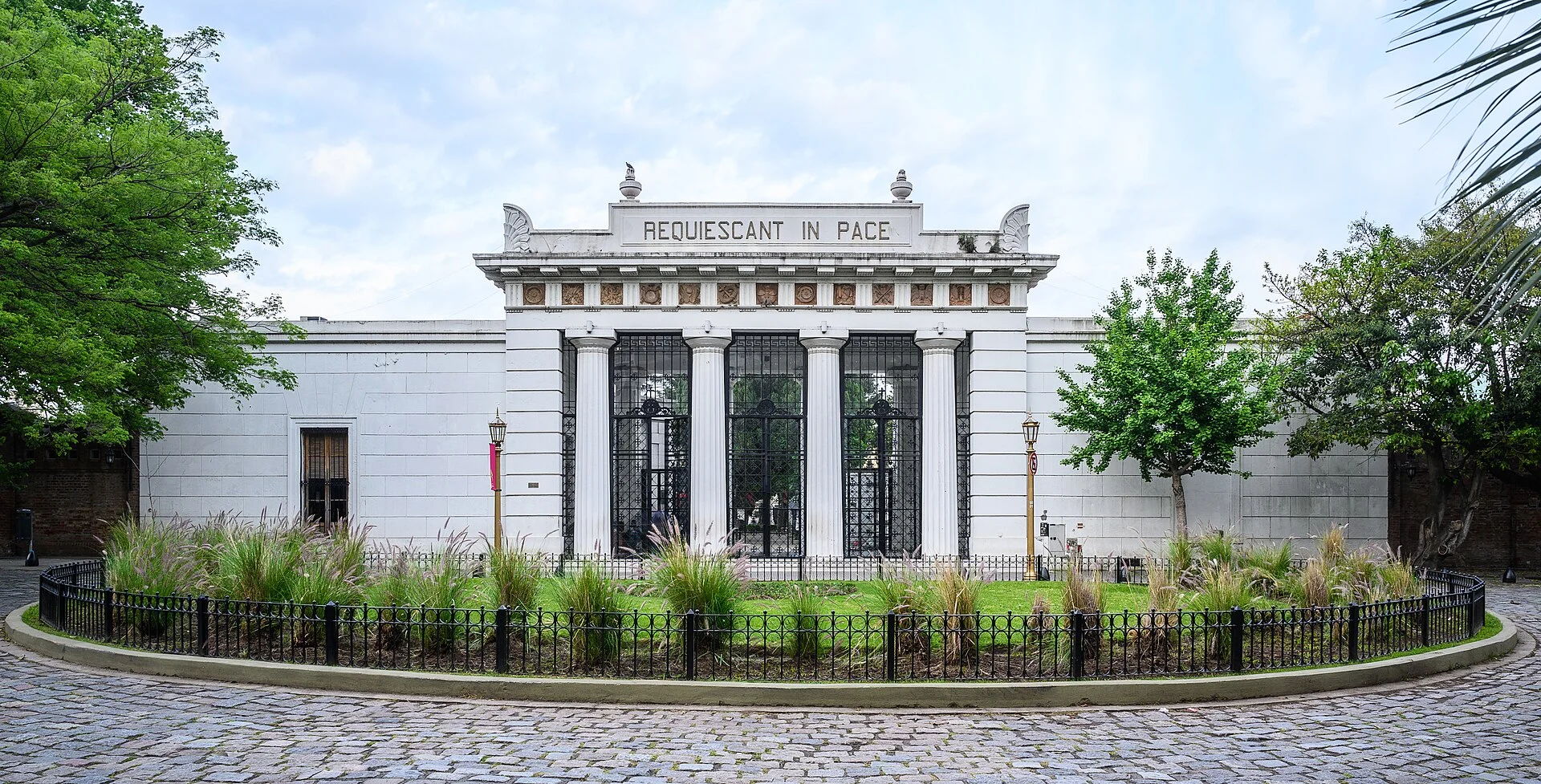
Recoleta Cemetery's 4,700 mausoleums include Eva Perón's tomb, Buenos Aires' most visited site.
Palermo is the city's green lung and its appetite: the rose garden and lakes of the Bosques de Palermo on one side, and on the other Palermo Soho's mural-covered blocks of designer shops, specialty coffee, and the highest concentration of good restaurants in Argentina. MALBA, the Latin American art museum between them, holds Frida Kahlo and the continent's modernist canon in a building you can cover in an unhurried hour. A guided bike tour through Palermo's parks and street art is the right pace for this side of town: the distances are real and the terrain is pancake-flat.
🥩 Asado, Parrillas & the Food Scene
Argentine beef earns its reputation, but asado is not a meal so much as a liturgy: hours of slow embers, cuts you have never heard of (order the entraña and the provoleta), and a sommelier-grade national devotion to malbec. The neighborhood parrilla is the institution; the parrilla and asado food tour with an optional Michelin-level finale decodes the menu, the cuts, and the choripán-first ritual with a local who grew up on it. For the full backyard version, the asado experiences on GetYourGuide range from rooftop grill sessions to full estancia afternoons.
Beyond beef: empanadas (a hands-on empanada and Argentine cooking class is the best rainy-afternoon booking in the city), the Italian-Argentine pizza canon of Avenida Corrientes, helado that competes with Italy's, and the café institution. Café Tortoni has served writers and tango legends under its stained-glass ceiling since 1858; the queue moves faster than it looks, and the submarino (hot milk with a sinking bar of chocolate) is the order.
Where to Stay in Buenos Aires
Book through this map and you help support our travels, at no extra cost to you. We earn a small commission, and it means a lot.
🎭 Teatro Colón, Bookstores & the Cultural City
The Teatro Colón (1908) is on every shortlist of the world's great opera houses, and conductors routinely rank its acoustics first outright. If the season calendar cooperates, even a cheap upper-tier ticket is unforgettable; otherwise the Teatro Colón behind-the-scenes guided tour walks the gilded hall, the French marbles, and the underground workshops where every set and costume is still made in-house.
Frame the cultural city with its political heart. Plaza de Mayo has hosted every revolution, celebration, and protest in Argentine history since 1810, watched over by the pink presidential palace, the Casa Rosada, from whose balcony Evita addressed the descamisados (free guided visits run on weekends). Walk west along Avenida de Mayo's faded Belle Époque facades to the Palacio Barolo, the 1923 office tower designed as an architectural allegory of Dante's Divine Comedy, then north up the world's widest avenue, 9 de Julio, to the Obelisco, the white exclamation point on every postcard of the city.
Then the bookstores. El Ateneo Grand Splendid, a 1919 theater converted with its balconies, frescoed dome, and stage café intact, is regularly named the most beautiful bookstore on earth, and it is free. It is also the photogenic tip of a deeper truth: this city reads, argues, and psychoanalyzes more than any in the hemisphere (Buenos Aires also has the world's highest density of psychologists, a statistic porteños volunteer with pride). Budget a slow afternoon for Corrientes' second-hand stalls and the café where you will inevitably end up arguing about Borges.
🚣 Day Trips: The Tigre Delta & Gaucho Country
An hour north, the Paraná river shatters into the Tigre Delta: thousands of green islands laced with brown waterways where locals commute by boat, groceries arrive by floating supermarket, and rowing clubs from the 1870s still line the banks. The classic Tigre Delta tour with river cruise from Buenos Aires pairs the drive up with a catamaran loop through the islands, while the half-day Tigre tour and boat trip fits the same essentials into a tighter morning. Independent travelers can ride the Mitre line from Retiro station for pocket change and buy boat tickets at the fluvial station.
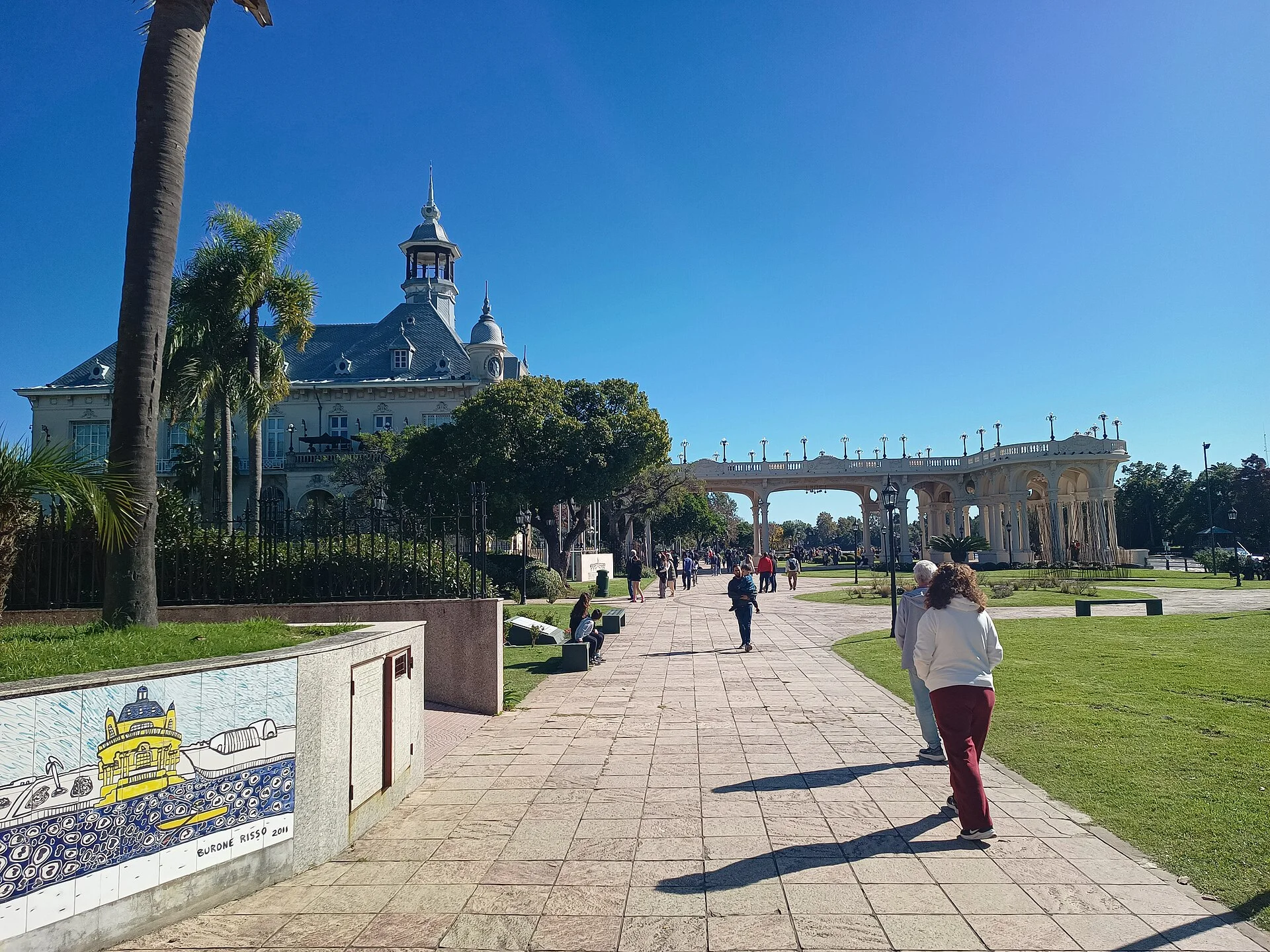
The Museo de Arte Tigre, the Belle Époque palace on Tigre's riverfront, gateway to the delta one hour north of Buenos Aires.
In the other direction lies the pampa and its mythology. San Antonio de Areco, two hours northwest, is the official capital of gaucho tradition, and the San Antonio de Areco and estancia day with asado and folklore show is the full ritual: the town's silversmiths and pulperías, then an estancia afternoon of horseback riding, an asado that does not end, and a destreza gaucha display. The guided gaucho ranch day tour is the closer, simpler version of the same idea. And for a third option, the ferry across the river puts you in Colonia del Sacramento, Uruguay, for lunch (passport required, UNESCO cobbles included).
🧭 Practical Tips for Visiting Buenos Aires
- Money, simplified: international cards now settle at a competitive exchange rate, so the old cash-smuggling "blue dollar" routine is mostly history. Carry some pesos for markets and small cafés anyway.
- Get a SUBE card at any subte station or kiosko: it covers metro, buses, and the Tigre train, and rides cost well under a dollar.
- Eat on porteño time. Dinner starts at 9pm and peaks at 10:30. A parrilla at 7pm is serving tourists; the milonga crowd has not even showered yet.
- Seasons are reversed: March to May and September to November are the glory months. January and February are humid, hot, and half-empty as locals decamp to the coast.
- Distances are real. Buenos Aires is enormous; pair neighborhoods sensibly (San Telmo + center, Recoleta + Palermo) and use the subte or ride apps between them.
- Standard precautions: phones off café tables, no dangling cameras in La Boca, registered taxis at night. The visited barrios are friendlier than the city's reputation.
- Sunday sequencing: San Telmo feria in the morning, Puerto Madero or Costanera Sur walk in the afternoon, tango show at night. The best single day in the city.
Frequently Asked Questions About Buenos Aires
How many days do I need in Buenos Aires?
Four full days is the sweet spot for Buenos Aires: one for the historic center and San Telmo, one for Recoleta and Palermo, one for a tango show plus the food scene, and one for a day trip to the Tigre Delta or a gaucho estancia. Add a fifth day for the ferry to Colonia del Sacramento in Uruguay.
Is Buenos Aires safe for tourists?
Buenos Aires is broadly safe in the neighborhoods visitors actually use (Palermo, Recoleta, San Telmo, the center) with standard big-city precautions: keep phones off café tables, avoid flashing valuables, and use registered taxis or ride apps at night. La Boca is safe in the tourist blocks around Caminito by day but should not be wandered beyond them.
What is the best tango show in Buenos Aires?
Rojo Tango inside the Faena Hotel is the premium pick (intimate, 100 seats, cabaret energy), Tango Porteño is the best big-stage production near the Obelisco, and El Querandí runs the most historic show in a restored 1920s San Telmo mansion. Expect $35 to $60 USD for show-only tickets and roughly double with dinner included.
Is Buenos Aires cheap to visit?
For travelers carrying dollars or euros, Buenos Aires remains good value by world-capital standards: an excellent steak dinner with wine runs $25 to $40 USD, a café cortado under $3, and the subte (metro) under $1 per ride. International cards now get a competitive exchange rate, so the old cash-only blue dollar gymnastics are no longer necessary.
Do I need to speak Spanish in Buenos Aires?
No, but it helps. Tourist-facing businesses, hotels, and guided tours operate comfortably in English, while neighborhood parrillas and taxis often do not. Learning ten basic phrases plus the local "che" and "dale" earns instant goodwill from porteños.
What is the best time to visit Buenos Aires?
March to May (autumn) and September to November (spring) are ideal: 18 to 25°C days, jacaranda blooms in November, and none of the January-February humidity that empties the city as porteños flee to the coast. Seasons are reversed from the northern hemisphere.
Can you do a day trip from Buenos Aires to Uruguay?
Yes. Direct ferries cross the Río de la Plata to Colonia del Sacramento, a UNESCO-listed Portuguese colonial town in Uruguay, in about 1 hour 15 minutes. Day-trippers get cobbled streets, a lighthouse climb, and riverside parrillas before the evening boat back. Bring your passport: it is a full international border.
Start Planning Your Buenos Aires Trip
Buenos Aires asks only two things of you: book the tango show and the day trips ahead, and surrender your dinner schedule to the local clock. Everything else (the cafés, the bookstores, the slow Sunday markets) works better unplanned. Lock in the essentials on GetYourGuide's Buenos Aires catalog with free 24-hour cancellation and let the city improvise the rest.
Building a bigger Argentina route? Our guides to Mendoza's best wineries, the 8-day Patagonia itinerary, and 3 perfect days in El Chaltén cover the wine, the ice, and the granite that pair with the capital's tango.